
Understanding the poverty line in Colorado is crucial for appreciating the economic landscape of this vibrant state. While the title itself might seem like a topic for economic policy discussions, its implications ripple through many aspects of life, including how individuals and families access essential resources, engage with their communities, and ultimately, experience the lifestyle opportunities available. For those interested in budget travel, understanding local economic conditions can offer valuable insights into the cost of living, which directly impacts the affordability of various experiences within the state. This knowledge can inform decisions about where to stay, what activities to pursue, and how to best experience Colorado without overspending.

The poverty line is not a static, one-size-fits-all measure. It’s a dynamic threshold that reflects the minimum income necessary to afford basic necessities. In the United States, the official poverty measure is primarily determined by the U.S. Census Bureau, using a set of poverty thresholds that vary by family size and composition. These thresholds are updated annually to reflect changes in the cost of living, although they are often criticized for not fully capturing the realities of contemporary expenses, particularly in high-cost-of-living areas.
Defining the Poverty Threshold in Colorado
The poverty line in Colorado, like elsewhere in the nation, is calculated based on a formula established decades ago. It’s essentially a measure of the income a household needs to meet basic needs such as food, housing, clothing, and healthcare. The federal poverty guidelines, issued by the Department of Health and Human Services, serve as the primary benchmark. These guidelines are then adjusted for family size. For instance, the threshold for a single individual will be significantly lower than that for a family of four.
It’s important to distinguish between the federal poverty guidelines and what might be considered a more realistic “cost of living” measure in a state like Colorado, which experiences regional variations in expenses. While the federal poverty line provides a national standard, local economic conditions, particularly in popular tourist destinations or major metropolitan areas like Denver or Boulder, can mean that the true cost of living exceeds these federal thresholds. This discrepancy can have a profound impact on residents and, by extension, on the types of travel and accommodation options that are accessible to different income brackets.
Federal Poverty Guidelines vs. State-Specific Realities
The federal poverty guidelines are the starting point for many anti-poverty programs and eligibility determinations. However, their applicability to the diverse economic landscapes within Colorado is often debated. Factors such as housing costs, transportation expenses, and the availability of affordable goods and services can vary dramatically across the state. A family living in a rural mountain town might face different economic pressures than a family residing in an urban center.
For travelers and those interested in the lifestyle of Colorado, understanding these nuances can be beneficial. It helps in contextualizing local economies and appreciating the economic challenges faced by residents. This understanding can lead to more informed choices when selecting accommodations, dining, and participating in activities, potentially leading to more authentic and budget-conscious travel experiences. For instance, knowing that certain areas might have a higher cost of living might prompt a traveler to explore budget-friendly accommodation options in surrounding towns or to seek out local eateries that offer better value.
The Impact of the Poverty Line on Lifestyle and Travel Choices
The poverty line in Colorado directly influences the economic well-being of a significant portion of its population, which in turn shapes the accessible lifestyle and travel choices available to them. For individuals and families living below or near the poverty line, the ability to engage in recreational activities, travel, or even afford comfortable accommodation can be severely limited. This reality underscores the importance of understanding the economic context when exploring Colorado as a destination.
Access to Leisure and Recreation
For many residents, the dream of visiting national parks like Rocky Mountain National Park or enjoying the vibrant cultural scene in Denver can be financially out of reach if their income hovers around the poverty threshold. The cost of entrance fees, transportation, and the general expenses associated with travel can be significant barriers. This means that while Colorado offers a wealth of attractions and experiences, not everyone within the state can equally partake in them.
From a travel perspective, this highlights the diversity of experiences within Colorado. While luxury resorts and high-end dining are available, there are also numerous opportunities for budget-friendly adventures. Understanding the economic disparities can encourage travelers to seek out more accessible forms of tourism, such as exploring free public lands, attending community events, or opting for budget accommodation like hostels or campgrounds. This approach can lead to a more immersive and authentic experience of Colorado, connecting with local communities and their way of life.
Affordability of Accommodation and Dining
The cost of accommodation and dining are major components of any travel budget. In Colorado, particularly in popular tourist areas and cities, these costs can be substantial. For individuals and families struggling to meet basic needs, finding affordable lodging or even a decent meal can be a challenge. This economic reality influences their ability to travel within their own state.
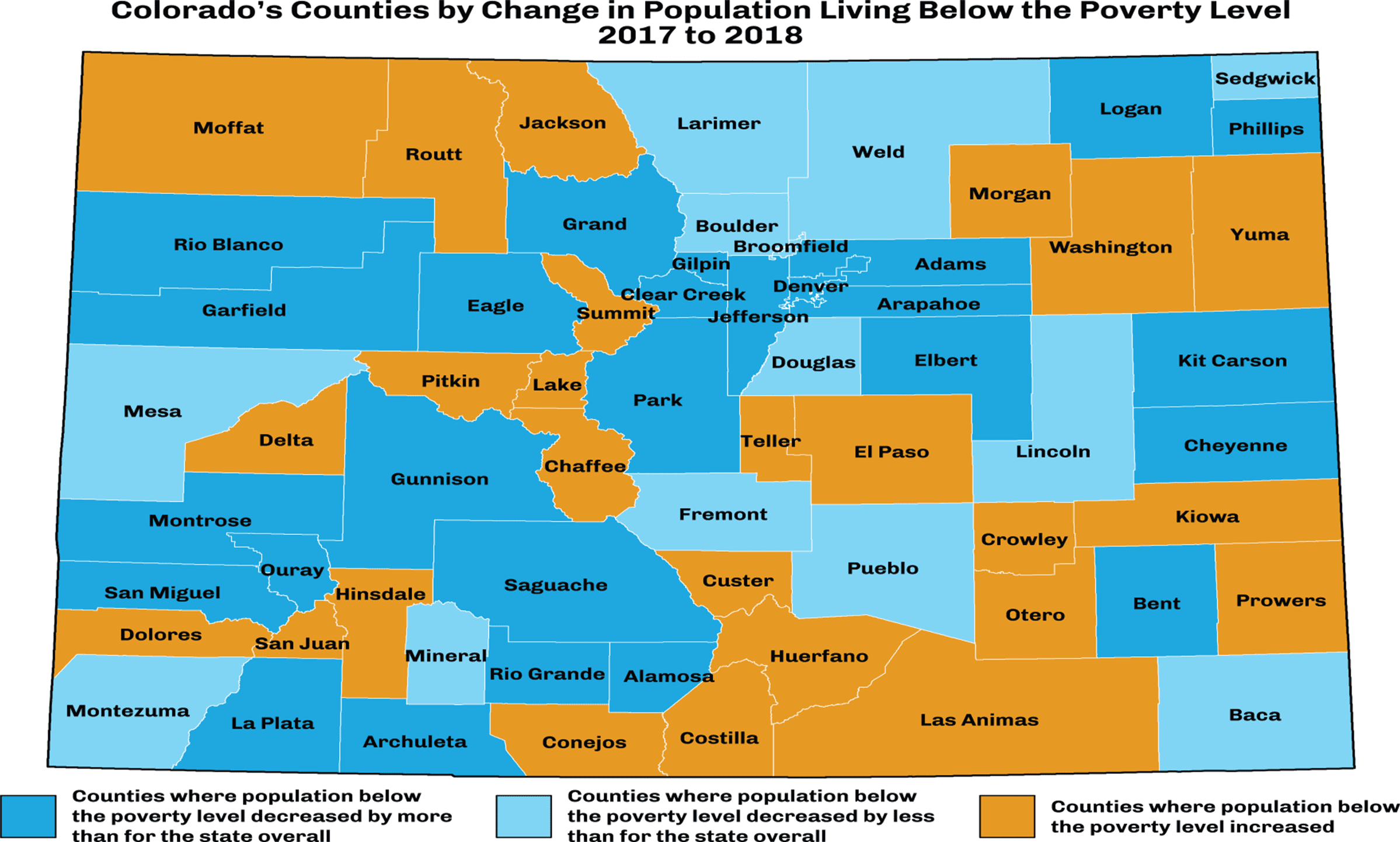
For travelers, this insight can be used to their advantage. Researching areas outside the most popular tourist hotspots can often yield more affordable accommodation options. Similarly, exploring local markets and seeking out eateries frequented by residents rather than solely relying on tourist-centric restaurants can provide a more authentic and budget-friendly culinary experience. This thoughtful approach to planning can make visiting Colorado more accessible for a wider range of travelers, aligning with the principles of budget travel and promoting a more equitable engagement with the state’s offerings.
Navigating Colorado’s Economic Landscape for Budget Travelers
For those planning a trip to Colorado with a focus on budget lifestyle and travel, understanding the poverty line and its implications provides a valuable framework for planning. It’s not about dwelling on hardship, but rather about appreciating the economic context that shapes local communities and influences the cost of experiences. This awareness can empower travelers to make more informed choices, discover hidden gems, and engage with Colorado in a way that is both enriching and economically responsible.
Embracing Budget-Friendly Destinations and Activities
The vastness and diversity of Colorado mean that there are opportunities for every budget. While the allure of ski resorts in places like Aspen or Vail is undeniable, these destinations also come with a premium price tag. However, by shifting focus, budget travelers can discover equally stunning natural beauty and engaging cultural experiences at a fraction of the cost.
Consider exploring the less-trafficked mountain towns or the high plains regions. These areas often offer breathtaking scenery, hiking trails, and a glimpse into a more rural way of life, with significantly lower costs for accommodation and dining. State parks, national forests, and numerous public lands offer incredible opportunities for hiking, camping, and exploring without the hefty entrance fees associated with some national parks. Local festivals, farmers’ markets, and community events often provide free or low-cost entertainment and a chance to connect with the local culture.
Smart Accommodation and Dining Strategies
When it comes to accommodation, travelers on a budget have several excellent options in Colorado. Beyond traditional hotels, consider vacation rentals in less central locations, which can offer significant savings and often provide kitchen facilities, allowing for meal preparation and further cost reduction. Camping, whether in designated campgrounds or dispersed camping areas (where permitted), is an exceptionally affordable way to experience Colorado’s natural beauty. Hostels are also increasingly available in larger cities and some tourist towns, providing a social and budget-friendly lodging solution.
For dining, embrace the local food scene. Instead of exclusively patronizing high-end restaurants, seek out diners, cafes, and ethnic eateries that cater to locals. These establishments often offer delicious and authentic food at much more reasonable prices. Packing snacks and picnic lunches for day trips is another excellent way to save money. Visiting local grocery stores and farmers’ markets can provide fresh ingredients for meals, especially if your accommodation has cooking facilities. This approach not only saves money but also offers a more authentic taste of Colorado.
Beyond the Numbers: Understanding the Human Element
While the poverty line provides a statistical measure, it’s essential to remember the human element behind the numbers. Understanding the poverty line in Colorado is not just about economic data; it’s about recognizing the diverse challenges and aspirations of its residents. For travelers, this understanding can foster a deeper appreciation for the state and its people, leading to more meaningful and respectful engagement with the destinations they visit.
Fostering Community Engagement and Responsible Tourism
As visitors, a mindful approach to tourism can positively impact local communities. Choosing to support local businesses, respecting the environment, and being aware of the economic realities faced by residents are all aspects of responsible tourism. This might mean opting for locally owned accommodation over large chain hotels, purchasing souvenirs directly from local artisans, or being conscious of water and resource usage, particularly in drier regions.
By understanding the economic context, travelers can also seek out experiences that directly support local initiatives or organizations working to improve the lives of those in need. This could involve volunteering opportunities, donating to local charities, or simply choosing to spend money in ways that benefit the broader community. This conscious approach transforms a vacation into an opportunity for positive impact, enriching both the traveler’s experience and the lives of the people they encounter.

The Evolving Definition of Economic Well-being
The conversation around the poverty line is ongoing, with discussions about whether current measures adequately reflect the cost of living in a state like Colorado. As the state’s economy evolves, so too does the definition of economic well-being. For travelers, staying informed about these discussions, even peripherally, can offer deeper insights into the state’s social fabric. This awareness can lead to a more nuanced and empathetic perspective, enhancing the overall travel experience and fostering a greater appreciation for the complexities of life in Colorado. Ultimately, understanding the poverty line is an exercise in understanding the diverse economic realities that shape the unique lifestyle and opportunities within this remarkable state.
LifeOutOfTheBox is a participant in the Amazon Services LLC Associates Program, an affiliate advertising program designed to provide a means for sites to earn advertising fees by advertising and linking to Amazon.com. Amazon, the Amazon logo, AmazonSupply, and the AmazonSupply logo are trademarks of Amazon.com, Inc. or its affiliates. As an Amazon Associate we earn affiliate commissions from qualifying purchases.