
The sun-drenched landscapes and vibrant culture of Florida are synonymous with citrus groves, sugar cane fields, and fresh seafood. Yet, a lesser-known agricultural pursuit is quietly stirring in the state: coffee cultivation. For tourists and residents alike, the prospect of locally grown coffee adds an intriguing layer to Florida’s rich tapestry of local food and activities. While not as widespread as its South American or African counterparts, the answer to whether coffee can be grown in Florida is a resounding “yes,” albeit with specific challenges and unique characteristics that contribute to a burgeoning niche in its tourism landscape.
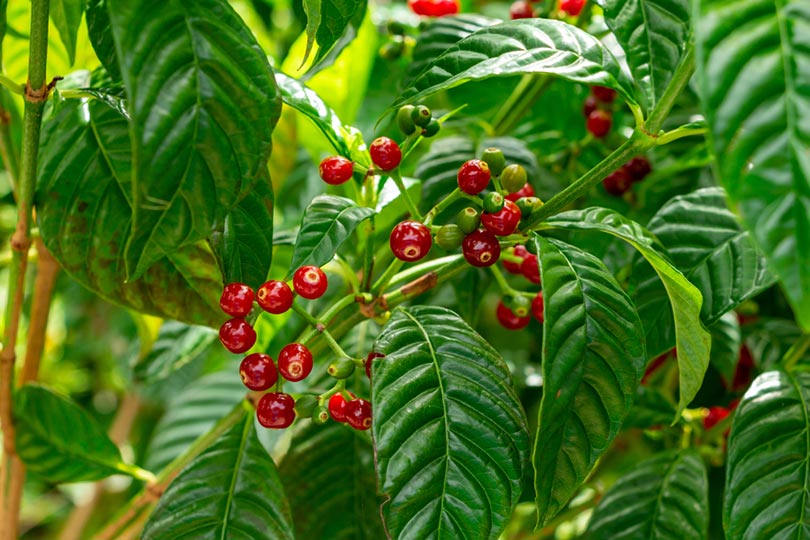
The Tropical Ambition: Why Coffee in the Sunshine State?
Florida’s’s climate, particularly in its southern regions, shares surprising similarities with traditional coffee-growing belts. The pursuit of cultivating coffee here is not merely an agricultural experiment; it’s a reflection of a deeper interest in local sourcing, sustainable practices, and creating unique culinary experiences for visitors exploring the state.
Climate and Soil Suitability
Coffee plants thrive in tropical and subtropical regions, requiring consistent warmth, high humidity, and distinct wet and dry seasons. Much of central and southern Florida, especially around areas like Miami and the Florida Keys, offers a climate that can approximate these conditions. The average temperatures rarely dip below freezing, which is critical for the delicate coffee plant. The sandy, well-draining soils, though often requiring significant amendment, can be adapted to support coffee growth. Enthusiasts and small-scale farmers leverage these natural advantages, coupled with innovative farming techniques, to coax coffee cherries from the earth.
A Growing Trend in Local Sourcing
The global movement towards farm-to-table dining and supporting local agriculture has firmly taken root in Florida. Tourists are increasingly seeking authentic experiences that connect them directly to a destination’s agricultural heritage and culinary identity. Introducing locally grown coffee into this narrative provides a compelling new angle. Imagine sipping a freshly brewed cup, knowing the beans were cultivated just miles away from your hotel. This appeals to a discerning traveler eager to explore the nuances of local food culture beyond the typical offerings.
Challenges and Cultivation Realities
While the ambition to grow coffee in Florida is strong, the realities of cultivation present several hurdles that temper expectations of widespread commercial production. Understanding these challenges provides insight into why Florida coffee remains a niche, often artisanal, product.
Freeze Risk and Pests
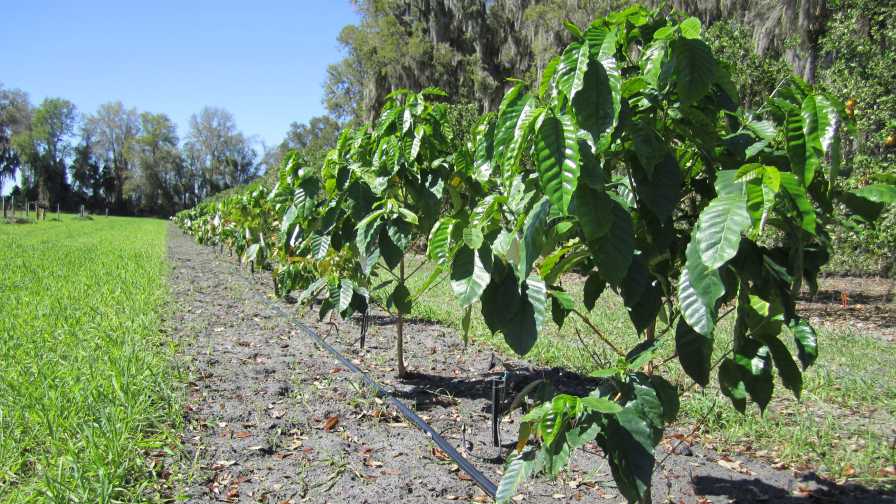
One of the most significant threats to Florida’s coffee ambitions is the occasional cold snap or freeze event, especially in central and northern parts of the state. While southern Florida is more insulated, even a brief period of freezing temperatures can devastate a coffee crop. Farmers must employ protective measures, such as row covers or micro-sprinklers, to mitigate this risk. Furthermore, Florida’s’s humid environment, while beneficial for growth, also makes plants susceptible to various pests and diseases, necessitating careful management and often organic approaches that resonate with eco-conscious travelers.
Scalability and Economic Viability
The vast majority of Florida coffee operations are small-scale, often family-run endeavors. The intensive labor required for coffee cultivation, from planting and tending to hand-picking ripe cherries, makes large-scale commercial production challenging compared to traditional coffee powerhouses with lower labor costs. The economic viability often hinges on a premium market for a unique, local product, rather than competing on volume. This creates an exclusive appeal, where the story behind the bean is as important as its flavor profile.
Florida Coffee as a Tourism Experience
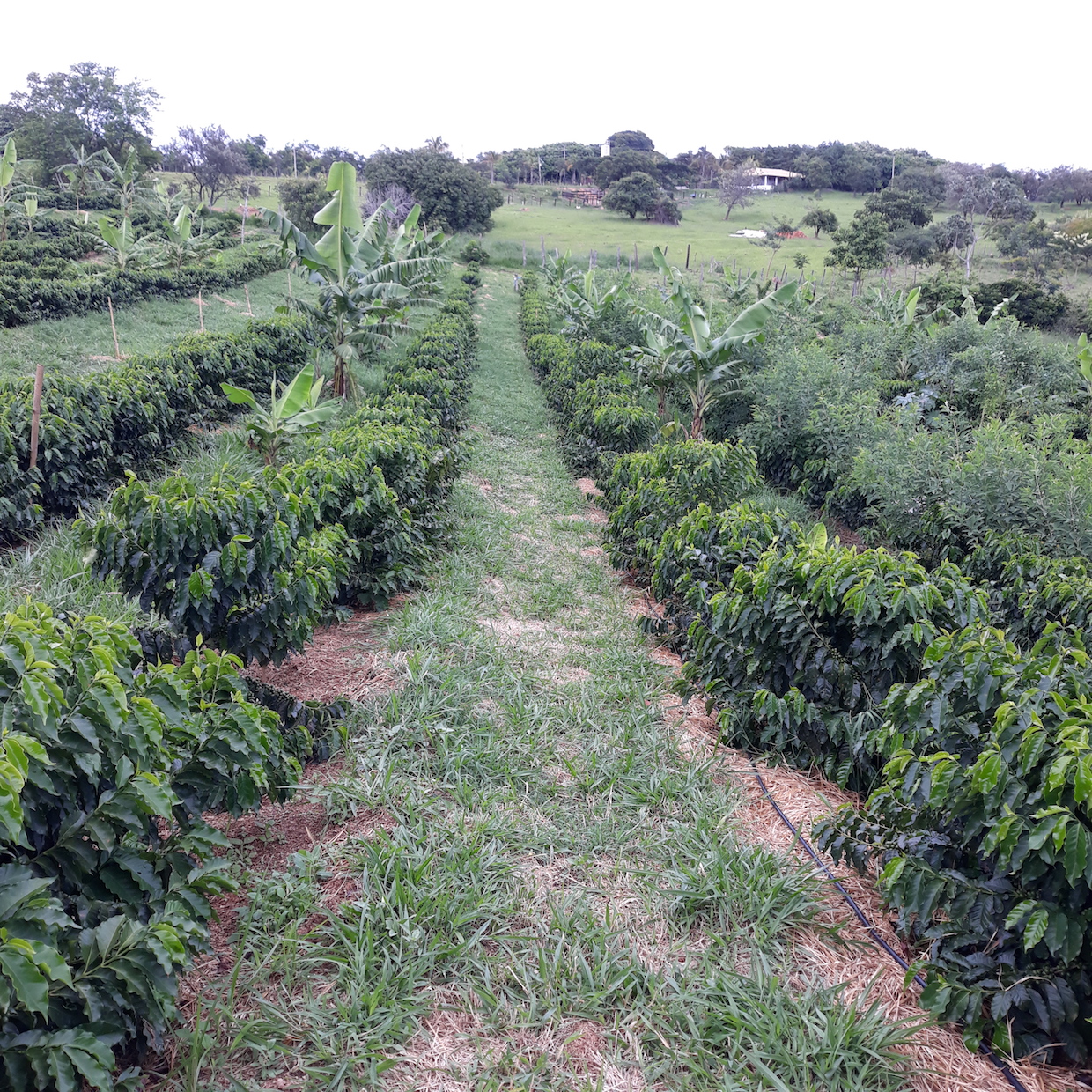
For tourists, the emergence of Florida coffee opens up exciting avenues for agro-tourism and local cultural immersion. It presents an opportunity to engage with a nascent industry, learn about the unique challenges and triumphs of local farmers, and taste a product deeply rooted in the state’s agricultural experimentation.
Farm Tours and Tasting Experiences
Several pioneering coffee growers across Florida are beginning to offer farm tours, allowing visitors to walk through coffee groves, learn about the cultivation process, and understand the journey from seed to cup. These tours often culminate in tasting sessions, where visitors can sample freshly roasted Florida coffee, often alongside other local produce. These experiences provide a tangible connection to the land and the people who work it, offering a refreshingly authentic alternative to typical tourist attractions. For instance, small farms near Homestead or Lake Placid might surprise visitors with their dedication to this unique crop.
Integrating into the Local Food Scene
Florida coffee is slowly finding its way onto the menus of boutique cafes, farm-to-table restaurants, and specialty markets across the state. This integration enriches the local food scene, allowing chefs and baristas to highlight a truly regional product. Tourists can seek out establishments that pride themselves on sourcing locally, discovering unique brews that reflect Florida’s’s specific terroir. This focus on local ingredients elevates the dining experience, transforming a simple cup of coffee into a cultural statement. Cities like St. Petersburg and Sarasota, known for their burgeoning culinary scenes, are prime locations to seek out these establishments.
Educational Opportunities and Workshops
Beyond tasting, some coffee farms and agricultural centers offer workshops focused on home coffee growing, roasting techniques, or sustainable farming practices relevant to the Florida climate. These educational opportunities cater to visitors interested in a deeper dive into agro-tourism, offering hands-on experiences that are both informative and memorable. The University of Florida’s Institute of Food and Agricultural Sciences (IFAS) has been instrumental in researching and supporting alternative crops, including coffee, providing valuable insights for both commercial growers and hobbyists.
Tips for Experiencing Florida’s Coffee Culture
For the curious traveler keen to explore this niche aspect of Florida’s tourism, there are several ways to engage with its nascent coffee culture. It requires a bit more intentionality than visiting a theme park, but the rewards are a deeper appreciation for the state’s agricultural diversity.
Seek Out Specialty Coffee Shops
Start your exploration in urban centers like Orlando, Tampa, or Jacksonville, which boast vibrant specialty coffee scenes. Inquire with local baristas about their sourcing practices. While 100% Florida-grown coffee might be rare, many shops are committed to supporting local roasters who may incorporate Florida beans into blends or offer single-origin batches when available. This is often the easiest entry point for a tourist.
Visit Farmers Markets and Agricultural Fairs
Florida’s extensive network of farmers markets is an excellent place to find small-batch local products, including, occasionally, freshly roasted Florida coffee beans or plants for home cultivation. These markets are hubs for local farmers and artisans, offering direct interaction and a chance to learn about their unique offerings. Agricultural fairs, particularly in rural southern Florida, might feature educational displays or vendors specializing in unusual crops.
Explore Southern Florida’s Agricultural Belt
The agricultural heartland of southern Florida, stretching from Naples across to the Atlantic coast, is where most of the state’s coffee cultivation efforts are concentrated. Consider a road trip through these regions, looking for U-pick farms, roadside stands, or small nurseries that might be experimenting with coffee. While not always heavily advertised, these hidden gems offer an authentic glimpse into Florida’s’s agricultural future.
Connect with Local Growers Online
Many small-scale Florida coffee growers maintain an online presence. A quick search can reveal farms that offer direct sales, subscribe-and-save options, or even scheduled tours. Engaging with these growers directly not only supports local business but also provides invaluable insight into the dedication and passion behind Florida’s’s emerging coffee industry.
In conclusion, growing coffee in Florida is more than just possible; it’s a testament to the ingenuity and adaptability of the state’s agricultural community. For tourists, it represents a novel and engaging dimension of Florida’s’s local culture, food scene, and unique activities. While it may never rival the coffee giants, Florida coffee offers a distinct flavor and a compelling story, enriching the Sunshine State’s appeal for those seeking truly authentic experiences.
LifeOutOfTheBox is a participant in the Amazon Services LLC Associates Program, an affiliate advertising program designed to provide a means for sites to earn advertising fees by advertising and linking to Amazon.com. Amazon, the Amazon logo, AmazonSupply, and the AmazonSupply logo are trademarks of Amazon.com, Inc. or its affiliates. As an Amazon Associate we earn affiliate commissions from qualifying purchases.