
The vast expanse of the Pacific Ocean stands between the golden shores of California and the ancient lands of China, creating one of the world’s most significant trans-continental divides. For anyone contemplating a journey between these two economic and cultural powerhouses, the fundamental question of “how far” is not merely about geographical distance but encompasses the complexities of travel time, logistics, and the sheer scale of the undertaking. This journey represents a gateway to profound cultural exchange, business opportunities, and unforgettable travel experiences, making a clear understanding of the distance and its implications crucial for any aspiring traveler.
Measuring the Great Pacific Divide
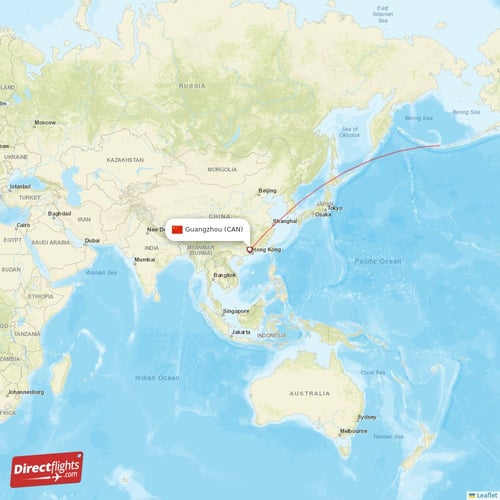
Understanding the geographical distance between China and California is the first step in conceptualizing the journey. Unlike overland travel, the path across the Pacific Ocean involves specific air and sea routes that influence total travel time.
Geographic Reality: Miles and Kilometers
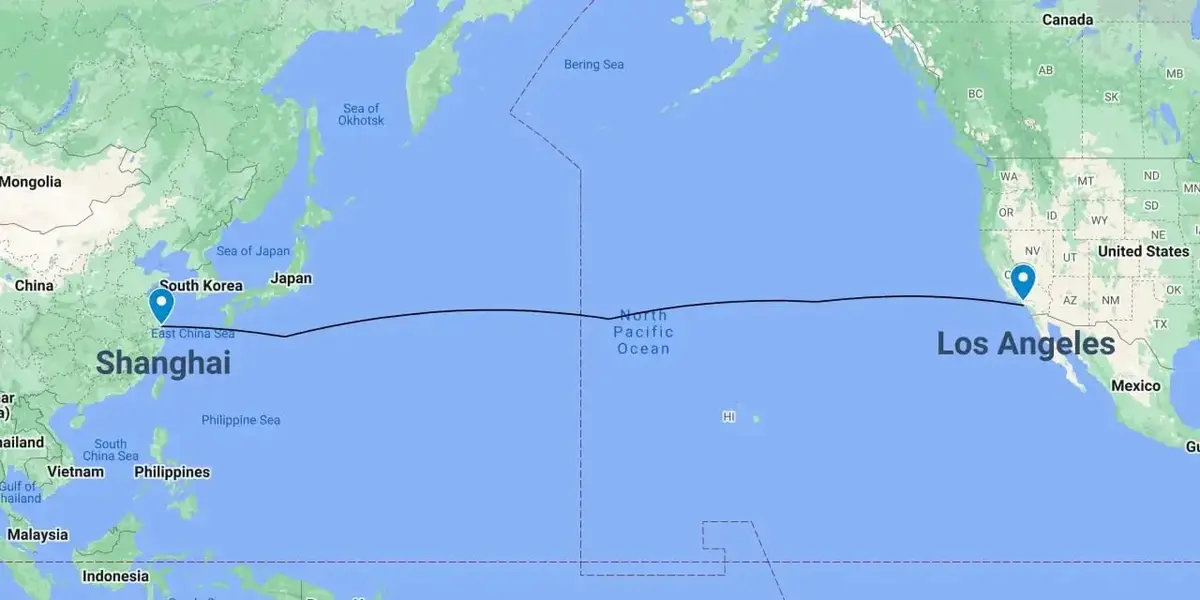
The direct, great-circle distance (the shortest path between two points on a sphere) varies depending on the specific origin and destination cities. For instance, the distance between major hubs like Los Angeles, California, and Shanghai, China, is approximately 6,400 miles (about 10,300 kilometers). If we consider San Francisco to Beijing, the distance is roughly 6,200 miles (about 10,000 kilometers). These figures represent the straight-line distance, which is crucial for air travel planning, but the actual flight paths may vary slightly due to air traffic control, weather conditions, and geopolitical considerations. This substantial distance underscores the long-haul nature of any trip across the Pacific, requiring careful planning and preparation.
Overwater Routes and Airspace
The vast majority of this distance is over the Pacific Ocean. Commercial aircraft traverse designated air corridors, guided by sophisticated navigation systems. These routes are meticulously planned to optimize fuel efficiency, avoid turbulent weather systems, and adhere to international aviation regulations. While the straight-line distance gives a numerical value, the actual path flown by an aircraft is a dynamic calculation that considers real-time conditions. This extensive overwater journey highlights the technological marvel of modern aviation, making such distances routinely traversable for millions of passengers annually.
The Journey by Air: Primary Travel Route
For most travelers, flying is the only practical and time-efficient means of crossing the Pacific between China and California. Direct flights offer the quickest passage, connecting major cities on both continents.
Direct Flights: Major Hubs and Airlines
Several major airports in California serve as crucial gateways to Asia. Los Angeles International Airport (LAX) and San Francisco International Airport (SFO) are primary hubs, offering numerous direct flights to key Chinese cities like Beijing, Shanghai, and Guangzhou. Airlines such as United Airlines, Delta Air Lines, American Airlines, China Eastern Airlines, Air China, and China Southern Airlines operate these long-haul routes. The availability of direct flights streamlines the travel process, reducing the need for layovers and minimizing overall travel time. Choosing a direct flight from a major hub significantly enhances convenience and comfort for such a long journey.
Typical Flight Durations and Factors Influencing Them
A direct flight from California to China typically ranges from 11 to 15 hours. For example, a non-stop flight from Los Angeles to Shanghai usually takes around 12-13 hours, while a flight to Beijing might be closer to 11-12 hours due to the slightly shorter northern route. Flights heading eastward, from China back to California, can be slightly longer, often by an hour or two, due to prevailing jet streams. The strong westerly winds at high altitudes act as a natural tailwind for westbound flights but create a headwind for eastbound journeys. Other factors influencing flight duration include the specific aircraft model (some planes are faster and more fuel-efficient), air traffic control patterns, and any unforeseen weather diversions. These seemingly minor variables can collectively add or subtract precious time from a journey measured in dozens of hours.
Navigating Time Zones and Jet Lag
Crossing the Pacific Ocean also means crossing numerous time zones. California observes Pacific Standard Time (PST) or Pacific Daylight Time (PDT), while China operates on a single time zone, Beijing Time (CST), which is 15 or 16 hours ahead of California depending on daylight saving. This significant time difference invariably leads to jet lag, a common physiological disruption characterized by fatigue, disorientation, and disturbed sleep patterns. Travelers typically experience more severe jet lag when traveling eastward, as the body struggles to “gain” time. Strategies to mitigate jet lag include adjusting sleep schedules gradually before departure, staying hydrated, avoiding excessive caffeine and alcohol, and trying to adapt to the local time zone immediately upon arrival. Building in a day or two for recovery upon arrival is often recommended to fully enjoy the destination.
Maritime Travel: A Different Perspective
While air travel dominates the discourse for speed and convenience, the Pacific Ocean has historically been and continues to be a vital route for maritime transport. For those seeking a unique, unhurried journey, or for cargo, sea travel offers an entirely different perspective on the distance between China and California.
Cargo and Cruise Ship Routes
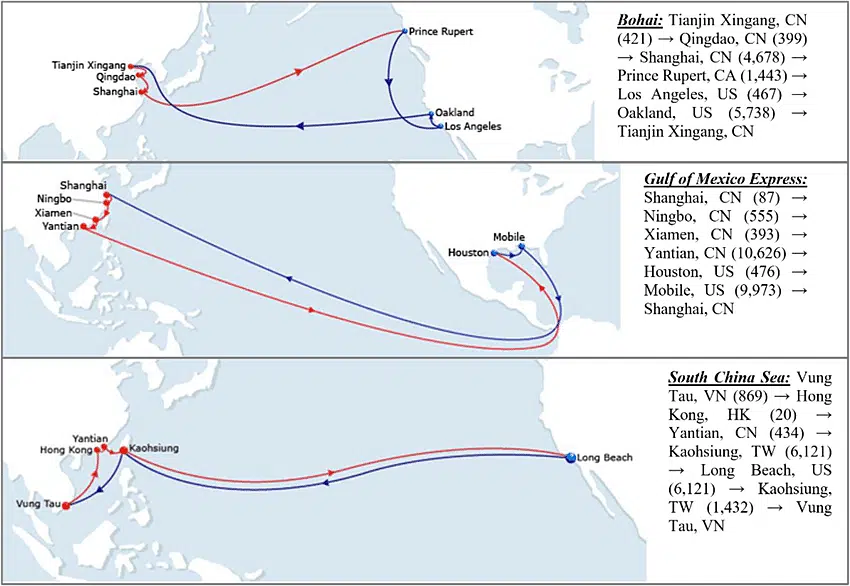
Commercial cargo ships regularly ply the waters between the two regions, transporting goods across the globe. These massive vessels follow established shipping lanes, connecting major ports like Long Beach and Oakland in California with Shanghai, Shenzhen, and Ningbo in China. For passenger travel, luxury cruise ships occasionally offer trans-Pacific itineraries as part of world cruises or repositioning voyages. These cruises provide a leisurely way to experience the vastness of the Pacific, often with stops at picturesque islands along the way, such as in Hawaii or Japan. While not a direct point-to-point transport option for most, these voyages offer a distinct travel experience.
The Time Commitment of Ocean Voyages
Opting for maritime travel dramatically increases the time commitment. A typical cargo ship journey from a Chinese port to California can take anywhere from 10 to 25 days, depending on the vessel’s speed, the specific route, and the number of intermediate stops. Passenger cruises are designed for experience rather than speed and can last anywhere from 15 to 30 days for a trans-Pacific crossing. This extended duration means that sea travel is not a viable option for those with tight schedules but appeals to travelers who value the journey itself, a slower pace, and the unique isolation of being at sea for an extended period. It offers a profound sense of the geographical “farness” that air travel inherently compresses.
Planning Your Trans-Pacific Expedition
Embarking on a journey from California to China requires meticulous planning beyond just booking a flight. Consideration of visas, optimal travel times, and essential packing can significantly enhance the travel experience.
Visa and Entry Requirements for China and the United States
For United States citizens traveling to China, a valid visa is generally required. The type of visa depends on the purpose of the visit (tourism, business, study, etc.) and typically needs to be obtained in advance from a Chinese embassy or consulate. The application process can take several weeks, so it’s crucial to apply well ahead of travel dates. Similarly, Chinese citizens wishing to visit the United States must obtain an appropriate visa, such as a B1/B2 visitor visa, which also requires an application process and an interview. These requirements are subject to change, so consulting the official websites of the respective countries’ diplomatic missions is always recommended.
Optimal Travel Seasons
The best time to travel from California to China largely depends on your destination within China and your preferences for weather. Generally, spring (April-May) and autumn (September-October) offer the most pleasant weather across much of China, with comfortable temperatures and fewer crowds than the peak summer months. Summers (June-August) can be hot and humid, especially in southern China and cities like Shanghai, while winters (November-March) can be very cold, particularly in northern regions like Beijing. Avoiding major Chinese national holidays, such as Golden Week (early October) and Chinese New Year (late January/early February), is advisable to circumvent extremely crowded transport and attractions.
Essential Packing for Long-Haul Journeys
Packing for a trans-Pacific flight involves preparing for a long duration in a confined space, as well as considering the destination’s climate. Essential items for the flight itself include comfortable clothing, compression socks to prevent swelling, travel pillows and eye masks for rest, noise-canceling headphones, and entertainment devices. Staying hydrated is critical, and a reusable water bottle can be refilled after security. For the destination, layering is often key, given the diverse climates within China. Consider comfortable walking shoes, universal power adapters, any necessary prescription medications, and copies of important travel documents. Remember to research local customs and dress codes, especially when visiting religious sites.
Bridging Continents: More Than Just Distance
The distance between China and California is considerable, both geographically and culturally. However, modern travel technologies and well-established routes have transformed what was once an arduous journey into a readily accessible expedition.
Cultural Exchange Through Travel
Traveling from California to China is more than just traversing thousands of miles; it’s an immersive dive into a civilization rich in history, diverse in its landscapes, and vibrant in its contemporary culture. From the bustling megacities of Shanghai and Beijing to the serene landscapes of Guilin and the ancient wonders of Xi’an, China offers an unparalleled travel experience. The journey itself becomes part of the adventure, shrinking the world and fostering a deeper understanding between two influential global regions. Understanding the “how far” is just the beginning; the true reward lies in the cultural bridges built through personal exploration and engagement.
LifeOutOfTheBox is a participant in the Amazon Services LLC Associates Program, an affiliate advertising program designed to provide a means for sites to earn advertising fees by advertising and linking to Amazon.com. Amazon, the Amazon logo, AmazonSupply, and the AmazonSupply logo are trademarks of Amazon.com, Inc. or its affiliates. As an Amazon Associate we earn affiliate commissions from qualifying purchases.