
The question of whether basements are a viable or even common feature in the Lone Star State often sparks curiosity, especially for those accustomed to the subterranean dwellings of other regions. Texas, with its diverse topography and unique climate, presents a fascinating case study in architectural adaptation. While not as prevalent as in many northern states, the concept of a basement in Texas is far from impossible and, in certain contexts, can offer significant advantages. Understanding the geological, climatic, and economic factors at play is key to appreciating the nuances of subterranean construction in this vast and varied state.
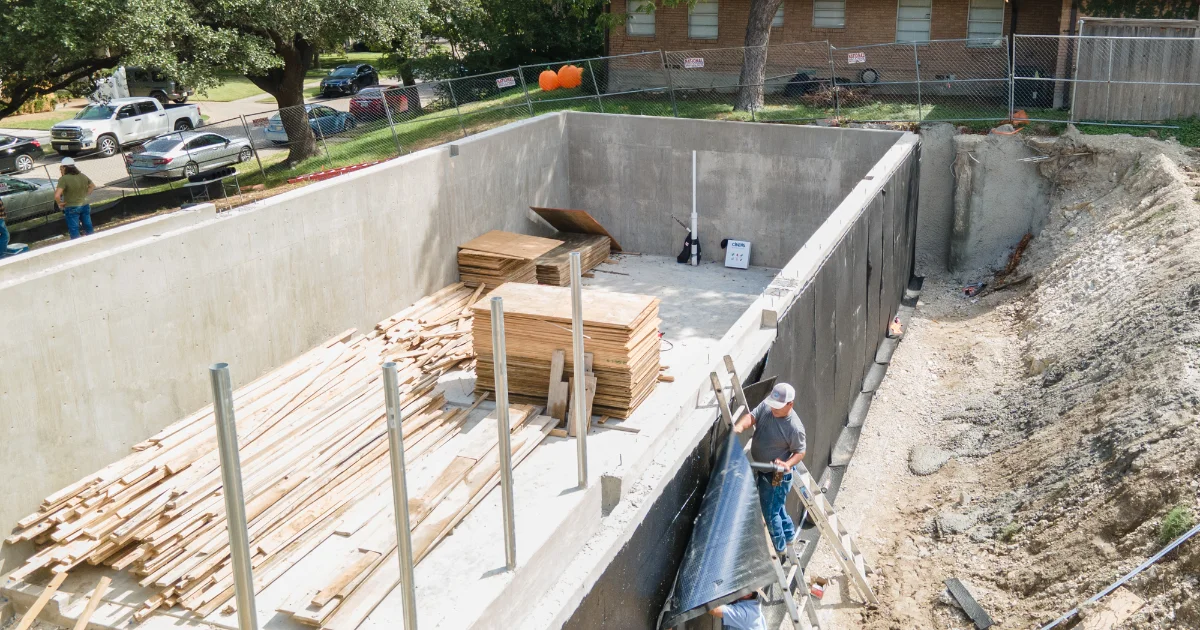
The Geological Landscape and Its Influence
Texas’s geology is incredibly diverse, ranging from the coastal plains to the rolling hills of the Hill Country and the arid West Texas landscapes. This inherent variety directly impacts the feasibility and cost of constructing basements.
Soil Conditions and Water Tables
The primary determinant for basement construction in any region is the underlying soil composition and the proximity of the water table. In many parts of Texas, particularly along the Gulf Coast, the soil is comprised of clay and sand, which can be highly saturated. This makes excavation challenging and significantly increases the risk of water intrusion. A high water table means that any excavated space below ground level will be constantly fighting against groundwater, requiring extensive and costly waterproofing and drainage systems.
- Clay Soils: These soils can expand and contract significantly with changes in moisture content. When wet, clay can exert considerable pressure on basement walls, potentially leading to structural damage. Conversely, when dry, it can shrink, creating gaps that allow water to seep in.
- Sandy Soils: While less prone to expansion, sandy soils can be unstable during excavation and may require extensive shoring to prevent collapse. They also offer less resistance to water penetration.
- Water Table Depth: In many coastal and low-lying areas of Texas, the water table is often close to the surface, sometimes just a few feet down. This proximity makes traditional basement excavation impractical without advanced engineering solutions.
Rock Formations and Bedrock
In contrast, some regions of Texas, such as parts of Central Texas around cities like Austin and San Antonio, sit atop significant limestone bedrock. Where bedrock is encountered at a manageable depth, it can provide a stable foundation and a natural barrier against groundwater, making basement construction more feasible. However, drilling into solid rock is a more expensive and complex process than excavating softer soils. The presence of karst topography, characterized by sinkholes and underground caves, can also complicate excavation and necessitate specialized engineering assessments.
Climate Considerations for Subterranean Living
The Texan climate, known for its extremes, also plays a crucial role in the decision-making process for building a basement.
Heat and Humidity
Texas experiences long, hot summers with high humidity. While a basement offers a naturally cooler environment compared to above-ground living spaces, the intense humidity presents a significant challenge. Without proper ventilation and dehumidification, a basement in Texas can become a breeding ground for mold and mildew, leading to unhealthy air quality and potential structural issues. The constant battle against moisture requires robust climate control systems, adding to the ongoing operational costs.
Rainfall and Flooding
The state is also prone to severe weather events, including heavy rainfall and hurricanes, particularly in the eastern and coastal regions. These events can lead to flash floods and prolonged inundation. Basements in flood-prone areas are at a substantial risk of damage, and insurance premiums can be prohibitively high. Many building codes in such areas may even restrict or prohibit basement construction without significant mitigation measures.
The Practicality and Cost of Basements in Texas
Given the geological and climatic factors, building a basement in Texas is often more complex and expensive than in other parts of the country. This economic reality is a significant deterrent for many homeowners and developers.
Construction Costs and Engineering
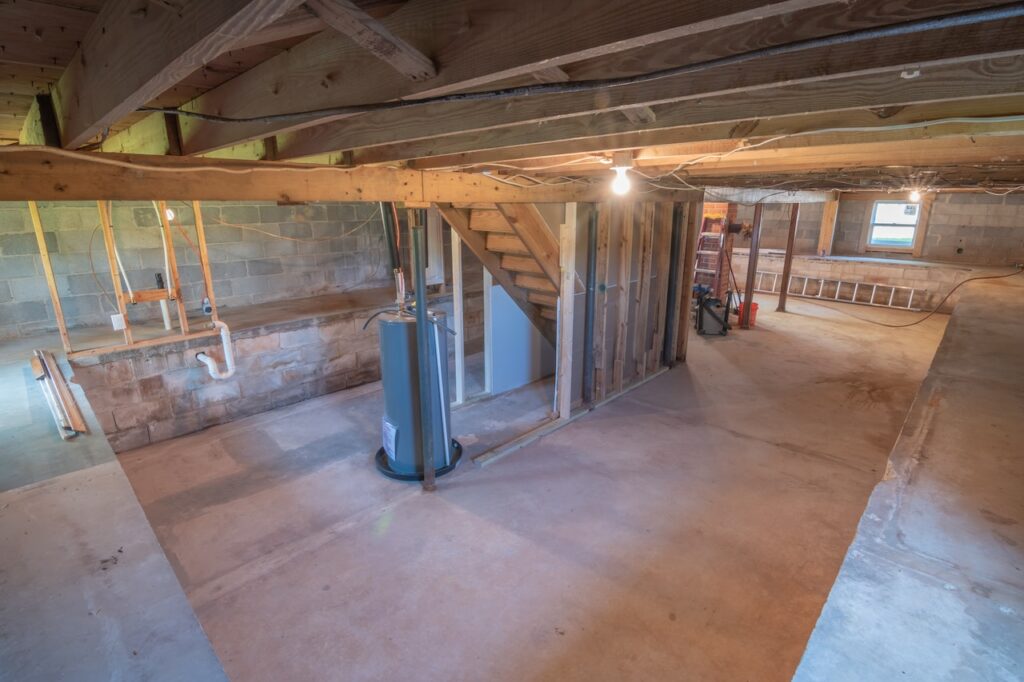
The cost of excavating, waterproofing, and constructing a basement in Texas is typically higher due to the need for specialized engineering solutions to address soil instability, high water tables, and potential flooding. Contractors must employ advanced techniques such as:
- Waterproofing Membranes: Multiple layers of robust waterproofing are essential to prevent water intrusion.
- Drainage Systems: Perimeter drains, sump pumps, and French drains are often necessary to manage groundwater.
- Structural Support: In areas with expansive clays, retaining walls must be engineered to withstand significant hydrostatic pressure.
- Radon Mitigation: Depending on the soil composition, radon gas can be a concern, requiring specific mitigation systems.
These additional requirements translate into a higher upfront investment for a basement compared to a slab foundation or a pier-and-beam foundation, which are more common in Texas.
Alternative Foundation Types
The prevalence of alternative foundation types in Texas is a direct response to the challenges of basement construction.
- Slab-on-Grade Foundations: These are the most common type in Texas. A concrete slab is poured directly onto the prepared ground. They are relatively inexpensive to construct and are well-suited to areas with high water tables or unstable soils, as they don’t involve excavation below ground level. However, they can be less effective at insulating against heat and can make plumbing repairs more difficult.
- Pier-and-Beam Foundations: Also known as crawl spaces, these foundations elevate the house on concrete piers or wooden beams. This creates a space beneath the house that can be accessed for plumbing and electrical work and offers some protection from soil expansion. While not a full basement, a deep crawl space can sometimes be adapted for limited storage or utility access. They also provide a buffer from ground moisture.
When Basements Make Sense in Texas
Despite the challenges, there are specific scenarios and locations in Texas where basements are not only feasible but can be a desirable feature.
Elevated Property Values and Demand
In certain high-demand urban areas or neighborhoods where property values are exceptionally high, the added cost of a basement might be justified by the increased living space and perceived luxury. For example, in some upscale neighborhoods in Dallas or Houston, developers might opt for basements to maximize square footage on smaller lots.
Specific Geological Conditions
As mentioned, areas with stable bedrock and a deep water table, such as parts of the Texas Hill Country, can be more conducive to basement construction. Here, the geological advantages can offset some of the climatic challenges.
Climate-Controlled Storage and Living Space
For those who prioritize cool, dry storage or additional living space insulated from the extreme Texan heat, a well-engineered basement can be an attractive proposition. It can serve as an ideal location for wine cellars, home theaters, or workshops, providing a stable, temperate environment year-round.
Storm Shelters and Safe Rooms
In regions prone to tornadoes, a basement can offer superior protection during severe weather events. A reinforced basement can function as a safe room, providing a secure refuge from high winds and flying debris, a crucial consideration for residents in the “Tornado Alley” corridor that touches parts of Texas.

Conclusion: A Calculated Decision
Ultimately, the decision to build a basement in Texas is a calculated one, weighing the significant costs and engineering challenges against the potential benefits. While not a ubiquitous feature like in states with colder climates and different geological profiles, basements are achievable and can be a valuable asset when appropriate planning, engineering expertise, and financial investment are applied. For potential homeowners or builders in Texas, thorough due diligence regarding local soil conditions, water table depth, flood risk, and consultation with experienced architects and foundation engineers are paramount. The dream of a subterranean retreat in the Lone Star State is not an impossibility, but it requires a deeper understanding and a more robust approach than in many other locales.
LifeOutOfTheBox is a participant in the Amazon Services LLC Associates Program, an affiliate advertising program designed to provide a means for sites to earn advertising fees by advertising and linking to Amazon.com. Amazon, the Amazon logo, AmazonSupply, and the AmazonSupply logo are trademarks of Amazon.com, Inc. or its affiliates. As an Amazon Associate we earn affiliate commissions from qualifying purchases.