
Navigating the financial landscape of car ownership in California is a crucial aspect of managing one’s lifestyle and budget, whether you’re a long-time resident or considering a move to the Golden State. For many, a car is not just a mode of transport but a gateway to exploring California’s diverse landscapes, from the bustling city streets of Los Angeles to the serene coastal highways. Understanding the sales tax on vehicles is a fundamental first step in budgeting for this significant purchase, directly impacting your travel potential, daily commute, and overall financial stability. This guide delves into the specifics of California car sales tax, helping you plan your next vehicle acquisition with confidence.

Understanding the Basics: California’s Statewide Sales Tax
At its core, California’s sales tax system is a complex interplay of state-mandated rates and various local district taxes. For individuals and families planning their budget, especially those who rely on personal vehicles for their lifestyle—be it for daily errands, work commutes, or weekend adventures—grasping these components is essential. The sales tax significantly adds to the overall cost of a vehicle, which in turn influences disposable income for other lifestyle choices, including travel and leisure activities.
The Base Rate
The statewide sales tax rate in California currently stands at 7.25%. This rate is applied to the sale of most tangible personal property, including new and used vehicles. It’s a foundational cost that every car buyer must factor into their financial planning. For a buyer with a budget-conscious lifestyle, this percentage on a substantial purchase can represent a significant sum, potentially impacting choices related to vehicle model, features, or even the timeline of their purchase.
Local District Taxes
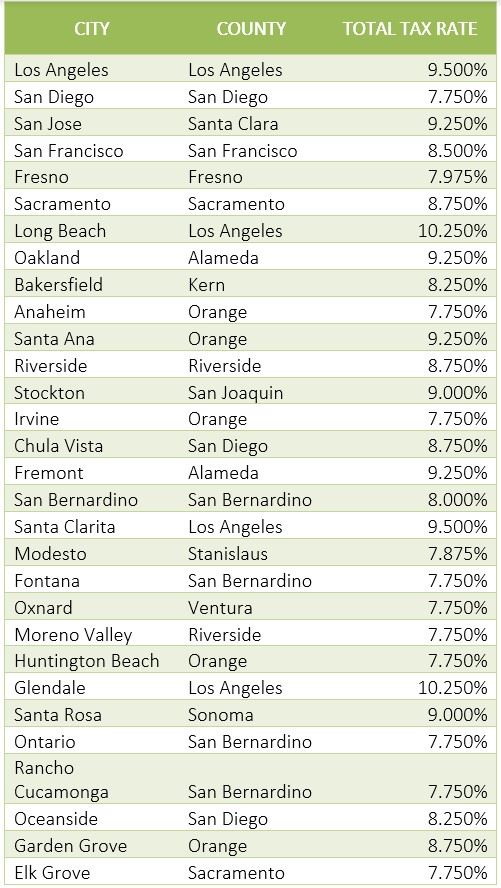
Beyond the state’s base rate, virtually every city and county in California imposes additional district sales taxes. These local taxes vary considerably, ranging from an extra 0.10% to more than 2%. For example, residents in San Francisco might face a higher combined sales tax rate than those in a less densely populated county. These district taxes are typically levied to fund local services such as transportation infrastructure, public safety, or specific community projects. The location where the vehicle is registered—not necessarily where it’s purchased—determines which district taxes apply. This nuance is crucial for lifestyle planners who might consider purchasing a vehicle in a neighboring county with a lower sales tax rate, only to find the higher rate of their home county still applies upon registration.
How It Applies to Vehicle Purchases
When you purchase a vehicle, the sales tax is generally calculated on the total sales price of the car. This includes any accessories or add-ons included in the purchase price, but typically excludes separately stated documentation fees, license fees, and registration fees. Understanding what exactly constitutes the “sales price” for tax purposes is vital for accurate budgeting and preventing unexpected costs that could disrupt your lifestyle plans. For a family planning a road trip across the state, unexpected costs on their vehicle purchase could eat into their travel budget.
Calculating Your Car’s Sales Tax in California
The calculation of sales tax on a car in California isn’t always straightforward. It depends on several factors, including whether the car is new or used, whether it’s purchased from a dealer or a private party, and the actual value attributed to the vehicle. For anyone integrating car ownership into their lifestyle, clarity on these calculations helps in setting realistic financial expectations.
New vs. Used Cars
The sales tax applies equally to both new and used vehicles in California. There is no differential rate based on the age or mileage of the car. The key factor remains the sale price. However, the value of a used car can be more subjective than a new one, potentially leading to different tax implications if not carefully managed. When considering a used car for budget travel or as a cost-effective family vehicle, ensuring the declared sales price accurately reflects the transaction is key.
Purchase Price vs. Fair Market Value
For vehicles purchased from a licensed dealer, the sales tax is calculated on the agreed-upon purchase price. However, for private party sales, particularly those involving family members or situations where the stated price is unusually low, the California Department of Motor Vehicles (DMV) may assess the sales tax based on the vehicle’s fair market value. This is a measure to prevent tax evasion through artificially deflated sales prices. The DMV uses valuation guides to determine fair market value, and if your stated purchase price is significantly lower, you might be challenged. This can significantly impact your budget if you’ve planned your lifestyle around a specific, low-cost private purchase.
Dealer vs. Private Party Sales
When buying from a licensed dealer, the dealer is responsible for collecting the sales tax from you and remitting it to the state. They will typically include this in your purchase agreement and handle all the paperwork. This simplifies the process for the buyer, who just needs to ensure the sales tax is properly accounted for in their financing. For private party sales, however, the buyer is responsible for paying the sales tax directly to the California Department of Motor Vehicles (DMV) when registering the vehicle. This often catches buyers off guard, as they may only budget for the purchase price and not the additional tax liability, which can be a significant setback for their immediate lifestyle and travel plans.
Common Scenarios and Exemptions Affecting Your Lifestyle
While sales tax is broadly applied, there are specific situations and exemptions that can affect the total amount you pay, offering potential savings that can be redirected towards other lifestyle choices, such as a longer vacation or investments in personal development.
Out-of-State Purchases and Use Tax
If you purchase a car outside of California and bring it into the state for use, you will generally be subject to California’s use tax. The use tax rate is the same as the sales tax rate—the statewide rate plus applicable local district taxes based on your California residence. There’s an important caveat: if you paid sales tax in the state where you purchased the car, California might offer a credit for that tax, provided the other state’s sales tax rate was lower than California’s. You would then only pay the difference. If the other state’s tax was higher or equal, you typically wouldn’t owe additional use tax to California. This is crucial for people with a flexible lifestyle who might buy a car while living temporarily out of state and then move back to California.
Exemptions for Gifts and Family Transfers
Certain transfers of vehicles are exempt from sales tax. For instance, if a vehicle is gifted to you by a family member (parent, child, grandparent, grandchild, spouse, or domestic partner), you might be exempt from sales tax, provided there’s no money or other consideration exchanged. This can be a significant financial boon for young adults getting their first car or families managing their assets, freeing up funds for education, travel, or other lifestyle enhancements. It’s essential to follow the specific California Department of Motor Vehicles guidelines for these transfers to ensure eligibility.
Trade-ins and Tax Savings
When you trade in your old vehicle to a dealer as part of a new car purchase, you only pay sales tax on the difference between the new car’s price and the trade-in value. This effectively reduces your taxable amount and can lead to substantial savings. For example, if you buy a car for $30,000 and trade in a vehicle for $10,000, you only pay sales tax on $20,000. This is a highly advantageous aspect of California tax law for those looking to upgrade their vehicle, allowing them to reinvest savings into their lifestyle, whether it’s a more luxurious car model or enhancing their travel experiences.
Beyond Sales Tax: Other Costs of Car Ownership in California
While sales tax is a significant upfront cost, it’s just one component of the total financial outlay for car ownership in California. Understanding the full spectrum of fees is vital for comprehensive financial planning, directly influencing your ability to afford road trips, maintain your vehicle, and generally sustain your desired lifestyle.
Registration Fees
Every vehicle driven on California roads must be registered annually with the California Department of Motor Vehicles. The base registration fee is a fixed amount, but additional fees can apply based on the vehicle’s characteristics and your county of residence.
License Plate Fees
These are typically part of the annual registration renewal and cover the cost of maintaining the state’s license plate system.
Smog Impact Fee
If you are registering an out-of-state vehicle in California that is less than four model years old and was not originally manufactured to California emissions standards, you may be required to pay a Smog Impact Fee. This fee underscores California’s commitment to environmental protection, a key aspect of the state’s lifestyle and public health initiatives.
Vehicle License Fee (VLF)
The VLF is an annual fee paid in lieu of personal property tax on vehicles and is based on a percentage of your vehicle’s market value. This fee decreases each year as your car depreciates. The revenue from the VLF is distributed to local governments for services.
Impact on Travel Budgets and Lifestyle Choices
Collectively, these fees, along with sales tax, represent a substantial ongoing cost of car ownership. For individuals and families who prioritize travel or specific leisure activities, accurately budgeting for these expenses ensures that car ownership remains sustainable without compromising other aspects of their desired lifestyle. Failing to account for these costs can quickly diminish funds allocated for weekend getaways, long-distance family trips, or even daily commuting expenses, impacting overall quality of life.
Strategic Financial Planning for California Car Buyers
Making an informed decision when buying a car in California goes beyond just picking the right model; it’s about smart financial planning that supports your lifestyle. Understanding the sales tax and associated fees upfront empowers you to budget effectively, choose wisely, and enjoy the freedoms that car ownership offers in this vast and diverse state.
Budgeting for the Total Cost
Always budget for the total cost of car ownership, which includes the purchase price, sales tax, registration and licensing fees, insurance, and ongoing maintenance. Creating a comprehensive financial plan prevents surprises and ensures that your vehicle choice aligns with your long-term lifestyle and financial goals, whether that involves frequent road trips, daily city driving, or a mix of both.
Lease vs. Buy Decisions
The decision to lease or buy also has different tax implications. When leasing a vehicle in California, you generally pay sales tax on the monthly lease payments, rather than the full purchase price upfront. This can provide cash flow advantages for certain lifestyles, allowing for lower initial out-of-pocket expenses and potentially more frequent vehicle upgrades. However, it’s vital to compare the total cost over the lease term against a purchase, considering your driving habits and long-term needs.
The Long-Term Lifestyle Impact
Ultimately, the sales tax on cars in California is a critical component of a larger financial picture. By diligently understanding and planning for this and other associated costs, individuals and families can make decisions that enhance their chosen lifestyle, allowing them to explore California’s wonders, maintain their independence, and achieve their financial aspirations without undue stress. A well-planned car purchase ensures that the freedom of the open road remains an accessible and enjoyable part of your California lifestyle.
LifeOutOfTheBox is a participant in the Amazon Services LLC Associates Program, an affiliate advertising program designed to provide a means for sites to earn advertising fees by advertising and linking to Amazon.com. Amazon, the Amazon logo, AmazonSupply, and the AmazonSupply logo are trademarks of Amazon.com, Inc. or its affiliates. As an Amazon Associate we earn affiliate commissions from qualifying purchases.