
Understanding the nuances of local traffic laws is paramount for any traveler, especially for motorcyclists eager to explore new destinations. When planning a motorcycle trip to the stunning landscapes of Colorado or simply navigating its urban centers, a common question arises among riders: “Can you lane split in Colorado?” The answer, while seemingly straightforward, carries significant implications for safety, legality, and the overall riding experience in the Centennial State.
The Practice of Lane Splitting: An Overview
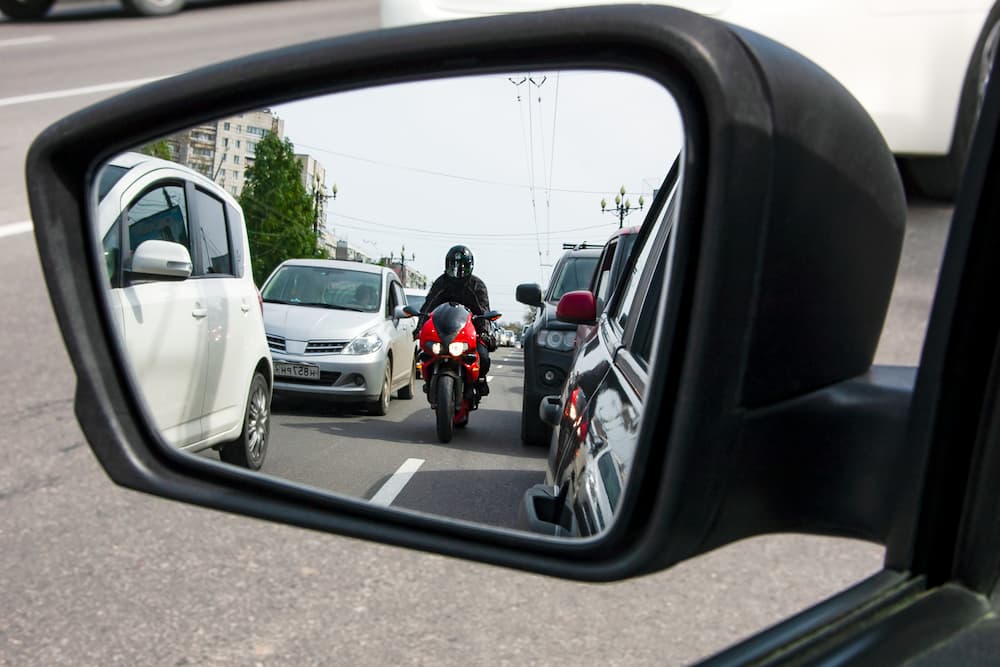
Lane splitting, also known as filtering or white-lining, is the practice of a motorcyclist riding between lanes of slow-moving or stopped traffic. Proponents often cite several benefits, including reduced traffic congestion, decreased risk of rear-end collisions for motorcyclists, and improved fuel efficiency. By moving through gridlock, motorcyclists can escape the heat of idling engines and avoid becoming targets in stop-and-go traffic, where they are particularly vulnerable. However, critics argue it can be dangerous, lead to road rage, and is difficult for other drivers to anticipate, especially in jurisdictions where it is not a common practice.

Globally, the legality of lane splitting varies widely. Many countries in Europe and Asia permit it, often with specific conditions regarding speed and traffic flow. In the United States, the situation is more fragmented, with each state having the autonomy to set its own rules. California was the first state to officially legalize and define lane splitting, allowing motorcycles to pass between lanes of traffic moving in the same direction, provided it is done safely. This variance creates a patchwork of regulations that can be confusing for riders traveling across state lines, making it crucial to research the specific laws of any state before riding there.
The Legal Landscape for Motorcyclists in Colorado
For motorcyclists visiting or residing in Colorado, the law regarding lane splitting is clear and, for many, restrictive.
Current Laws and Regulations
As of the most recent legislative updates, lane splitting is not legal in Colorado. Colorado Revised Statute § 42-4-1502(2) specifically prohibits motorcycles from occupying the same lane as another vehicle. This means a motorcyclist cannot legally ride between two lanes of traffic or between a vehicle and the shoulder or curb, even if traffic is stopped or moving slowly. The intent behind this law is largely focused on safety, aiming to prevent potential collisions that could arise from unexpected maneuvers by motorcyclists or other drivers.
Over the years, there have been several legislative attempts to introduce or legalize some form of lane filtering or splitting in Colorado. These proposals often sought to permit lane filtering at low speeds (e.g., under 15 mph) when traffic is stopped or moving slowly, similar to laws adopted in some other states. The arguments for these proposals typically highlighted safety benefits for riders, particularly at intersections where motorcycles are at higher risk of being rear-ended, and the potential to alleviate traffic congestion. However, none of these bills have successfully passed into law. Lawmakers and public opinion have consistently grappled with concerns over rider safety, the potential for increased accidents, and the public’s understanding and acceptance of such a change. Therefore, for now, motorcyclists must adhere to the current law: riding within a single lane, much like any other vehicle.
Penalties and Consequences of Illegal Lane Splitting
Riders who choose to lane split in Colorado face specific legal consequences. Being cited for illegal lane splitting typically results in a traffic infraction. This can lead to fines, which vary depending on the specific circumstances and jurisdiction within Colorado. In addition to monetary penalties, a conviction can add points to a rider’s license, potentially affecting insurance premiums and, if accumulated, leading to license suspension.
Beyond the legal ramifications, the safety risks are paramount. Lane splitting in an environment where other drivers are not expecting it significantly increases the risk of an accident. Drivers in [Colorado](https://lifeoutofthebox.com/colorado] are accustomed to motorcycles occupying a full lane and may not check mirrors for a motorcycle attempting to pass between vehicles. This lack of awareness can lead to sudden lane changes or door openings by other drivers, creating dangerous situations for motorcyclists. Adhering to the law is not just about avoiding a ticket; it’s about minimizing risk on the road.

Navigating Colorado’s Roads: Alternatives and Best Practices for Motorcyclists
Given the illegality of lane splitting, motorcyclists in Colorado must adopt alternative strategies and best practices to ensure a safe and enjoyable riding experience.
Safe Riding Practices
Defensive riding is the cornerstone of motorcycle safety in any environment, but it’s especially critical in areas with strict anti-lane splitting laws. This means constantly scanning the road, anticipating potential hazards, and maintaining an appropriate following distance. Riders should assume they are invisible to other drivers and actively work to make themselves seen through bright clothing, reflective gear, and strategic lane positioning. While lane splitting might seem like a way to escape congested areas, maintaining a safe space cushion around your motorcycle is even more vital when you are fully integrated into traffic flow. Always check blind spots before making any lane changes and signal clearly.
Traffic Congestion in Colorado Cities
Cities like Denver, Boulder, and Colorado Springs can experience significant traffic congestion, particularly during peak commuting hours. For motorcyclists, this can be frustrating. Instead of attempting to lane split, which is illegal, consider planning routes to avoid known choke points or traveling during off-peak times. Utilize GPS applications that provide real-time traffic updates to find the least congested paths. If stuck in traffic, maintain a safe distance from the vehicle ahead, stay alert for sudden stops, and position your motorcycle to maximize visibility in rearview mirrors. Patience is a virtue on crowded Colorado roadways.
Enjoying Colorado’s Scenic Routes
Despite traffic challenges in urban areas, Colorado remains a premier destination for motorcyclists, offering some of the most breathtaking scenic routes in the United States. The state boasts an incredible diversity of landscapes, from high alpine passes to rolling plains. Riders can enjoy the thrill of winding roads through the Rocky Mountains without the need for lane splitting. Iconic routes such as the Peak to Peak Scenic Byway offer unparalleled views of towering peaks, dense forests, and charming mountain towns. Another unforgettable experience awaits on Independence Pass, which winds its way through stunning alpine tundra.
Focusing on these experiences, rather than bemoaning traffic laws, allows riders to fully immerse themselves in the adventure Colorado offers. Plan your rides to take advantage of the state’s natural beauty, incorporating stops at local attractions, diners, and scenic overlooks. Embrace the journey, the open road, and the spirit of exploration that defines motorcycling in this magnificent state.
The Future of Lane Splitting in Colorado
The debate over lane splitting in Colorado is not static. Advocates for motorcyclist rights continue to champion changes to the law, citing safety benefits and lessons learned from states where lane splitting or filtering is permitted.
Ongoing Discussions and Advocacy
Organizations like ABATE of Colorado (American Bikers Aiming Toward Education) actively engage with state legislators and the public to promote motorcycle safety and advocate for riders’ rights, which includes periodically pushing for changes to lane splitting laws. These efforts often involve presenting data from other states, sharing personal testimonies, and addressing common misconceptions about the practice. The hope is that with ongoing education and a deeper understanding of motorcycle dynamics, Colorado may one day revisit its stance on lane splitting.
Lessons from Other States
The experiences of states like California, which has decades of data and established guidelines for lane splitting, provide valuable insights. Studies from California have often indicated that lane splitting, when done safely and under specific conditions (e.g., at low speeds and in congested traffic), can actually be safer than remaining stationary between cars, as it reduces exposure to rear-end collisions. Other states, such as Utah and Arizona, have also passed laws allowing lane filtering under limited circumstances, typically when traffic is stopped or moving very slowly. These models could potentially serve as blueprints for future legislative proposals in Colorado, should the political and social climate become more receptive.
What Riders Should Do
For now, the most responsible course of action for any motorcyclist in Colorado is to adhere strictly to the current laws. Staying informed about legislative developments is important, as laws can change. Riders can support advocacy groups working towards sensible changes to motorcycle laws. However, until a change is officially enacted, compliance is key. By riding safely, respectfully, and within the bounds of the law, motorcyclists contribute positively to the riding community and help foster a better understanding and acceptance of motorcycles on Colorado’s roads. Enjoy the unparalleled beauty and thrilling rides Colorado has to offer, always with safety and legality as your top priorities.
LifeOutOfTheBox is a participant in the Amazon Services LLC Associates Program, an affiliate advertising program designed to provide a means for sites to earn advertising fees by advertising and linking to Amazon.com. Amazon, the Amazon logo, AmazonSupply, and the AmazonSupply logo are trademarks of Amazon.com, Inc. or its affiliates. As an Amazon Associate we earn affiliate commissions from qualifying purchases.