
The allure of the open road, the hum of the engine, and the promise of discovery draw countless motorcycle enthusiasts to destinations across the globe. Texas, with its immense size and diverse landscapes, stands as a prime candidate for an unforgettable two-wheeled adventure. From the rugged beauty of the desert plains to the vibrant urban sprawls and the serene Hill Country, the Lone Star State offers a rich tapestry of experiences for travelers. However, navigating its expansive highways and bustling city streets requires a clear understanding of local traffic laws, particularly a frequently debated topic among riders: lane splitting.
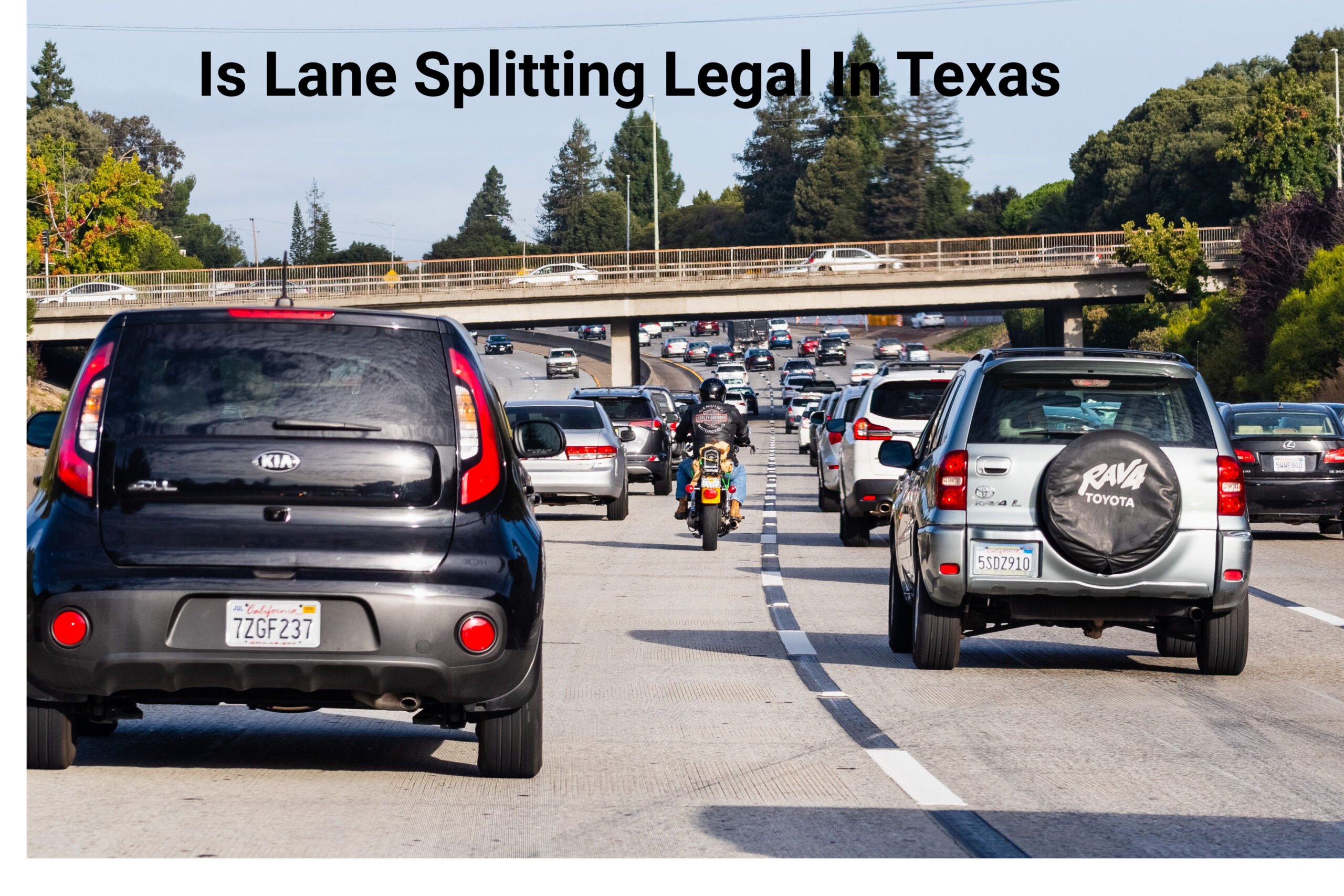
Lane splitting, often referred to as filtering, involves a motorcyclist riding between two lanes of stopped or slow-moving traffic. Proponents argue it enhances safety by allowing riders to escape dangerous rear-end collision scenarios in congested traffic and reduces overall congestion. Opponents typically raise concerns about rider safety, driver awareness, and potential aggressive riding. Given its controversial nature, the legality of lane splitting varies significantly from one state to another across the United States. So, for those planning a grand motorcycle tour or a quick weekend getaway through Texas, the crucial question is: Can you lane split in Texas?
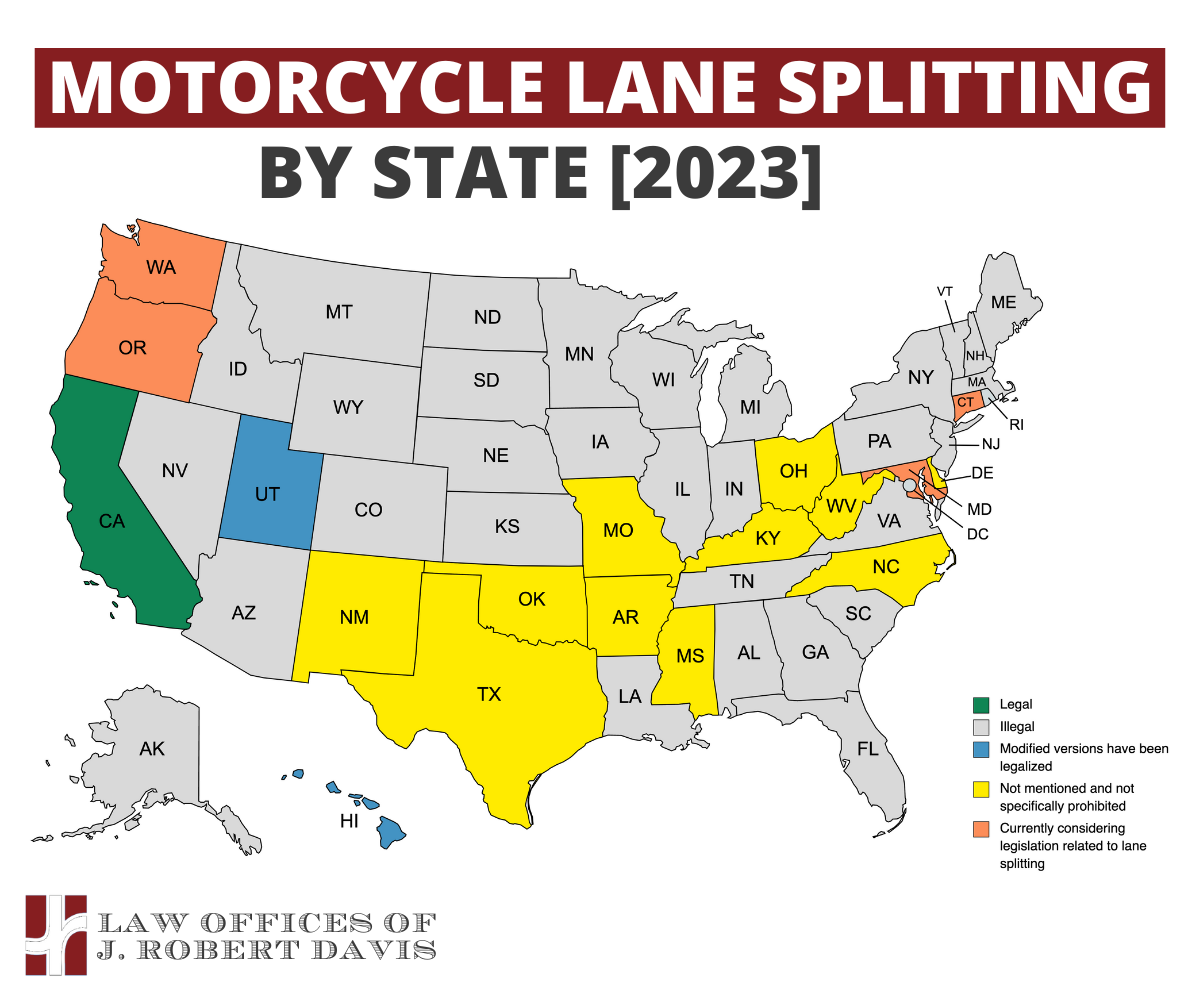
The straightforward answer is that lane splitting is generally illegal in Texas. This guide will delve into the specifics of this law, explore the rationale behind it, and offer comprehensive advice for motorcyclists and travelers to ensure a safe, enjoyable, and compliant journey through the heart of Texas, connecting road safety with broader tourism, accommodation, and lifestyle considerations.
The Legal Landscape: Understanding Texas Lane Splitting Laws
For any traveler, especially those exploring by motorcycle, a firm grasp of local traffic regulations is non-negotiable. Understanding Texas’s stance on lane splitting is crucial for both legal compliance and personal safety, impacting how riders navigate everything from scenic routes to urban exploration.
What Is Lane Splitting?
Lane splitting is the practice of a motorcyclist riding between lanes of vehicular traffic moving in the same direction. This can occur when traffic is either stopped or moving at a reduced speed, often during heavy congestion. Filtering, a closely related term, specifically refers to moving to the front of a traffic queue at a stop light or intersection. The primary motivations for riders to engage in these practices include reducing travel time, mitigating exposure to rear-end collisions, and, for some, enjoying a perceived efficiency in congested environments. The legality of such maneuvers is a complex issue, often determined by state-specific traffic codes and public safety considerations.
Texas Law: A Clear Prohibition
In Texas, the law explicitly prohibits lane splitting. The Texas Transportation Code Chapter 545, Section 545.062, titled “Driving on Roadway Divided into Lanes,” mandates that vehicles, including motorcycles, must remain within a single lane and not travel between two lanes of traffic. There are no specific provisions or exceptions allowing motorcycles to engage in lane splitting or filtering under any circumstances.
Violating this law can lead to citations for unsafe lane change, reckless driving, or other traffic infractions. Penalties typically involve fines and can result in points on a driver’s record, potentially affecting insurance rates. Beyond the legal consequences, the safety implications are significant. Drivers in Texas are generally not accustomed to motorcycles appearing between lanes, dramatically increasing the risk of accidents due to a lack of awareness, sudden lane changes by other vehicles, or even road rage incidents. For those exploring destinations like Houston, Dallas, or Austin, adhering to this prohibition is vital for a safe and trouble-free trip.
A National Perspective: Why Texas Stands Apart
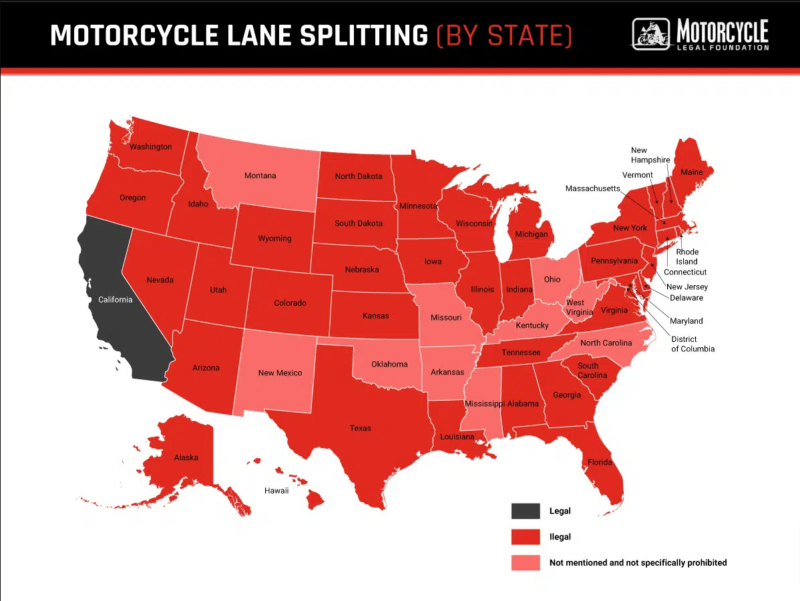
The differing approaches to lane splitting across the United States highlight a broader debate on motorcycle safety and traffic management. California was the first state to officially legalize lane splitting, codifying specific rules regarding speed differentials and traffic conditions. Other states have since followed suit or are considering similar legislation, often citing studies suggesting potential safety benefits under controlled conditions and improved traffic flow.
However, many states, including Texas, maintain a prohibition. Lawmakers frequently express concerns about driver vigilance, the increased potential for collisions, and the practical challenges of enforcing precise guidelines in varied traffic environments. The vast and diverse road network of Texas, from rural highways to dense urban interstates, influences its legislative stance, prioritizing clear and consistent rules for all road users. For visitors, this means planning routes and travel times with conventional traffic patterns in mind, rather than expecting to bypass congestion via lane splitting.
Motorcycle Adventures in the Lone Star State
Despite the lane splitting prohibition, Texas remains an extraordinary destination for motorcycle travelers. Its diverse geography, rich history, and vibrant culture offer an unparalleled backdrop for exhilarating road trips and immersive travel experiences, appealing to those seeking luxury travel or budget-friendly explorations.
Iconic Rides and Must-See Destinations
Texas boasts some of the most iconic motorcycle routes in the country. The “Three Twisted Sisters” (Ranch Roads 335, 336, and 337) in the Hill Country provide an exhilarating ride with challenging curves and stunning vistas, an absolute must for any rider. This region also offers charming small towns, local vineyards, and unique cultural experiences, perfect for integrating local tourism into your journey. Further west, the vast landscapes surrounding Big Bend National Park and Guadalupe Mountains National Park present dramatic desert scenery, remote roads, and unparalleled stargazing opportunities – truly unique attractions.
Coastal rides along the Gulf of Mexico offer a different flavor, with refreshing sea breezes and access to historic beach towns like Galveston. Even within urban areas, routes leading to landmarks such as The Alamo in San Antonio or scenic parkways near Austin offer diverse riding experiences. Planning your trip around these destinations and attractions ensures a travel itinerary rich in experience, whether you’re charting a comprehensive guide or a spontaneous adventure.
Practical Tips for a Smooth Ride
Given the legal context, meticulous planning and a steadfast commitment to safety are paramount for motorcyclists in Texas.
- Gear Up Properly: Always wear appropriate personal protective equipment (PPE), including a DOT-approved helmet (required for riders under 21), a riding jacket, gloves, and sturdy footwear. High-visibility gear is highly recommended.
- Practice Defensive Riding: Assume other drivers may not see you. Maintain ample following distances, especially in traffic, as you cannot split lanes. Constantly scan your surroundings for potential hazards.
- Enhance Visibility: Use your headlights at all times, wear bright clothing, and utilize reflective materials, particularly when riding at dawn, dusk, or night.
- Route Planning and Traffic Awareness: Utilize GPS applications with real-time traffic updates to plan routes and avoid peak congestion, especially when entering or exiting major cities like Houston or Dallas. Consider scheduling travel during off-peak hours.
- Motorcycle Maintenance: Perform thorough pre-ride checks on tires, brakes, lights, fluids, and chain. A well-maintained motorcycle is a safer motorcycle.
- Stay Hydrated and Rested: Texas can experience extreme temperatures. Stay well-hydrated, take frequent breaks, and ensure you are adequately rested to combat fatigue, particularly on long-distance trips.
By integrating these practicalities, riders can ensure a safe, legal, and truly enjoyable journey through Texas, maximizing their travel experiences without compromising safety.
Navigating Texas Cities and Accommodations
Successfully navigating Texas on a motorcycle involves more than just understanding traffic laws; it’s also about effective urban navigation, securing suitable accommodation, and fully embracing the local lifestyle. This ensures a holistic travel experience, whether you’re after luxury resorts or budget-friendly apartments.
Urban Riding Strategies
Texas’s major cities – Austin, Dallas, Houston, and San Antonio – are vibrant hubs of culture, cuisine, and attractions. However, they are also prone to significant traffic congestion. Since lane splitting is prohibited, motorcyclists must adapt their strategies.
- Avoid Rush Hour: Plan city entries and exits to avoid peak commuting times (typically 7-9 AM and 4-6 PM on weekdays). This is crucial for navigating extensive freeway systems, such as those around the NASA Johnson Space Center in Houston.
- Utilize Parking Wisely: Look for designated motorcycle parking, which may be more readily available or affordably priced than car parking. Always verify signage for specific regulations and fees. When exploring areas like San Antonio’s Riverwalk or downtown Austin, consider parking your bike and exploring on foot to fully absorb the local atmosphere.
- Consider Alternatives for City Exploration: For evenings out or in particularly dense urban cores, consider leaving your motorcycle at your accommodation and using ride-sharing services or local public transit. This allows you to relax and enjoy the city’s food, live music, and attractions without the stress of parking or responsible riding concerns.
Finding the Perfect Stay
Motorcycle travel in Texas offers a vast array of accommodation options. From luxury resorts to cozy boutique hotels, family-friendly suites, and budget motels, there’s something for every traveler.
- Motorcycle-Friendly Amenities: When booking hotels or resorts, inquire about secure and preferably covered parking for your motorcycle. Some establishments cater specifically to riders, offering amenities like wash stations or even small tool kits. Websites like
lifeoutofthebox.comprovide valuable reviews and comparison tools to help you find suitable options for your long-term stay or short visit. - Advance Booking: Especially during popular events or peak seasons, securing your preferred accommodation – whether a suite, an apartment, or a villa – well in advance is highly recommended to guarantee availability and often better rates.
- Diverse Choices: Texas offers a spectrum of lodging, from rustic cabins near state parks for budget travel to opulent hotels in Dallas or Houston for a luxury travel experience. Tailor your choice to your trip’s style and needs, whether it’s a solo adventure, a romantic getaway, or family trips.
Prioritizing Safety and Enjoying Your Journey
While the thrill of motorcycle travel is undeniable, safety must always be the highest priority. Understanding the inherent dangers of specific riding practices and adopting a proactive approach to safety ensures your Texas adventure is memorable for all the right reasons.
The Risks of Illegal Lane Splitting
The primary reason Texas law prohibits lane splitting is the significant safety risks involved. When a motorcyclist attempts to ride between lanes of traffic, several dangers arise: reduced driver awareness, limited escape routes, significant speed differentials, potential for road rage, and unpredictable lane widths or road conditions. These factors combine to create a high-risk environment, increasing the likelihood of collisions, severe injuries, or fatalities. By adhering to the law and refraining from lane splitting, riders dramatically reduce their exposure to these preventable dangers.
Embrace the Texas Travel Experience
Beyond strict adherence to traffic laws, a holistic approach to travel safety and enjoyment will define your Texas journey. Immerse yourself in the rich local culture: savor authentic Texas BBQ and Tex-Mex cuisine, explore the vibrant live music scene in Austin, and visit historical landmarks like The Alamo. Take breaks from riding to enjoy outdoor activities in state parks or explore charming small towns. Continuous rider education, meticulous equipment checks, and vigilance regarding weather conditions are also crucial. By prioritizing these elements, your Texas motorcycle trip will be an unforgettable exploration of destinations, attractions, and unique experiences.
Conclusion: Riding Responsibly, Exploring Texas
To reiterate, “Can you lane split in Texas?” is answered with a firm no. Texas law prohibits this practice, emphasizing rider safety and the orderly flow of traffic. While the temptation to bypass congestion might exist, adhering to the legal framework is essential for a safer and more enjoyable journey for every road user.
For motorcycle enthusiasts, Texas remains an extraordinary travel destination. The state offers an unparalleled diversity of landscapes, from the challenging routes of the Hill Country to the majestic beauty of Big Bend National Park, and the dynamic urban centers of Austin, Dallas, Houston, and San Antonio. The rich culture, delectable cuisine, and myriad attractions provide endless opportunities for exploration, whether you’re seeking luxury accommodations or budget-friendly stays.
By embracing responsible riding practices, carefully planning your routes, prioritizing safety, and immersing yourself in the local lifestyle, your motorcycle adventure through the Lone Star State will be nothing short of spectacular. Focus on the vast open roads, the stunning scenery, the welcoming communities, and the unique travel experiences that await. Texas is a state that generously rewards the prepared and respectful traveler, offering memories that will last a lifetime, all without the need to split lanes. So, gear up, plan your itinerary, and prepare to discover the true spirit of Texas on two wheels.
LifeOutOfTheBox is a participant in the Amazon Services LLC Associates Program, an affiliate advertising program designed to provide a means for sites to earn advertising fees by advertising and linking to Amazon.com. Amazon, the Amazon logo, AmazonSupply, and the AmazonSupply logo are trademarks of Amazon.com, Inc. or its affiliates. As an Amazon Associate we earn affiliate commissions from qualifying purchases.