
Venturing into the Golden State, whether for a sun-drenched getaway, a thrilling urban adventure, or a new chapter of life, brings with it a vibrant tapestry of experiences. From the iconic beaches of Malibu and Santa Monica to the towering redwoods of Northern California and the bustling metropolises of Los Angeles and San Francisco, California promises a unique blend of natural beauty, cultural richness, and cutting-edge innovation. However, for those pondering the question of gun ownership or traveling with firearms within its borders, California’s reputation for having some of the most stringent gun laws in the United States is a crucial consideration.

This article aims to unravel the complexities surrounding gun ownership in California, not as a legal treatise, but through the lens of travel, tourism, accommodation, and lifestyle. Understanding these regulations is paramount for anyone planning a trip or considering residency, ensuring both compliance with the law and a seamless experience in a state that prides itself on its distinct approach to public safety and visitor enjoyment. While the ability to own a gun technically exists, it is heavily regulated and comes with significant restrictions that impact everything from transportation to where you can stay and what activities you can partake in.
Navigating California’s Gun Laws: What Travelers and Residents Need to Know
California’s gun laws are designed to be comprehensive and restrictive, aiming to enhance public safety across its diverse landscapes and crowded urban centers. For both visitors and prospective residents, a foundational understanding of these regulations is essential to avoid legal complications and ensure an enjoyable stay. The state’s approach impacts various facets of life, from recreational activities to daily commutes and choosing where to live or vacation.
General Overview of California Gun Regulations
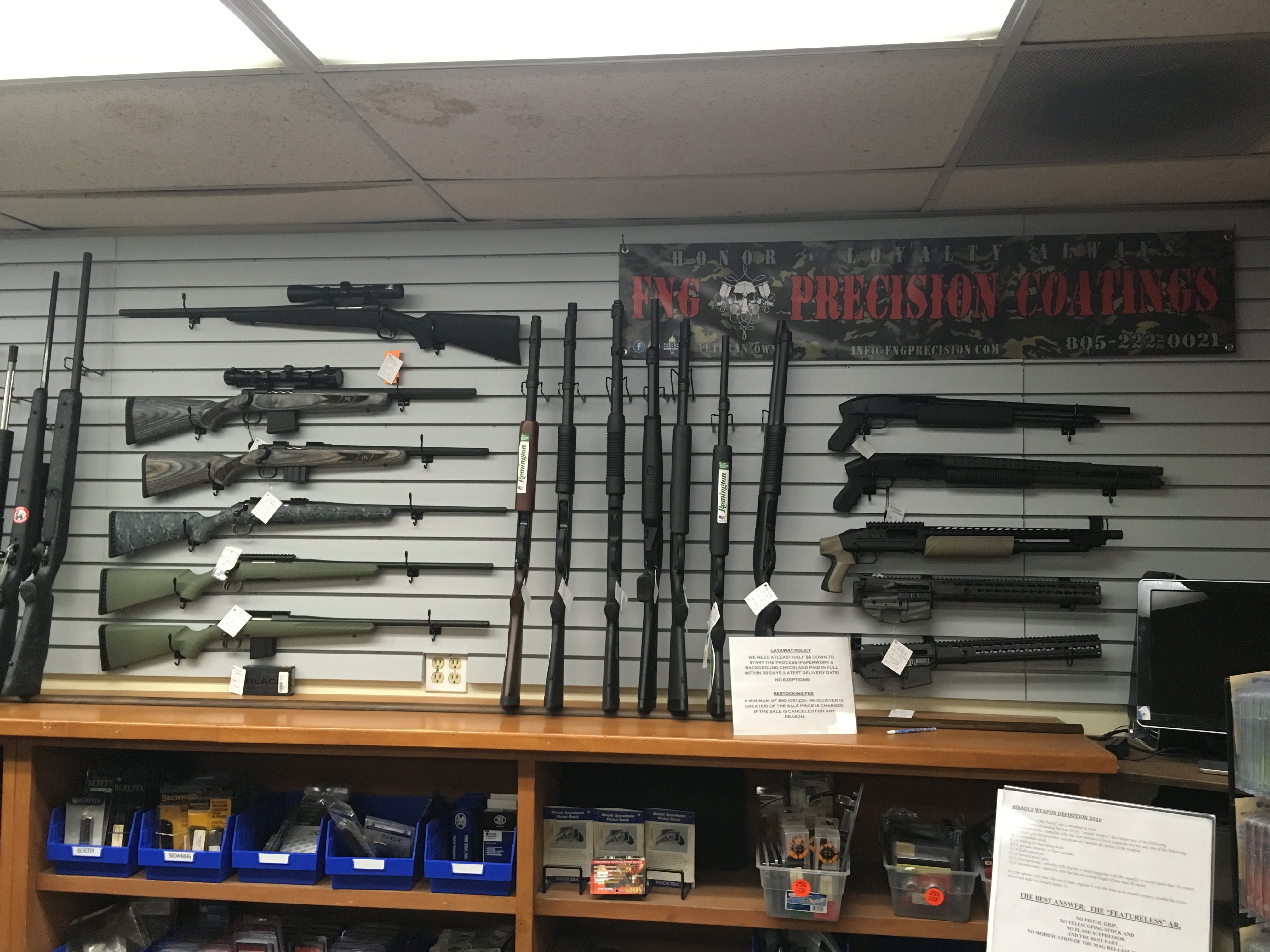
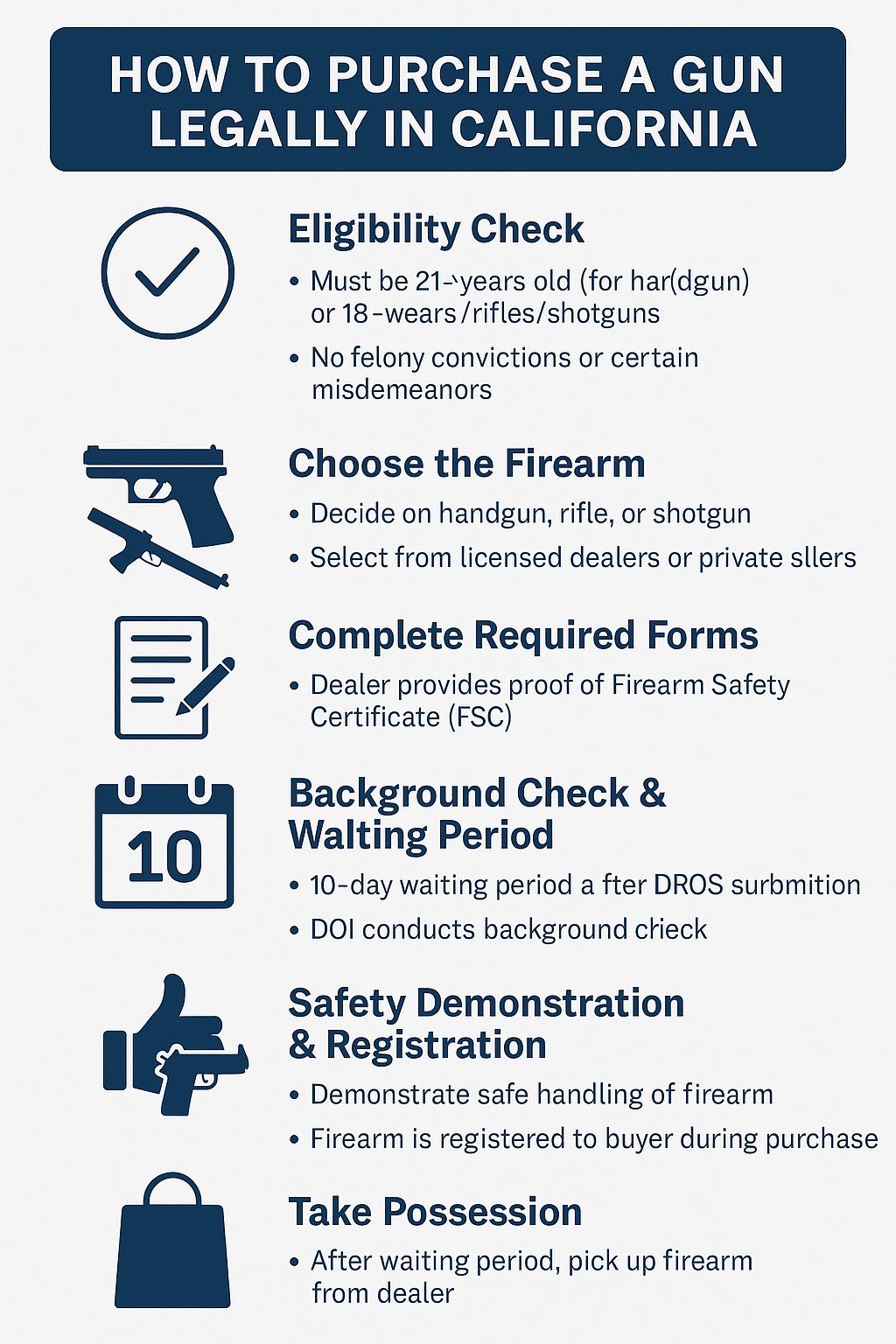
At its core, California prohibits many types of firearms commonly available in other states. This includes a robust ban on what are classified as “assault weapons,” which encompasses a wide range of semi-automatic rifles and shotguns, often based on features like pistol grips, adjustable stocks, and detachable magazines. High-capacity magazines, generally those holding more than 10 rounds, are also banned. All firearm sales, even private party transfers, must go through a licensed dealer, complete with comprehensive background checks and a mandatory waiting period, typically 10 days.
Furthermore, California requires many firearms to be registered with the state, and specific types, like handguns, must be approved by the California Department of Justice, meeting strict safety standards. The concept of “open carry” (carrying an unconcealed firearm in public) is largely prohibited for both loaded and unloaded firearms in most public spaces. “Concealed carry” (carrying a hidden firearm) is permitted only with a license issued by a local sheriff or police chief, which is notoriously difficult to obtain in most of the state’s major counties, often requiring a demonstrated “good cause” beyond self-defense. This strict framework profoundly influences the lifestyle within the state, encouraging a focus on other forms of personal security and public safety.
Impact on Visitors: Traveling with Firearms
For tourists planning to visit California with a firearm, the situation is particularly nuanced. Interstate transportation of firearms is governed by federal law (the Firearm Owners’ Protection Act, or FOPA), which allows individuals to transport unloaded, locked firearms through states where they are otherwise prohibited, provided they are traveling to a place where they can legally possess them. However, once you intend to stop, stay, or use the firearm in California, you are subject to state laws.
This means that firearms legal in your home state might be illegal in California. For instance, if you arrive with a firearm classified as an “assault weapon” under California law, you could face serious felony charges, even if it’s perfectly legal where you live. Tourists should also be aware of specific regulations regarding ammunition, particularly the ban on high-capacity magazines.
When transporting firearms within the state, they must be unloaded and stored in a locked container, separate from ammunition, and not readily accessible. This applies whether you’re driving to a shooting range outside San Diego or commuting from your Orange County hotel to a hunting ground. Public spaces, including theme parks like Disneyland in Anaheim or Universal Studios Hollywood in Los Angeles, are typically considered “gun-free zones” and prohibit firearms. Even many private businesses and accommodation providers, from boutique hotels in Napa Valley to luxury resorts in Beverly Hills, may have policies prohibiting firearms on their premises, which visitors must respect. Checking with your chosen hotel, such as the historic Hotel del Coronado or a modern Four Seasons Hotel San Francisco, regarding their firearm policy is always advisable to avoid any misunderstandings during your stay.
Implications for Residents: Moving to the Golden State
For individuals considering a move to California, understanding the gun laws is even more critical, as they will directly impact their lifestyle and rights. If you are relocating from another state, you cannot simply bring all your firearms with you. Any firearms that are illegal under California law, such as “assault weapons” or high-capacity magazines, must be left behind or legally disposed of before you establish residency. For legally owned firearms that are permissible in California, new residents are typically required to register them with the state within a specific timeframe after moving.
Purchasing firearms as a resident involves the same strict background checks and waiting periods as any other transaction. Furthermore, responsible storage is heavily emphasized, with laws often requiring firearms to be stored unloaded in a locked container or disabled with a trigger lock, especially if minors or prohibited persons reside in the home. These regulations shape the daily lives of residents, influencing everything from home security choices in San Jose to recreational activities in Riverside. The focus is strongly on preventing accidental shootings and reducing gun violence, which in turn contributes to the state’s overall safety profile, a significant draw for many new residents and families.
Ensuring a Smooth Trip: Gun Laws and Your California Itinerary
California’s strict gun laws are an integral part of its public safety landscape, influencing how both residents and visitors experience the state. When planning your itinerary, especially if firearms are a consideration, understanding where and how they are permitted, or more often prohibited, is key to a hassle-free and enjoyable journey through its diverse attractions.
Public Spaces and Prohibited Areas
The concept of “gun-free zones” is widespread in California. Firearms are generally prohibited in a multitude of public spaces, extending far beyond the obvious. This includes all federal, state, and local government buildings, courthouses, polling places, and schools (K-12 and university campuses). Airports, even within designated common areas, strictly prohibit firearms unless they are properly declared, unloaded, and cased for transport as checked luggage, adhering to both federal and airline regulations.
Furthermore, many private establishments in popular tourist destinations actively enforce gun prohibitions. Imagine strolling through Fisherman’s Wharf in San Francisco, exploring the museums in Balboa Park in San Diego, or enjoying the vibrant nightlife in West Hollywood. In these and countless other locations, businesses often display signs prohibiting firearms, and individuals failing to comply could face trespassing charges or other legal consequences. Even nature preserves and state parks, while offering vast recreational opportunities, have specific rules regarding firearms. Understanding these boundaries is critical to enjoying California’s landmarks and attractions without incident.
Transportation and Accommodation Considerations
Transporting firearms within California requires meticulous attention to detail. Whether driving your own vehicle, using rental cars, or utilizing public transportation, firearms must be unloaded and encased in a locked container, separate from ammunition, and ideally out of immediate reach. This applies to handguns, rifles, and shotguns alike. This regulation is particularly relevant for those planning road trips along scenic routes like Highway 1 through Big Sur or exploring the desert landscapes of Death Valley National Park.
Accommodation providers, ranging from budget-friendly motels in Fresno to opulent resorts like the Ritz-Carlton, Laguna Niguel or Terranea Resort in Rancho Palos Verdes, typically have their own policies regarding firearms. While some may permit legally stored firearms in rooms, others strictly prohibit them anywhere on the property. It is highly recommended to contact your hotel or rental property directly before your arrival to understand their specific rules. Attempting to conceal a firearm in your luggage without prior knowledge of the hotel’s policy could lead to an uncomfortable situation, including potential eviction or legal issues, impacting your overall travel experience and reputation.
Recreational Shooting and Hunting in California
Despite its strict gun laws, California still offers opportunities for recreational shooting and hunting, albeit within a highly regulated framework. The state boasts numerous public and private shooting ranges where firearms can be legally used under controlled conditions. Many of these ranges are located near metropolitan areas like Oakland, Sacramento, and Long Beach, catering to enthusiasts and those seeking training.
Hunting is also a viable activity, managed by the California Department of Fish and Wildlife. Hunters must possess valid licenses and tags, adhere to specific hunting seasons, and strictly follow regulations regarding legal firearms, ammunition types, and hunting zones, which often include vast stretches of National Forests and Bureau of Land Management lands. However, even when participating in these legal activities, the general transportation and storage rules for firearms remain in effect. This structured approach allows for certain types of firearm-related recreation while maintaining a tight grip on public safety, balancing the interests of outdoor enthusiasts with the state’s broader regulatory philosophy.
Lifestyle Choices: Embracing California’s Unique Environment
Beyond the specific legalities, California’s approach to gun control significantly shapes its overall lifestyle, contributing to an environment that prioritizes outdoor activities, cultural experiences, and a perceived sense of public safety. For many, this unique environment is precisely what makes the state an attractive destination for travel and a desirable place to live.
The “California Vibe” and Safety
The “California vibe” is often associated with a relaxed, progressive, and health-conscious way of life. This ethos is reflected in its bustling cities where Chinatown in San Francisco thrives, and Hollywood in Los Angeles buzzes with entertainment, as well as in its tranquil natural settings like Yosemite National Park or the serene shores of Lake Tahoe. The strict gun laws are, for many residents and visitors, an integral part of this vibe, contributing to a sense of security in public spaces.
The emphasis on reducing gun violence allows communities to focus on other aspects of life: vibrant culinary scenes in San Francisco and Los Angeles, world-class museums like the Getty Center, and endless opportunities for outdoor adventures from surfing in Laguna Beach to hiking in Griffith Park near the Griffith Observatory. This lifestyle is largely predicated on an environment where the open presence of firearms is minimized, allowing people to feel more at ease in crowds, public parks, and tourist hotspots like Pier 39 or the Santa Monica Pier. The state’s tourism campaigns often subtly lean into this sense of safety and freedom to explore without constant concern over firearm presence.
Resources and Staying Informed
Given the complexity and frequent evolution of California’s gun laws, staying informed is paramount. For travelers, prior research can prevent significant headaches. Official state resources, such as the California Department of Justice website, provide the most accurate and up-to-date information regarding firearm regulations. Legal advice from a California-licensed attorney is always recommended for specific situations, especially for those considering a permanent move or bringing specialized firearms into the state.
Websites and forums dedicated to California travel and lifestyle can also offer practical tips from fellow travelers and residents on navigating the state’s unique environment. Understanding the legal landscape before you pack your bags or sign a lease in Sacramento allows you to make informed decisions that align with your travel plans, accommodation choices, and overall lifestyle expectations in the Golden State.
In conclusion, while the answer to “Can you own a gun in California?” is technically “yes,” the practical reality for both visitors and residents is one of extensive regulation and significant restrictions. The state’s stringent gun laws are deeply woven into its fabric, influencing everything from the safety protocols at Knott’s Berry Farm to the serene hiking trails of Muir Woods National Monument and the luxury amenities at a Waldorf Astoria Beverly Hills hotel. For a smooth and enjoyable experience in California, embracing and respecting these laws is not just a legal requirement but a pathway to fully appreciating the unique, vibrant, and largely safe environment the state strives to offer.
LifeOutOfTheBox is a participant in the Amazon Services LLC Associates Program, an affiliate advertising program designed to provide a means for sites to earn advertising fees by advertising and linking to Amazon.com. Amazon, the Amazon logo, AmazonSupply, and the AmazonSupply logo are trademarks of Amazon.com, Inc. or its affiliates. As an Amazon Associate we earn affiliate commissions from qualifying purchases.