
The allure of exotic pets is undeniable for some, conjuring images of unique companionship and a deviation from the ordinary. Among these, monkeys often capture the imagination, perhaps due to their perceived intelligence and human-like qualities. For residents or prospective residents of Florida, a state renowned for its diverse wildlife and sometimes lenient approaches to certain activities, the question “Can you own a monkey in Florida?” is more than a fleeting thought – it delves into a complex intersection of personal lifestyle choices, stringent regulations, ethical responsibilities, and significant practical considerations. This article explores the multifaceted answer to this intriguing question, firmly within the lifestyle context of exotic pet ownership in the Sunshine State.
Florida’s Stance on Exotic Pet Ownership
Florida has a reputation for its vibrant ecosystems, where alligators sunbathe in canals and tropical birds fill the air with song. This rich natural environment necessitates a robust framework for wildlife management, which extends to the ownership of exotic animals. The state’s approach is designed to protect both public safety and the welfare of the animals themselves, preventing the potential ecological harm that can arise from escaped or abandoned exotic species.
Defining Exotic Animals
Under Florida law, an “exotic animal” generally refers to any species of animal that is not indigenous to Florida and that falls under specific classifications regulated by the Florida Fish and Wildlife Conservation Commission (FWC). These classifications are critical as they dictate the level of permitting, experience, and caging requirements an individual must meet. Monkeys, being non-native and possessing specific biological and behavioral characteristics, fall squarely into the exotic animal category.
General Prohibitions and Restrictions
While the notion of owning a monkey might seem appealing, it’s crucial to understand that not all exotic animals are legal to own in Florida, and even for those that are, the process is far from straightforward. The FWC maintains strict regulations, often prohibiting the private ownership of animals deemed dangerous to the public, such as large felids (lions, tigers), bears, and certain venomous reptiles. For other exotic species, including various primates, ownership is possible but comes with significant hurdles designed to ensure responsible care and public safety. This reflects a lifestyle choice that demands extraordinary commitment and adherence to legal mandates.
Navigating the FWC Regulations for Primates
To legally own a monkey in Florida, aspiring owners must navigate a detailed regulatory landscape overseen by the FWC. The commission classifies wildlife into distinct categories, each with escalating requirements based on the perceived danger and complexity of care.
Classifications of Wildlife: A, B, and C
The FWC divides captive wildlife into three primary classes:
- Class I Wildlife: These are inherently dangerous animals that pose a significant threat to public safety (e.g., lions, tigers, bears, gorillas). Private ownership is generally prohibited, with very few exceptions for highly qualified individuals or institutions.
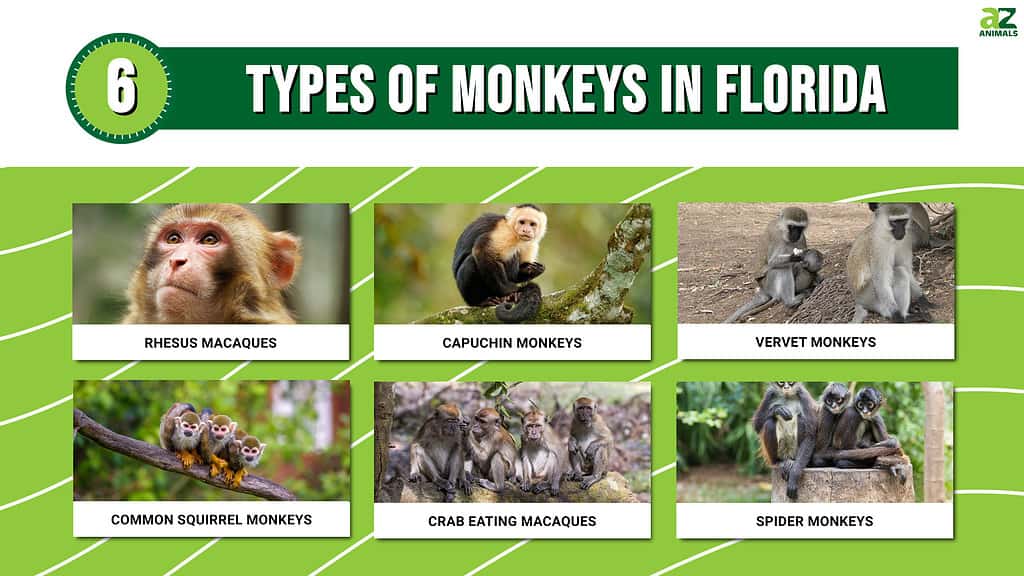
- Class II Wildlife: These animals can inflict serious injury but are not typically life-threatening (e.g., cougars, wolves, macaques, baboons). Ownership requires a permit, substantial experience, and specific caging requirements.
- Class III Wildlife: This category encompasses various species that can be maintained with reasonable care and without undue threat to public safety, but still require a permit. Many smaller monkey species fall into this class.
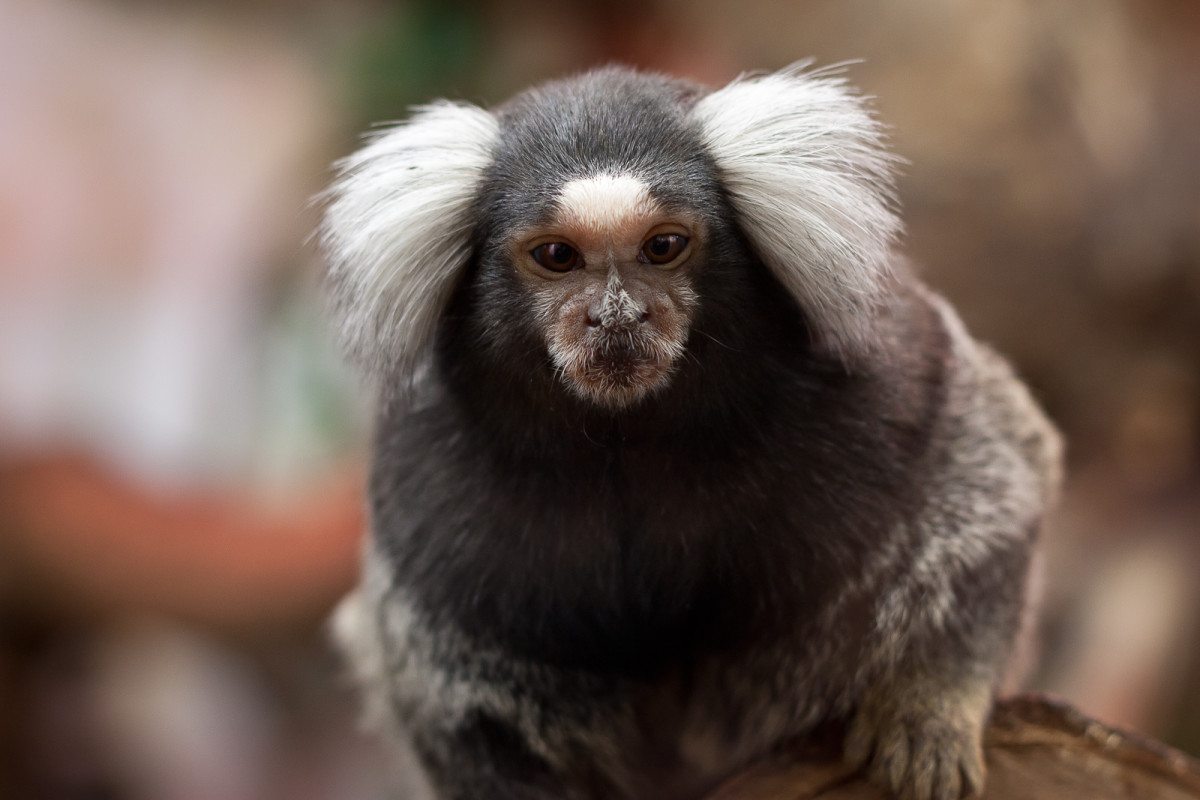
Monkeys typically fall into either Class II or Class III, depending on the species. For instance, smaller New World monkeys like marmosets and capuchins are usually Class III, while larger or more aggressive Old World monkeys like macaques or baboons are Class II. The distinction is critical as the requirements for Class II are far more rigorous.
Specific Requirements for Monkeys (Class III Wildlife)
For most individuals considering monkey ownership in Florida, they would be looking at Class III species. Even for these, the requirements are substantial and reflect a significant lifestyle alteration:
- Permit Application: Prospective owners must apply for a captive wildlife permit through the FWC. This involves detailed paperwork, background checks, and proof of legal acquisition of the animal.
- Experience Requirements: Applicants must demonstrate at least one year of substantial experience in the care, feeding, and handling of the specific species or a similar species. This isn’t merely having a pet dog; it implies direct, hands-on interaction and knowledge of primate needs.
- Caging Standards: The FWC mandates strict caging requirements that vary by species, but generally require secure, escape-proof enclosures of specific dimensions, materials, and features (e.g., climbing structures, environmental enrichment). These cages must be regularly inspected and maintained.
- Veterinary Care: Owners must have a plan for adequate veterinary care, including access to a veterinarian experienced with exotic primates. This can be a significant challenge and expense, as not all veterinarians are equipped or knowledgeable in primate medicine.
- Contingency Plans: Applicants often need to detail plans for emergency situations, such as escape protocols or what happens if the owner becomes incapacitated.
- Inspection: Before a permit is issued, FWC officers will inspect the proposed facility to ensure it meets all safety and welfare standards. This could involve multiple visits and adjustments.
The Application Process and Inspection
The application process is thorough and designed to filter out individuals who are not fully prepared for the commitment. It’s not a quick registration but a comprehensive review of the applicant’s experience, facilities, and understanding of the animal’s needs. The FWC prioritizes public safety and animal welfare, and permits are not granted lightly. Obtaining a permit signifies that the state believes the individual has demonstrated the capacity for responsible ownership, a cornerstone of a responsible lifestyle choice involving exotic animals.
The Complexities of Monkey Ownership
Beyond the legal hurdles, owning a monkey presents a myriad of practical, ethical, and lifestyle complexities that far exceed those of owning traditional pets like cats or dogs. These animals demand an extraordinary level of commitment and understanding.
Commitment: Time, Resources, and Longevity
Monkeys are incredibly long-lived, with some species living for 20-40 years or more. This means prospective owners must commit to decades of care, often for longer than many human relationships. They require daily, intensive interaction and enrichment to prevent behavioral issues. The financial outlay for specialized food, caging, veterinary care, and enrichment can be exorbitant, easily running into thousands of dollars annually. This is a profound lifestyle investment, not a casual adoption.
Specialized Care and Environment
Unlike domesticated animals, monkeys have not evolved to live in human homes. They require highly specialized diets, specific temperature and humidity ranges, and complex social structures. Depriving a monkey of a suitable environment or social interaction can lead to severe psychological distress, self-mutilation, and aggression. Owners must provide an environment that mimics their natural habitat as much as possible, including ample space for climbing, foraging, and mental stimulation.
Behavioral Challenges and Safety Concerns
Monkeys, even small ones, are not “pets” in the conventional sense. They are wild animals with instinctual behaviors that can be unpredictable and potentially dangerous. As they mature, they can become aggressive, especially males, due to hormonal changes. They bite, scratch, and throw feces. They also require constant supervision as they are intelligent and mischievous, capable of opening doors, manipulating objects, and causing significant damage to a household. These challenges pose safety risks not only to the owner but also to family members, visitors, and potentially the wider community if an escape occurs. Cities like Orlando, Miami, Tampa, or Jacksonville, with their dense populations, would face significant issues with an escaped primate.
Ethical and Welfare Implications
A critical lifestyle consideration is the ethical responsibility towards the animal. Many animal welfare organizations and primatologists argue that private ownership of monkeys is inherently unethical because it is virtually impossible to meet their complex physical, psychological, and social needs in a typical home environment. Confining a highly social, intelligent animal designed for a jungle or forest to a cage, even a large one, often results in chronic stress and abnormal behaviors. The desire for a unique pet must be weighed against the animal’s right to live a life free from suffering and in an environment conducive to its natural instincts. This is a profound ethical dilemma that anyone considering monkey ownership must confront.
Alternatives to Private Ownership
Given the immense challenges and ethical concerns associated with private monkey ownership, many individuals find that their desire to interact with these fascinating creatures can be fulfilled through more responsible and sustainable avenues.
Supporting Sanctuaries and Zoos
Instead of acquiring a monkey, consider supporting accredited animal sanctuaries and zoos that specialize in primate care. These facilities often provide large, naturalistic habitats, expert veterinary care, specialized diets, and crucial social groupings that are impossible to replicate in a private home. By donating, visiting, or advocating for these organizations, you contribute to the welfare of numerous primates, many of whom are rescues from illegal trade or failed pet situations. This offers a guilt-free way to appreciate and learn about monkeys.
Volunteer Opportunities
For those seeking hands-on experience, volunteering at a reputable primate sanctuary or an accredited zoo can offer invaluable insights into the daily care, feeding, and enrichment of monkeys without the lifelong commitment and ethical quandaries of ownership. This allows individuals to engage directly with these animals, learn from experts, and contribute meaningfully to their welfare, enriching their own lives through a different kind of lifestyle choice.
Concluding Thoughts: A Lifestyle Decision of Significant Magnitude
So, “Can you own a monkey in Florida?” The answer is yes, under very specific and demanding circumstances that few individuals can genuinely meet. It is not merely a question of legality but a profound lifestyle decision with far-reaching implications for both the prospective owner and the animal.
Rethinking Exotic Pet Desires
The initial fascination with owning a monkey often stems from a desire for something unique or a romanticized view of these animals. However, a deeper understanding reveals that a monkey is not a pet; it is a wild animal with complex needs that are almost impossible to fulfill in a domestic setting. The suffering of many privately owned primates, often leading to behavioral problems, neglect, and rehoming, serves as a stark reminder of this reality.

Prioritizing Animal Welfare
Ultimately, the decision to own an exotic animal like a monkey in Florida should hinge on prioritizing the animal’s welfare above personal desire. Responsible pet ownership means providing an environment where an animal can thrive, express natural behaviors, and live a healthy, stress-free life. For monkeys, this environment is overwhelmingly their natural habitat or, failing that, a highly specialized facility designed and managed by experts. For most people, the most ethical and humane lifestyle choice concerning monkeys is to appreciate them from afar, support their conservation, and ensure that their complex needs are met by those truly equipped to do so.
LifeOutOfTheBox is a participant in the Amazon Services LLC Associates Program, an affiliate advertising program designed to provide a means for sites to earn advertising fees by advertising and linking to Amazon.com. Amazon, the Amazon logo, AmazonSupply, and the AmazonSupply logo are trademarks of Amazon.com, Inc. or its affiliates. As an Amazon Associate we earn affiliate commissions from qualifying purchases.