
When planning your trip to the vibrant metropolis of Los Angeles, understanding its time zone is a crucial, yet often overlooked, detail. This sprawling Californian city, renowned for its Hollywood glamour, stunning beaches, and diverse cultural tapestry, operates on a specific timekeeping system that impacts everything from flight schedules and hotel bookings to your ability to catch that early morning surfing lesson or a late-night theatrical performance. Navigating the intricacies of time zones can prevent jet lag, ensure you don’t miss important appointments, and ultimately contribute to a smoother and more enjoyable travel experience.

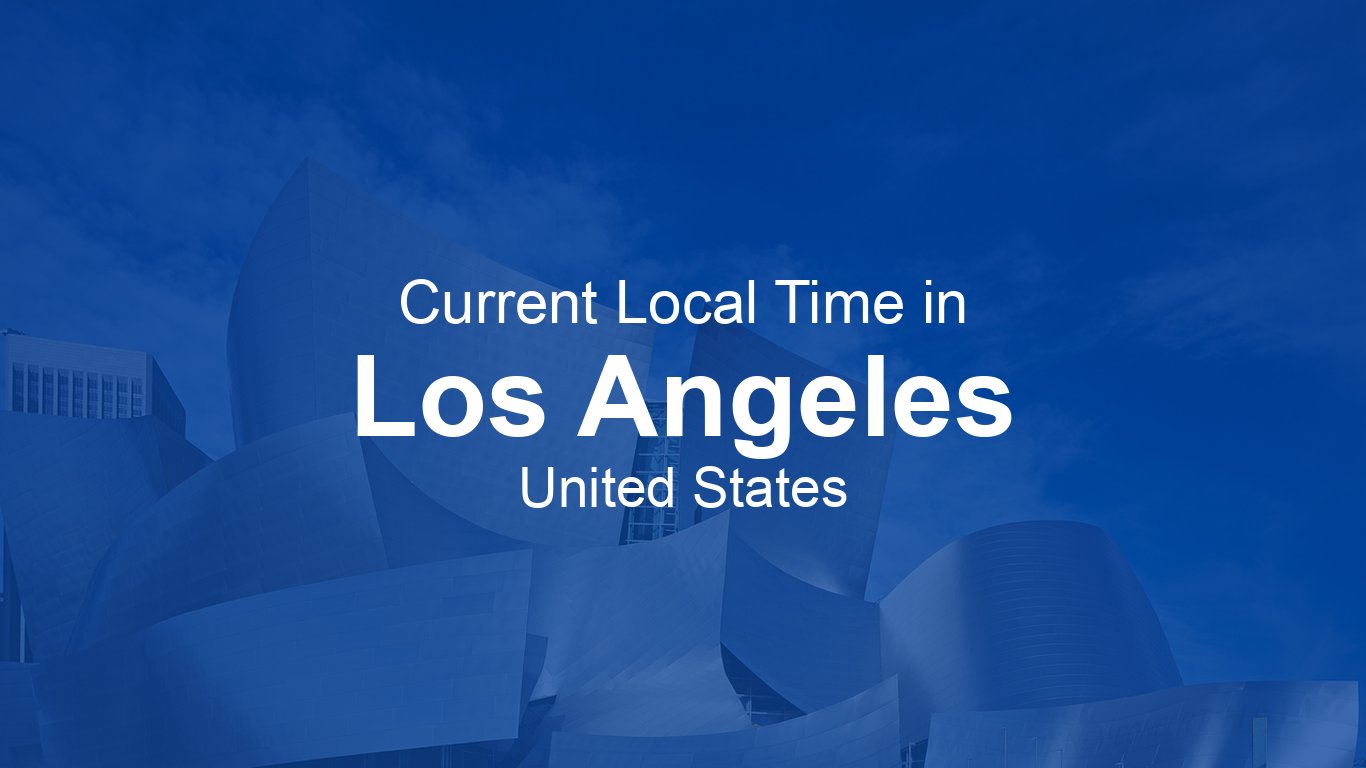
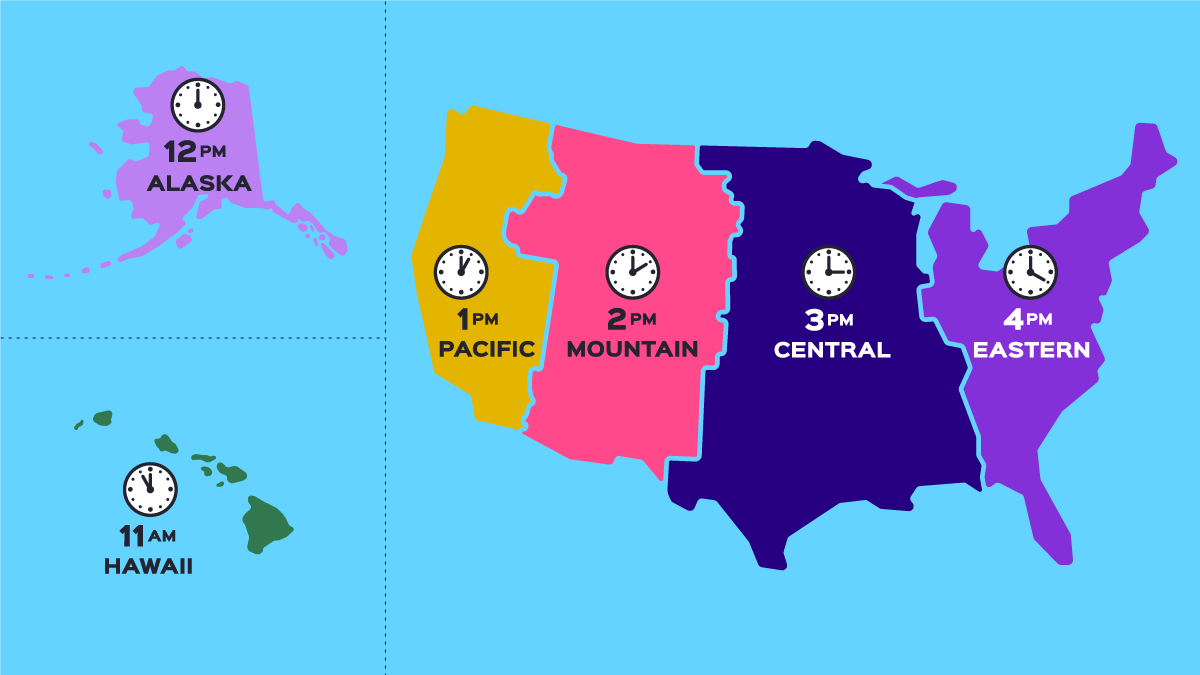
Los Angeles is located in the Pacific Time Zone. This zone spans a significant portion of the western United States, encompassing states from Washington and Oregon down to California and into parts of Nevada and Arizona. Within this vast region, two distinct time designations are observed: Pacific Standard Time (PST) and Pacific Daylight Time (PDT). The switch between these two is governed by Daylight Saving Time (DST), a practice observed annually in most of the United States to make better use of daylight.
Understanding Pacific Standard Time (PST) and Pacific Daylight Time (PDT)
The primary distinction for Los Angeles and its surrounding areas lies in the observance of Daylight Saving Time. During the winter months, typically from early November to mid-March, the city observes Pacific Standard Time (PST). PST is UTC-8, meaning it is 8 hours behind Coordinated Universal Time (UTC), the global standard for timekeeping. When it’s noon UTC, it’s 4 AM PST.
As spring approaches, the clocks are moved forward. Beginning on the second Sunday in March and lasting until the first Sunday in November, Los Angeles transitions to Pacific Daylight Time (PDT). PDT is UTC-7, effectively shifting the time forward by one hour. So, when it’s noon UTC, it becomes 5 AM PDT. This shift is designed to extend daylight into the evening hours during the warmer months, a practice that can influence the timing of outdoor activities and the general rhythm of daily life in this sun-drenched city.
The Impact of Daylight Saving Time on Your Los Angeles Itinerary
The annual switch between PST and PDT can have subtle but important implications for travelers. If you’re flying into Los Angeles from a different time zone, especially one that does not observe DST or observes it on a different schedule, you’ll need to factor in these changes. For instance, a flight departing from a city in the Eastern Time Zone (ET), which observes DST as EDT (UTC-4), might arrive in Los Angeles with a smaller time difference than you might initially expect if you’re not accounting for DST. During standard time, ET is 3 hours ahead of PST. However, during daylight saving, EDT is only 2 hours ahead of PDT.
This seemingly minor adjustment can affect:
- Flight Schedules: Airlines meticulously coordinate their schedules, and the DST shifts are built into these. However, if you’re tracking a flight from an international destination or a region with different DST rules, it’s wise to double-check the arrival times.
- Booking Accommodations: While most hotel booking platforms automatically adjust for time zones, it’s always prudent to confirm check-in and check-out times, especially if you’re booking well in advance or dealing with smaller, independent establishments. For example, if you’ve booked a stay at the iconic Beverly Hills Hotel and your booking confirmation shows a specific check-in time, be aware of whether that time reflects PST or PDT based on the date of your arrival.
- Meeting Appointments: If you have business meetings, appointments with tour guides, or reservations for popular attractions like a tour of Universal Studios Hollywood, confirming the local time is essential. Missing an appointment due to a time zone miscalculation can be frustrating.
- Synchronizing with Home: For those keeping in touch with family or friends back home, understanding the time difference is key. A 3-hour difference (PST vs. ET) might mean a casual morning call for you is an early afternoon call for them, while a 2-hour difference (PDT vs. ET) shifts this dynamic slightly.
Navigating Time Zones When Exploring Los Angeles
Beyond the clock itself, understanding the Pacific Time Zone in Los Angeles is about immersing yourself in the local rhythm. The extended daylight hours during PDT can encourage a more active lifestyle. Many visitors choose to explore iconic landmarks like the Griffith Observatory during sunset, enjoying the extended golden hour that PDT offers. Beach activities at Santa Monica Pier or Venice Beach often stretch into the evening, benefiting from the later sunsets.
The culinary scene in Los Angeles also thrives on its dynamic schedule. Restaurants and bars might extend their operating hours, catering to the desires of a city that enjoys its evenings. Whether you’re dining at a Michelin-starred establishment in Beverly Hills or exploring the diverse food trucks of Downtown Los Angeles, the local time zone dictates when these experiences are most readily available.
For those interested in the entertainment industry, showtimes for movies and live performances are always listed in local time. A premiere at the TCL Chinese Theatre will have a specific start time, and knowing you are in PST or PDT ensures you arrive punctually. Similarly, if you’re catching a game at Dodger Stadium, the first pitch will be in Los Angeles local time.
When booking accommodations, whether it’s a luxurious suite at the St. Regis Los Angeles, a charming villa in the hills, or a budget-friendly apartment in a vibrant neighborhood, the check-in and check-out times will be in PST or PDT. Being aware of this will help you plan your arrival and departure efficiently, perhaps allowing for an extra morning stroll along the Hollywood Walk of Fame before you need to vacate your room, or ensuring you can check in and start exploring as soon as your flight lands.
Keeping Track and Avoiding Confusion
To avoid any temporal hiccups, here are a few tips:
- Set Your Devices: Most smartphones and smartwatches automatically update to the local time zone. Ensure this feature is enabled before you depart.
- Consult Reliable Sources: When in doubt, a quick search for “Los Angeles current time” will provide the most up-to-date information. Many travel websites and apps also offer this functionality.
- Note the Dates: Pay close attention to whether your travel dates fall within PST or PDT. This is particularly important if you’re traveling near the DST transition periods in March or November.
- Communicate Clearly: When arranging meetings or calls with locals or other travelers, always specify the time zone or use a time zone converter if there’s any ambiguity. Phrases like “5 PM Los Angeles time” can be very helpful.
In essence, while Los Angeles operates on the Pacific Time Zone, the nuances of Standard and Daylight Time are key to unlocking a seamless travel experience. By understanding these temporal shifts, you can better manage your schedule, maximize your enjoyment of the city’s many attractions, and ensure your trip to the City of Angels is as relaxed and well-organized as a perfectly timed sunset stroll. Whether you’re here for the world-class theme parks, the breathtaking natural beauty like the Malibu Coast, or the vibrant arts scene, having a firm grasp of the time zone is your first step towards a truly unforgettable adventure.
LifeOutOfTheBox is a participant in the Amazon Services LLC Associates Program, an affiliate advertising program designed to provide a means for sites to earn advertising fees by advertising and linking to Amazon.com. Amazon, the Amazon logo, AmazonSupply, and the AmazonSupply logo are trademarks of Amazon.com, Inc. or its affiliates. As an Amazon Associate we earn affiliate commissions from qualifying purchases.