
Planning a trip to a destination like New York City or Paris requires meticulous preparation, especially when it comes to financial logistics. While credit cards have long been the industry standard for securing reservations, many travelers prefer the convenience and fiscal discipline of using a debit card. Understanding the nuances of hotel payment policies is essential to ensuring your check-in process at a property like the Marriott Marquis goes smoothly.
Understanding Hotel Payment Policies and Authorizations
When you book a stay, the hotel’s primary concern is not just the cost of the room, but the potential for incidental charges. Whether you are staying at a luxury resort like the Four Seasons or a boutique property in London, the front desk will almost always require a guarantee for your stay.
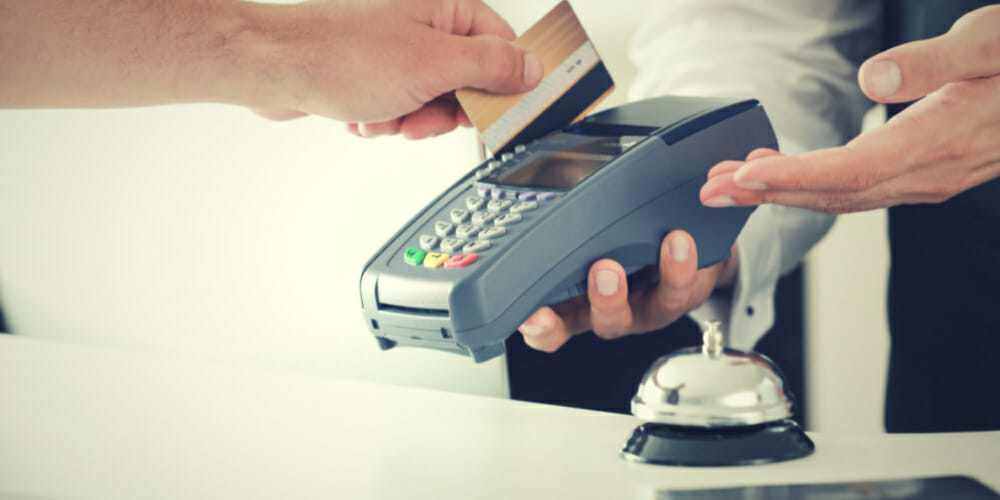
The Mechanism of Pre-Authorization
Most hotels, including major chains like Hilton, place a “hold” on your account at check-in. This is a pre-authorization that reserves a specific amount of funds to cover the room rate, taxes, and any potential incidentals such as room service, spa treatments, or damages. If you use a credit card, this hold is typically invisible; it simply reduces your available credit line temporarily.
However, when you use a debit card, that hold is placed directly against your liquid cash. If a hotel puts a $200 hold on your account, those funds are effectively “frozen” and inaccessible for your daily spending. Depending on your bank’s policy, this could lead to overdrafts or declined transactions elsewhere while you are traveling in places like Tokyo or Rome.
Incidental Holds and Financial Liquidity
Different hotels have varying policies regarding the amount of these holds. A high-end property like the Ritz Carlton will naturally require a higher authorization amount than a budget-friendly Holiday Inn. Always inquire about the specific incidental hold amount before arrival, as this ensures your bank account has sufficient padding to handle the temporary unavailability of those funds.
The Challenges of Debit Cards at Check-In
While it is technically possible to pay with a debit card at almost any major hotel worldwide, doing so can present specific hurdles that a credit card holder might never encounter. Being aware of these challenges can help you mitigate risks during your travels.
The “Credit” vs. “Debit” Distinction
Many automated systems at the front desk differentiate between a debit card (which pulls from a checking account) and a credit card (which borrows against a limit). Some hotels, particularly older properties or those in regions like Dubai, may strictly mandate a credit card for the initial reservation guarantee. If you arrive with only a debit card, the staff might ask for a significant cash deposit—sometimes several hundred dollars—which is returned at checkout only after a room inspection.

Delayed Release of Funds
One of the most frequent complaints from travelers who use debit cards is the delay in the release of pre-authorized funds. While a credit card hold often falls off automatically within 24 to 48 hours of checkout, a debit card hold can sometimes take five to seven business days to reflect in your account, depending on your financial institution’s processing speed. If you are on a long-term trip across Europe, this delay can significantly impact your travel budget.
Tips for a Seamless Experience
If you prefer using a debit card, you are not out of luck. Thousands of travelers check into properties like the Grand Hyatt Hotel every day using debit cards. By following a few best practices, you can avoid common pitfalls.
Contact the Hotel in Advance
Before you finalize your booking at a destination like Las Vegas, call the hotel directly. Ask specifically: “Do you accept debit cards for the incidental hold at check-in, and if so, how much is the hold?” This simple step allows you to prepare your bank account accordingly.
Maintain a Buffer in Your Account
If you know your hotel will hold $100 per night for a five-night stay at a place like the W Hotel, ensure that you have that total amount, plus your planned daily spending money, safely in your account. Treat the hold amount as “money you don’t have” until after your check-out date.
Use a Secondary Account
For frequent travelers, a common strategy is to keep a separate bank account specifically for travel funds. If the hotel places a hold, it affects only that account, leaving your primary funds for rent or bills at home untouched. This is particularly useful when visiting cities like San Francisco, where incidental holds can be quite high due to the city’s overall cost of living.
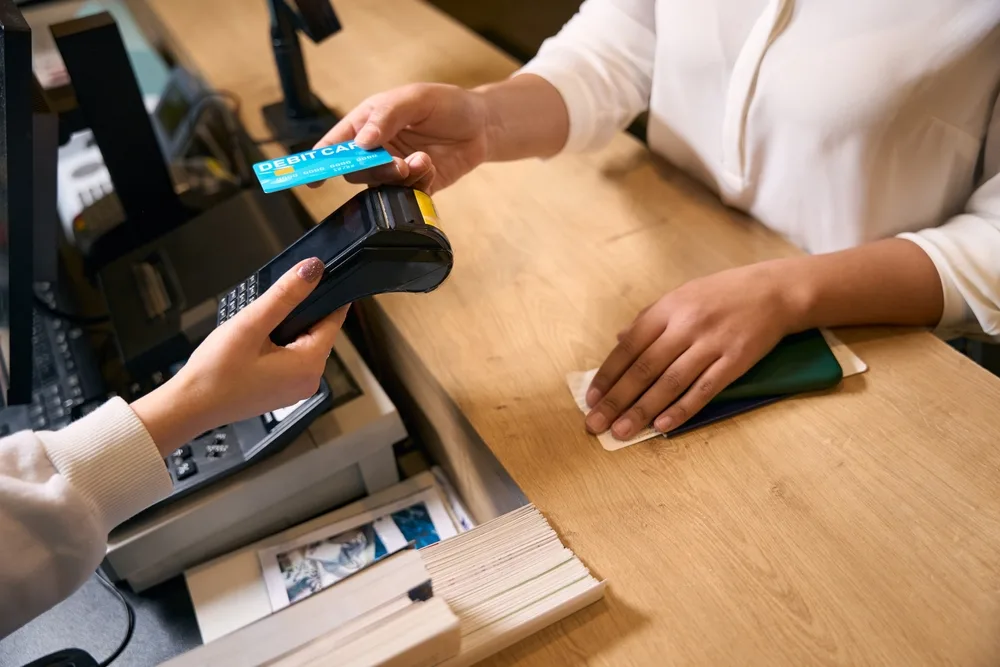
When Should You Avoid Using a Debit Card?
Despite the general acceptance of debit cards, there are scenarios where a credit card is undoubtedly the superior choice. If you are staying at an ultra-luxury resort like the Aman Resorts or booking a long-term stay in Singapore, the sheer scale of the financial hold might exceed the daily withdrawal limits or available balances on many standard debit cards.
Furthermore, if you are traveling internationally and your bank charges high foreign transaction fees for debit card usage, a credit card—especially one that waives these fees—is more economical. The convenience of a credit card’s “buffer” allows you to enjoy amenities like the InterContinental without the anxiety of your bank account balance dropping near zero due to security deposits.
Ultimately, your ability to pay for a hotel with a debit card is widely supported, but it requires a higher level of financial mindfulness. Whether you are checking into a grand hotel in Chicago or a cozy inn in Sydney, verify the property’s specific policies, keep an eye on your account balance, and always have a backup payment method available. With these precautions, your travel experience will remain stress-free, allowing you to focus on the landmarks and culture of your chosen destination rather than the technicalities of your payment method.
LifeOutOfTheBox is a participant in the Amazon Services LLC Associates Program, an affiliate advertising program designed to provide a means for sites to earn advertising fees by advertising and linking to Amazon.com. Amazon, the Amazon logo, AmazonSupply, and the AmazonSupply logo are trademarks of Amazon.com, Inc. or its affiliates. As an Amazon Associate we earn affiliate commissions from qualifying purchases.