
The cultural phenomenon surrounding the critically acclaimed animated series Hazbin Hotel—frequently misremembered or conflated in casual conversation as “Husband Hotel”—has brought intense curiosity to the voice cast behind its colorful, infernal ensemble. As fans dive deeper into the lore of the Hazbin Hotel, one character consistently commands the screen with a mixture of whimsy, tragedy, and immense power: Lucifer Morningstar.
Understanding the voice actor behind this complex character requires a look at both the production history of the show and the artistic dedication that went into bringing the King of Hell to life. While the title often leads to amusing search engine confusion regarding “husbands” and “hotels,” the reality of the performance is a masterclass in modern voice acting.

The Voice Behind the King of Hell
The character of Lucifer Morningstar, the ruler of the Morningstar family and the architect of the Pride Ring, is voiced by the legendary Broadway performer and voice actor Jeremy Jordan. Known primarily for his soaring vocal range and commanding stage presence in productions like Newsies and Bonnie & Clyde, Jordan brings a unique theatricality to the role that defines Lucifer’s personality.
Bridging Broadway and Animation
Jeremy Jordan’s involvement in the show was a deliberate choice by creator Vivziepop. Because the world of the Hazbin Hotel relies heavily on musical numbers and Broadway-inspired motifs, casting a performer with a background in professional musical theater was essential. Jordan does not merely voice Lucifer; he interprets the character through a lens of melodic precision and emotional vulnerability.
Capturing the Complexity of a Fallen Angel
Lucifer is not portrayed as a standard antagonist. He is a weary, somewhat eccentric figure struggling with the remnants of his former glory and his strained relationship with his daughter, Charlie Morningstar. Jordan’s performance balances:
- Melancholic Bitterness: Conveying the centuries of isolation and the crushing weight of his fall from grace.
- Whimsical Eccentricity: Highlighting the character’s rubber-duck-obsessed hobbies and his tendency to retreat into his own imagination.
- God-like Authority: Reminding the audience, when necessary, that despite his domestic struggles, he remains a celestial being of unparalleled power.
Musicality and Characterization
A core component of the Hazbin Hotel experience is its soundtrack. The show is structured almost like a modern-day operetta, where character development occurs through song. For Lucifer, these musical moments serve as a window into his psyche.
The Power of Performance
When Lucifer sings, the audience sees a side of him that dialogue alone cannot convey. Through songs like “Hell’s Greatest Dad,” listeners are treated to a display of musical combat, where Jordan’s ability to transition from playful baritone to sharp, rhythmic intensity shines through. His chemistry with fellow cast members, particularly those voicing Alastor, elevates the narrative stakes.
Artistic Influence on the Role
The animation team at SpindleHorse Toons works in tandem with the voice actors. Because the animation is often stylized to match the rhythm of the music, Jordan’s vocal cadences directly inform how Lucifer moves across the screen. This synergy creates a seamless viewing experience where the character’s frantic energy feels perfectly mirrored by his fluid, theatrical animation style.
Impact on Fandom and Popularity
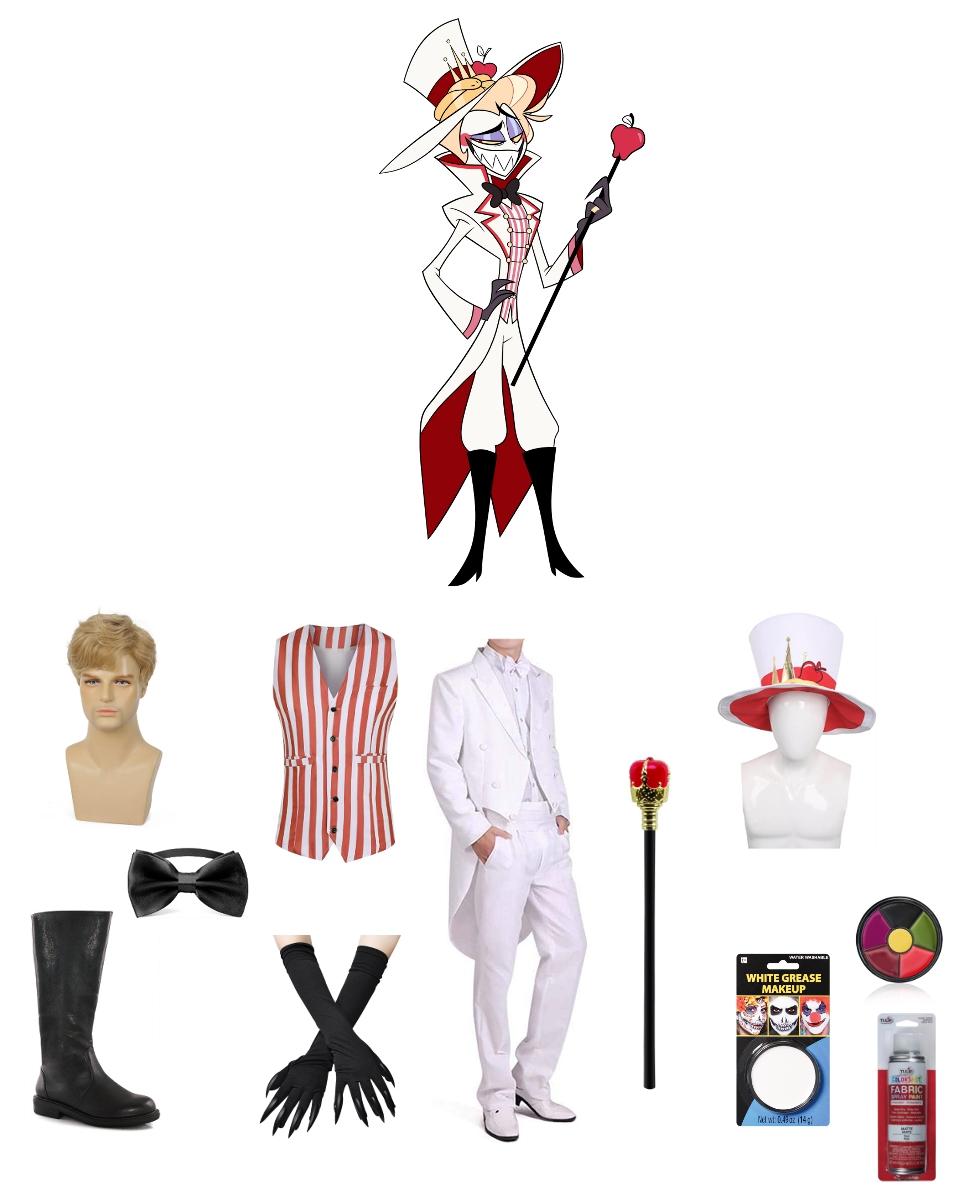
The confusion regarding the title—often dubbed “Husband Hotel” by fans due to the overwhelming popularity of the male cast members—speaks to the massive demographic reach of the series. The fandom has turned Lucifer Morningstar into a pop-culture icon, often analyzing his fashion choices, his interactions with Lilith Morningstar, and his complex moral standing in the Heavenly hierarchy.
Why Fans Connect with Lucifer
Lucifer represents the quintessential “troubled parent” trope. He is overprotective, deeply flawed, and painfully human in his interactions, despite his demonic status. By casting Jeremy Jordan, the show avoids making Lucifer a two-dimensional villain. Instead, the audience feels pity, frustration, and eventual empathy for him. This emotional depth is why fan art, cosplay, and discussions surrounding his voice acting remain at the forefront of the community.
The Role of Voice Acting in Modern Animation
The success of the Hazbin Hotel demonstrates a shift in how animated series are produced for streaming platforms. By leveraging established stars from the New York theater scene, the show bridges the gap between traditional Broadway entertainment and the digital-first era of animation. This approach has set a new standard, proving that voice acting is a medium that demands the same level of nuance and dedication as live-action film or stage performance.
Behind the Scenes: The Creation Process
To truly appreciate the performance of the man who plays the king, one must look at the collaborative environment of the recording studio. The voice direction in the series is meticulous, ensuring that every groan, laugh, and musical belt lands with maximum impact.
Directional Nuance
The creators emphasize that the actors have significant creative freedom, which allows for the improvisation and stylistic flourishes that fans have come to love. Jeremy Jordan’s ability to improvise vocal reactions during Lucifer’s more manic scenes adds a layer of authenticity to the character that elevates the script.

Future Expectations
As the series continues, the role of Lucifer is poised to grow even more significant. With the political climate of the Seven Circles shifting, fans are eager to hear how Jordan will evolve the character’s voice. Will he take on a more authoritative tone, or will the domestic burdens of running a hotel—or perhaps even a “Husband Hotel”—continue to weigh him down?
Regardless of the direction the plot takes, the foundation has been laid by a performance that is as impressive as it is unforgettable. The legacy of Hazbin Hotel is inextricably linked to its cast, and in the case of its most complex figure, the man behind the voice has solidified his place in the annals of iconic animated performances. For those wandering the Internet searching for the face and voice behind the King of Hell, the answer is clear: Jeremy Jordan has provided a definitive, show-stopping performance that defines the very essence of the series.
LifeOutOfTheBox is a participant in the Amazon Services LLC Associates Program, an affiliate advertising program designed to provide a means for sites to earn advertising fees by advertising and linking to Amazon.com. Amazon, the Amazon logo, AmazonSupply, and the AmazonSupply logo are trademarks of Amazon.com, Inc. or its affiliates. As an Amazon Associate we earn affiliate commissions from qualifying purchases.