
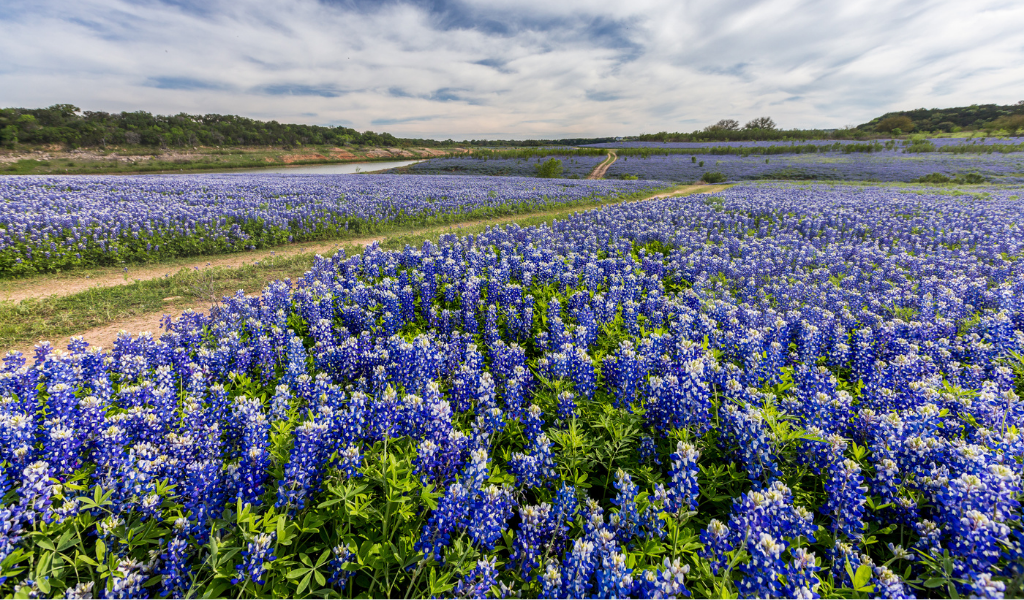
The vibrant spectacle of Texas bluebonnets blanketing the landscape is a quintessential spring experience for many. As the native wildflowers burst into bloom, painting rolling hills and roadside verges in shades of deep blue, it’s natural to wonder about interacting with this natural phenomenon. A common question that arises for visitors and residents alike is: “Can you pick bluebonnets in Texas?” Understanding the regulations and the ecological impact is crucial to preserving these iconic flowers for generations to come.
The Legal Landscape of Picking Bluebonnets
While the allure of taking a bouquet of these stunning flowers home is undeniable, Texas law has specific provisions regarding the picking of wildflowers, including bluebonnets, from public lands. The primary piece of legislation governing this is the Texas Highway Wildflower Act.
Texas Highway Wildflower Act
Enacted in 1933, the Texas Highway Wildflower Act aims to protect and preserve the wildflowers that grace the state’s highways and byways. This act generally prohibits the picking of wildflowers from rights-of-way along state highways. The rationale behind this law is multi-faceted. Firstly, it ensures that these natural displays remain intact for the enjoyment of all who travel through the state, contributing significantly to the scenic beauty of the Texan landscape. Secondly, it allows the seeds of these flowers to mature and propagate, ensuring their continued presence in subsequent years.
Understanding Public vs. Private Land
It is vital to distinguish between picking wildflowers on public land and on private property. The Texas Highway Wildflower Act specifically addresses public lands, particularly the rights-of-way managed by the Texas Department of Transportation. This means that pulling over to the side of a highway and gathering bluebonnets is generally not permitted.
However, the law does not explicitly prohibit picking bluebonnets from private property. If you have obtained explicit permission from the landowner, you may be permitted to pick flowers from their land. It is always courteous and legally sound to seek permission before entering private property for any reason, including wildflower picking. Trespassing can lead to legal repercussions, and respecting private property rights is paramount.
Penalties for Violations
Violating the Texas Highway Wildflower Act can result in fines. While enforcement may vary, the intent of the law is clear: to discourage the indiscriminate picking of wildflowers from public spaces. The fines are intended to serve as a deterrent and to underscore the importance of conservation.
The Ecological Imperative: Why Preservation Matters
Beyond legal considerations, there are significant ecological reasons to refrain from picking bluebonnets. Wildflowers play a vital role in the health of local ecosystems, and their preservation is essential for biodiversity and environmental well-being.
Pollination and Seed Dispersal
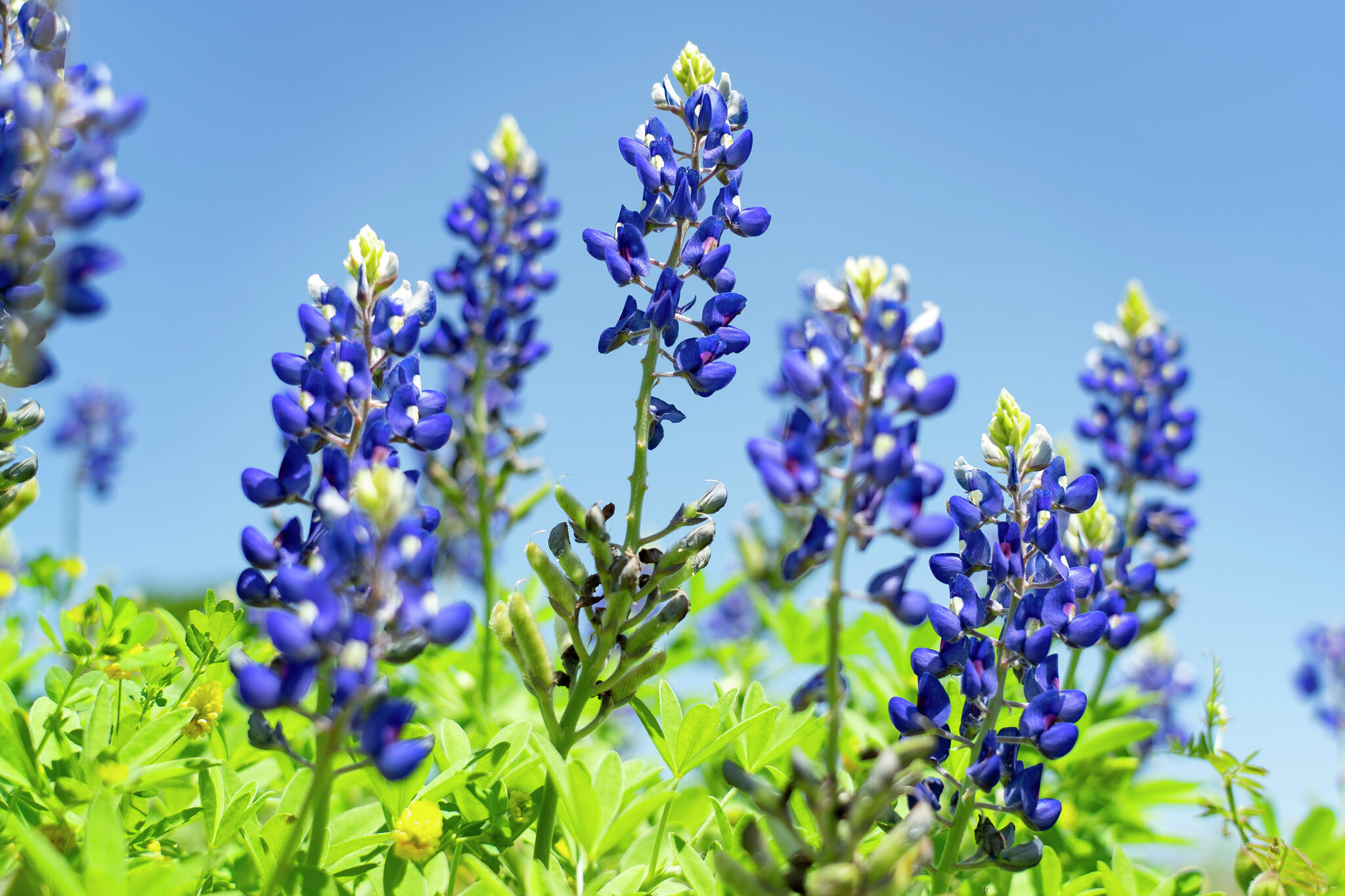
Bluebonnets, like all wildflowers, are crucial for supporting local pollinator populations. Bees, butterflies, and other insects rely on these flowers for nectar and pollen. When flowers are picked before they have had a chance to set seed, this vital food source is lost, and the opportunity for reproduction is eliminated. The seeds that develop from mature bluebonnet plants are what ensure the continuation of these beautiful blooms in the coming springs. Allowing them to grow and disperse their seeds naturally is the most effective way to ensure a thriving bluebonnet population.
Maintaining Biodiversity
Texas is home to a rich diversity of plant and animal life, and wildflowers are a foundational element of this ecosystem. By preserving bluebonnets and other native plants, we contribute to the overall health and resilience of the natural environment. This biodiversity supports a complex web of life, from the smallest insects to larger wildlife that may depend on these plants for habitat or food.
The “Leave No Trace” Principle
The “Leave No Trace” principle, commonly associated with outdoor recreation, is highly applicable to wildflower viewing. This principle encourages visitors to minimize their impact on the natural environment. For bluebonnets, this translates to observing them in their natural habitat, taking photographs, and appreciating their beauty without disturbing them. This approach ensures that future visitors can enjoy the same unspoiled beauty.
Experiencing Bluebonnets Responsibly
Fortunately, there are many ways to enjoy the splendor of Texas bluebonnets without picking them. Responsible tourism and thoughtful engagement with nature can provide deeply rewarding experiences.
Designated Viewing Areas and Parks
Many areas across Texas are renowned for their spectacular bluebonnet displays. These often include state parks, national parks, and designated wildflower viewing routes.
Wildflower Centers and Botanical Gardens

Institutions like the Lady Bird Johnson Wildflower Center in Austin, Texas, are dedicated to the study and preservation of native plants. These centers often have cultivated displays of bluebonnets and other wildflowers, providing educational opportunities and stunning visual experiences in a controlled environment. Visiting these centers allows you to learn more about the lifecycle of these plants and their ecological significance.
State and National Parks
Parks such as Enchanted Rock State Natural Area near Fredericksburg, the Texas Hill Country region in general, and even areas around Big Bend National Park can offer breathtaking vistas of bluebonnets. These parks often have designated trails where visitors can walk among the flowers, capturing stunning photographs and immersing themselves in the vibrant scenery. Always check park regulations for specific guidelines on interacting with flora.
Wildflower Driving Tours
Many Texans make a spring tradition of taking scenic drives specifically to view the bluebonnets. The Texas Hill Country is particularly famous for its numerous wildflower routes, including areas around Marble Falls, Llano, and Burnet. These drives offer panoramic views of fields carpeted in blue. Many local tourism boards and websites provide suggested routes and highlight prime viewing spots.
Photography and Art
For many, the best way to “take home” the beauty of bluebonnets is through photography or other forms of art. Capturing the ephemeral nature of the blooms through a lens allows you to preserve the memory without harming the plant. Artists often find inspiration in the vibrant colors and natural formations of bluebonnet fields.
Purchasing Seeds or Plants
If you wish to cultivate bluebonnets at home, the most responsible approach is to purchase seeds or young plants from reputable nurseries that specialize in native Texas flora. This supports conservation efforts and allows you to enjoy the beauty of bluebonnets on your own property without impacting wild populations. Organizations like the Lady Bird Johnson Wildflower Center often sell native seeds.
Planning Your Bluebonnet Viewing Trip
To make the most of your bluebonnet viewing experience in Texas, careful planning is essential. Timing, location, and preparation can significantly enhance your journey.
The Peak Blooming Season
The bluebonnet season typically runs from late February through April, but the exact timing can vary year to year depending on rainfall and temperature. Generally, March and April are the prime months for seeing peak blooms across much of the state. Areas further south may see earlier blooms, while those in more northern regions might experience them a bit later. Monitoring local reports and wildflower hotlines can help pinpoint the best time to visit.
Choosing Your Destination
Texas is a vast state, and bluebonnets can be found in many regions, though they are most famously associated with the Texas Hill Country. However, you can also find impressive displays in areas around Dallas-Fort Worth, Houston, and even in West Texas, depending on the year and specific microclimates. Researching specific locations known for their abundant blooms is a good starting point.
Respecting the Environment and Local Communities
When visiting areas known for bluebonnets, it is crucial to be a responsible visitor.
Roadside Etiquette
Pulling over safely on roadsides is often part of the bluebonnet viewing experience. Ensure you are completely off the traveled portion of the road and be mindful of traffic. Avoid blocking gates or driveways. Be aware of private property adjacent to public rights-of-way and do not trespass.
Minimizing Your Footprint
When exploring fields or parks, stick to marked trails whenever possible. Avoid trampling flowers unnecessarily. Pack out everything you pack in, leaving no trace of your visit. This includes trash, food wrappers, and any other debris.
Supporting Local Economies
Many towns in the Texas Hill Country and other bluebonnet regions experience an influx of visitors during wildflower season. Consider supporting local businesses by dining at local restaurants, staying in local accommodations like charming bed and breakfasts, or purchasing souvenirs from local artisans. This helps communities benefit from the tourism generated by these natural attractions.
In conclusion, while the desire to pick bluebonnets is understandable, Texas law and ecological principles strongly advise against it from public lands. By embracing responsible viewing practices, you can fully appreciate the ephemeral beauty of these iconic wildflowers and help ensure their continued presence for all to enjoy.
LifeOutOfTheBox is a participant in the Amazon Services LLC Associates Program, an affiliate advertising program designed to provide a means for sites to earn advertising fees by advertising and linking to Amazon.com. Amazon, the Amazon logo, AmazonSupply, and the AmazonSupply logo are trademarks of Amazon.com, Inc. or its affiliates. As an Amazon Associate we earn affiliate commissions from qualifying purchases.