
Embarking on a journey from Chicago to Tokyo, Japan is a significant undertaking, not just in terms of distance but also in the time investment required. This trans-Pacific flight connects two major global cities, spanning thousands of miles and numerous time zones. Understanding the duration, factors influencing it, and how to prepare for such a long-haul trip is crucial for any traveler planning this exciting adventure.
Understanding the Trans-Pacific Journey Duration
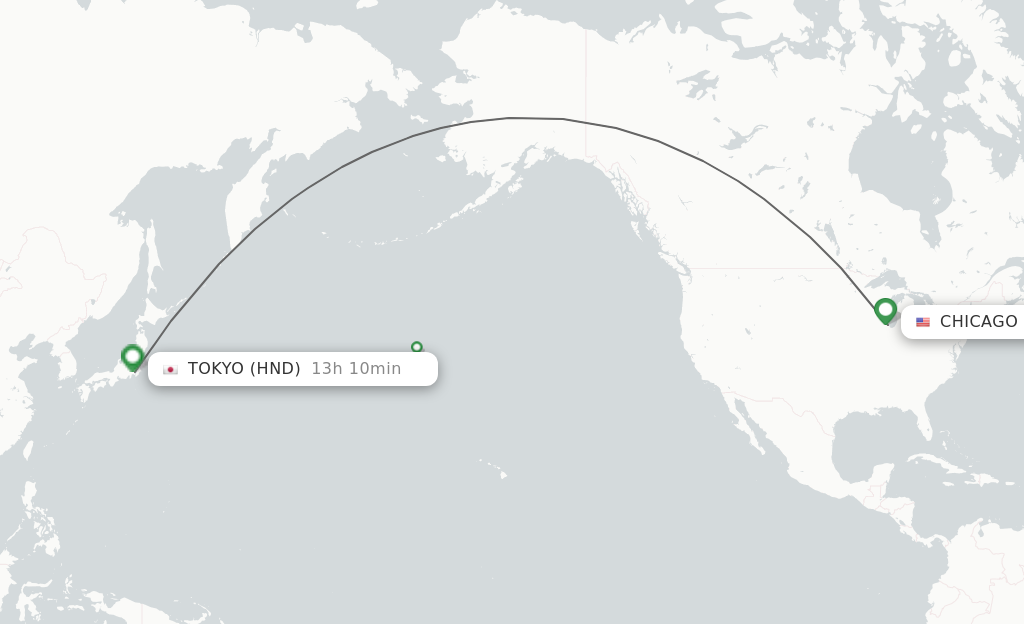
The direct flight time from Chicago (O’Hare International Airport, ORD) to Tokyo (either Narita International Airport, NRT, or Haneda Airport, HND) typically ranges between 12.5 and 13.5 hours. This is for non-stop services. However, several factors can influence the precise length of your journey:
Factors Influencing Flight Time
- Aircraft Type: Modern, fuel-efficient aircraft like the Boeing 787 Dreamliner or Airbus A350 often have slightly faster cruising speeds and more direct routes compared to older models. Their performance characteristics can shave a few minutes off the total flight time.
- Wind Conditions: One of the most significant variables for long-haul flights is atmospheric wind. Flights traveling eastward (e.g., Tokyo to Chicago) often benefit from prevailing tailwinds, which can shorten the flight duration by an hour or more. Conversely, westward flights, like Chicago to Tokyo, frequently encounter headwinds, which can extend the flight time. Air traffic control and pilots plan routes to minimize the impact of headwinds where possible, but they remain a primary consideration.
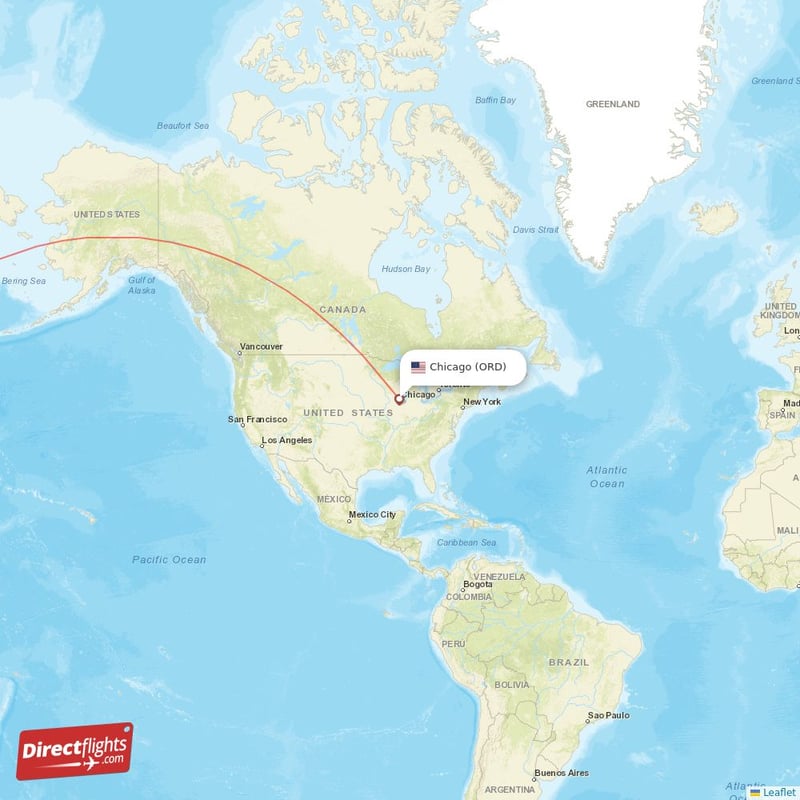
- Specific Flight Path (Great Circle Route): To cover the vast distance between Chicago and Tokyo most efficiently, airlines utilize what is known as the Great Circle Route. This isn’t a straight line on a flat map but rather the shortest distance between two points on the surface of a sphere, curving significantly over the polar region or northern latitudes. These routes are meticulously planned to optimize fuel efficiency and minimize travel time, sometimes taking planes over parts of Alaska or the Bering Sea.
- Air Traffic Control and Delays: While less common for the main flight segment, ground delays at departure or arrival airports, or in-flight air traffic control rerouting, can add minor increments to the total journey time.
It’s important to note that indirect flights, which involve one or more layovers, will significantly increase your total travel time. Depending on the layover city and duration, these journeys can easily stretch to 18-25 hours or even more. Common layover cities for flights from the United States to Japan include major hubs on the West Coast like San Francisco, Los Angeles, or Seattle, or international gateways like Vancouver in Canada.
Key Airlines and Routes
Several reputable airlines offer service from Chicago to Tokyo, catering to various preferences for comfort, price, and loyalty programs.
Direct Flights
- United Airlines: As a major hub carrier at O’Hare International Airport, United Airlines frequently operates direct flights to Tokyo, typically to Narita International Airport (NRT). These flights often utilize modern wide-body aircraft, offering various cabin classes from economy to Polaris business class.
- Japan Airlines (JAL) / All Nippon Airways (ANA): These prominent Japanese carriers may also offer direct service from Chicago to Tokyo, primarily to Haneda Airport (HND), which is closer to the city center and often preferred by travelers. Their flights are renowned for exceptional service and comfort.
Indirect Routes
For travelers who prioritize flexibility or cost savings, or who wish to break up the journey, indirect flights are readily available. These typically involve a stopover in a major airport.
- West Coast Hubs: Airlines like United Airlines, American Airlines, Delta Air Lines, and Alaska Airlines frequently connect Chicago to Tokyo via San Francisco (SFO), Los Angeles (LAX), or Seattle (SEA). These layovers can range from a quick 1-2 hours to longer stretches, depending on the itinerary.
- Other North American Cities: Sometimes, connections are made through other major North American cities like Dallas, Houston, or even Vancouver, Canada, with carriers like Air Canada.
- Asian Hubs: Less common but sometimes available, some itineraries might connect through other Asian hubs such as Seoul or Taipei before reaching Tokyo. While adding significant travel time, these can occasionally offer competitive pricing.
When booking, consider not only the total travel time but also the layover duration. A too-short layover risks missing your connection, while an excessively long one can be tiring. Ideally, aim for a layover of 2-3 hours for international connections.
Navigating Time Zones and Jet Lag
The journey from Chicago to Tokyo involves crossing a significant number of time zones, leading to the inevitable challenge of jet lag.
Time Difference
Chicago operates on Central Standard Time (CST), which is UTC-6 during standard time and UTC-5 during Daylight Saving Time (CDT). Tokyo operates on Japan Standard Time (JST), which is UTC+9 and does not observe Daylight Saving Time. This means there is typically a 14-hour time difference (when Chicago is on CST) or a 13-hour difference (when Chicago is on CDT), with Tokyo being ahead. For example, if it’s 10:00 AM on Monday in Chicago, it’s 12:00 AM (midnight) on Tuesday in Tokyo (during CST).
Strategies for Minimizing Jet Lag
Combating jet lag is essential for enjoying your trip from the moment you land.
- Adjust Sleep Schedule Gradually: A few days before your flight, try to shift your sleep and wake times closer to Tokyo’s schedule. Even an hour or two shift can help.
- Hydrate, Hydrate, Hydrate: Drink plenty of water before, during, and after your flight. Dehydration exacerbates jet lag symptoms. Avoid excessive alcohol and caffeine, especially in the hours before you plan to sleep on the plane.
- Reset Your Watch: As soon as you board the plane, change your watch to Tokyo time. Start thinking and planning your activities according to your destination’s schedule.
- Strategic Sleep on the Plane: Try to sleep when it will be nighttime in Tokyo. Use an eye mask, earplugs, or noise-canceling headphones to create a conducive sleeping environment.
- Seek or Avoid Light: Upon arrival, expose yourself to natural light during Tokyo’s daytime to help reset your circadian rhythm. Avoid bright light during Tokyo’s nighttime hours.
- Stay Active (but don’t overdo it): Gentle exercise or a walk upon arrival can help, but avoid intense workouts on your first day.
- Eat Smart: Try to eat meals at appropriate Tokyo mealtimes.
Preparing for a Long-Haul Flight
A flight of 12-13 hours requires careful preparation to ensure comfort and well-being.
In-Flight Comfort Tips
- Comfortable Clothing: Wear loose-fitting, breathable layers. Compression socks can help with circulation and reduce swelling.
- Movement: Get up and walk around the cabin every few hours to stretch your legs. Perform simple in-seat exercises to keep blood flowing.
- Entertainment: Load your devices with movies, TV shows, podcasts, or e-books. While airlines offer in-flight entertainment, having personal options is always a good backup. Don’t forget a portable charger.
- Neck Pillow and Eye Mask: These small items can make a huge difference in your ability to rest.
- Hydration: Continue drinking water throughout the flight.
- Snacks: Pack some healthy snacks, especially if you have dietary restrictions or prefer specific items.
Amenities and Services
Most major airlines operating on this route provide excellent in-flight services:
- Meals and Beverages: Expect at least two full meals, snacks, and a continuous beverage service. Dietary restrictions can usually be accommodated if requested in advance.
- In-Flight Entertainment: Personal seat-back screens with a wide selection of movies, TV shows, music, and games are standard.
- Wi-Fi: Many airlines now offer in-flight Wi-Fi, often for a fee, allowing you to stay connected.
- Comfort Kits: Depending on your cabin class, airlines may provide blankets, pillows, and amenity kits containing earplugs, eye masks, and toiletries.
Essential Carry-On Items
Beyond entertainment and comfort items, consider packing:
- Travel Documents: Passport, visa (if required), flight itinerary, hotel reservations.
- Medication: Any prescription medications, as well as over-the-counter pain relievers, motion sickness tablets, or allergy medication.
- Toiletries: A travel-sized toothbrush, toothpaste, moisturizer, and lip balm to freshen up.
- Change of Clothes: A fresh change of underwear and a t-shirt for arrival can be incredibly refreshing.
- Adapter/Converter: While you won’t need it on the plane, have it ready for Japan (Type A/B outlets, 100V).
Making the Most of Your Arrival in Tokyo
Once your long journey concludes and you touch down in Tokyo, a new set of considerations comes into play to ensure a smooth transition.
Airport Transfers
- Narita International Airport (NRT): Located further from the city center, NRT offers several excellent transfer options. The Narita Express (N’EX) is a popular choice, providing comfortable and direct service to major stations like Tokyo Station, Shinjuku, and Shibuya. The Keisei Skyliner offers a faster route to Ueno. Limousine buses also offer direct service to many hotels.
- Haneda Airport (HND): Being much closer to central Tokyo, HND provides quicker transfers. Options include the Keikyu Line, Tokyo Monorail, and various limousine buses.
Initial Steps Upon Arrival
- Currency Exchange: While credit cards are widely accepted, having some Japanese Yen for smaller purchases or local transport is advisable. ATMs are readily available at the airports.
- Connectivity: Consider renting a portable Wi-Fi device or purchasing a local SIM card at the airport to ensure you have internet access for navigation and communication.
- Public Transportation Cards: Obtain an IC card like Suica or Pasmo upon arrival. These rechargeable cards make using Tokyo’s extensive train and subway system incredibly convenient.
- Hotel Check-in: Head to your accommodation, unpack, and allow yourself some time to settle in. Avoid immediately diving into strenuous sightseeing. A short walk in a local park or a light meal can be a gentle introduction to your new surroundings.
The flight from Chicago to Tokyo is a long journey, but with proper planning and an understanding of what to expect, it can be a comfortable and manageable part of an unforgettable travel experience.
LifeOutOfTheBox is a participant in the Amazon Services LLC Associates Program, an affiliate advertising program designed to provide a means for sites to earn advertising fees by advertising and linking to Amazon.com. Amazon, the Amazon logo, AmazonSupply, and the AmazonSupply logo are trademarks of Amazon.com, Inc. or its affiliates. As an Amazon Associate we earn affiliate commissions from qualifying purchases.