
Navigating the legal landscape surrounding phone call recording can be a complex undertaking, particularly when traveling or conducting business across state lines. For those visiting or residing in Texas, understanding the specific regulations is paramount to ensure compliance and avoid potential legal repercussions. This article delves into the intricacies of Texas law regarding the recording of phone conversations, offering clarity and guidance for individuals and businesses alike.
Understanding Consent Laws in Texas
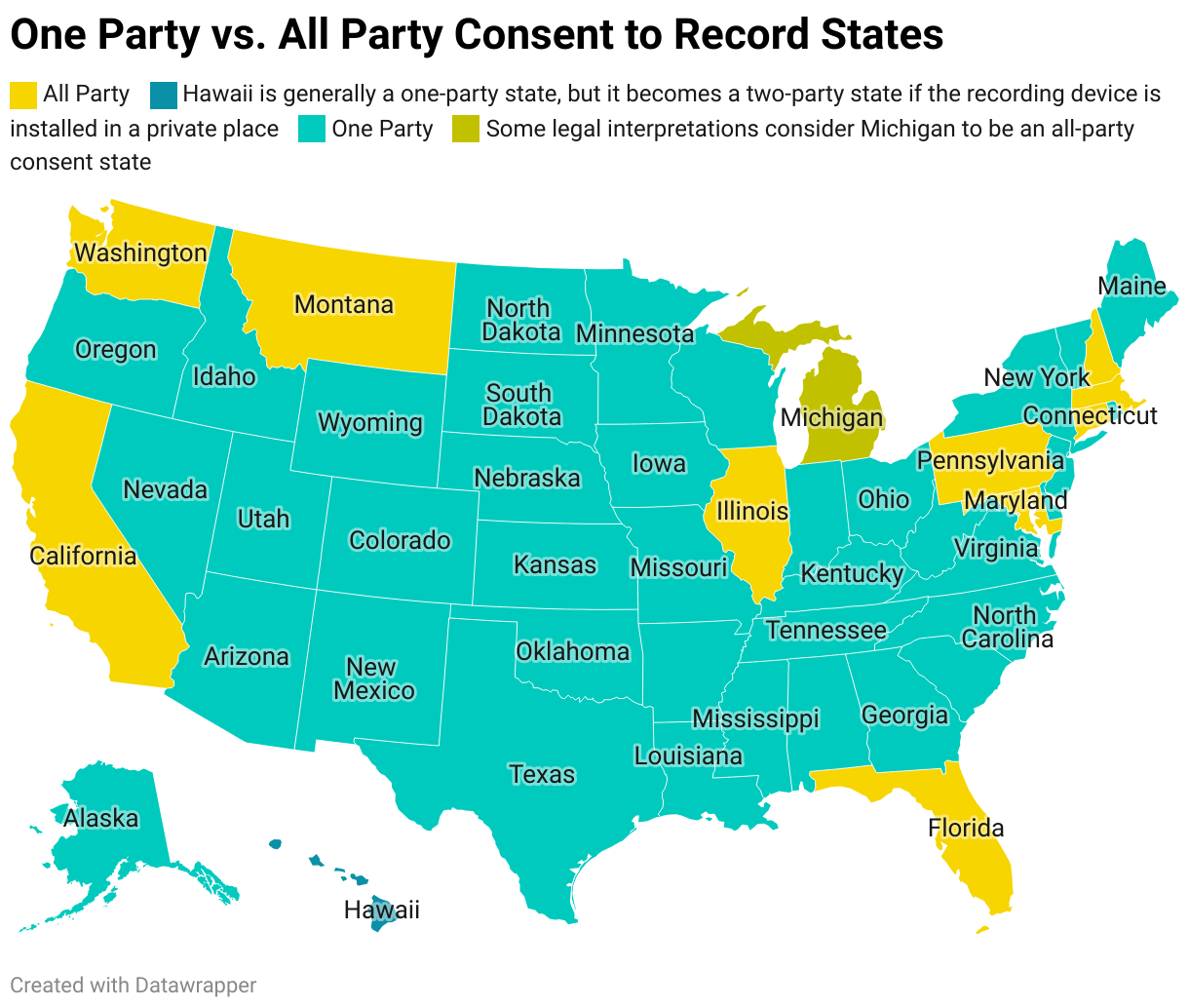
The core of phone call recording legality in Texas lies in its consent laws. Texas operates under a “one-party consent” statute. This means that as long as one party to the conversation consents to the recording, the act is generally permissible under state law.
One-Party Consent Explained
In a one-party consent state, any participant in a conversation has the legal right to record that conversation without the knowledge or consent of the other participants. This significantly simplifies the process of recording phone calls for individuals within Texas. The “one party” who consents can be either the person making the recording or any other person involved in the conversation.
This contrasts with “two-party” or “all-party” consent states, where every participant in a conversation must explicitly consent to the recording. Failing to obtain such consent in those jurisdictions can lead to serious legal penalties.
Practical Implications for Residents and Visitors
For residents of Texas, this means that you can record your own phone conversations without informing the other party, provided you are a participant in that conversation. Similarly, if you are visiting Texas, and a resident of Texas is recording a conversation with you, their recording is likely legal under Texas law, as they are a party to the conversation and consent to its recording.
However, it is crucial to remember that this applies primarily to the laws of Texas. If you are in Texas but speaking with someone in a two-party consent state, the laws of that other state may govern the recording, potentially requiring the consent of all parties. This multi-jurisdictional complexity is a significant factor to consider.
Exceptions and Considerations
While Texas law is generally permissive regarding one-party consent, there are important exceptions and considerations that travelers and residents should be aware of. These nuances can significantly impact the legality of recorded conversations.
Criminal Activity and Recording
It is illegal to record any conversation that is intended to facilitate or conceal criminal activity. This includes but is not limited to extortion, bribery, or any other unlawful act. The one-party consent provision does not shield individuals who are using recording technology to engage in or cover up illegal behavior.
Recording of Confidential Communications
Texas law also protects certain types of confidential communications. While the specifics can be intricate, generally, conversations where parties have a reasonable expectation of privacy, such as those concerning privileged information (e.g., attorney-client privilege, doctor-patient privilege), may be subject to different recording rules. The intent behind the communication and the context in which it occurs play a vital role in determining its confidentiality.
Recording Law Enforcement
Recording conversations with law enforcement officers in public spaces is generally permissible under the First Amendment, which protects the right to observe and record government officials performing their duties. However, there may be specific circumstances or locations where recording is restricted, such as within a police station or during an active investigation where privacy concerns are paramount. It is always advisable to be aware of your surroundings and any posted signage regarding recording policies.
Recording in Specific Business Contexts
Businesses operating in Texas often have specific policies regarding call recording, especially for customer service or internal training purposes. While state law permits one-party consent, businesses may opt for stricter internal policies to ensure transparency and avoid potential disputes. Many customer service calls in Texas will include a notification at the beginning stating that the call is being recorded for quality or training purposes, thus obtaining implied consent from both parties.
Best Practices for Recording Phone Calls
Even with Texas’s relatively lenient one-party consent law, adhering to best practices can prevent misunderstandings and ensure ethical conduct. These practices are particularly relevant for individuals engaging in business or travel.
Transparency and Notification
While not legally mandated in all situations under Texas law, it is often considered good practice to inform the other party that you are recording the conversation. This can be done verbally at the beginning of the call. For instance, stating, “I am recording this call for my records.” This approach fosters transparency and can prevent disputes later on, even if not legally required in a one-party consent state.

Understand Inter-State Implications
As mentioned earlier, the most significant challenge arises when you are in Texas but speaking with someone in a two-party consent state. In such scenarios, it is prudent to adhere to the stricter, all-party consent requirement to ensure compliance with the laws of both jurisdictions. Recording a call where one party is in Texas and the other is in, say, California (a two-party consent state) would necessitate obtaining consent from the party in California.
Utilize Recording Apps and Devices Wisely
A variety of apps and devices are available to facilitate call recording. When using these tools, ensure they are functioning correctly and that you are aware of any terms of service or privacy policies associated with them. Some apps may have built-in disclaimers or require explicit user acknowledgment of consent laws.
Maintaining Records
If you intend to use recorded calls as evidence or for any formal purpose, proper storage and maintenance of these recordings are essential. Ensure recordings are stored securely and are easily retrievable if needed. The method of recording should also be consistent to ensure the integrity of the recording.
Legal Ramifications of Non-Compliance
Failing to adhere to the recording laws, even in a one-party consent state like Texas, can have serious consequences. While the penalties might differ based on the specifics of the violation and the jurisdiction involved, they can range from civil lawsuits to criminal charges.
Civil Liability
Individuals or entities who unlawfully record conversations may face civil lawsuits from the aggrieved party seeking damages. These damages could include compensation for emotional distress, invasion of privacy, or other harm suffered as a result of the unauthorized recording.
Criminal Penalties
In more egregious cases, or when recording is used to facilitate criminal activity, criminal charges can be brought against the offender. Penalties can include fines and imprisonment, depending on the severity of the offense and the applicable statutes.
Evidentiary Issues
Illegally obtained recordings may also be inadmissible as evidence in court proceedings. This means that even if a recording contains crucial information, it cannot be used to support a legal claim or defense if it was obtained in violation of the law. This is particularly relevant in business disputes or legal investigations.
Frequently Asked Questions About Recording Calls in Texas
Is it legal to record a business call in Texas?
Yes, under Texas law, it is legal to record a business call if you are a party to that conversation and consent to the recording. This is based on the one-party consent rule. However, many businesses in Texas will still provide notification that calls are being recorded for quality or training purposes.
Do I need to tell someone I’m recording them in Texas?
Legally, under Texas’s one-party consent law, you do not have to inform the other party if you are a participant in the conversation. However, it is generally considered a best practice to do so for transparency.
What if I am in Texas but the other person is in a two-party consent state?
In such a scenario, you should assume that the laws of the two-party consent state apply. To ensure legality, you would need the consent of all parties to the conversation.
Are there any special rules for recording calls with government officials in Texas?
Generally, the recording of government officials in public spaces is protected by the First Amendment. However, specific restrictions may apply in certain locations or situations.

Conclusion
For individuals and businesses operating within or traveling to Texas, the legal framework for recording phone calls is relatively straightforward due to its one-party consent statute. Understanding that one participant’s consent is sufficient to legitimize a recording is key. However, travelers and professionals must remain vigilant about inter-state legal complexities and be aware of exceptions related to criminal activity and confidential communications. By adhering to transparency, understanding jurisdictional nuances, and utilizing recording tools responsibly, one can navigate the landscape of call recording in Texas with confidence and legal compliance. The proactive approach of informing participants, even when not strictly required, can foster better relationships and mitigate potential misunderstandings, contributing to a more ethical and legally sound communication environment across the Lone Star State.
LifeOutOfTheBox is a participant in the Amazon Services LLC Associates Program, an affiliate advertising program designed to provide a means for sites to earn advertising fees by advertising and linking to Amazon.com. Amazon, the Amazon logo, AmazonSupply, and the AmazonSupply logo are trademarks of Amazon.com, Inc. or its affiliates. As an Amazon Associate we earn affiliate commissions from qualifying purchases.