
The traditional concept of a hotel stay usually involves a brief weekend getaway or a short business trip spanning a few nights. However, a growing trend in the global accommodation sector has seen a surge in travelers seeking long-term arrangements. Whether driven by the rise of digital nomadism, corporate relocations, or the need for temporary housing during home renovations, the answer is a resounding yes: you can certainly rent a hotel room for a month. This practice, often referred to as an “extended stay,” offers a unique blend of residential comfort and hospitality services that traditional apartment leasing cannot match.
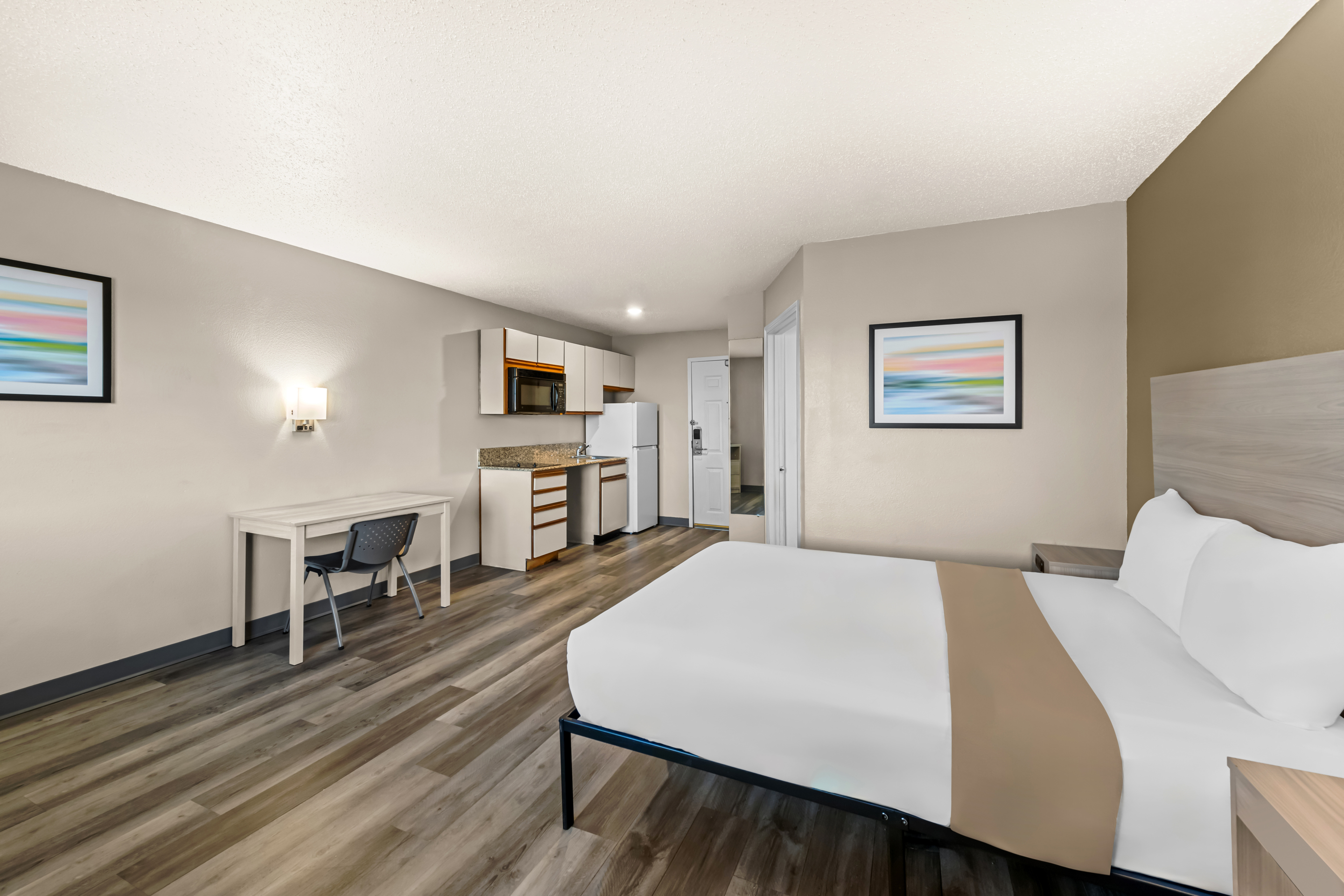
Transitioning into a month-long hotel stay requires a deeper understanding of the booking logistics, the legal implications of long-term occupancy, and the financial structures that differ from nightly rates. As the boundaries between travel and living continue to blur, major global brands and independent boutique properties alike have adapted their business models to accommodate guests who wish to call a hotel “home” for thirty days or more.
Understanding the Logistics of Extended Hotel Stays
Renting a hotel for a month is not as simple as multiplying the nightly rate by thirty. From an accommodation management perspective, long-term guests provide a stable occupancy that hotels highly value, particularly during off-peak seasons. Consequently, the logistics of these stays are often handled through specialized departments or dedicated booking platforms.
The Legal Transition from Guest to Tenant
One of the most critical aspects of renting a hotel room for a month involves the legal definition of the occupant. In many jurisdictions, such as several states in the United States, staying in a hotel for more than 28 to 30 consecutive days may legally transition your status from a “transient guest” to a “tenant.” This shift can grant the guest certain renter’s rights, which varies significantly by location. For the hotel, this means they may be required to follow formal eviction procedures should a dispute arise, rather than simply asking a guest to check out.
In cities like New York City or London, hotels are well-versed in these regulations. Some properties may require guests to sign a long-term occupancy agreement that outlines the specific terms of the stay, including security deposits and notice periods for departure. Understanding these legal nuances is essential for both the traveler and the accommodation provider to ensure a smooth, professional relationship throughout the month.
Tax Implications and Savings
A significant financial advantage of renting a hotel room for a full month is the potential for tax exemptions. In many regions, local occupancy taxes—often ranging from 5% to 15%—are only applicable to short-term stays. Once a guest surpasses the 30-day mark, they are often exempt from these taxes, or eligible for a refund of the taxes paid during the first month.
When searching for accommodation in high-tax destinations like Chicago or Paris, these savings can amount to hundreds, if not thousands, of dollars. It is always advisable to inquire with the front office or the accounting department of the hotel regarding their policy on tax waivers for stays exceeding 30 days, as the rules can vary between France, the United Kingdom, and other international territories.
Comparing Hotel Living to Traditional Residential Leasing
For many, the choice between a traditional apartment lease and a month-long hotel stay comes down to a comparison of convenience versus cost. The accommodation industry has responded by creating “apart-hotels” and extended-stay brands that bridge the gap between these two worlds.
All-Inclusive Nature of Hotel Amenities
The primary draw of a month-long hotel stay is the elimination of the administrative burdens associated with traditional renting. When you rent an apartment, you are typically responsible for setting up and paying for utilities, high-speed internet, water, and trash services. In a hotel, these are all bundled into the monthly rate.
Furthermore, the presence of daily or weekly housekeeping is a luxury rarely found in traditional rentals. For a professional working in Tokyo or Singapore, the time saved on cleaning and maintenance is invaluable. Many extended-stay properties also offer complimentary breakfast, fitness centers, and business hubs. If you were to stay at a brand like Residence Inn by Marriott or Homewood Suites by Hilton, you would also likely have access to a fully equipped kitchenette, allowing for a more residential feel while still enjoying the perks of a full-service hotel.
Flexibility and the Lack of Long-Term Commitment
Traditional residential leases often require a six-month or one-year commitment, along with credit checks and hefty security deposits. Renting a hotel room for a month provides a level of flexibility that is ideal for those in transition. If your plans change, you are typically not locked into a long-term contract.

In bustling hubs like Dubai or Hong Kong, where the real estate market can be fast-moving and expensive, hotels serve as an excellent “soft landing” spot. The ability to pay with a credit card also simplifies the financial transaction, often allowing guests to earn significant loyalty points that can be redeemed for future travel.
Strategic Approaches to Securing Monthly Rates
To make a month-long stay financially viable, guests must move beyond standard online booking engines and engage in more strategic accommodation procurement.
Negotiating Directly with Hotel Management
The most effective way to secure a month-long stay is to contact the hotel directly and speak with the Director of Sales or the General Manager. Hotels prefer the guaranteed income of a 30-day booking over the uncertainty of daily turnovers, which involve high labor costs for cleaning and marketing.
When negotiating at a property like the InterContinental Hotels Group or a boutique site in San Francisco, it is helpful to mention your specific needs. Are you a corporate traveler? Are you relocating? By presenting yourself as a low-maintenance, long-term guest, you can often unlock “extended stay rates” that are 30% to 50% lower than the standard nightly rate listed on Expedia or Booking.com.
Leveraging Corporate and Loyalty Programs
Loyalty programs are a powerful tool for anyone looking to stay in a hotel for a month. Programs such as Marriott Bonvoy, Hilton Honors, and World of Hyatt offer tiered benefits that become significantly more accessible with a 30-night stay.
A single one-month stay can often catapult a guest to “Elite” or “Platinum” status, which provides benefits like room upgrades, late check-outs, and access to executive lounges. Furthermore, many IHG Hotels & Resorts or Wyndham Hotels & Resorts properties have specific corporate codes for major companies. If you are traveling for business, always check if your employer has a pre-negotiated rate with global chains like Accor.
Top Accommodation Brands for Monthly Stays
While almost any hotel can be rented for a month, some brands are specifically designed for this purpose, offering larger floor plans and specialized services.
Dedicated Extended Stay Portfolios
Brands like Extended Stay America focus almost exclusively on the long-term market. These properties usually feature in-room kitchens with full-sized refrigerators, stovetops, and dishwashers. Similarly, Staybridge Suites and Hyatt House offer “social hours” in the evenings, fostering a sense of community among long-term residents.
In Europe and Australia, the “apart-hotel” concept is highly developed. Adina Apartment Hotels and Citadines, managed by The Ascott Limited, provide stylish, self-contained apartments with the security and services of a traditional hotel. These are particularly popular in cities like Berlin and Sydney, where travelers often stay for several weeks to immerse themselves in the local culture.

Luxury and Lifestyle Options for Long-Term Guests
For those with a higher budget, luxury brands like Four Seasons and the Ritz-Carlton offer “Private Residences” or long-stay suites. These accommodations provide the ultimate in-service, including 24-hour concierges, private chefs, and dedicated chauffeurs. While the cost is substantially higher, the level of personalized attention and the prestigious address make them a top choice for high-net-worth individuals relocating to cities like Miami or Los Angeles.
Additionally, lifestyle brands such as Sonder have revolutionized the month-long stay by combining the consistency of a hotel with the localized feel of an Airbnb. Their tech-forward approach allows guests to manage their entire stay—from check-in to requesting extra towels—via a mobile app, making it a favorite for the modern, tech-savvy traveler.
Ultimately, renting a hotel room for a month is a versatile accommodation strategy that offers a high degree of convenience, safety, and flexibility. By understanding the legal frameworks, leveraging loyalty programs, and choosing the right brand for your lifestyle, you can transform a standard hotel room into a comfortable and productive long-term home. Whether you are navigating the streets of Rome or settling into a business hub in Toronto, the month-long hotel stay remains one of the most efficient ways to experience a new city.
LifeOutOfTheBox is a participant in the Amazon Services LLC Associates Program, an affiliate advertising program designed to provide a means for sites to earn advertising fees by advertising and linking to Amazon.com. Amazon, the Amazon logo, AmazonSupply, and the AmazonSupply logo are trademarks of Amazon.com, Inc. or its affiliates. As an Amazon Associate we earn affiliate commissions from qualifying purchases.