
Understanding the Scale of Homelessness in Seattle
The question of “How Many Homeless People In Seattle?” is a complex one, often eliciting a range of responses based on varying methodologies, data collection periods, and the very definition of homelessness. To truly grasp the scope of this issue within Seattle, it’s crucial to delve into the official counts, understand their limitations, and consider the broader context of housing affordability and economic factors that contribute to the visible presence of individuals without stable shelter. This understanding is not merely statistical; it is fundamental for developing effective strategies and fostering informed dialogue around a pressing urban challenge.

Point-in-Time (PIT) Counts: A Snapshot in Time
The most frequently cited figure for homelessness in Seattle comes from the annual Point-in-Time (PIT) count. This federally mandated exercise, typically conducted in late January, is a one-night snapshot of the number of individuals experiencing homelessness within a specific geographic area. Volunteers and outreach workers traverse the streets, shelters, and encampments to survey individuals, gathering data on demographics, service needs, and the duration of homelessness.
The Methodology of the PIT Count
The PIT count is designed to provide a standardized measure, allowing for comparisons across different cities and regions. It categorizes individuals into different types of homelessness, including sheltered (those in emergency shelters, transitional housing, or safe haven programs) and unsheltered (those sleeping in places not meant for human habitation, such as streets, parks, cars, or abandoned buildings). The data collected is vital for Seattle and King County to report to the U.S. Department of Housing and Urban Development (HUD) and to inform local policy decisions.
Limitations and Nuances of PIT Data
While the PIT count offers a valuable baseline, it’s essential to acknowledge its inherent limitations. As a single-night survey, it inevitably misses individuals who may have found temporary, informal shelter on the night of the count, or those who are transient and not present during that specific window. Furthermore, the count relies on the willingness and ability of individuals to be identified and surveyed, which can be influenced by various factors. The data represents a minimum number, a floor rather than a ceiling, and does not capture the full ebb and flow of housing instability in a dynamic urban environment.
Beyond the Snapshot: Trends and Contributing Factors
Understanding the numbers requires looking beyond the annual PIT count to examine underlying trends and the complex factors that contribute to homelessness in Seattle. This includes analyzing the growth of the homeless population over time, identifying key demographics affected, and exploring the economic and social forces at play.
Historical Trends in Seattle’s Homeless Population
Seattle has witnessed a significant increase in its homeless population over the past decade, a trend that has mirrored challenges faced by many other major cities in the United States. While year-to-year fluctuations can occur, the general trajectory has been upward, particularly concerning the unsheltered population. This rise is often attributed to a confluence of factors, including a rapidly escalating cost of living, a severe shortage of affordable housing, and an increasing wealth gap.
The Role of Housing Affordability and Economic Conditions
The dramatic surge in housing costs in Seattle, driven by the booming technology sector and a limited housing supply, has been a primary catalyst for increased homelessness. As rents and home prices skyrocket, individuals and families with lower incomes find it increasingly difficult to secure and maintain stable housing. The median rent in Seattle has consistently ranked among the highest in the nation, pushing many residents to the brink of housing instability. Job loss, stagnant wages for many service sector positions, and unexpected medical expenses can quickly push individuals into homelessness when there is no affordable housing safety net.

Demographic Facets of Homelessness in Seattle
The homeless population in Seattle is not monolithic; it encompasses diverse groups with unique needs and experiences. While individuals experiencing chronic homelessness (those with disabilities who have been continuously homeless for at least a year or have had at least four episodes of homelessness in the past three years) are a significant focus, the population also includes families with children, youth, veterans, and individuals experiencing first-time homelessness due to a sudden life crisis. Understanding these demographic variations is crucial for tailoring effective support services and interventions.
Official Counts and Reporting for Seattle
The data for Seattle and King County is compiled and reported annually, offering insights into the scale of the challenge. These reports provide not only raw numbers but also valuable demographic information that helps guide policy and resource allocation.
Key Findings from Recent PIT Counts
Recent PIT counts have consistently shown a substantial number of individuals experiencing homelessness in Seattle. The figures for unsheltered homelessness have been particularly concerning, indicating a growing number of people living on the streets, in encampments, or in vehicles. These reports often highlight specific sub-populations, such as the disproportionate number of Black individuals experiencing homelessness, and the ongoing challenges faced by the LGBTQ+ youth community. The data serves as a stark indicator of the insufficient availability of affordable housing and the strain on existing support systems.
The Impact of the COVID-19 Pandemic
The COVID-19 pandemic introduced new complexities to counting and addressing homelessness. While initial efforts to move people into hotels and temporary housing provided some relief, the long-term economic impacts of the pandemic, including job losses and increased living costs, may have exacerbated housing instability for many. The pandemic also presented challenges for conducting the PIT count, necessitating adaptations to ensure the safety of volunteers and participants. The full impact of the pandemic on homelessness trends is still being assessed, but it undoubtedly added layers of difficulty to an already complex issue.
Addressing Homelessness: Strategies and Initiatives in Seattle
The question of “How Many Homeless People In Seattle?” is intrinsically linked to the strategies and initiatives being implemented to address the crisis. Understanding the numbers is the first step; developing and implementing effective solutions is the ongoing imperative.
Housing First and Supportive Services
A cornerstone of the strategy to combat homelessness in Seattle and King County is the “Housing First” model. This approach prioritizes providing immediate access to permanent housing without preconditions, such as sobriety or employment. Once housed, individuals receive supportive services, including mental health counseling, substance use treatment, and job assistance, to help them maintain their housing and improve their overall well-being. This model recognizes that stable housing is the foundation upon which individuals can build healthier and more productive lives.
Investments in Affordable Housing and Prevention
Beyond immediate interventions, there is a recognized need for significant investment in the creation and preservation of affordable housing. This includes expanding the supply of deeply affordable units, offering rental assistance programs, and implementing eviction prevention services. The goal is to prevent individuals and families from falling into homelessness in the first place by ensuring that housing remains within reach for a broader spectrum of income levels. Local government, non-profit organizations, and private developers are all engaged in efforts to increase the availability of affordable housing options throughout the city and surrounding areas.
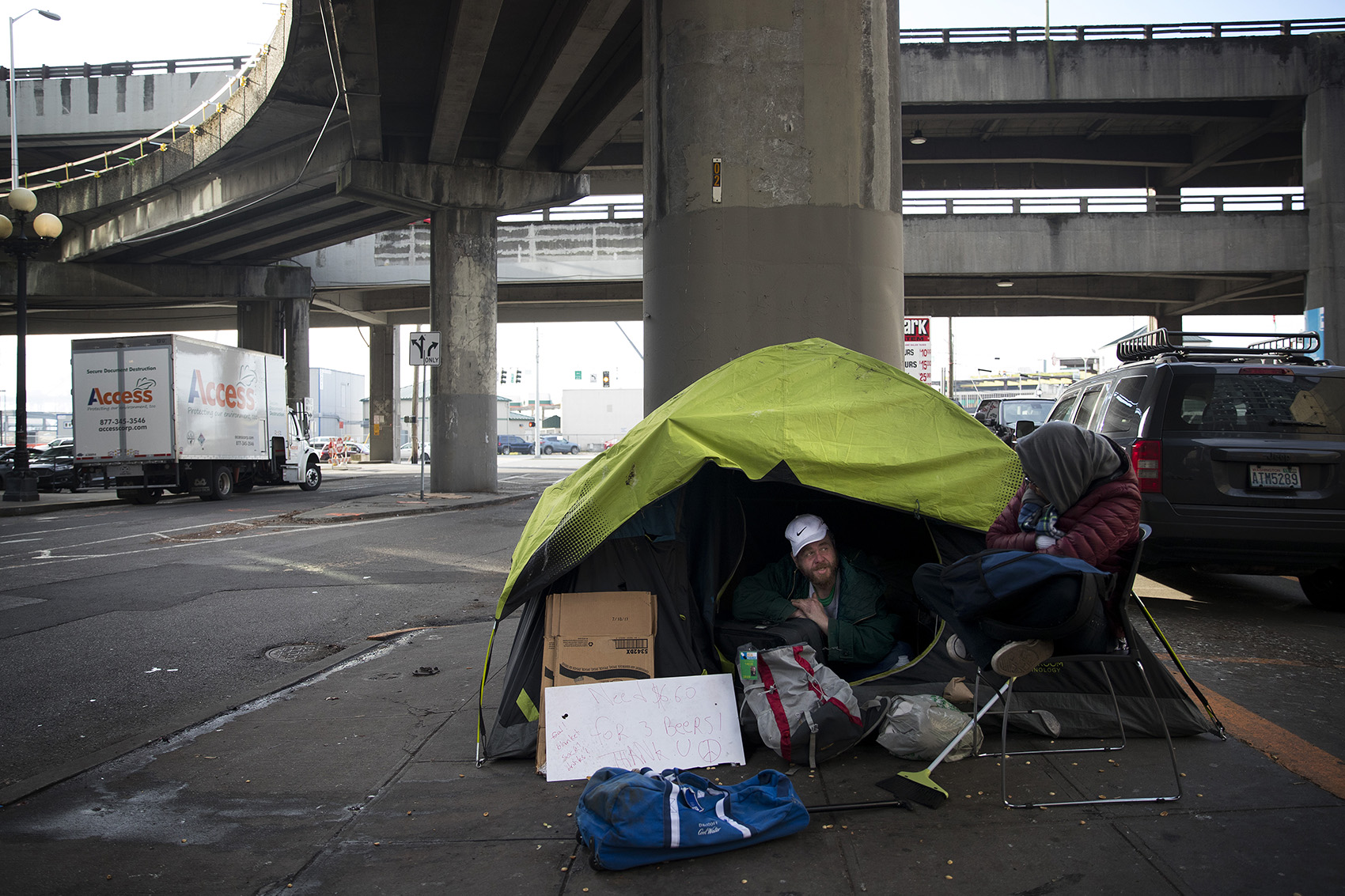
The Role of Community and Advocacy
Addressing homelessness is not solely the responsibility of government agencies or service providers. Community engagement and advocacy play a vital role in raising awareness, fostering empathy, and driving policy change. Local advocacy groups and concerned citizens often work to highlight the needs of the homeless population, advocate for increased funding, and promote innovative solutions. Understanding the numbers, while sobering, can serve as a powerful impetus for collective action and a commitment to ensuring that everyone in Seattle has access to safe and stable housing.
LifeOutOfTheBox is a participant in the Amazon Services LLC Associates Program, an affiliate advertising program designed to provide a means for sites to earn advertising fees by advertising and linking to Amazon.com. Amazon, the Amazon logo, AmazonSupply, and the AmazonSupply logo are trademarks of Amazon.com, Inc. or its affiliates. As an Amazon Associate we earn affiliate commissions from qualifying purchases.