
For many enthusiasts, owning a vintage car is more than just a hobby; it’s a profound lifestyle choice, a tangible connection to automotive history, and a statement of personal style. There’s an undeniable allure to cruising down the California coast in a meticulously restored classic, its lines reflecting a bygone era, its engine humming a nostalgic tune. But for those dedicated to achieving ultimate authenticity and historical accuracy, even the smallest details matter. One such detail, often overlooked but crucial for the discerning vintage car owner, is the license plate. The question frequently arises: Can you actually reuse vintage license plates in California? The good news for classic car aficionados living the “life out of the box” is a resounding yes, thanks to the state’s enlightened Year of Manufacture (YOM) license plate program. This initiative allows eligible vehicles to display period-correct plates, adding an invaluable layer of historical authenticity and personalized charm that perfectly complements the vintage automotive lifestyle.
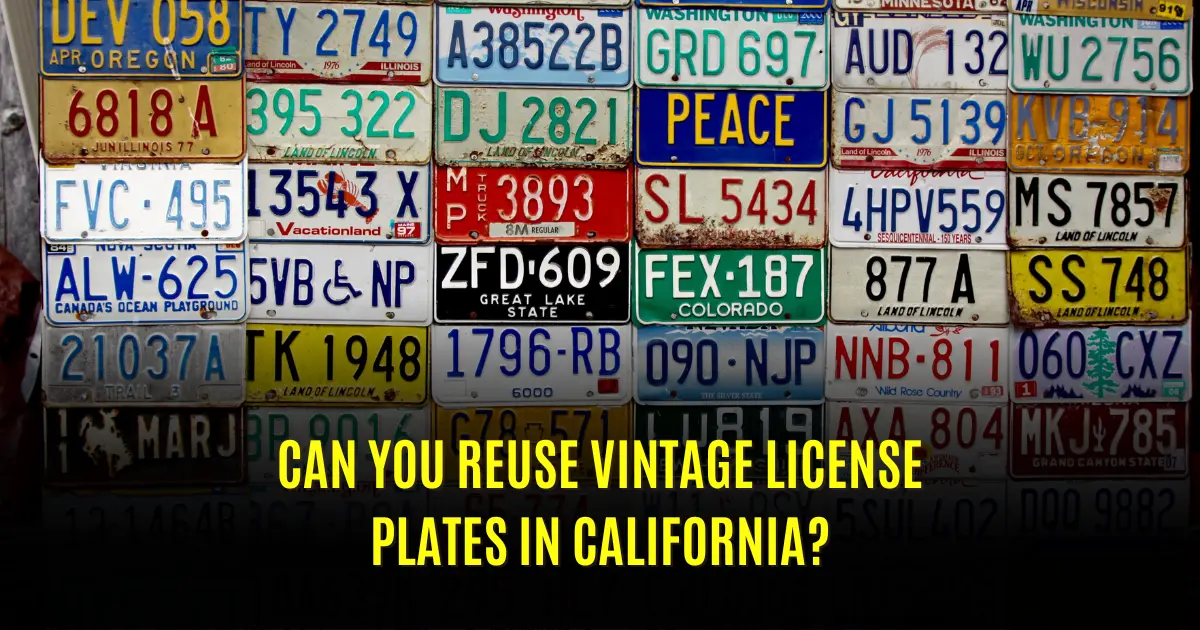
The California YOM program isn’t merely about aesthetics; it’s a nod to preservation, a celebration of automotive heritage, and an opportunity for enthusiasts to imbue their classic cars with a unique sense of place and time. It elevates the experience from simply owning an old car to actively participating in its historical narrative. This guide delves into the nuances of the YOM program, outlining the requirements, the application process, and the broader context of how these vintage plates enhance the classic car lifestyle in the Golden State.
Embracing the Vintage Aesthetic: The California YOM Program
The California Year of Manufacture (YOM) license plate program is a fantastic initiative designed specifically for owners who want their vintage vehicles to look as period-correct as possible. It’s a testament to the state’s appreciation for automotive history and the vibrant classic car culture that thrives within its borders. For the classic car lifestyle, this program is indispensable, allowing for a level of historical accuracy that modern plates simply cannot provide.
What is the Year of Manufacture (YOM) Program?
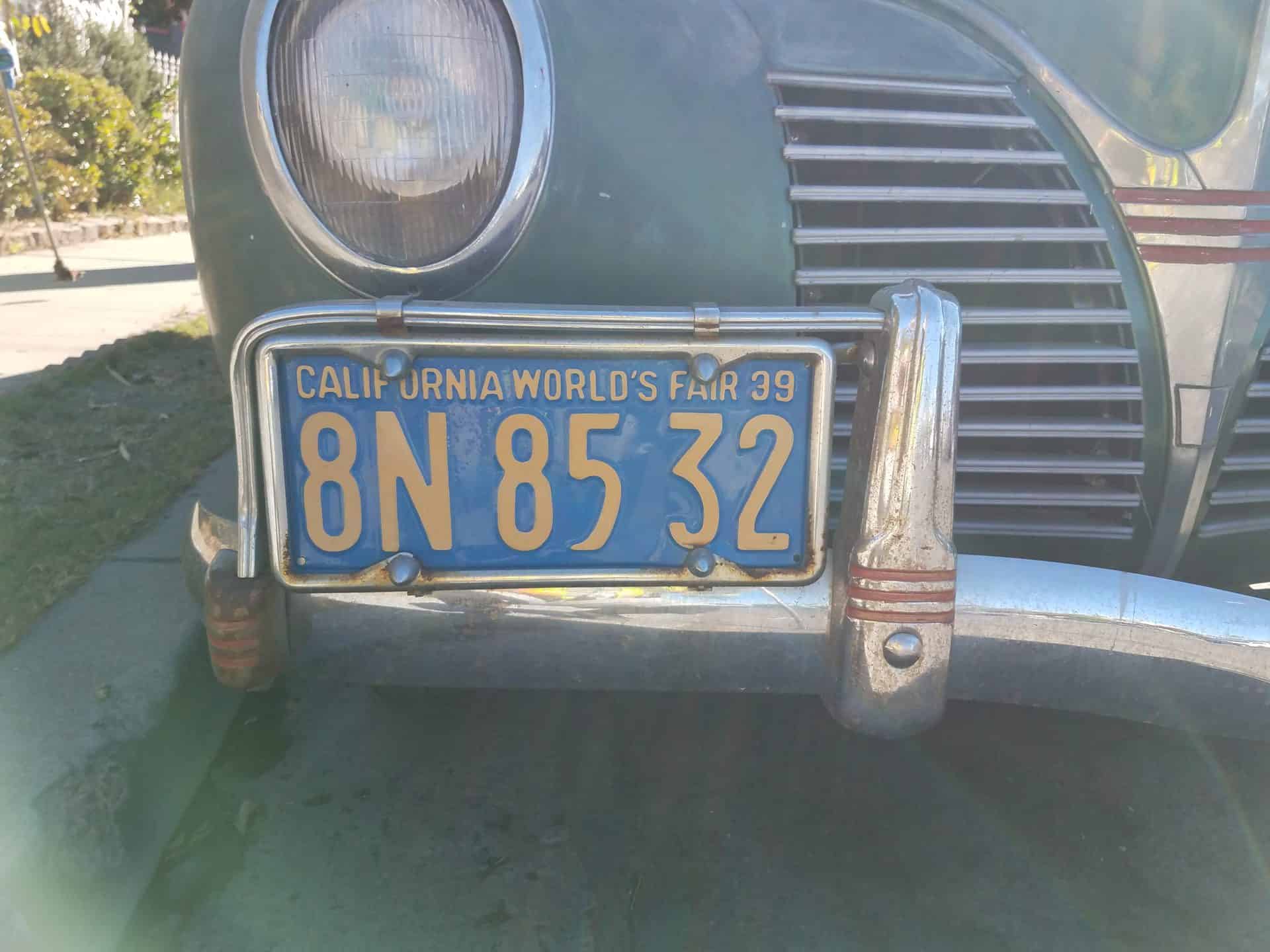
At its core, the YOM program permits owners of certain vintage vehicles to display authentic California license plates that were issued in the same year as their vehicle’s manufacture. Instead of being relegated to contemporary plates that can clash with a classic’s aesthetic, a car from 1965, for example, can legally display a genuine California plate from 1965. This seamless integration of historical detail is crucial for collectors and enthusiasts striving for ultimate authenticity. It’s not just about compliance; it’s about celebrating the design and context of the era, making every drive an immersive experience. This program transforms a standard vehicle registration requirement into an extension of the vehicle’s historical persona, a true reflection of the owner’s commitment to the vintage lifestyle.
Eligibility Requirements: Is Your Classic Car a Fit?
While the allure of YOM plates is broad, the eligibility requirements are quite specific, ensuring that only appropriate vehicles participate in the program. To qualify, your vehicle must meet several key criteria:
- Vehicle Age: The car must be a model year 1969 or older. This cut-off point is critical, as it determines the pool of eligible vintage vehicles.
- Original Plates: You must provide actual California license plates that were issued in the same year as your vehicle’s manufacture. These plates must be authentic, not reproductions, and must have been originally issued for passenger vehicles, commercial vehicles, or motorcycles, depending on your vehicle type.
- Plate Condition: The vintage plates must be in a legible condition. This means they cannot be excessively rusted, bent, or damaged to the point where the numbers or letters are obscured. The Department of Motor Vehicles (DMV) will inspect them for readability and integrity.
- Current Registration: Your vehicle must be currently registered in California.
- Plate Number Uniqueness: The specific vintage plate numbers you wish to use cannot already be assigned to another vehicle in the DMV database. This is a crucial check to prevent duplication.
Understanding these requirements is the first step for any classic car owner looking to fully embrace the vintage aesthetic and comply with California’s regulations.
Finding the Perfect Plate: The Hunt for Authenticity
The search for period-correct plates is an exciting part of the YOM journey for many enthusiasts, often becoming a quest in itself. It taps into the thrill of the hunt inherent in many collecting-based lifestyles. Owners often scour swap meets, online marketplaces, antique shops, and specialty classic car parts dealers to find the perfect set of plates. The condition of the plates is paramount; while some patina is acceptable and even desirable as it adds to the vintage charm, they must remain clearly legible. Many enthusiasts find joy in restoring their newly acquired YOM plates to a suitable condition, carefully cleaning and preserving them without compromising their historical integrity. This search, restoration, and eventual display of authentic plates become a deeply personal and rewarding aspect of the vintage car lifestyle, symbolizing a commitment to detail that sets their vehicle apart.
Navigating the DMV: A Step-by-Step Guide for Enthusiasts
Once you’ve secured the ideal vintage plates for your classic car, the next phase involves interacting with the Department of Motor Vehicles. While the DMV process can sometimes seem daunting, approaching it with a clear understanding of the steps involved will ensure a smoother experience, allowing you to quickly get back to enjoying your vintage ride. This section provides a practical roadmap for the classic car enthusiast.
Application Process: What to Expect
The application for YOM plates typically involves filling out specific DMV forms, most notably the REG 35, “Year of Manufacture License Plate Application.” You will need to provide detailed information about your vehicle, including its make, model, year, and Vehicle Identification Number (VIN). Crucially, you will also need to submit the actual vintage plates you intend to use. It’s advisable to make an appointment at your local DMV office to submit your application, as this can significantly reduce wait times. Be prepared to pay any applicable fees, which are generally modest. While processing times can vary, patience is a virtue in this pursuit of historical accuracy. Having all your documentation in order – current registration, proof of ownership, and the YOM plates themselves – will expedite the process.
Inspection and Verification: Ensuring Compliance with Your Lifestyle Choice
A critical part of the YOM plate approval process is the inspection and verification by the DMV. This step ensures that the plates meet the program’s requirements and are suitable for use. During the inspection, a DMV representative will:
- Verify the Year: Confirm that the year stamped on the plates matches your vehicle’s model year.
- Check Legibility: Ensure that all characters on the plates are clear, readable, and free from significant damage or obstruction.
- Confirm Authenticity: While the DMV doesn’t typically have the resources for forensic analysis, they will assess if the plates appear to be genuine California issues from the specified year, rather than reproductions.
- Database Check: Cross-reference the plate numbers against their database to confirm they are not already active on another vehicle.
Once your application and plates pass inspection, the DMV will process the request, and your vehicle registration will be updated to reflect the use of YOM plates. You’ll then be authorized to affix these cherished pieces of history to your classic ride, completing an important part of your vintage automotive lifestyle.
Common Pitfalls and How to Avoid Them
Even with careful planning, some classic car owners encounter issues during the YOM plate application. Awareness of common pitfalls can help you navigate the process smoothly:
- Illegible Plates: The most frequent issue is plates that are too rusted, faded, or damaged for the numbers to be clearly read. Ensure your chosen plates are in good, readable condition.
- Incorrect Year: Double-check that the plates genuinely correspond to your vehicle’s model year. Misidentifying a plate year or car model year can cause delays.
- Plate Numbers Already in Use: This is a common frustration. Before investing heavily in a set of plates, it’s wise to contact the DMV to perform a preliminary check on the plate numbers, if possible, to see if they are available.
- Lack of Proper Documentation: Ensure you have all necessary vehicle registration documents, proof of ownership, and the completed YOM application form when you visit the DMV.
- Reproductions: The YOM program strictly requires original plates. Reproductions, no matter how accurate, are not permitted.
By being meticulous in your plate selection and preparation, and thorough with your paperwork, you can avoid these common hurdles and successfully integrate YOM plates into your classic car lifestyle.
Beyond the Plates: The Broader Vintage Car Lifestyle in California
The journey to acquire and install Year of Manufacture plates is just one facet of the rich and rewarding vintage car lifestyle in California. The Golden State offers an unparalleled environment for classic car enthusiasts, fostering a vibrant community and providing endless opportunities to enjoy these mechanical marvels.
Car Shows and Communities: Connecting with Fellow Enthusiasts
California is a mecca for car culture, boasting a calendar packed with classic car shows, cruises, and swap meets year-round. From the sprawling events in Los Angeles and the Bay Area to local gatherings in smaller towns, these events provide a vital platform for enthusiasts to connect. Participating in these shows, whether in Sacramento, San Francisco, or anywhere in between, allows owners to showcase their meticulously maintained vehicles, share restoration stories, exchange tips, and forge lasting friendships with like-minded individuals. The YOM plates often spark conversations, adding another layer to the vehicle’s narrative and connecting owners through shared appreciation for historical detail. This camaraderie is a cornerstone of the vintage car lifestyle, enriching the ownership experience far beyond the garage.
Legal Considerations Beyond YOM: Maintaining Your Classic Ride
While securing YOM plates handles one aspect of compliance, owning a vintage car in California involves other important legal considerations. Emissions testing (Smog Check) is a key area, though many older vehicles are exempt. Generally, vehicles model year 1975 and older are exempt from smog checks in California. However, it’s always wise to confirm the latest regulations with the DMV or a trusted classic car mechanic, as rules can occasionally change. Insurance is another crucial factor; specialized classic car insurance policies often offer better coverage and rates than standard auto insurance, recognizing the unique value and usage patterns of vintage vehicles. Understanding these legalities ensures that your pursuit of the vintage lifestyle remains compliant and worry-free.
The Joy of the Open Road: Driving Your Vintage Vehicle in the Golden State
Ultimately, the vintage car lifestyle is about the driving experience. California’s diverse landscapes offer an idyllic backdrop for classic motoring. Imagine cruising your YOM-plated classic down the legendary Pacific Coast Highway, winding through the vineyards of Napa Valley, or navigating the scenic routes of the Sierra Nevada. These drives are not merely transportation; they are journeys back in time, sensory experiences that connect you to the history of automotive engineering and design. The YOM plates become a subtle, yet powerful, testament to the vehicle’s heritage, enhancing every mile of your adventure in the Golden State.
Preserving History and Personalizing Your Ride: Why the YOM Program Matters
The California Year of Manufacture program is more than just a regulatory loophole for old cars; it’s a meticulously designed bridge connecting past and present, offering significant benefits to both the vehicle and its owner within the vintage lifestyle framework.
Historical Significance: A Nod to Automotive Heritage
By allowing original plates to be reused, the YOM program actively participates in the preservation of automotive heritage. Each set of vintage plates tells a small part of California’s story, reflecting the era in which the vehicle first graced its roads. It’s a tangible link to the past, reminding us of different times, designs, and driving cultures. For the classic car owner, displaying YOM plates is a personal act of historical guardianship, a subtle yet powerful declaration of respect for the vehicle’s journey through time. It adds depth and narrative to a car that might otherwise only be appreciated for its mechanical prowess or aesthetic beauty.
Personal Expression: Making Your Vintage Car Truly Yours
In a world increasingly dominated by mass-produced uniformity, the vintage car lifestyle is all about personal expression and individuality. YOM plates offer a unique avenue for this. They are not merely functional items but become an integral part of the car’s identity, often serving as a final, authentic flourish in a detailed restoration. For many, the ability to choose a specific vintage plate, perhaps one with a particular color scheme or graphic that resonates with their car’s design, is a deeply satisfying form of personalization. It elevates the vehicle from a mere possession to a cherished artifact, a rolling piece of art that truly reflects the owner’s passion and personality.
Enhancing Resale Value and Appeal
Beyond the emotional and historical benefits, YOM plates can also offer practical advantages, particularly regarding the vehicle’s market value and appeal. For serious collectors and buyers, authenticity is paramount. A classic car that features period-correct YOM plates, along with a high-quality restoration, often commands a higher price and garners more interest than one without. It signals a meticulous attention to detail on the part of the owner, suggesting that no expense was spared in preserving the vehicle’s original character. This enhanced appeal makes a YOM-plated car a more desirable asset, reinforcing the value of this lifestyle choice for potential future sales.
Conclusion
The answer to “Can you reuse vintage license plates in California?” is unequivocally yes, and the Year of Manufacture program is a brilliant testament to California’s deep-rooted classic car culture. For those living the vintage automotive lifestyle, these plates offer much more than mere legal compliance; they provide a profound connection to history, a distinctive form of personal expression, and a significant enhancement to the overall authenticity and value of their cherished vehicles. Navigating the DMV process, while requiring diligence, is a small effort for the immense satisfaction of seeing your classic car adorned with its rightful period-correct livery. So, if you’re a classic car enthusiast in the Golden State, embrace the journey, find those perfect vintage plates, and let your ride truly tell its story as you cruise down the open roads of California, living a life truly out of the box.
LifeOutOfTheBox is a participant in the Amazon Services LLC Associates Program, an affiliate advertising program designed to provide a means for sites to earn advertising fees by advertising and linking to Amazon.com. Amazon, the Amazon logo, AmazonSupply, and the AmazonSupply logo are trademarks of Amazon.com, Inc. or its affiliates. As an Amazon Associate we earn affiliate commissions from qualifying purchases.