
The question of whether one can discharge a firearm in their own backyard in California is far more intricate than a simple yes or no. For residents and firearm owners navigating the state’s stringent gun laws, understanding the nuances of local ordinances, state statutes, and safety considerations is paramount. While the idea of practicing marksmanship or simply enjoying a recreational shoot on one’s private property might seem appealing, California’s legal landscape often makes such activities highly restricted, if not outright prohibited, in residential settings. This exploration delves into the legal framework, safety imperatives, and potential repercussions associated with backyard firearm discharge, offering a comprehensive look at what it means for the Californian lifestyle.
The Complexities of Firearms Discharge in Residential Areas
Discharging a firearm, even on private property, is not an unfettered right in California. The state maintains a robust regulatory environment concerning firearms, and local jurisdictions often impose further restrictions. The concept of “private property” within a residential context frequently clashes with public safety concerns, noise regulations, and the proximity of neighbors.
State vs. Local Ordinances
At the state level, California Penal Code sections prohibit or regulate the discharge of firearms in specific circumstances. However, the true complexity emerges when considering local ordinances. Cities and counties across California have significant authority to enact their own laws regarding firearm discharge, often making them more restrictive than state law. For instance, while state law might address general prohibitions, a city like Los Angeles or San Diego could have explicit bans on firearm discharge within city limits, regardless of property ownership, unless at a designated shooting range. This patchwork of regulations means that what might be permissible (though highly unlikely) in a very rural, unincorporated part of one county could be a serious offense just miles away in an incorporated city. It is crucial for any firearm owner to consult both state law and the specific municipal code of their city and county before contemplating any discharge of a weapon.
Defining “Backyard” and “Residential Area”
The legal definition of a “backyard” within the context of firearm discharge is not always explicitly carved out but is understood through the broader definitions of residential areas and safety zones. A “residential area” typically refers to any zone where homes are present, regardless of lot size. Most often, the issue is not about the privacy of the property, but the danger posed by projectiles exiting the property or the disturbance caused by noise. For a firearm to be discharged safely, a clear and unobstructed “line of fire” and a robust backstop are required to prevent projectiles from traveling beyond the property line. In most residential backyards, even those with significant acreage, achieving this level of safety without risk to neighbors, their property, or public spaces is incredibly difficult, if not impossible. The inherent danger of a bullet traveling beyond its intended target underscores the severe limitations on backyard shooting in populated areas.
Key Legal Provisions and Restrictions
Navigating the legal landscape of firearm discharge in California requires an understanding of specific statutes and their implications. These provisions are designed to protect public safety and prevent nuisance.
California Penal Code 246.3 and Related Statutes
California Penal Code Section 246.3 is particularly relevant to the discussion of firearm discharge. This statute makes it a felony to willfully and maliciously discharge a firearm in a grossly negligent manner which could result in injury or death to a person. While not explicitly about backyards, the context of a residential area makes it highly probable that any discharge could be deemed “grossly negligent” if it endangers others. Furthermore, other sections of the California Penal Code address specific scenarios. For example, discharging a firearm at an inhabited dwelling or occupied building (PC 246) is a very serious felony. Even if you are on your own property, if your bullet inadvertently strikes a neighbor’s home, you could be liable under this statute, regardless of intent. Other statutes address discharging firearms from a vehicle (PC 26100) or in public places, further cementing the state’s intent to regulate firearm use outside of controlled environments.
Noise Ordinances and Public Disturbance
Beyond direct safety concerns, the noise generated by firearm discharge is a significant legal hurdle in residential areas. Almost all cities and counties in California have noise ordinances that prohibit excessive or disturbing noise, especially during certain hours. The sound of a gunshot, even from a small caliber weapon, is inherently loud and can easily violate these ordinances, leading to citations or fines. Such activity can be classified as disturbing the peace, a misdemeanor offense under California Penal Code 415, and is a common reason for law enforcement response to reports of backyard shooting. The impact on neighborhood tranquility and the potential for alarm among residents are significant factors.
Safety Zones and Proximity to Dwellings
Many local ordinances establish “safety zones” or “no-shoot zones” around schools, parks, churches, and other public gathering places. Often, these zones extend for hundreds of feet or more. Even if your backyard is large, its proximity to any of these protected areas could render firearm discharge illegal. Moreover, the proximity to neighboring homes, even if not explicitly designated as a “safety zone,” creates an inherent risk. A bullet fired from a typical handgun or rifle can travel hundreds, if not thousands, of feet, posing a severe threat to anyone within its trajectory. California law prioritizes public safety, making it exceedingly difficult to justify shooting in an environment where an errant round could harm an innocent bystander.
Safety First: Responsible Firearm Ownership
The core principle of firearm ownership is responsibility. Even in hypothetical scenarios where backyard shooting might be legally permissible, safety considerations must always take precedence. Neglecting these can lead to tragic consequences and severe legal ramifications.
Importance of a Safe Backstop
A fundamental requirement for any firearm discharge is a safe and effective backstop. This is a barrier designed to safely stop and contain projectiles, preventing them from exiting the intended shooting area. In a backyard, achieving an adequate backstop is challenging. Dirt berms, steel plates, or specialized bullet traps are common at designated ranges. For a backyard, a sufficiently tall, wide, and deep earthen berm free of rocks is often the only truly safe option. However, most residential backyards lack the space or suitable terrain for such a structure, making safe containment of bullets virtually impossible. Any backstop must be inspected regularly for wear and tear to ensure continued effectiveness.

Hearing and Eye Protection
Even in a controlled environment, hearing and eye protection are non-negotiable for anyone discharging a firearm or present nearby. The concussive sound of a gunshot can cause permanent hearing damage, and spent casings or bullet fragments can cause severe eye injuries. These protections are vital components of a safe shooting experience, regardless of location. Ignoring them indicates a lack of responsible firearm handling, which can exacerbate any legal or ethical issues if an incident occurs.
Child Safety and Storage
Responsible firearm ownership extends significantly to child safety. Firearms must always be stored securely, unloaded, and separate from ammunition, preferably in a locked safe or with a trigger lock. Discharging a firearm in a backyard, even if legally questionable, creates an environment where children could be exposed to firearms or be at risk from projectile travel or noise. Educating children about firearm safety and securing all weapons from unauthorized access are continuous responsibilities for every gun owner. California has strict laws regarding the safe storage of firearms to prevent access by minors.
Potential Consequences and Liabilities
Engaging in backyard firearm discharge without thoroughly understanding and adhering to all relevant laws carries significant risks, ranging from criminal prosecution to civil lawsuits.
Criminal Charges and Penalties
Violating firearm discharge laws in California can lead to serious criminal charges. Depending on the specific circumstances, location, and whether injury or property damage occurs, charges could range from misdemeanors (e.g., disturbing the peace, violating noise ordinances) to felonies (e.g., grossly negligent discharge of a firearm, shooting at an inhabited dwelling). Penalties for these offenses can include substantial fines, probation, mandatory firearms education, confiscation of firearms, and even lengthy prison sentences. A criminal record can have lasting impacts on one’s employment, housing, and civil liberties.
Civil Liability and Negligence
Beyond criminal charges, an individual who discharges a firearm in their backyard can face significant civil liability. If a bullet causes property damage to a neighbor’s home or vehicle, or, worse, causes injury or death, the firearm owner can be sued for damages. Claims of negligence, gross negligence, or even intentional torts can be brought, leading to potentially massive financial judgments. Homeowner’s insurance policies may not cover damages resulting from illegal or grossly negligent acts involving firearms, leaving the individual fully exposed to financial ruin.
Impact on Neighborhood Relations
Even in situations where no explicit law is broken (which is rare in residential California), discharging a firearm in a backyard can severely damage neighborhood relations. It can create fear, alarm, and resentment among neighbors, leading to frequent calls to law enforcement, neighborhood disputes, and a loss of community trust. Maintaining positive relationships within one’s community is part of a harmonious lifestyle, and activities that disrupt this can have long-term negative consequences.
Alternatives for Recreational Shooting in California
Given the extensive legal and safety challenges, backyard shooting is generally not a viable or advisable activity in most of California. Fortunately, numerous legal and safe alternatives exist for firearm enthusiasts to enjoy their sport.
Permitted Shooting Ranges
The safest and most recommended option for recreational shooting is utilizing a permitted shooting range. California has a wide array of public and private shooting ranges that offer controlled environments, trained staff, appropriate backstops, and clear safety protocols. These facilities are designed for safe firearm discharge and often provide opportunities for various types of shooting, including rifle, pistol, and shotgun sports. Many ranges also offer firearm safety courses and skill development programs.
Designated Public Lands
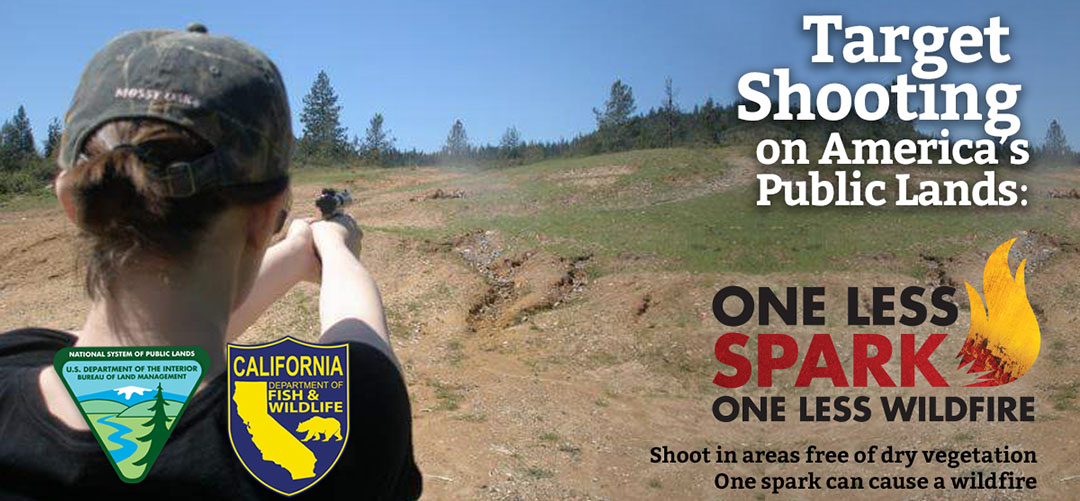
In some very rural, unincorporated areas, certain public lands managed by agencies like the Bureau of Land Management (BLM) allow for target shooting. However, these areas are subject to strict regulations regarding fire danger, target types, cleanup, and specific prohibitions. It is absolutely essential to verify with the local BLM field office or relevant land management agency for current rules and permitted areas before engaging in any shooting activity on public land. Discharging a firearm on unauthorized public land can lead to federal charges.

Private Property Considerations (Beyond Backyard)
For individuals who own extensive tracts of rural land, far removed from residential areas and public spaces, the possibility of private property shooting might exist. However, even in such scenarios, all state and local laws regarding discharge, noise, and safety must be meticulously followed. This includes ensuring an adequate backstop, maintaining a safe distance from property lines, roads, and any structures, and adhering to all hunting or open season laws if applicable. Consulting with local law enforcement or a legal professional specializing in firearm law is highly recommended before considering such an activity to ensure full compliance.
In conclusion, while the appeal of shooting a gun in one’s own backyard might be present for some, the reality in California is that it is almost universally prohibited or severely restricted due to a combination of state laws, local ordinances, and paramount safety concerns. Responsible firearm owners should always prioritize legal compliance and safety, opting for designated shooting ranges or appropriately permitted rural lands for their recreational shooting activities.
LifeOutOfTheBox is a participant in the Amazon Services LLC Associates Program, an affiliate advertising program designed to provide a means for sites to earn advertising fees by advertising and linking to Amazon.com. Amazon, the Amazon logo, AmazonSupply, and the AmazonSupply logo are trademarks of Amazon.com, Inc. or its affiliates. As an Amazon Associate we earn affiliate commissions from qualifying purchases.