
As California continues to solidify its position as a global leader in legal cannabis, many travelers planning a visit to the Golden State naturally wonder about the nuances of public consumption. With recreational cannabis legal since 2018, the landscape is mature, yet specific regulations, particularly concerning where one can legally partake, remain a critical consideration for any responsible tourist. Entering 2025, while the core tenets of cannabis law are stable, understanding the intricacies is paramount to enjoying a hassle-free trip.
The Enduring Legal Framework for Cannabis in California
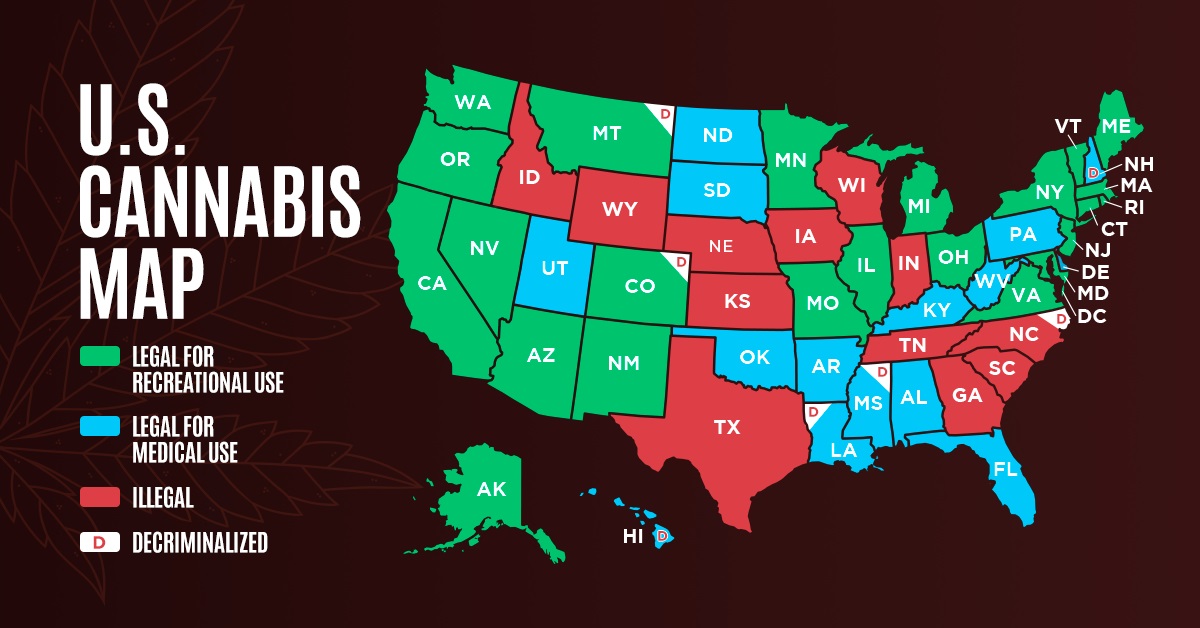
California’s journey with cannabis has been pioneering, from being the first state to legalize medical marijuana in 1996 with Proposition 215, to legalizing adult-use recreational cannabis in 2016 through Proposition 64. This history has shaped a comprehensive regulatory system designed to balance individual freedoms with public safety and health.

A Legacy of Legislation: Understanding Proposition 64
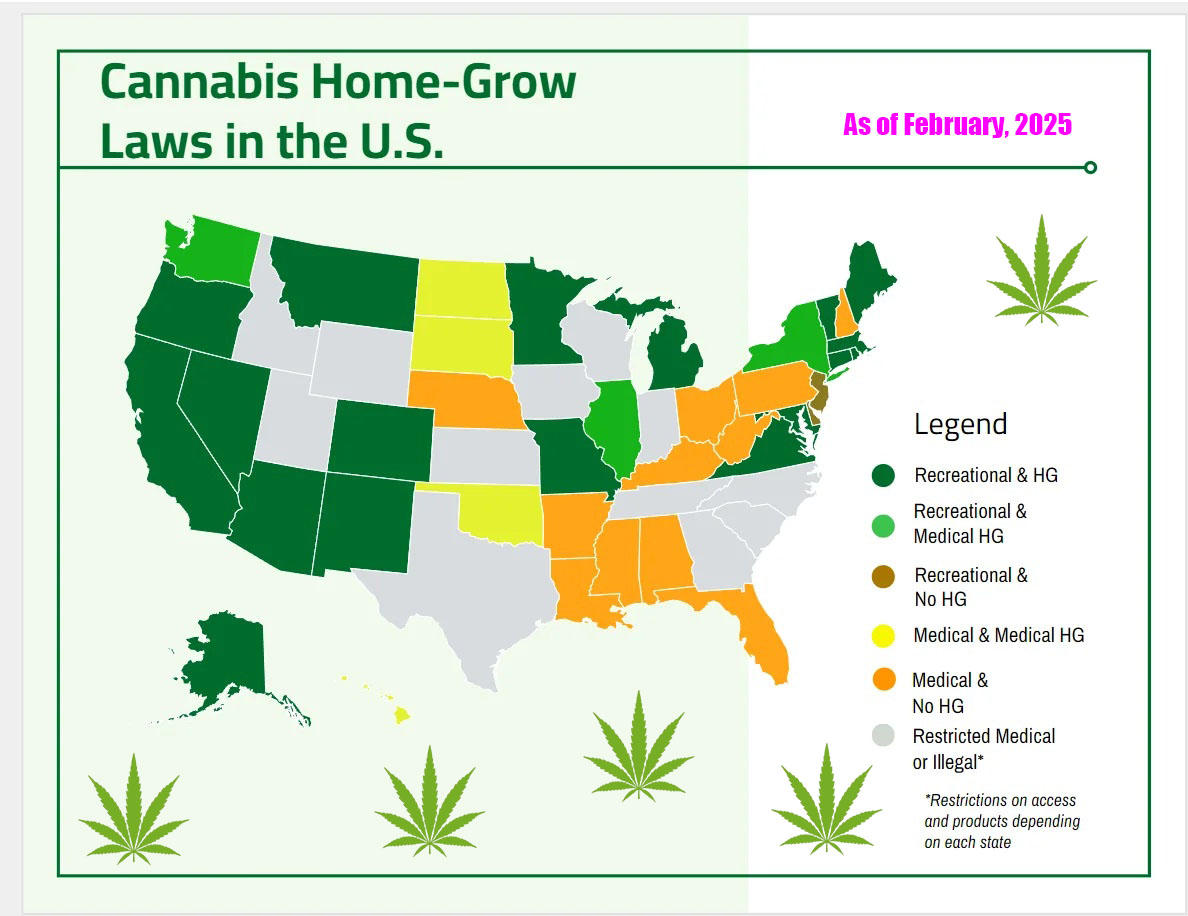
Proposition 64, officially known as the Control, Regulate and Tax Adult Use of Marijuana Act, was a landmark ballot initiative that fundamentally reshaped cannabis access for adults 21 and over. It allows individuals to possess up to 28.5 grams of non-concentrated cannabis and up to 8 grams of concentrated cannabis. It also permits the cultivation of up to six live cannabis plants per residence. However, a crucial distinction enshrined within Prop 64 and subsequent legislation is the prohibition of public consumption. This isn’t merely a suggestion; it’s a clearly defined legal boundary that all visitors must respect. The intent was to regulate cannabis similarly to alcohol, where public intoxication and open container laws often apply.
Defining “Public” in Cannabis Law
For travelers, understanding what constitutes “public” is key. Generally, any place accessible to the public, or visible from a public place, falls under this prohibition. This includes sidewalks, parks, beaches, restaurants, bars, concert venues, and even private property if it’s visible or observable by the public. The law specifically states that smoking or vaping cannabis is illegal in any place where tobacco smoking is prohibited. This immediately brings into play a vast array of public spaces across California where smoking has long been restricted. These definitions are not expected to change significantly by 2025, making adherence to these rules a continuous necessity for visitors.
Where Travelers Can and Cannot Consume Cannabis
Navigating cannabis consumption as a tourist in California requires careful consideration of locations. While buying cannabis is straightforward from licensed dispensaries, where you can legally use it is a much more restricted landscape.
Strict No-Go Zones: Public Spaces and Federal Land
The blanket prohibition on public consumption means that lighting up a joint or consuming edibles in places like Golden Gate Park in San Francisco, Venice Beach in Los Angeles, or any other public thoroughfare is illegal. This includes common areas in multi-unit housing, even if you are a guest. Violations can lead to fines, typically around $100, which can quickly add an unwelcome expense to your travel budget. Furthermore, it is absolutely illegal to consume cannabis on federal land, which includes all National Parks like Yosemite or Sequoia National Park, as well as national forests and other federal properties. Despite state legalization, federal law still classifies cannabis as an illegal Schedule I drug, and federal jurisdiction supersedes state law on these lands.
Private Property and the Rise of Designated Consumption Areas
The safest and most legally compliant place for a traveler to consume cannabis is on private property, specifically a private residence where the owner permits it. For many tourists, this poses a challenge as hotels and short-term rentals often have strict no-smoking policies, which frequently extend to cannabis. Even if a hotel allows tobacco smoking in designated areas, it’s rare to find one that explicitly permits cannabis use.
However, 2025 will likely see a continued expansion of licensed cannabis consumption lounges. These are specialized, regulated venues designed for on-site consumption, offering a legal and social environment for travelers and locals alike. Cities such as West Hollywood and Palm Springs have been at the forefront of licensing these lounges, and more are expected to emerge across the state. These establishments often provide a range of cannabis products for purchase and immediate consumption on-site, along with food, beverages, and entertainment, creating a unique travel experience. Identifying and utilizing these lounges is arguably the best strategy for tourists seeking to consume legally and responsibly.
Cannabis and Transportation: Strict Restrictions
Another critical area for travelers is the prohibition of cannabis consumption in vehicles. It is illegal to smoke or ingest cannabis while driving or riding as a passenger in a vehicle, whether it’s a personal car, a taxi, or a ride-share service. Furthermore, possessing an open container of cannabis (meaning the product is not in its original, sealed packaging or in a child-resistant container) in a vehicle is also prohibited, similar to open container laws for alcohol. Driving under the influence of cannabis is strictly illegal, with severe penalties including fines, license suspension, and potential jail time. For those flying into California, remember that cannabis remains illegal under federal law, meaning it cannot be carried through TSA checkpoints or across state lines, even if both states have legalized it.
Navigating California’s Cannabis Culture Responsibly
For travelers intrigued by California’s cannabis offerings, responsible engagement is key to a positive and memorable experience. The state’s cannabis culture is vibrant and diverse, offering more than just smoking.
Licensed Dispensaries: Your Gateway to Legal Cannabis
The first step for any traveler is to visit a licensed cannabis dispensary. These establishments are highly regulated, ensuring product quality, safety, and compliance with state laws. You’ll need a valid government-issued ID proving you are 21 or older. Dispensary staff are typically well-versed in California cannabis laws and can offer valuable advice on products, dosages, and local consumption rules. They can guide you through the various product types, from flower and pre-rolls to edibles, vapes, and tinctures, each with different onset times and effects. It’s crucial to only purchase from licensed dispensaries; buying from the illicit market carries legal risks and offers no guarantees of product safety. Many major cities, including Los Angeles, San Francisco, Oakland, and San Diego, boast numerous reputable dispensaries.
Cannabis Etiquette and Respect for Local Norms
While California is progressive on cannabis, public perception and local norms vary. Even where technically allowed (e.g., in a private setting), consider your surroundings and others’ comfort levels. Be discreet and respectful, especially in family-friendly areas or near schools. The smell of cannabis, while enjoyed by some, can be off-putting to others. A responsible traveler acknowledges these sensitivities and acts accordingly. Remember, while recreational use is legal, it does not mean it is universally accepted in all social contexts.
Health and Safety: A Traveler’s Guide
For those new to cannabis, or trying a new product, it’s always advisable to start low and go slow. Edibles, in particular, can have delayed and more intense effects. Understanding dosage is critical to avoid an unpleasant experience. Always consume in a safe environment, never when you need to drive or operate machinery. If you are traveling with medication, consult with a doctor to understand potential interactions. Keeping cannabis out of reach of children and pets is also a legal requirement and a common-sense safety measure.
Planning a Cannabis-Conscious California Itinerary for 2025
Integrating cannabis into a California travel itinerary requires foresight and an understanding of the available legal avenues. It’s about enjoying the experience without running afoul of the law.
Destinations Embracing Cannabis Tourism
Certain California cities and regions have been more proactive in establishing cannabis-friendly infrastructure. Los Angeles, particularly areas like West Hollywood, has seen a rise in consumption lounges and cannabis-themed tours. San Francisco continues to have a strong medical and recreational cannabis scene with many dispensaries and a growing number of lounges. Further south, Palm Springs has positioned itself as a destination with a relaxed attitude towards cannabis, boasting several lounges and dispensaries that cater to tourists. Even some wine regions, like those near Santa Barbara, are exploring cannabis and wine pairings or tours, offering unique adult experiences. Researching specific city ordinances is always advisable as local jurisdictions can implement stricter rules than state law.
Exploring Cannabis Lounges and Events
For 2025, the burgeoning scene of cannabis consumption lounges will be the primary legal and social outlet for public consumption. These establishments provide a controlled environment where you can legally purchase and consume various cannabis products. Some lounges even offer live music, comedy, and food menus, blending cannabis consumption with a broader entertainment experience. Beyond permanent lounges, keep an eye out for temporary permits issued for cannabis-friendly events or festivals. These events often provide designated consumption areas, allowing for a communal and legal experience. Websites and apps dedicated to cannabis tourism in California are excellent resources for locating these venues and events.
Beyond Smoking: Alternative Consumption Methods
Travelers who prefer not to smoke can explore the wide array of edibles, tinctures, topicals, and vaporizers available at licensed dispensaries. These methods offer discretion and often have less pervasive odors, making them easier to consume privately in a permissible setting (like a private rental with owner permission) without disturbing others. Vaporizers, in particular, produce less smoke and smell than traditional combustion, offering a more discreet way to consume while still respecting private property rules.
The Future Outlook: What to Expect in 2025 and Beyond
While no seismic shifts in public consumption laws are anticipated for 2025, the trajectory points towards a gradual expansion of safe and legal consumption options. California’s cannabis market is mature but still evolving.
Potential Legislative Tweaks and Market Growth
There may be minor legislative adjustments to further refine the regulatory framework, potentially simplifying the licensing process for consumption lounges or clarifying ambiguities in existing laws. The overall trend is towards a more integrated cannabis industry within the broader hospitality sector. This means more businesses, from boutique hotels to dedicated wellness retreats, might explore ways to legally accommodate cannabis consumers, perhaps through designated outdoor areas or partnerships with consumption lounges. The economic benefits of cannabis tourism are a strong motivator for continued industry growth and legislative support for more consumption venues.
The Rise of Cannabis Tourism Infrastructure
The vision for California’s cannabis tourism ecosystem extends beyond just dispensaries. Expect to see more cannabis-friendly accommodations, tour operators specializing in cannabis experiences, and even wellness centers incorporating cannabis into their offerings. These developments will make it progressively easier for travelers to enjoy cannabis legally and responsibly without resorting to illicit or public consumption. By 2025, the state will likely boast a more robust infrastructure to support cannabis tourism, making it an even more appealing destination for those interested in exploring the legal cannabis market.
In conclusion, while the answer to “Can you smoke weed in public in California 2025?” remains a firm “no,” the options for legal and enjoyable cannabis consumption as a traveler are steadily expanding. By adhering to laws, utilizing licensed dispensaries and consumption lounges, and respecting local customs, visitors can safely and responsibly experience California’s unique cannabis culture.
LifeOutOfTheBox is a participant in the Amazon Services LLC Associates Program, an affiliate advertising program designed to provide a means for sites to earn advertising fees by advertising and linking to Amazon.com. Amazon, the Amazon logo, AmazonSupply, and the AmazonSupply logo are trademarks of Amazon.com, Inc. or its affiliates. As an Amazon Associate we earn affiliate commissions from qualifying purchases.