
Navigating the vibrant landscape of Florida involves not just exploring its sun-drenched beaches and world-class theme parks, but also understanding the essential safety protocols that underpin any successful travel experience. While the allure of Orlando’s magic or the tranquil shores of the Florida Keys beckons, preparedness is paramount. A key aspect of this preparedness, especially in the digital age, is knowing how to access emergency services. This leads to a crucial question for both residents and visitors alike: “Can you text 911 in Florida?” The answer, while increasingly affirmative in many areas, is nuanced and requires a comprehensive understanding for optimal safety.
Understanding the Evolution of Emergency Communications
The traditional method of reaching emergency services has long been the telephone. Dialing 911 has been the standard for decades, a lifeline connecting individuals in distress to police, fire departments, and ambulance services. However, as technology has advanced and communication methods have diversified, emergency services have also evolved. The advent of text messaging, a ubiquitous tool in modern life, naturally prompted discussions about its integration into emergency response systems.
The Rise of Text-to-911
The concept of “Text-to-911” emerged as a vital alternative for situations where speaking is difficult or impossible. This includes scenarios where an individual is deaf, hard of hearing, or experiencing a situation where making a voice call would put them in danger, such as a home invasion or an active threat. The ability to discreetly send a text message allows for communication with 911 dispatchers without drawing attention.
Initial Rollout and Challenges
The implementation of Text-to-911 services across the United States has been a gradual process. It requires significant technological infrastructure, including compatible dispatch systems and cellular network support. Furthermore, dispatchers need specialized training to handle text-based communication, which differs in nature from voice calls. This is due to the potential for delayed responses, the need for clear and concise messaging, and the absence of real-time vocal cues that can provide additional information.
Text-to-911 Availability in Florida
Florida, a state renowned for its diverse tourism and extensive population, has been actively working to expand its Text-to-911 capabilities. The goal is to offer this service statewide, ensuring that all residents and visitors have access to this critical communication channel. However, the rollout has not been uniform, meaning availability can vary depending on the specific county or municipality.
Statewide Initiatives and Progress
Various state agencies and emergency management organizations in Florida have been instrumental in promoting and facilitating the adoption of Text-to-911. These efforts involve coordinating with local public safety answering points (PSAPs), which are the centers that receive 911 calls. Significant investments have been made in upgrading the necessary technology to support text-based communication. The intention is to make the service as seamless and accessible as possible, mirroring the ease with which one might communicate with friends and family via text.
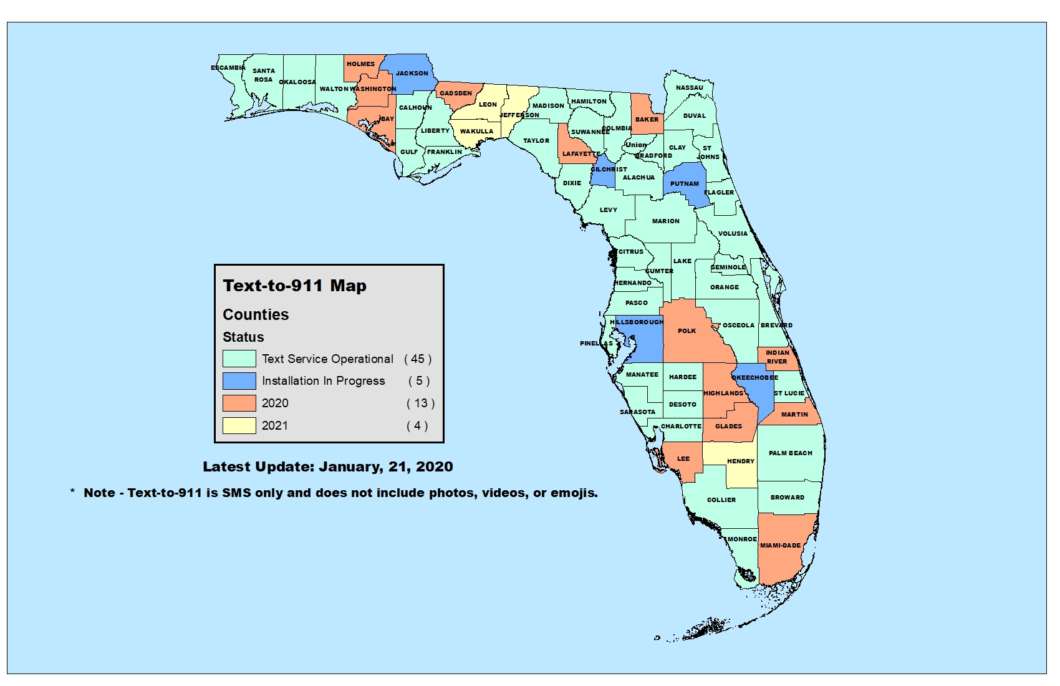
County-by-County Variations
It is essential for anyone traveling in or residing in Florida to understand that Text-to-911 service is not yet universally available. While many counties have successfully implemented the system, others are still in the process of upgrading their infrastructure or have encountered budgetary or logistical hurdles. This means that if you are in a region where Text-to-911 is not yet operational, your text message will likely not be delivered to 911. Instead, you may receive an automated bounce-back message informing you that the service is unavailable and instructing you to call 911 instead.
How to Check Availability
Before traveling to a specific region in Florida, or if you are a resident in an area where you are unsure of the service’s status, it is advisable to check for local availability. Many counties and cities provide information on their official websites, often within the sections dedicated to emergency management or law enforcement. Additionally, some PSAPs may offer public awareness campaigns or have readily accessible information on their social media pages. Knowing this beforehand can save precious time in an emergency.
How to Text 911 Effectively
If you find yourself in an area where Text-to-911 is available and you need to use it, there are specific guidelines to follow to ensure your message is received and understood quickly and accurately. Effective communication is key in emergency situations, and text messaging requires a slightly different approach than voice calls.
Essential Information to Include
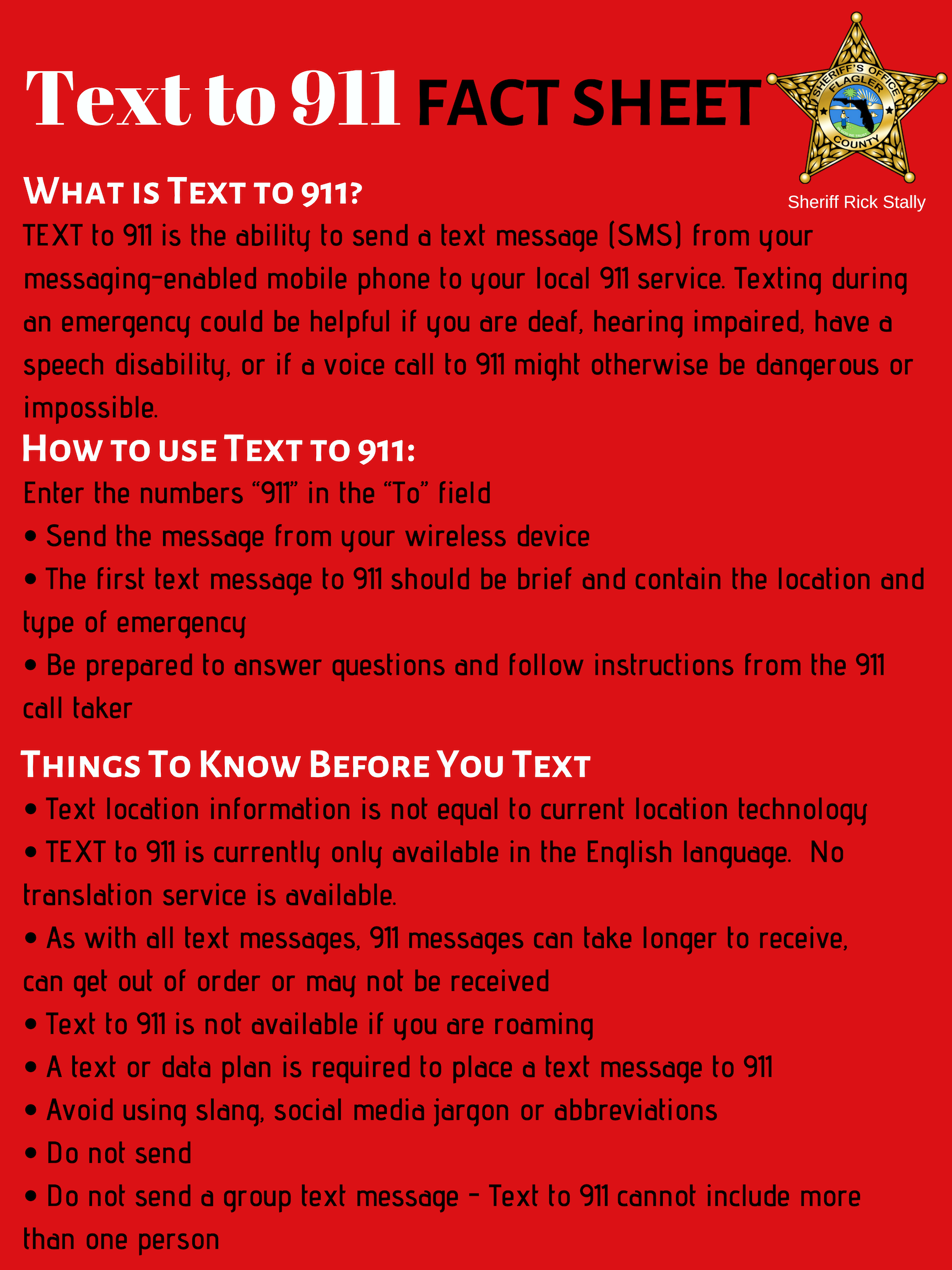
When sending a text to 911, clarity and conciseness are paramount. Your initial message should include:

- The Location of the Emergency: This is the most critical piece of information. Be as specific as possible. Provide the address, cross streets, landmarks, or any other details that can help responders pinpoint your location quickly.
- The Nature of the Emergency: Clearly state what is happening. Are you reporting a crime, a fire, a medical emergency, or something else?
- Your Name: Identify yourself.
- Any Other Pertinent Details: This could include information about suspects, victims, weapons, or any other details that would be helpful for responders.
Best Practices for Texting 911
- Use Clear and Simple Language: Avoid slang, abbreviations, or jargon.
- Be Prepared for a Dialogue: Dispatchers may ask follow-up questions. Respond promptly and clearly.
- Do Not Text and Drive: This is a dangerous distraction and should be avoided at all costs, especially in an emergency.
- Keep Texts Brief: Focus on conveying essential information.
- If You Make a Mistake, Send Another Text: If you accidentally send a text to 911, or if the situation changes, send a follow-up text to clarify or update. Do not assume your initial message was sufficient.
- Do Not Send Photos or Videos Initially: Unless specifically requested by the dispatcher, sending media can slow down the communication process.
What NOT to Do
- Do Not Text to Test the System: This ties up valuable resources and can delay responses to real emergencies.
- Do Not Send Non-Emergency Texts: Text-to-911 is strictly for emergencies. For non-emergency police matters, you should use the non-emergency number for the local police department, which can often be found by searching online for “[City Name] Police Department non-emergency number.”
- Do Not Assume Your Text Was Received: Wait for a confirmation from the dispatcher. If you do not receive a response within a reasonable timeframe, and if it is safe to do so, attempt to call 911.
When to Use Text-to-911 Over Calling
While calling 911 remains the primary and often most efficient way to contact emergency services, Text-to-911 offers crucial advantages in specific circumstances. Understanding these scenarios can empower individuals to make the best choice for their safety.
Situations Where Text-to-911 is Recommended
- When You Cannot Speak: This is the most significant benefit of Text-to-911. If you are unable to speak due to medical reasons, fear, or any other impediment, texting provides a vital communication link. This is particularly important for individuals who are deaf, hard of hearing, or have speech impairments.
- In a Dangerous Situation: If you are in a situation where making a voice call could alert an abuser, intruder, or assailant to your presence, texting is a safer option. It allows you to silently request help without revealing your location or that you are seeking assistance. This could include situations like domestic violence or being held captive.
- When Cell Service is Weak for Voice Calls but Texting Works: In some fringe areas with limited cellular coverage, text messages might still be able to transmit when voice calls cannot. This can be a lifesaver when you are in a remote area or experiencing signal degradation.
The Importance of Calling When Possible
It is important to reiterate that for most emergency situations, calling 911 is the preferred method. Voice calls allow for immediate interaction and the transmission of tone of voice, which can convey urgency and emotional state. Dispatchers can also ask clarifying questions more fluidly and gather information more rapidly during a voice conversation. Therefore, if you can speak and it is safe to do so, always choose to call 911. Text-to-911 is a supplementary service designed to bridge communication gaps, not to replace the primary method of emergency contact.
Beyond Text-to-911: Other Safety Tips for Florida Travelers
While understanding how to text 911 in Florida is an important safety measure, it is just one piece of the preparedness puzzle for enjoying the state’s attractions, from the theme parks of Orlando to the beaches of Miami and the historical charm of St. Augustine. Ensuring a safe and memorable trip involves a broader approach to safety and awareness.
Staying Informed About Local Conditions
Before and during your trip, it is advisable to stay informed about local conditions. This can include weather alerts, advisories from local law enforcement, or information regarding any large events that might impact traffic or crowd levels. Many Florida counties and cities provide emergency alert systems that you can sign up for, often via text message or email, which can keep you informed of critical developments.
Emergency Preparedness Kits
For longer stays or if you are planning to venture into more remote areas, consider packing a basic emergency preparedness kit. This might include essentials like water, non-perishable food, a first-aid kit, a flashlight with extra batteries, and any necessary medications. While not directly related to texting 911, having these supplies can be invaluable in various unforeseen circumstances.
Knowing Your Surroundings
A fundamental aspect of personal safety in any travel destination, including Florida, is to be aware of your surroundings. This means paying attention to who is around you, noting exit routes in public places, and trusting your instincts. If a situation feels unsafe, it is best to remove yourself from it. This applies whether you are exploring a bustling attraction like Walt Disney World Resort or enjoying a quiet evening stroll along the coast.
Contact Information and Communication Plans
Always have important contact information readily accessible, both digitally and, if possible, in a physical format. This includes emergency contacts, hotel information (if applicable), and the non-emergency numbers for local law enforcement in the areas you will be visiting. If traveling with family or friends, establish a communication plan in case you become separated. This could involve designating a meeting point or agreeing on check-in times. By combining an understanding of emergency communication tools like Text-to-911 with general safety practices, travelers can enhance their peace of mind and their ability to navigate any situation confidently while exploring the wonders of the Sunshine State.
LifeOutOfTheBox is a participant in the Amazon Services LLC Associates Program, an affiliate advertising program designed to provide a means for sites to earn advertising fees by advertising and linking to Amazon.com. Amazon, the Amazon logo, AmazonSupply, and the AmazonSupply logo are trademarks of Amazon.com, Inc. or its affiliates. As an Amazon Associate we earn affiliate commissions from qualifying purchases.