
Navigating the world of work as a teenager can be an exciting and formative experience, offering invaluable lessons in responsibility, financial independence, and career exploration. For those in Texas, the prospect of earning a paycheck at 15 years old is certainly achievable, but it comes with a specific set of rules and requirements designed to protect young workers. Understanding these regulations is crucial for both aspiring young employees and their employers. This guide will demystify the process of obtaining a work permit in Texas for 15-year-olds, outlining the necessary steps, documentation, and key considerations.

Understanding Youth Employment Laws in Texas
In Texas, the employment of minors is governed by both federal and state laws. The primary federal law is the Fair Labor Standards Act (FLSA), which sets minimum age requirements for employment, restricts the number of hours minors can work, and prohibits them from working in hazardous occupations. The Texas Labor Standards Act complements federal regulations, often providing additional protections or clarifying specific procedures.
For 15-year-olds, the key takeaway from these laws is that they are generally permitted to work, but with certain limitations. The most significant of these limitations pertains to the types of jobs they can hold and the hours they can work. Hazardous jobs are strictly off-limits, and there are restrictions on working during school hours. The work permit itself serves as a document that ensures these legal stipulations are being met, acting as a safeguard for the minor’s education and well-being.
Age Restrictions and Permitted Occupations
At 15 years old, individuals are considered minors under Texas law for employment purposes. The FLSA sets the minimum age for most non-agricultural work at 14. However, for 14- and 15-year-olds, there are specific regulations regarding the types of occupations and the hours they can work.
Permitted Occupations: Generally, 15-year-olds can work in a wide range of non-hazardous occupations. These often include:
- Retail sales and service
- Food service (e.g., fast-food restaurants, cafes)
- Clerical and administrative roles
- Stocking and shelving
- Customer service positions
- Amusement and recreational facilities
Prohibited Occupations: It is imperative to understand that certain jobs are deemed too dangerous for minors under 18. For 15-year-olds, this list is particularly extensive and includes, but is not limited to:
- Operating power-driven machinery (e.g., forklifts, circular saws)
- Working with hazardous chemicals or substances
- Manufacturing and mining operations
- Driving motor vehicles as part of their job duties
- Roofing, excavation, and demolition work
- Jobs involving working at heights exceeding a certain limit
- Any work that exposes them to excessive noise or extreme temperatures
Employers are legally obligated to ensure that the jobs offered to 15-year-olds do not fall into these prohibited categories. Violations can result in significant penalties for the employer.
Hours of Work Limitations
Beyond the type of work, the hours a 15-year-old can work are also strictly regulated. These limitations are in place to ensure that employment does not interfere with their education or cause undue fatigue.
During the School Year:
- School Days: A 15-year-old can work no more than 3 hours on any day that school is in session.
- Non-School Days: On days when school is not in session (weekends, holidays, school breaks), they can work up to 8 hours.
- Weekly Limit: During the school year, the total hours worked in any week where school is in session cannot exceed 18 hours.
During School Vacation Periods (Summer Break):
- When school is not in session for an extended period (typically more than two consecutive weeks, such as summer vacation), 15-year-olds can work up to 8 hours per day.
- The weekly limit during these vacation periods increases to 40 hours.
Crucially, a 15-year-old cannot work during school hours unless specifically exempted by law, which is uncommon for standard employment. The work permit application process often involves verifying school enrollment and ensuring that proposed work hours do not conflict with school attendance.
The Work Permit: Obtaining Your “Statement of Age”
In Texas, the document that essentially allows a 15-year-old to work is not called a “work permit” in the same way it might be in other states. Instead, it’s referred to as a “Statement of Age” (also known as a Child Labor Law Certificate or Age Certificate). This certificate serves as official proof that the minor meets the age requirements for employment under federal and state child labor laws.
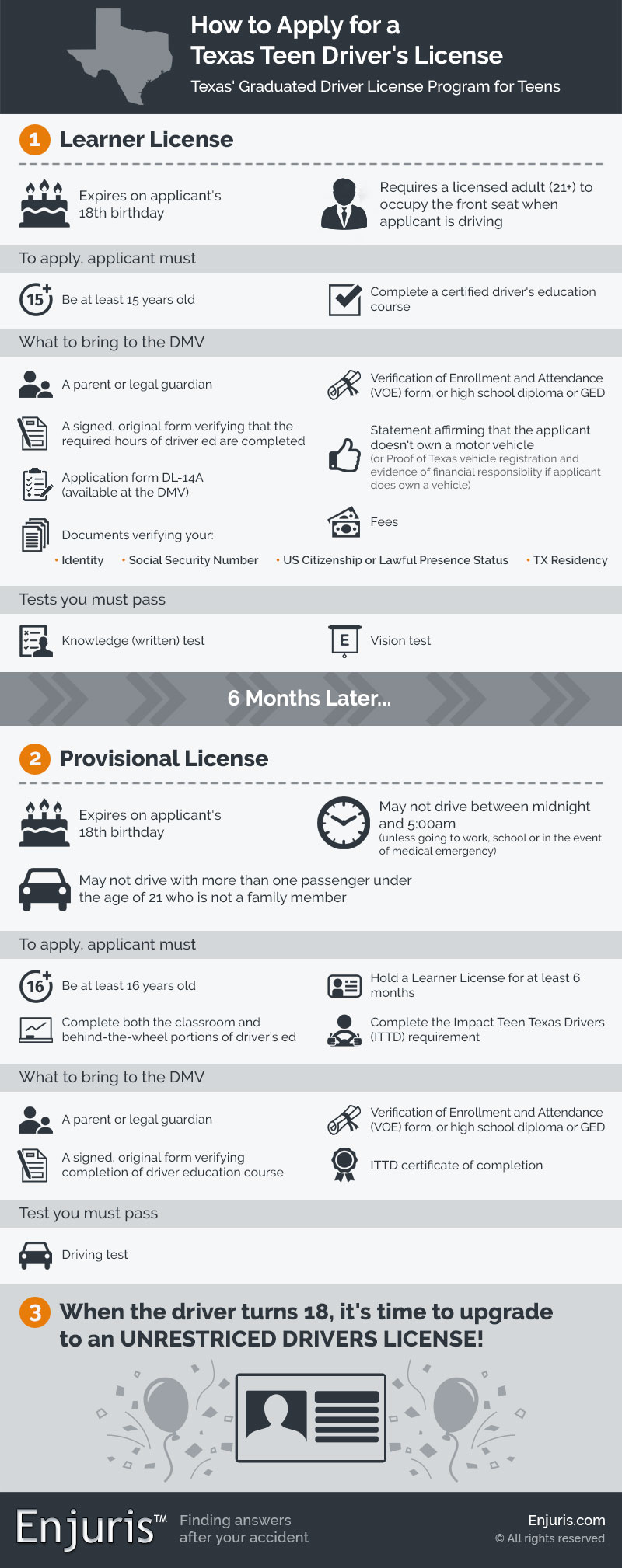
The issuance of this statement is typically handled by public school officials or authorized agencies. The process is designed to be straightforward, ensuring that young individuals can legally enter the workforce.
Step-by-Step Application Process
Obtaining a Statement of Age involves several key steps:
- Secure a Job Offer (Recommended but Not Always Mandatory): While not strictly required to apply for the Statement of Age, having a prospective employer interested in hiring you makes the process more concrete. The employer may request this document before or shortly after hiring.
- Obtain the Application Form: The official application form for a Statement of Age can usually be obtained from the school counselor’s office, the principal’s office, or directly from the Texas Department of Labor or Wage and Hour Division. Many school districts also make these forms available on their websites.
- Gather Required Documentation: To complete the application, you will need to provide proof of identity and age. Acceptable documents typically include:
- Birth Certificate: An official original or certified copy of your birth certificate is the most common and preferred form of identification.
- Passport: A valid U.S. passport or foreign passport with U.S. visa.
- Other Government-Issued Identification: In some cases, other official documents like a state-issued ID card or a Social Security card may be accepted, but this can vary. It’s best to confirm with the issuing authority.
- Proof of School Enrollment: You may need to provide a document confirming your current school enrollment status.
- Complete the Application Form: Fill out the application accurately and completely. This will include your personal details, your parents’ or guardians’ information, and potentially details about your prospective employment (if known).
- Submit the Application and Documents: Take the completed application form and your supporting documentation to the designated issuing authority. This is typically a school administrator (principal or designated staff member) or an official at a Texas Workforce Commission (TWC) office.
- Issuance of the Statement of Age: Once the issuing authority verifies your identity and age, and confirms you meet the eligibility criteria, they will issue the Statement of Age. This document will state your name, date of birth, and that you are of legal age to work under the specified labor laws.
Important Note: The “Statement of Age” is often issued by the school the minor attends. Therefore, the school principal or a designated staff member usually has the authority to sign and issue this document.
Key Considerations for Young Workers and Employers
Securing a Statement of Age is only part of the equation for a successful and legal employment experience for a 15-year-old. Both the young worker and the employer have responsibilities and considerations to keep in mind.
Rights and Responsibilities of a 15-Year-Old Employee
As a 15-year-old entering the workforce, understanding your rights and responsibilities is paramount.
- Right to a Safe Workplace: You have the right to work in an environment that is free from hazards and does not expose you to dangerous conditions or machinery.
- Right to Fair Wages: You are entitled to be paid at least the federal minimum wage, which is currently $7.25 per hour, unless an exception applies (e.g., for tipped employees, though specific rules apply).
- Right to Adhere to Hour Limitations: Your employer must respect the legally mandated limits on the hours you can work, especially concerning school days and school hours.
- Responsibility to Maintain School Performance: Your primary role is still that of a student. You have a responsibility to ensure your work does not negatively impact your academic performance. This includes being punctual for work and fulfilling your job duties responsibly.
- Responsibility to Report Issues: If you encounter any unsafe conditions, feel pressured to work beyond legal hours, or experience any form of mistreatment, you should report it immediately to a trusted adult, your parents/guardians, or the appropriate labor authorities.
Employer Obligations and Best Practices
Employers looking to hire 15-year-olds must be fully aware of their legal obligations to ensure compliance and foster a positive work environment.
- Verification of Age: Employers must verify that a minor has a valid Statement of Age or other acceptable proof of age before employment. Keeping a copy of this document on file is good practice.
- Compliance with Occupation Restrictions: Employers must strictly adhere to the list of prohibited occupations for minors under 18. Failure to do so can result in severe penalties, including fines and potential legal action.
- Adherence to Hour Limitations: Meticulously tracking and enforcing the work hour limitations is essential. This includes understanding the difference between school days, non-school days, and school vacation periods.
- Provision of a Safe Work Environment: Employers are responsible for identifying and mitigating any potential hazards in the workplace. This involves providing necessary safety training and equipment.
- Accurate Record-Keeping: Maintaining accurate records of hours worked, wages paid, and employee information is crucial for compliance.
- Open Communication: Fostering an environment where young employees feel comfortable discussing any concerns or issues is vital.

Navigating Potential Challenges
While the process is designed to be accessible, some challenges may arise:
- School Policies: Different school districts might have slightly varied procedures or require specific forms. It’s always best to check with your local school administration first.
- Employer Readiness: Some smaller businesses might not be familiar with child labor laws. As a young applicant, you might need to politely provide information or direct them to resources from the Texas Department of Labor.
- Finding Suitable Employment: Not all jobs are suitable for 15-year-olds. Focusing your search on industries and roles that commonly hire younger workers (e.g., retail, fast food, movie theaters like Alamo Drafthouse Cinema, summer camps) can streamline the process.
By understanding these requirements and responsibilities, 15-year-olds in Texas can confidently pursue employment opportunities, gaining valuable experience while adhering to all legal guidelines. The Statement of Age is a gateway, and with careful attention to detail, young Texans can embark on their professional journeys successfully.
LifeOutOfTheBox is a participant in the Amazon Services LLC Associates Program, an affiliate advertising program designed to provide a means for sites to earn advertising fees by advertising and linking to Amazon.com. Amazon, the Amazon logo, AmazonSupply, and the AmazonSupply logo are trademarks of Amazon.com, Inc. or its affiliates. As an Amazon Associate we earn affiliate commissions from qualifying purchases.