
The Sunshine State is synonymous with warm weather, palm trees, and vibrant attractions. For many, the mere mention of Orlando, Florida conjures images of sun-drenched theme parks and balmy evenings. Yet, a common question, particularly for those planning a visit from cooler climates, arises: does it snow in Orlando, Florida? The answer, while generally leaning towards a resounding “no,” is nuanced and offers a fascinating glimpse into the region’s climate and rare meteorological events.
This exploration delves into the likelihood of snowfall in Orlando, examining the climatic conditions that influence it, historical occurrences, and what visitors can expect regarding winter weather in this popular tourist destination. Understanding these factors is crucial for setting accurate expectations and appreciating the unique weather patterns that define central Florida.
Understanding Orlando’s Climate
Orlando’s climate is best described as humid subtropical, characterized by hot, humid summers and mild winters. The region experiences distinct wet and dry seasons, with rainfall peaking during the summer months due to afternoon thunderstorms.
Temperature Trends
Average temperatures in Orlando fluctuate throughout the year. Summers, from June to August, are typically hot, with daily highs averaging in the upper 80s to low 90s Fahrenheit (around 31-33°C). Humidity can make these temperatures feel even more intense.
Winters, from December to February, offer a welcome respite from the summer heat. Average daily high temperatures in winter hover around the mid-60s Fahrenheit (approximately 18-20°C), while nighttime lows can dip into the 40s (around 4-9°C). Freezing temperatures are infrequent but not unheard of, especially during cold snaps originating from the north. These cooler periods are what create the possibility of frost and, in extremely rare instances, frozen precipitation.
Precipitation Patterns
The majority of Orlando’s precipitation falls as rain, primarily during the summer months. Snowfall, on the other hand, is an exceptionally rare event. The atmospheric conditions required for snow formation typically involve temperatures at or below freezing throughout a significant depth of the atmosphere, from the cloud where the precipitation forms all the way down to the ground. In Orlando, while ground temperatures might occasionally dip to or below freezing during winter nights, the air temperatures in the upper atmosphere are often too warm for snow to form or survive its descent.
The Rarity of Snowfall in Orlando
The probability of witnessing snowfall in Orlando, Florida is exceedingly low. For snow to fall, several critical atmospheric conditions must align perfectly:
- Sufficient Cold Air: The air temperature must be at or below 32°F (0°C) from the cloud layer down to the ground.
- Moisture Source: There needs to be enough moisture in the atmosphere to form precipitation.
- Upward Air Motion: This helps to lift moisture into the colder parts of the atmosphere.
In Orlando, while cold fronts can bring significantly cooler temperatures in winter, they often lack the sustained atmospheric depth of freezing air needed for snow. More commonly, these cold fronts are associated with dry air, or the temperatures might be just cold enough for frost or a brief period of freezing on the ground, but not consistently cold enough aloft for snow.
Historical Snowfall Events
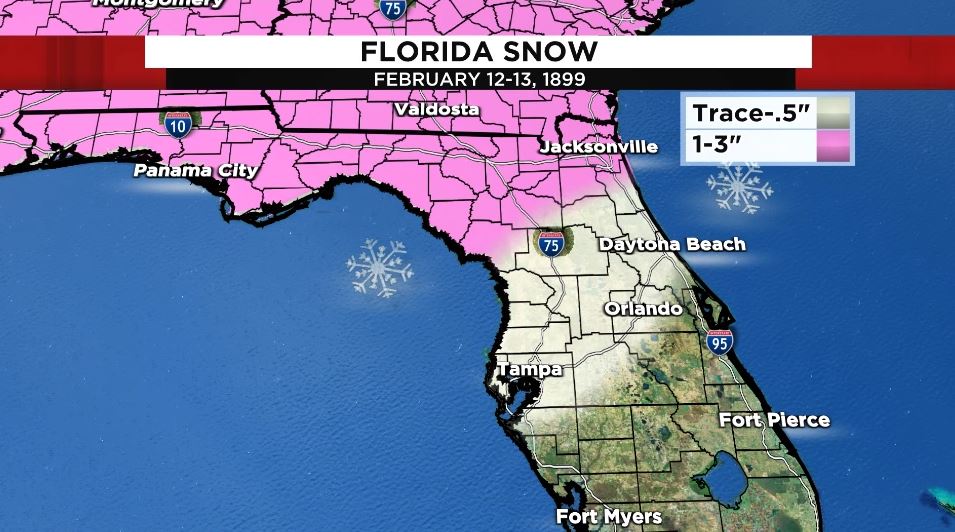
Despite the rarity, there have been a few documented instances of snow or a snow-like precipitation in Orlando. These events are often the stuff of local legend and are recalled with a sense of novelty.
The most significant snowfall event in Orlando’s recorded history occurred on January 19, 1977. This date is etched in the memories of Floridians who experienced it. While the accumulation was minimal, typically measured in fractions of an inch, it was enough for residents to see and feel snow falling from the sky. The cold air mass was strong enough to allow snowflakes to reach the ground and melt on contact in many areas, but in some localized spots, a light dusting was observed. This event was part of a larger winter storm system that affected much of the southeastern United States, bringing cold and some frozen precipitation to areas that rarely experience it.
Another notable, though less impactful, event occurred on December 22, 2017. This time, a mix of sleet and a very light dusting of snow was reported across parts of central Florida, including the Orlando metropolitan area. The precipitation was so light that accumulations were negligible, and it melted almost immediately upon hitting warmer surfaces. However, it was enough to generate excitement and a flurry of social media activity as residents shared their disbelief and delight at the unusual sight.
These historical occurrences highlight that while extremely unlikely, the possibility of experiencing a form of snow in Orlando cannot be entirely dismissed. They are typically associated with exceptionally strong and prolonged cold air intrusions from the north, combined with sufficient atmospheric moisture.
What to Expect During Orlando’s “Winter”
For travelers planning a trip to Orlando, Florida during the winter months (December through February), understanding the typical weather patterns is far more pertinent than anticipating snow.
Mild Temperatures and Sunshine
Orlando winters are generally pleasant and sunny. Highs in the 60s and 70s Fahrenheit (15-25°C) are common, making it an ideal time for outdoor activities and exploring the numerous theme parks and attractions. The lower humidity compared to the summer months also makes the weather feel more comfortable.
Potential for Cold Snaps
While the majority of winter days are mild, Orlando does experience occasional cold snaps. These are typically short-lived and brought by cold fronts. During these periods, temperatures can drop into the 40s or even 30s Fahrenheit (0-9°C), especially overnight. Residents and visitors might need to bundle up with a light jacket or sweater. Freezing temperatures can occur, particularly in the early morning hours, leading to frost on surfaces. However, even during these cold spells, the likelihood of snow remains very slim.
Packing Essentials
When packing for a winter trip to Orlando, focus on layers. Include light jackets, sweaters, long-sleeved shirts, and perhaps a pair of jeans. Comfortable walking shoes are a must for navigating the parks. You might also want to pack a light scarf and gloves for the cooler evenings or early mornings, but heavy winter gear is generally unnecessary. Remember that even in winter, Florida sunshine can be strong, so sunscreen is still a good idea.
The Winter Weather Advantage for Visitors
The infrequent occurrence of snow in Orlando, Florida actually contributes to its appeal as a winter travel destination. For many, the primary draw is escaping colder climates.
A Respite from Winter Woes
Visitors from the northern United States, Canada, or Europe often seek out Orlando to experience a break from snow, ice, and frigid temperatures. The mild winter climate allows for uninterrupted enjoyment of outdoor attractions like Walt Disney World Resort, Universal Orlando Resort, and SeaWorld Orlando.

Ideal Conditions for Exploration
The comfortable temperatures make it perfect for exploring beyond the theme parks as well. Consider visiting Lake Eola Park, strolling through the Harry P. Leu Gardens, or taking a day trip to the nearby Kennedy Space Center Visitor Complex or the beaches along the Atlantic Coast and the Gulf of Mexico. The lower humidity and pleasant warmth are conducive to walking, cycling, and outdoor dining.
In conclusion, while the question of “Does it snow in Orlando, Florida?” can be answered with a historical nod to extremely rare events, the practical reality for travelers is that snow is not a factor to consider. Instead, visitors can look forward to mild, sunny winters, offering a perfect escape and an ideal environment for enjoying all that Orlando has to offer. The absence of significant winter weather challenges is, in itself, a major attraction for this beloved tourist hub.
LifeOutOfTheBox is a participant in the Amazon Services LLC Associates Program, an affiliate advertising program designed to provide a means for sites to earn advertising fees by advertising and linking to Amazon.com. Amazon, the Amazon logo, AmazonSupply, and the AmazonSupply logo are trademarks of Amazon.com, Inc. or its affiliates. As an Amazon Associate we earn affiliate commissions from qualifying purchases.