
The landscape of modern accommodation booking is often perceived as a realm dominated by credit cards. For years, the standard advice for travelers checking into a luxury resort in New York City or a boutique apartment in London was to carry a credit card for security deposits and incidentals. However, as financial habits evolve and more consumers move away from traditional debt, the question of whether one can use a debit card for a hotel stay has become increasingly relevant. The short answer is yes, but the logistical reality is far more nuanced than a simple swipe or tap.
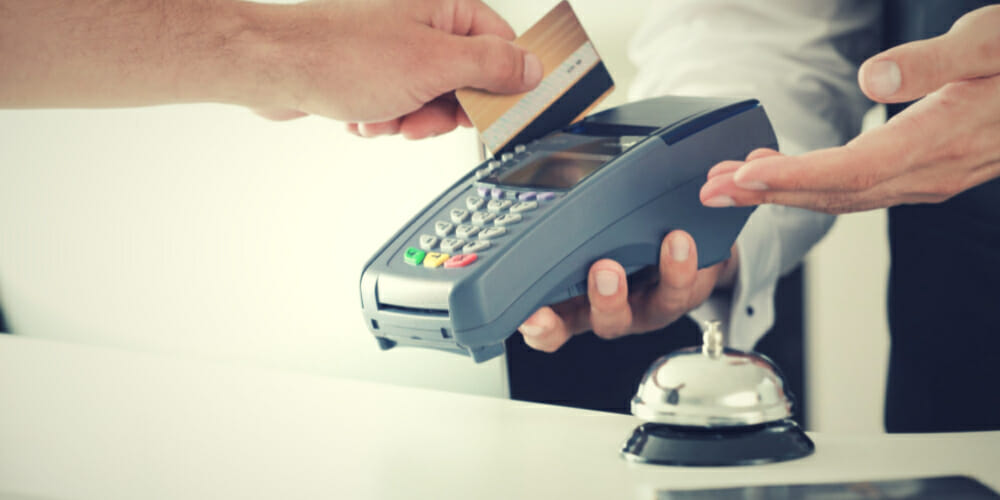
Navigating the world of hotel payments requires an understanding of how the hospitality industry manages risk. Whether you are staying at a high-end property like The Ritz-Carlton or a budget-friendly option in Florida, the payment method you choose impacts your available cash flow, your check-in experience, and even your ability to secure a room in the first place.
The Mechanics of Using Debit Cards in Accommodation
The primary reason guests wonder about debit card usage is the “pre-authorization” process. Unlike a standard retail transaction at a shop in Paris, where the money leaves your account immediately for a fixed amount, a hotel transaction is often split into two phases: the hold and the settlement.
Understanding the Pre-Authorization Hold
When you present a debit card at the front desk of a Marriott International property or a Hilton Worldwide hotel, the clerk will “authorize” an amount that covers the room rate, taxes, and an additional daily fee for incidentals. With a credit card, this hold simply reduces your available credit limit. With a debit card, however, the bank physically moves those funds into a “pending” state. This means the money is no longer accessible for your meals, transport, or souvenirs while you explore Tokyo or Barcelona.
Settlement and Release Times
The most significant hurdle for debit card users is the release time. After you check out of a resort like The Bellagio in Las Vegas, the hotel sends a signal to your bank to finalize the charge. While the hotel releases the hold immediately, banks often take between three to ten business days to reflect this in your balance. For a traveler on a cross-country trip through the United States or Canada, having several hundred dollars tied up for a week can create significant financial strain.
The Pros and Cons of Debit vs. Credit for Bookings
Choosing a debit card for your stay at a Fairmont Hotels location or an independent villa in Italy comes with a specific set of advantages and disadvantages that every guest should weigh before arrival.
Advantages of Debit Card Usage
For many, the primary advantage is financial discipline. Using a debit card ensures that you are only spending money you actually possess, preventing the “vacation debt” that often follows a trip to expensive hubs like Dubai or Singapore. Furthermore, travelers who do not qualify for high-limit credit cards or those who prefer to keep their credit scores insulated from large travel swings find debit cards to be a necessary tool.
In certain regions, such as Germany or the Netherlands, debit-style cards are actually more common and sometimes preferred over credit cards for local transactions. However, the international hospitality standard still leans heavily toward credit for the sake of merchant security.
Risks and Disadvantages
The risks are primarily centered on liquidity. If a hotel in Sydney places a $500 hold on your account for a five-night stay, and your bank is slow to release it, you might find your card declined at a restaurant later in the week. Additionally, debit cards offer fewer consumer protections than credit cards. If an erroneous charge appears from a stay at The Savoy, it is your actual cash that is missing while the dispute is investigated, whereas, with a credit card, you are simply disputing a line item on a monthly statement.
Regional and Brand-Specific Policies
Not all hotels treat debit cards equally. Policy variations are common across different countries and brand tiers. Understanding these can help you avoid being turned away at the door of a Sheraton or a Hyatt property.

Policy Variance in North America
In the United States, most major chains allow debit cards but will require a government-issued ID that matches the name on the card. Some luxury properties, such as Wynn Las Vegas or The Plaza Hotel, may have stricter policies, occasionally requiring a larger incidental deposit if a credit card isn’t provided.
European and Asian Standards
Travelers visiting France or Spain will find that while debit cards are widely accepted, the “incidental” culture is slightly different. Some European boutique hotels may only charge the room rate upfront and ask for a card on file for extras, rather than placing a massive hold. In contrast, in high-growth tourism markets like the United Arab Emirates, particularly at iconic sites like the Burj Al Arab, the financial requirements at check-in are stringent, and using a debit card may require a substantial balance to ensure the “hold” does not bounce.
The Role of Third-Party Booking Sites
If you book your accommodation through platforms like Expedia or Booking.com, you might pay the full amount via debit card online. However, remember that the “Online Paid” status does not exempt you from the hotel’s own check-in policy. Even if the room is paid for, a property in Rome or Chicago will still demand a card for potential damages or room service.
Best Practices for a Seamless Check-In Experience
If you decide that a debit card is your preferred method for an upcoming stay in California or Australia, following a few strategic steps can prevent a logistical nightmare at the front desk.
Communicate with the Hotel in Advance
Before you fly into Heathrow Airport or land in Hong Kong, call the hotel directly. Ask specifically about their debit card policy and the exact amount they hold for incidentals. This allows you to ensure your account balance is sufficient to cover both the stay and the hold without triggering an overdraft.
Use a “Hybrid” Approach
One of the most effective strategies for accommodation is to provide a credit card at check-in for the “hold” and then settle the final bill with your debit card at check-out. This keeps your actual cash free during the trip. Many hotels, including InterContinental Hotels Group properties, are happy to switch the payment method upon departure, provided the initial authorization was successful.
Monitor Your Bank Account
During a stay at a resort in Mexico or Thailand, keep a close eye on your banking app. Sometimes, multiple holds can be accidentally placed if the front desk staff makes an error during the check-in process. Catching these early allows you to resolve the issue with the night manager before it affects your travel budget.
Alternatives and Special Considerations for Long-Term Stays
For those planning extended stays in apartments or long-term accommodation in cities like Berlin or Melbourne, the debit card dilemma becomes even more pronounced.
Long-Term Stay Deposits
When booking a month-long stay in a serviced apartment, the deposit can be equivalent to a full month’s rent. Using a debit card for this means that several thousand dollars could be locked away for the duration of your stay plus the processing time afterward. In these cases, exploring alternatives such as bank transfers or specialized travel money cards can be more efficient.
The Rise of Digital Banks
Modern fintech solutions like Revolut or Monzo have made using debit-style cards easier. These banks often provide real-time notifications of holds and releases, giving the traveler more transparency than traditional legacy banks. If you are staying at a trendy hotel in London, these cards are often treated with the same validity as traditional debit cards, though the “hold” rules still apply.
Final Financial Security Tips
Regardless of whether you are staying at a Four Seasons or a local guesthouse in Greece, always carry a secondary form of payment. Travel is unpredictable, and card readers can fail, or banks can flag international transactions as fraudulent. Having a backup ensures that your access to your accommodation remains uninterrupted, regardless of the digital hurdles of the banking system.
In conclusion, while the hotel industry’s infrastructure is built around the “buy now, pay later” philosophy of credit, the modern traveler can certainly navigate the accommodation world with a debit card. By understanding the mechanics of holds, communicating with the property in New York or Paris, and managing your balance proactively, you can enjoy your stay without the need for traditional credit.
LifeOutOfTheBox is a participant in the Amazon Services LLC Associates Program, an affiliate advertising program designed to provide a means for sites to earn advertising fees by advertising and linking to Amazon.com. Amazon, the Amazon logo, AmazonSupply, and the AmazonSupply logo are trademarks of Amazon.com, Inc. or its affiliates. As an Amazon Associate we earn affiliate commissions from qualifying purchases.