
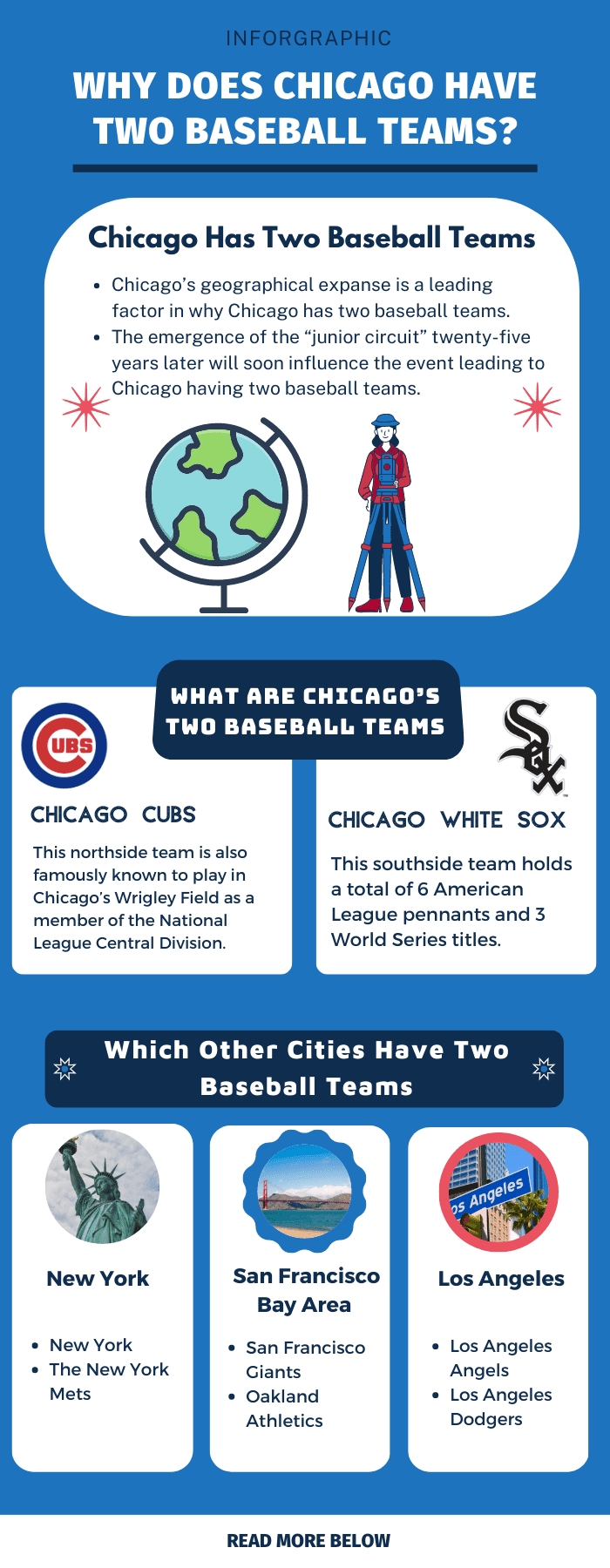
Chicago stands as a vibrant tapestry of history, architecture, and culture, yet one of its most distinctive features, and a significant draw for tourism, lies in its dual baseball identity. Unlike many major American cities, Chicago proudly hosts two storied Major League Baseball franchises: the Chicago Cubs and the Chicago White Sox. This unique arrangement is not merely a quirk of sports history but a deeply embedded aspect of the city’s local culture, providing distinct experiences for both residents and visitors. Understanding why Chicago developed this dual allegiance offers an insightful glimpse into the city’s early growth, its social fabric, and the enduring power of community pride.
A Tale of Two Teams: The Historical Roots
The presence of two professional baseball teams in Chicago is a fascinating outcome of the sport’s rapid expansion in the late 19th and early 20th centuries, combined with the city’s booming population and strategic importance. It wasn’t a planned civic strategy but rather an organic evolution driven by entrepreneurial spirit and league rivalries.
The Birth of Baseball in Chicago
Professional baseball took root in Chicago with remarkable speed following the Civil War. As the city rebuilt and expanded its industrial might, recreational activities, especially baseball, gained immense popularity. Early teams emerged, vying for local supremacy, setting the stage for the formal establishment of franchises. Chicago’s central location and burgeoning population made it an attractive market for burgeoning sports leagues seeking to establish a national footprint.
The National League and the Chicago Cubs
The Chicago Cubs trace their lineage back to 1876 with the formation of the National League, making them one of the oldest active sports franchises in North America. Originally known by various names, including the Chicago White Stockings, the team quickly established itself as a dominant force, winning the National League’s inaugural championship. Their home, Wrigley Field, built in 1914, embodies an old-school charm, drawing tourists to the Wrigleyville neighborhood with its iconic ivy-covered walls and manual scoreboard. The Cubs became an intrinsic part of the city’s North Side identity, cultivating a loyal fanbase that often spanned generations, a testament to enduring local culture and tradition. Their longevity and historical significance make a visit to Wrigley Field a pilgrimage for any baseball enthusiast and a must-do activity for tourists seeking a taste of authentic Chicago Americana.
The American League and the Chicago White Sox
Just over two decades after the Cubs’ establishment, a new challenger emerged: the American League. Seeking to compete directly with the dominant National League, the American League looked to place franchises in major markets. Chicago, with its rapid population growth and fervent baseball interest, was a prime target. In 1900, Charles Comiskey relocated his St. Paul Saints team to Chicago, renaming them the Chicago White Stockings – a name coincidentally shared with the early Cubs franchise. They soon became known as the Chicago White Sox. The White Sox established their presence on the South Side, quickly building a strong following among the working-class communities there. Their original stadium, Comiskey Park, opened in 1910, and their current home, Guaranteed Rate Field, continues to be a focal point for South Side pride. The competitive tension between the two leagues fueled their individual successes and firmly cemented Chicago as a two-team city, offering distinct cultural experiences based on geographical loyalties.
More Than Just Sports: A Cultural Divide
The existence of two teams in one city is not merely a matter of historical accident; it has profoundly shaped Chicago’s cultural landscape. The division between Cubs and White Sox fandom runs deep, transcending baseball itself to influence local identity, neighborhood pride, and even social dynamics.
North Side vs. South Side: A Geographical and Cultural Rift
At its heart, the Cubs vs. White Sox rivalry is a tale of North Side versus South Side. The Cubs are synonymous with the relatively affluent and historically German-American neighborhoods of the North Side, epitomized by the lively bar scene and historic charm of Wrigleyville. Cubs culture is often perceived as more celebratory, perhaps due to the team’s long history of lovable futility prior to their 2016 World Series win. The White Sox, conversely, are deeply rooted in the working-class, often Irish-American and African-American communities of the South Side. Their fandom is characterized by a grittier, more passionate, and arguably more cynical loyalty. This geographic and cultural divide provides a fascinating lens through which tourists can explore the diverse social textures of Chicago, understanding how different communities have historically found identity and expression through their baseball teams.
Fandom and Identity: How Teams Shape Neighborhoods
The presence of both teams allows for a unique dual identity within the city, where neighborhoods coalesce around their respective clubs. Wrigleyville is a testament to how a team can transform a district into a year-round attraction, drawing visitors not just for games but for the vibrant atmosphere, shops, and restaurants that cater to the Cubs faithful. Similarly, the area around Guaranteed Rate Field on the South Side, while perhaps less globally recognized than Wrigleyville, fosters a strong sense of local community and pride. Exploring these distinct neighborhoods offers tourists an authentic experience of local Chicago life, illustrating how sports franchises are more than just entertainment venues; they are cultural anchors that define communal spaces and foster enduring legacies.
The Crosstown Classic and City Pride
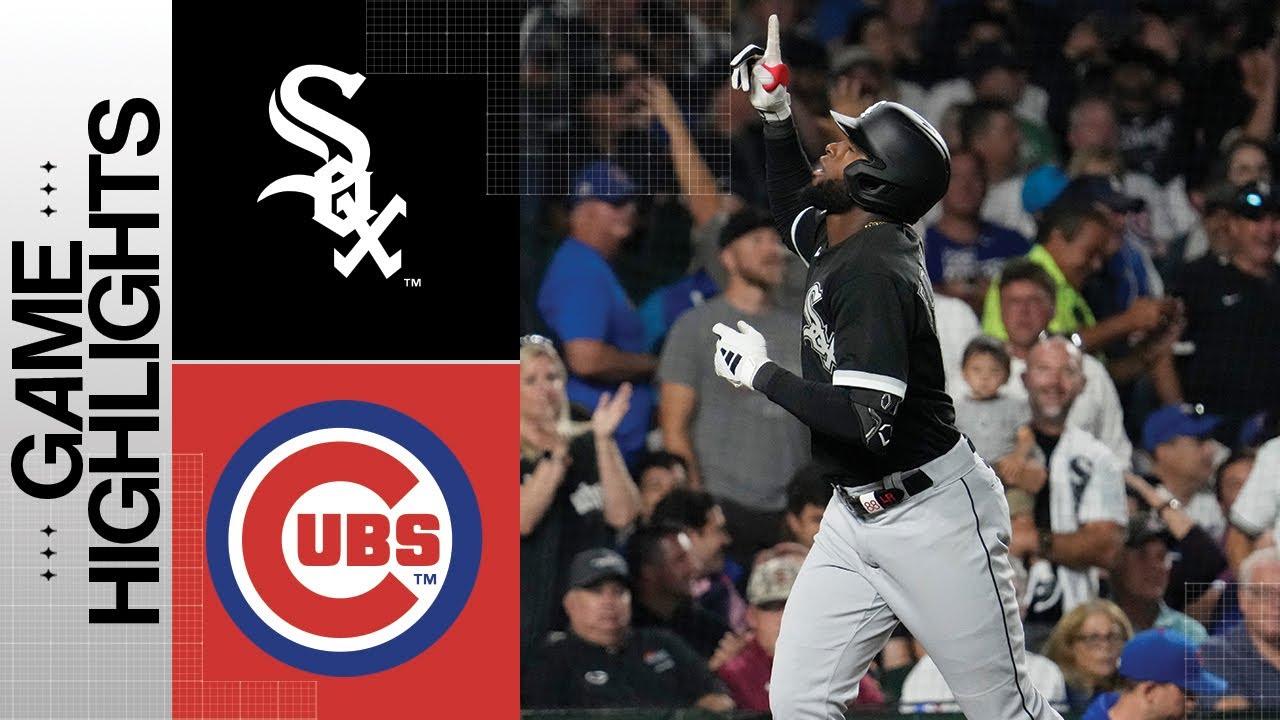
When the Cubs and White Sox face off in the interleague Crosstown Classic, the entire city buzzes with an energy unique to Chicago. These games are more than just baseball; they are cultural events, pitting friends, families, and even workplaces against each other in friendly rivalry. For tourists, experiencing a Crosstown Classic is an unparalleled opportunity to witness Chicago’s local culture at its most passionate and unified in its division. It highlights the peculiar dynamic of a city that supports two teams, demonstrating how this historical split has evolved into a beloved tradition, adding layers of excitement and identity to the city’s persona.
The Tourist Experience: Embracing Chicago’s Baseball Culture
For visitors to Chicago, the dual baseball teams present a rich array of experiences, offering more than just a game but an immersion into distinctive facets of the city’s identity. Engaging with Chicago’s baseball culture is a prime activity for those seeking authentic local experiences.
Wrigleyville and Wrigley Field: An Iconic Destination
No visit to Chicago for a baseball fan, or even a casual tourist, is complete without experiencing Wrigleyville. The area surrounding Wrigley Field offers a vibrant pre- and post-game atmosphere, with numerous bars, restaurants, and souvenir shops. The stadium itself is a landmark, a historical treasure that harks back to baseball’s golden age. Guided tours of Wrigley Field are available on non-game days, allowing visitors to walk the hallowed grounds, visit the press box, and see the famous ivy up close. It’s an unparalleled opportunity to step back in time and connect with the history of the sport and the enduring legacy of the Cubs. This truly embodies the “landmarks” and “activities” aspects of tourism, providing both historical context and engaging experiences.
Guaranteed Rate Field and the South Side Vibe
While Wrigley Field offers classic charm, Guaranteed Rate Field provides a modern, family-friendly ballpark experience with its own distinct atmosphere. Located in the Armour Square neighborhood, the stadium boasts excellent sightlines, diverse food options (including classic Chicago hot dogs and Italian beef), and a passionate, energetic crowd. Attending a White Sox game offers a glimpse into the South Side’s robust community spirit and a different perspective on Chicago’s baseball identity. Many fans appreciate the park’s accessibility and the generally more affordable ticket prices compared to its North Side counterpart, making it an attractive option for budget-conscious tourists looking for an authentic local sporting event.
Planning Your Baseball Visit: Tips for Tourists
To fully appreciate Chicago’s dual baseball culture, consider these tips:
- Time Your Visit: If possible, plan your trip during the baseball season (April through September) to catch a game at one or both stadiums. Check schedules in advance for home games and especially for the Crosstown Classic series.
- Experience Both Sides: For a truly comprehensive understanding of Chicago baseball, try to attend a game at both Wrigley Field and Guaranteed Rate Field. The contrast in atmosphere and fan culture is striking and highly informative.
- Explore the Neighborhoods: Dedicate time before or after a game to explore Wrigleyville on the North Side and the areas surrounding Guaranteed Rate Field on the South Side. Enjoy local eateries, soak in the pre-game buzz, and observe the distinct local cultures.
- Public Transportation: Both stadiums are easily accessible via Chicago’s efficient CTA L train system, making it convenient for tourists to travel to and from games without the hassle of parking.
Economic and Social Impact on the City
The presence of two Major League Baseball teams in Chicago has an impact far beyond the diamond, significantly contributing to the city’s economic vitality and social cohesion, which in turn enhances its appeal as a tourist destination.
Boosting Local Economies: Beyond Game Day
Each ballpark acts as an economic engine for its respective neighborhood. Restaurants, bars, hotels, and souvenir shops in Wrigleyville thrive on the crowds drawn by the Cubs, generating substantial revenue and employment opportunities. Similarly, Guaranteed Rate Field anchors commercial activity on the South Side. Beyond direct revenue from ticket sales and concessions, the teams attract tourists who spend money on accommodation, dining, transportation, and other attractions throughout Chicago. This ripple effect underscores how sports franchises are vital components of the broader tourism ecosystem, enriching the city’s economy and offering diverse activities for visitors.
Community Engagement and City Development
Both the Cubs and White Sox are deeply involved in community initiatives, youth programs, and charitable work, further embedding themselves into the social fabric of Chicago. These efforts foster goodwill, cultivate new generations of fans, and contribute to the overall well-being of the city. The stadiums themselves, especially Wrigley Field with its recent renovations, represent significant investments in urban infrastructure and development. For tourists, witnessing this robust community engagement offers another layer of insight into Chicago’s character, showcasing a city where sports teams are not just entertainment but integral partners in civic life and cultural identity.
In conclusion, Chicago’s distinction of hosting two Major League Baseball teams is a rich historical legacy that has shaped its unique local culture and continues to provide distinct, engaging experiences for tourists. From the storied past that brought them into being to the vibrant cultural divide they represent and the economic engines they have become, the Cubs and White Sox are indispensable parts of the Chicago experience, inviting visitors to delve deeper into the heart of the city.
LifeOutOfTheBox is a participant in the Amazon Services LLC Associates Program, an affiliate advertising program designed to provide a means for sites to earn advertising fees by advertising and linking to Amazon.com. Amazon, the Amazon logo, AmazonSupply, and the AmazonSupply logo are trademarks of Amazon.com, Inc. or its affiliates. As an Amazon Associate we earn affiliate commissions from qualifying purchases.