
For many residents and visitors alike, California represents a dream destination. From the sun-drenched beaches of Southern California to the majestic redwoods of the north, and from the bustling urban centers of Los Angeles and San Francisco to the serene vineyards of Napa Valley, the Golden State offers an unparalleled array of experiences. Travelers come seeking adventure, culture, relaxation, and business opportunities, often staying in diverse accommodations ranging from luxury hotels and resorts to charming vacation rentals and extended-stay apartments. With such a dynamic population, including many who travel frequently or relocate seasonally, questions about civic participation, especially voting accessibility, naturally arise. One of the most common inquiries in this increasingly digital age is: “Can you vote online in California?”
The simple, direct answer to whether you can cast your ballot entirely online in California is no, not yet. While technology plays an increasingly significant role in various aspects of our lives, from booking hotels and flights to managing our finances and staying connected with loved ones across the globe, the process of actual ballot submission in most United States elections, including those in California, remains tethered to traditional, physical methods. This isn’t due to a lack of technological capability or desire for convenience, but rather a complex interplay of security concerns, the integrity of the electoral process, and the deeply ingrained practices of democratic participation. For the traveler or the busy professional whose lifestyle often takes them away from home, understanding the current voting landscape in California is crucial to ensuring their voice is heard, regardless of their location. This article will delve into the reasons behind the absence of online voting, explore the accessible alternatives available to Californians, and discuss how civic engagement intertwines with the rich tapestry of travel and lifestyle in one of the world’s most vibrant destinations.
The Current Landscape of Online Voting in California
The allure of online voting is undeniable. Imagine being able to cast your ballot from a hotel room overlooking Laguna Beach, a café in San Diego’s Gaslamp Quarter, or even from abroad while on an extended travel adventure. For a state as forward-thinking and technologically advanced as California, a global hub for innovation, one might expect online voting to be a standard feature. However, the reality of election security and integrity presents significant hurdles that even the most innovative minds have yet to fully overcome in a way that satisfies widespread public and governmental trust.
The Short Answer: No, Not Yet
As of now, California does not permit voters to cast their ballots directly online using personal computers or mobile devices. The process of marking and submitting a ballot securely over the internet, without a verifiable paper trail and robust protection against cyberattacks, remains a frontier that most states are unwilling to cross for general elections. While residents can use online platforms for voter registration, updating their information, and accessing election details, the final act of voting requires a more traditional approach. This might come as a surprise to those accustomed to managing almost every other aspect of their lives digitally, from banking to shopping to booking their next stay at a Palm Springs resort. The implications for travelers are clear: if you’re planning a trip during an election period, you need to understand the physical mechanisms required to participate.
Why Online Voting Remains Elusive
The primary reasons for the lack of widespread online voting systems revolve around security, verifiability, and accessibility. Election experts and cybersecurity professionals raise serious concerns about the potential for hacking, tampering, and denial-of-service attacks that could compromise election results. An online system would need to guarantee the anonymity of the voter while simultaneously ensuring that each ballot is unique, correctly counted, and free from manipulation. The scale of a statewide election in California, with millions of voters, makes this an incredibly complex undertaking. Furthermore, ensuring equal access to technology for all citizens, including those in rural areas or with limited internet access, presents another equity challenge. The public’s trust in the integrity of elections is paramount, and any system that could be perceived as vulnerable might erode that trust. This cautious approach prioritizes the foundational principles of democracy over technological convenience.
How Technology Does Support Voting
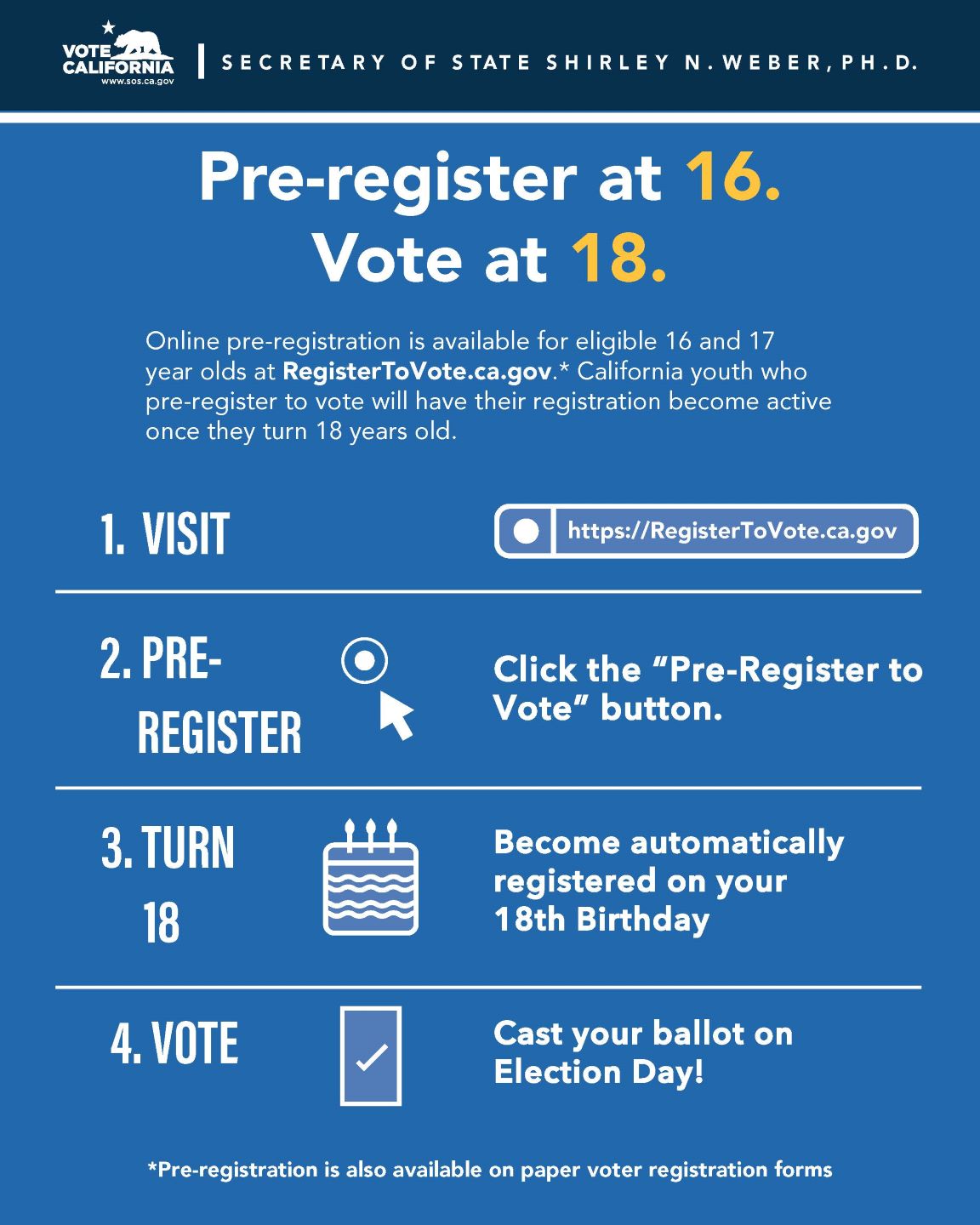
Despite the absence of direct online ballot submission, technology plays a crucial and ever-expanding role in facilitating voter participation in California. The California Secretary of State’s office, along with county election officials, provides robust online portals for various essential services. Voters can register to vote or update their registration details entirely online, often just a few clicks away. These platforms also allow individuals to check their voter registration status, locate their polling place, view their sample ballot, and track the status of their vote-by-mail ballot once submitted. This digital infrastructure is a boon for travelers and those with dynamic lifestyles, as it allows them to manage their voter information and stay informed from anywhere with an internet connection – whether they are planning their next Yosemite National Park adventure or settling into a long-term rental in Santa Monica.
Navigating Your Vote While Traveling: Options for Californians
For many Californians, travel is not just an occasional luxury but a part of their regular lifestyle. Whether it’s a weekend getaway to Lake Tahoe, a business trip to Silicon Valley, or an extended vacation exploring Europe or Asia, being away from one’s registered address during an election can pose a challenge. Fortunately, California offers several accessible and reliable methods for ensuring your vote is counted, designed with flexibility in mind. Understanding these options is key for anyone who doesn’t want their travel plans to interfere with their civic duty.
Voting By Mail: The Traveler’s Best Friend
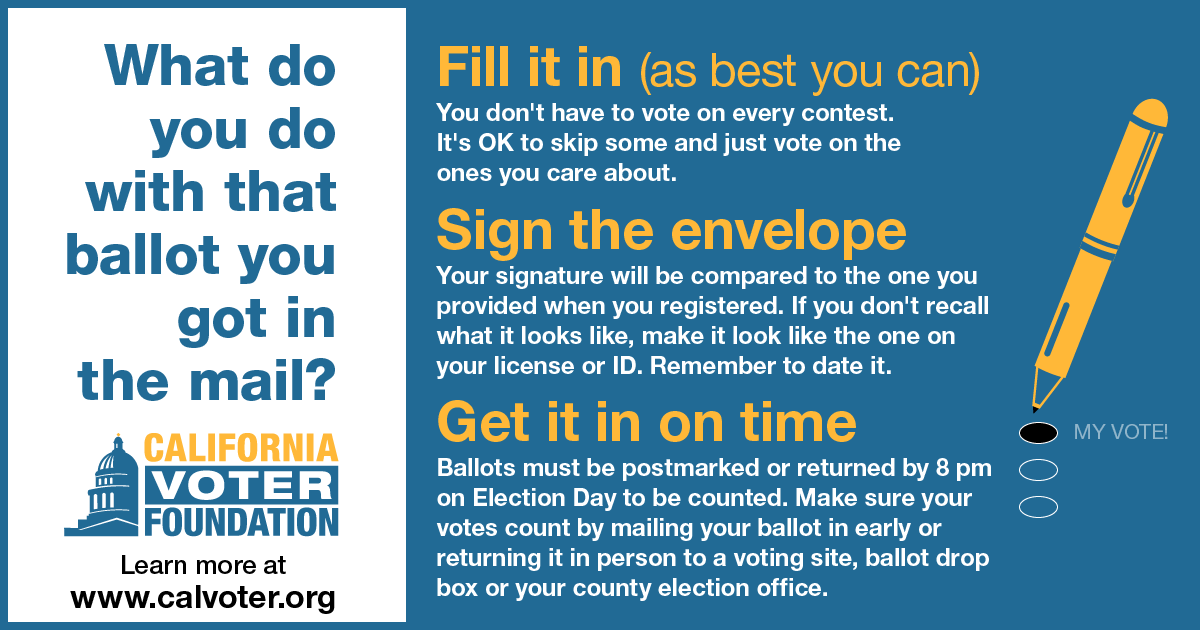
Perhaps the most convenient and widely used method for voters on the go is voting by mail, often referred to as absentee voting. California has embraced vote-by-mail extensively, with all registered voters automatically receiving a mail-in ballot for every election. This means you don’t typically need to apply for an absentee ballot unless you require it sent to a temporary address.
- Permanent Vote-by-Mail Status: Many Californians opt for permanent vote-by-mail status, ensuring a ballot is automatically sent to their registered address for every election. If you’re a frequent traveler or have an unpredictable schedule, this is an excellent default.
- Temporary Mailing Address: If you know you will be away from your registered home address during the election period and need your ballot sent to a different location (e.g., a hotel, a friend’s house in another county, or even an international address), you must request a vote-by-mail ballot be sent to that temporary address. This request usually needs to be submitted to your county elections official well in advance of the election deadline. It’s vital to plan this when booking your travel accommodations and itineraries.
- Returning Your Ballot: Once you receive your ballot, you can fill it out and return it via postal service. Be mindful of postmark deadlines and consider mailing it back early, especially if you are traveling internationally, where postal services might be slower. Alternatively, many counties provide secure drop boxes where you can personally deposit your ballot. These are often found at county election offices, libraries, or other designated locations. Some counties also allow you to drop off your ballot at any polling place or vote center on Election Day.
In-Person Voting: Planning Around Your Itinerary
For those who prefer the traditional experience of casting a ballot in person, or who might miss the mail-in ballot window, California offers options that can be integrated into travel plans.
- Early Voting: Many counties in California offer early in-person voting opportunities at designated vote centers several days or even weeks before Election Day. This provides a valuable window for travelers to cast their vote before they depart or upon their return. These vote centers are typically well-equipped to handle various voter needs, including same-day registration. Checking your county’s elections website for specific dates and locations is crucial.
- Election Day Polling Places: If your travel plans keep you within your registered county on Election Day, you can still vote at your assigned polling place. However, planning is essential. Consider the location of your hotel or attraction relative to your polling place. For instance, if you’re staying at a resort near Disneyland Resort in Orange County and registered in Los Angeles County, you’ll need to account for travel time. Remember, under California’s Voter’s Choice Act, some counties have replaced traditional precinct polling places with larger, more flexible vote centers. These centers allow any registered voter in that county to cast a ballot, register to vote, or receive replacement ballots, offering greater flexibility.
Special Circumstances: Military and Overseas Voters
For United States citizens serving in the military or living abroad, even if their last residence was in California, special provisions are in place under federal law. The Uniformed and Overseas Citizens Absentee Voting Act (UOCAVA) allows these citizens to register and request absentee ballots from their state of legal residence. This is incredibly important for those who might be deployed, stationed in another country, or on extended international tours, experiencing different cultures and landscapes in Mexico, Canada, or even further afield. These ballots are typically sent electronically (e.g., via email or a secure portal) to the voter, who then prints, signs, and mails the completed ballot back. While the transmission to the voter can be digital, the return of the actual ballot still largely requires a physical submission, emphasizing the enduring challenge of a fully digital, secure voting pipeline.
The Intersection of Travel, Tourism, and Civic Engagement in California
California’s vibrant travel and tourism industry attracts millions annually, shaping its economy, culture, and social fabric. From the iconic sights of the Golden Gate Bridge to the star-studded streets of Hollywood, every corner of the state offers a unique experience. While tourists and temporary visitors generally don’t participate in local elections, the interplay between a mobile population and civic responsibility is an increasingly relevant topic for residents whose lifestyles involve frequent travel. The concept of responsible tourism extends beyond environmental impact to understanding the local communities and governance that make these destinations so appealing.
Experiencing California: Beyond the Ballot Box
Travel in California is an immersive experience. Whether you’re exploring the history of San Juan Capistrano Mission, hiking through Death Valley National Park, or indulging in the culinary delights of Carmel-by-the-Sea, you’re engaging with communities shaped by local governance. Understanding how local elections impact everything from public infrastructure to environmental policies that protect natural landmarks can enrich a traveler’s appreciation for their destination. While online voting might make participation easier for residents on the go, the current system still encourages a degree of intentionality and planning, reinforcing the value of civic duty even amidst the excitement of travel. For those considering long-term stays or relocating, engaging with local politics, even just by voting in state and federal elections, is an act of contributing to the place they temporarily or permanently call home.
The Impact of Traveler Demographics on Local Elections
While tourists are typically ineligible to vote, the broader category of “travelers” can include temporary residents, students, and seasonal workers who might be eligible to vote in California. For example, a student from Sacramento attending university in San Diego might maintain their Sacramento residency but spend months away. Similarly, professionals on long-term assignments might establish temporary residency. These individuals, through their voting choices, can significantly impact local and state-level elections concerning issues like transportation infrastructure, funding for public spaces (which often become tourist attractions), and the allocation of resources for public services. The ease of absentee voting ensures that these mobile segments of the population aren’t disenfranchised by their dynamic lifestyles. The discussion around online voting often includes how to make it easier for such transient but invested populations to participate without compromising security.
Ensuring Your Voice is Heard, Wherever Your Travels Take You
For the lifestyle traveler, the digital nomad, or the executive on a perpetual business trip, ensuring one’s vote is counted requires proactive planning. Leveraging California’s existing technological tools for voter registration and ballot tracking is the first step. Understanding the deadlines for requesting a mail-in ballot to a temporary address, or knowing the locations of early vote centers, becomes part of the itinerary planning, much like booking accommodation or arranging transportation. The choice of where to stay—whether a hotel, a resort, an apartment, or a villa—can also influence the logistics of receiving and returning a physical ballot. A luxury resort might have a reliable mail service, but a remote glamping site might not. By integrating civic responsibility into their travel preparations, Californians can maintain their commitment to democratic participation, contributing to the health and direction of their communities even as they explore new horizons within or beyond the Golden State.
The Future of Voting and Travel: What Lies Ahead?
The question “Can you vote online in California?” while currently answered with a “no,” points towards a future where technology and civic engagement may become more intertwined. As the world becomes increasingly connected, and as more people embrace mobile and travel-centric lifestyles, the demand for more accessible and flexible voting methods will undoubtedly grow. California, a pioneer in many technological advancements, continues to explore secure and reliable ways to modernize its election processes, even if full online voting remains a distant prospect.
Emerging Technologies and Pilot Programs
While secure online ballot submission for general elections is not yet a reality, research and development in secure digital voting systems are ongoing globally. Some countries and even a few United States counties have experimented with limited online or electronic voting for specific groups, such as military personnel stationed overseas, often involving a hybrid model where a digital submission is confirmed by a physical printout. Technologies like blockchain, known for their immutable and transparent ledger systems, are often cited as potential solutions for creating secure and verifiable voting platforms. However, adapting such complex technologies to the scale and sensitivity of a statewide election in California, which impacts millions, involves overcoming formidable challenges in cybersecurity, auditing, and public trust. The discussions continue, driven by the desire to increase participation and convenience, particularly for a highly mobile population that values efficiency in all aspects of their lifestyle.
Advocating for Accessible Voting
The push for more accessible voting methods is not solely a technological one; it’s also a civic and political one. Various advocacy groups, civil rights organizations, and concerned citizens continuously work to ensure that every eligible voter can cast their ballot without undue burden. This includes advocating for expanded early voting periods, accessible polling places, language assistance, and, yes, the eventual exploration of secure online voting. For those who travel frequently, whether for business or leisure, becoming informed about these efforts and supporting initiatives that promote secure and convenient voting methods is a way to contribute to a more inclusive democracy. Your engagement, even from a distant hotel or a remote attraction, plays a vital role in shaping the future of electoral access.

Making Informed Decisions While On The Go
Until secure online voting becomes a reality in California, the responsibility lies with the individual voter to stay informed and plan ahead. This means actively checking election dates, knowing voter registration deadlines, understanding the options for mail-in ballots, and being aware of early voting opportunities. Reliable sources such as the California Secretary of State’s website and official county election websites are invaluable resources for accurate and up-to-date information. Just as travelers meticulously plan their accommodations, sightseeing, and dining experiences to enhance their journey through California’s diverse regions, they should equally factor in their civic duties. Embracing this proactive approach ensures that a passion for travel and a commitment to participating in the democratic process can coexist harmoniously. The vibrant lifestyle of a Californian, whether rooted at home or exploring the world, can fully encompass both the freedom of movement and the power of their vote.
LifeOutOfTheBox is a participant in the Amazon Services LLC Associates Program, an affiliate advertising program designed to provide a means for sites to earn advertising fees by advertising and linking to Amazon.com. Amazon, the Amazon logo, AmazonSupply, and the AmazonSupply logo are trademarks of Amazon.com, Inc. or its affiliates. As an Amazon Associate we earn affiliate commissions from qualifying purchases.