
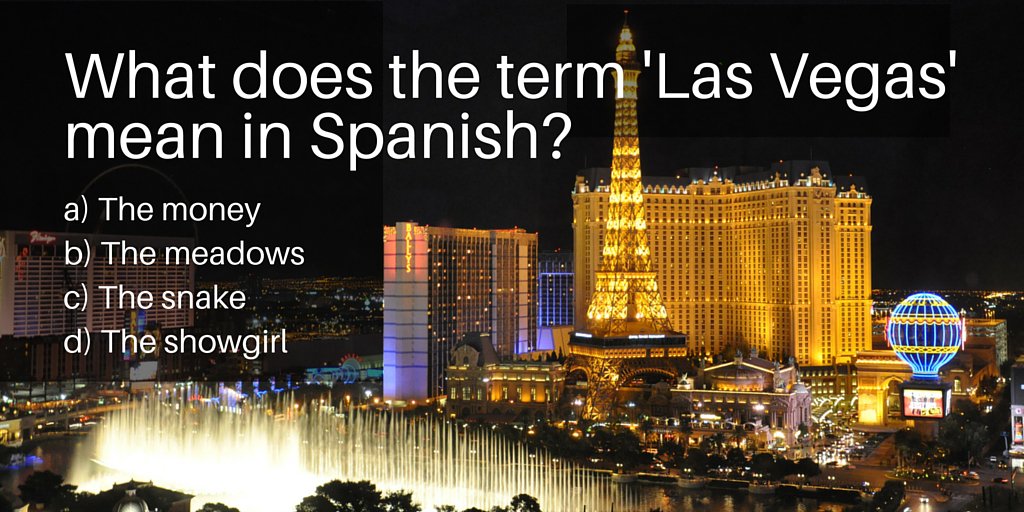
The name “Las Vegas” carries with it a fascinating tale, deeply rooted in the historical and geographical realities of its origins. In Spanish, “Las Vegas” directly translates to “The Meadows.” This seemingly idyllic and verdant name might strike many as contradictory to the modern image of a bustling desert metropolis, a glittering oasis of entertainment, lights, and luxury. Yet, this simple translation unlocks the very essence of how this incredible city first came to be, offering a glimpse into its improbable beginnings as a lush, water-rich haven amidst an otherwise arid landscape. Far from being a mere linguistic curiosity, the name “Las Vegas” is a profound historical marker, a testament to the life-giving springs that once sustained travelers, settlers, and the burgeoning community that would eventually become one of the world’s most iconic destinations. Understanding its meaning is to understand the foundation upon which this city of dreams was built, a narrative of natural abundance paving the way for man-made spectacle.
The Verdant Origins: How “The Meadows” Came to Be
The story of Las Vegas truly begins with water, a precious commodity in the vast, parched expanse of the Mojave Desert. Long before the dazzling casinos and world-class resorts, before the neon glow and the endless entertainment, this region was known for its abundant artesian springs, which bubbled up from beneath the earth, creating verdant patches of grasslands and trees. It was these life-sustaining oases, these “meadows,” that gave the area its enduring name.
Early Explorers and the Discovery of Water
The earliest known European to document the Las Vegas Valley was the Spanish explorer Rafael Rivera in 1829. He was part of an expedition seeking a new route between New Mexico and California. As his party navigated the harsh desert terrain, they stumbled upon these unexpected wetlands. The sight of lush, green meadows, fed by natural springs, must have been a revelation and a lifesaver for weary travelers. It was during this period that the area was christened “Las Vegas” – a name that vividly captured the unexpected fertility found in such an inhospitable environment.
This critical discovery led to the establishment of what became a vital stop along the Old Spanish Trail, a historic trade route connecting Santa Fe, New Mexico, with Los Angeles, California. Travelers, traders, and pioneers relied on these springs as a crucial source of fresh water and forage for their livestock, making “The Meadows” an indispensable waypoint in the arduous journey across the desert.
From Oasis to Settlement: The Birth of a Name
The presence of reliable water transformed Las Vegas from a mere stopping point into a potential settlement. In 1855, Mormon missionaries, sent by Brigham Young from Salt Lake City, Utah, established a fort near the springs. Their mission was to convert the local Native Americans and to grow crops, solidifying the area’s reputation as a viable place for agriculture. Although the Mormon settlement was short-lived, the land’s potential was undeniable.
Later, in the early 20th century, the advent of the railroad further cemented the importance of Las Vegas. The San Pedro, Los Angeles and Salt Lake Railroad, completed in 1905, chose the site of Las Vegas as a division point and water stop. This strategic decision led to the official founding of the city of Las Vegas on May 15, 1905, when 110 acres of land were auctioned off, marking the true beginning of the modern city. The name, “Las Vegas,” remained, a permanent echo of the life-giving springs that first drew attention to this extraordinary place in the desert.
Beyond the Name: Las Vegas’s Transformation into a Global Icon
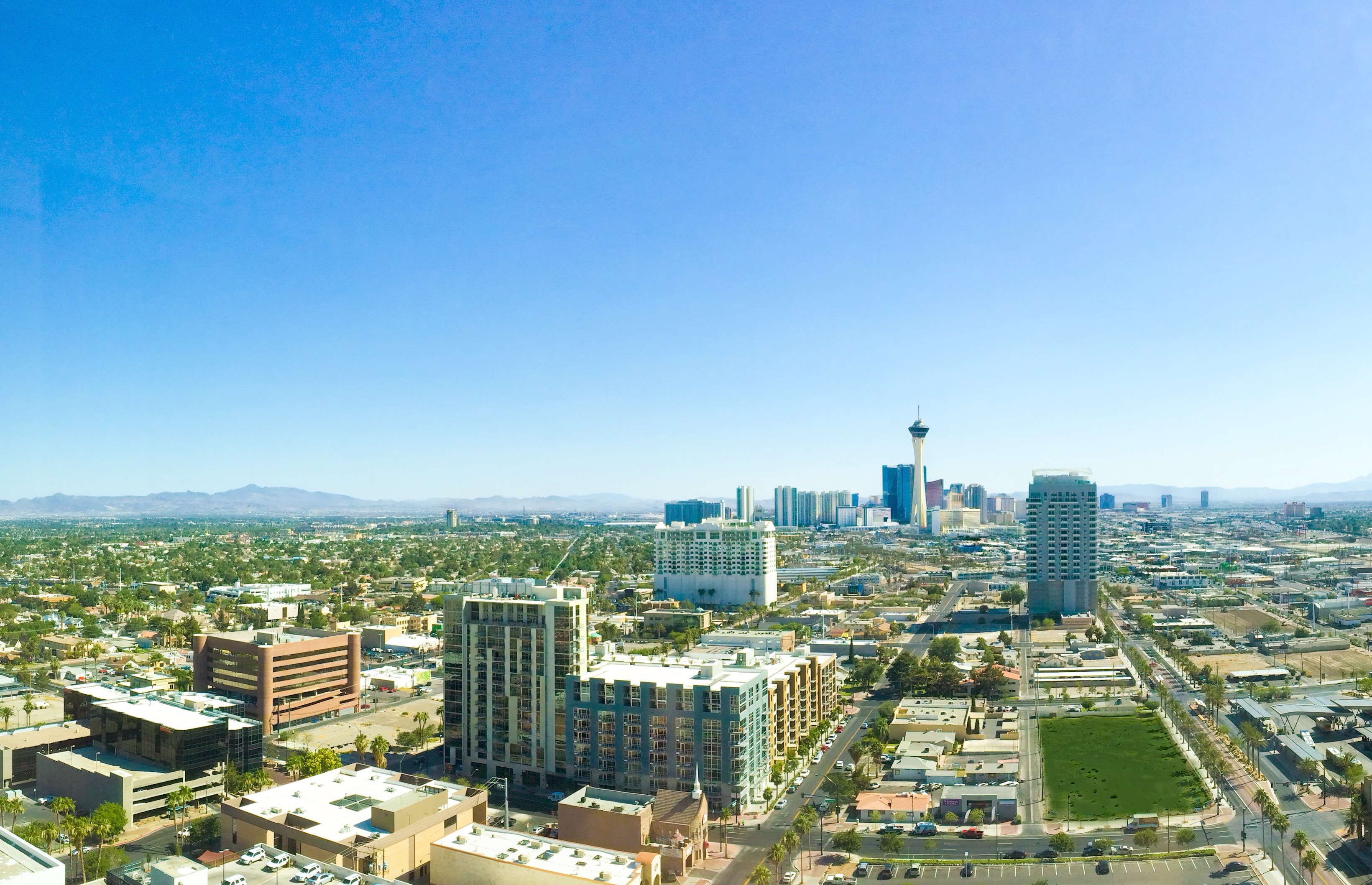
While the name “Las Vegas” conjures images of tranquil meadows, the city it represents has become anything but. It has evolved into a dynamic and dazzling testament to human ingenuity, ambition, and the pursuit of entertainment. From its humble beginnings as a railroad town in the desert, Las Vegas has blossomed into a world-renowned travel destination, recognized globally for its unique blend of luxury, excitement, and escapism.
The Desert Bloom: From Railroad Town to Entertainment Capital
The true boom for Las Vegas began in the 1930s with two pivotal events: the construction of the Hoover Dam and the legalization of gambling in Nevada. The Hoover Dam, a colossal engineering feat on the Colorado River, brought thousands of workers to the area, many of whom sought recreation and entertainment in the burgeoning town. The legalization of gambling provided the economic engine and unique selling proposition that would eventually define Las Vegas.
Visionaries, often with ties to organized crime, recognized the immense potential. They began investing in and building grand resorts and casinos, transforming the desert landscape into an adult playground. The post-World War II era saw an explosion of growth, with the construction of iconic properties along what would become the Las Vegas Strip. These establishments offered not just gambling, but also world-class entertainment, lavish dining, and luxurious accommodations. Las Vegas shed its image as a dusty outpost and embraced its destiny as the “Entertainment Capital of the World,” attracting visitors from across the United States and beyond.
A World of Experiences: What “The Meadows” Offers Today
Today, Las Vegas is a multifaceted destination that caters to a diverse range of travelers. While its roots in gambling remain, the city has strategically diversified its offerings, positioning itself as a comprehensive travel experience. The Las Vegas Strip is a marvel of modern architecture and urban planning, a continuous stretch of mega-resorts, each a destination in itself. These resorts are architectural wonders, recreating global landmarks and fantastical environments, providing immersive experiences that transport visitors to different worlds.
Beyond the casinos, Las Vegas boasts an unparalleled array of activities:
- World-Class Dining: From celebrity chef restaurants to casual eateries, the culinary scene is vibrant and diverse.
- Spectacular Shows: Resident performers, Broadway productions, magic acts, and Cirque du Soleil extravaganzas define the city’s entertainment landscape.
- Shopping: High-end boutiques, luxury brands, and expansive malls offer endless retail therapy.
- Nightlife: Clubs, lounges, and bars cater to every taste, ensuring the party never stops.
- Outdoor Adventures: Surprisingly, the natural beauty surrounding Las Vegas provides opportunities for hiking, rock climbing, and exploring stunning desert landscapes.
The city has successfully reinvented itself, moving beyond its “Sin City” moniker to become a family-friendly destination, a convention hub, and a haven for foodies and culture enthusiasts alike. The name “The Meadows” may now seem ironic given the urban sprawl, but its spirit of resourcefulness and potential for growth perfectly encapsulates the city’s dynamic evolution.
Exploring the “Meadows”: Top Attractions and Experiences
Despite its desert location, modern Las Vegas offers an abundance of attractions and experiences, creating a truly unique “meadow” of entertainment and luxury. Whether you’re seeking high-octane excitement, serene relaxation, or cultural enrichment, Las Vegas delivers an unforgettable journey.
Iconic Resorts and Their Allure
The heart of the Las Vegas experience lies within its magnificent resorts, each a self-contained world designed to amaze and delight. These aren’t just hotels; they are comprehensive entertainment complexes offering suites, exquisite dining, shopping, and unique attractions.
- Bellagio: Famous for its mesmerizing Fountains of Bellagio show, a ballet of water, music, and light. Inside, visitors can marvel at the Conservatory & Botanical Garden and the Bellagio Gallery of Fine Art.
- Caesars Palace: A Roman Empire-themed resort offering grand architecture, the Colosseum theater for top-tier performers, and the luxurious Forum Shops.
- The Venetian Resort: Transports guests to Venice, Italy, complete with gondola rides, canals, and replicated Venetian landmarks. Its sister property, The Palazzo, offers additional luxury.
- MGM Grand: One of the largest hotels in the world, known for its massive convention space, exhilarating shows, and diverse dining options.
- Wynn Las Vegas and Encore at Wynn Las Vegas: Epitomize luxury travel with their opulent design, award-winning restaurants, high-end boutiques, and vibrant nightlife.
- Aria Resort & Casino: A modern, sleek resort known for its sophisticated atmosphere, advanced in-room technology, and impressive art collection.
These resorts serve as anchors for the entire Las Vegas experience, providing not just accommodation but also a significant portion of the city’s attractions and activities.
Beyond the Gaming Tables: Culture, Cuisine, and Adventure
While gambling remains a draw, Las Vegas has diversified to offer a vast array of activities suitable for all interests.
- Entertainment Spectacles: From elaborate Cirque du Soleil shows like O and Mystère to world-renowned musical residencies and magic acts, the city is a global stage for live performance.
- Fremont Street Experience: Located in Downtown Las Vegas, this pedestrian mall features a dazzling LED canopy light show, live music, and the SlotZilla zipline. It offers a glimpse into the city’s historic origins.
- Iconic Views: Ride the High Roller Observation Wheel for panoramic views of the Strip and beyond, or visit the Stratosphere Tower for thrill rides and incredible vistas.
- Museums and Art: The Neon Museum preserves the city’s iconic neon signs, offering a unique historical and artistic experience. The Mob Museum provides a captivating look into organized crime’s influence on the city.
- Culinary Journey: Las Vegas is a foodie paradise, with an astounding concentration of Michelin-starred restaurants, celebrity chef outposts, and diverse international cuisines. From buffet dining to gourmet experiences, there’s something to satisfy every palate.
- Nature’s Beauty: Just a short drive from the glittering Strip lies the stunning Red Rock Canyon National Conservation Area, offering hiking, rock climbing, and scenic drives. Further afield, day trips to the majestic Grand Canyon or the surreal landscapes of Death Valley National Park are popular options for those seeking natural adventures.
These attractions, combined with the city’s vibrant nightlife, shopping opportunities, and diverse local culture, ensure that Las Vegas remains a top-tier destination for tourists seeking memorable experiences, whether it’s a luxury getaway, a budget-friendly adventure, a family trip, or a business stay.
Planning Your “Meadows” Escape: Tips for an Unforgettable Trip
Visiting Las Vegas requires a bit of planning to fully immerse yourself in all that “The Meadows” has to offer. With careful consideration of accommodation, activities, and local tips, you can craft an itinerary that perfectly suits your travel style and budget.
Accommodation Choices for Every Traveler
One of Las Vegas’s greatest strengths is its incredible range of accommodation options. Whether you’re seeking ultimate luxury or a more budget-friendly stay, the city caters to all.
- Luxury Resorts: For those indulging in luxury travel, properties like Wynn Las Vegas, Aria Resort & Casino, and The Venetian Resort offer opulent suites, world-class amenities, and impeccable service. These resorts often feature award-winning spas, private pools, and exclusive dining experiences.
- Mid-Range Options: Hotels like Paris Las Vegas, Planet Hollywood Resort & Casino, and New York-New York Hotel & Casino provide excellent value, combining comfortable rooms with access to various attractions, entertainment, and dining, without the premium price tag.
- Budget-Friendly Stays: For budget travelers, downtown properties or those slightly off the Strip can offer more affordable rates. Even on the Strip, older, established hotels occasionally have great deals. Look for properties that offer basic amenities if you plan to spend most of your time exploring.
- Family-Friendly Resorts: Many resorts, such as Mandalay Bay Resort and Casino with its famous beach and wave pool, or Circus Circus Hotel & Casino with its Adventuredome theme park, cater specifically to families, offering kid-friendly activities alongside adult entertainment.
- Business Stays: For those on business trips or attending conventions, hotels like The Venetian Resort, MGM Grand, and Caesars Palace boast extensive convention centers and business amenities, making them ideal for corporate travel.
Booking in advance, especially during peak seasons or major events, is highly recommended to secure the best rates and availability. Utilizing comparison websites and checking reviews can also help you find the perfect accommodation for your needs.
Navigating the Oasis: Transportation and Practical Advice
Getting around Las Vegas is relatively straightforward, but understanding your options can save time and enhance your experience.
- Walking: The Las Vegas Strip is designed for pedestrians, with elevated walkways and escalators connecting many resorts. However, distances between properties can be surprisingly long, especially in the desert heat. Wear comfortable shoes!
- Monorail: The Las Vegas Monorail runs along the east side of the Strip, connecting several major resorts from the MGM Grand to the Sahara Las Vegas. It’s a quick way to cover long distances.
- Taxis and Rideshares: Taxis and ride-sharing services like Uber and Lyft are readily available and provide convenient door-to-door service, especially for destinations off the main Strip or for late-night travel.
- Deuce Bus: The Deuce is a double-decker public bus that runs 24/7 along the Strip and into downtown, offering an affordable way to travel.
- Rental Cars: If you plan on exploring outside the city, such as visiting Red Rock Canyon or the Hoover Dam, a rental car is advisable. Parking is generally ample at resorts, though it may incur a fee.
Practical Tips:
- Hydrate: The desert climate is dry. Drink plenty of water to avoid dehydration.
- Dress Code: While Las Vegas is known for its casual atmosphere, many fine dining restaurants and upscale shows may have dress codes.
- Budgeting: It’s easy to overspend. Set a daily budget for gambling, food, and entertainment.
- Best Time to Visit: Spring (March-May) and Fall (September-November) offer the most pleasant weather, avoiding the extreme summer heat and winter chill.
By understanding the meaning behind its name and planning strategically, your visit to Las Vegas can be an enriching and thrilling experience, truly embodying the spirit of a vibrant “meadow” in the desert.
LifeOutOfTheBox is a participant in the Amazon Services LLC Associates Program, an affiliate advertising program designed to provide a means for sites to earn advertising fees by advertising and linking to Amazon.com. Amazon, the Amazon logo, AmazonSupply, and the AmazonSupply logo are trademarks of Amazon.com, Inc. or its affiliates. As an Amazon Associate we earn affiliate commissions from qualifying purchases.