
The question “Did a hurricane hit Florida?” is one that frequently crosses the minds of prospective travelers, residents, and businesses alike, especially as hurricane season approaches or during its peak. Florida, often referred to as the Sunshine State, is a premier travel destination, renowned for its pristine beaches, vibrant cities, world-class theme parks, and rich natural landscapes. However, its geographical location in the southeastern United States makes it susceptible to tropical storms and hurricanes originating in the Atlantic Ocean and the Gulf of Mexico. Understanding the dynamics of hurricane activity in Florida is crucial for anyone planning a visit or considering relocating, impacting everything from travel itineraries and accommodation bookings to safety precautions and insurance considerations. This comprehensive guide aims to provide insightful, professional, and engaging information to help you navigate the realities of hurricane season in Florida and empower you to make informed travel decisions, ensuring your experience in this beautiful state remains as seamless and enjoyable as possible.
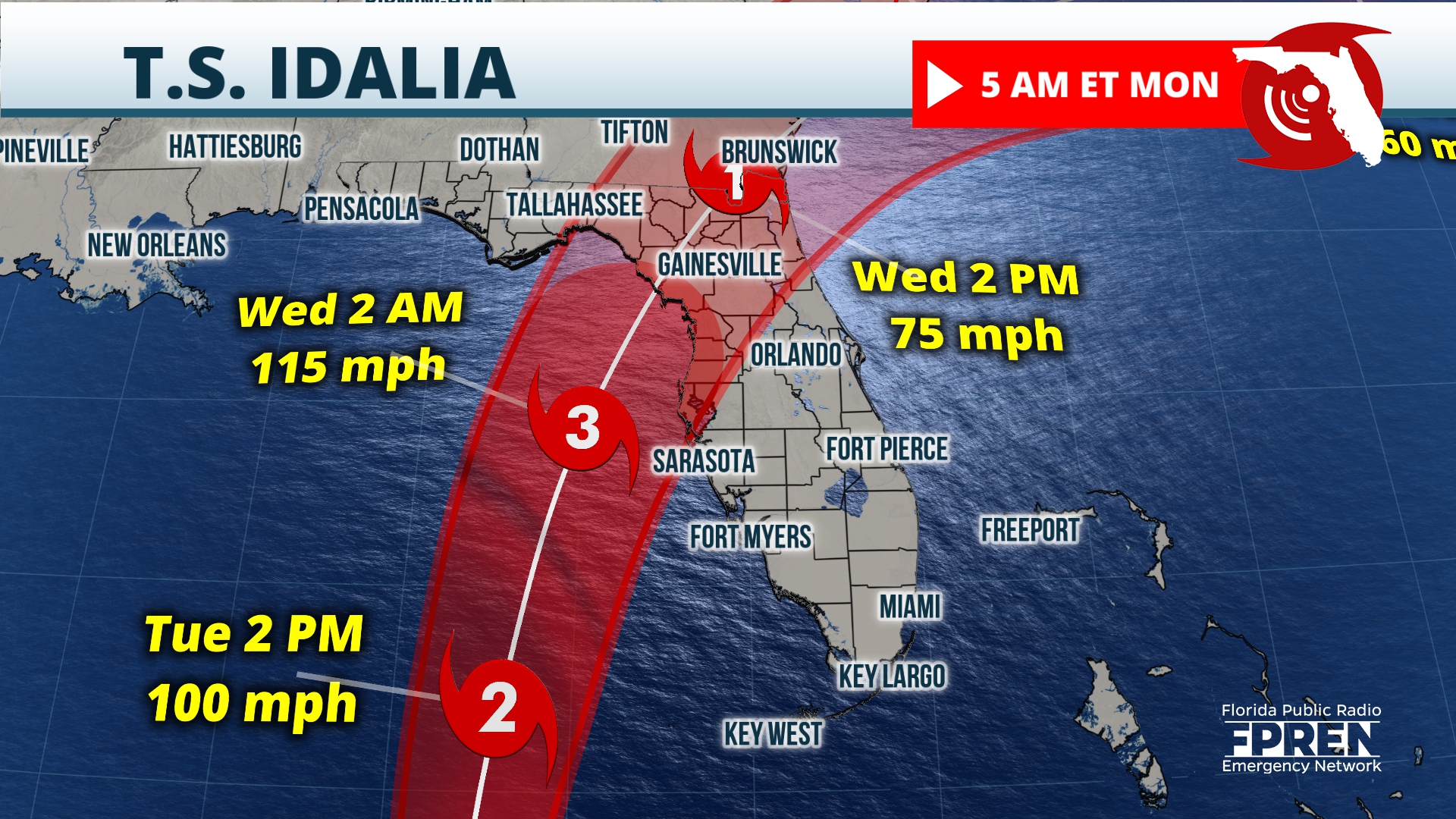
Understanding Florida’s Hurricane Season and Its Implications for Travelers
Florida’s unique geography places it squarely in the path of potential tropical weather systems. While this brings incredible natural beauty, it also necessitates a keen awareness of hurricane season. For travelers, understanding the timing, potential impacts, and the state’s remarkable resilience is paramount.
When is Hurricane Season in Florida?
The official Atlantic hurricane season runs from June 1st to November 30th each year, with the peak activity typically occurring from mid-August through October. During this period, conditions in the tropical Atlantic, Caribbean Sea, and Gulf of Mexico are most conducive to the formation and intensification of tropical depressions, tropical storms, and hurricanes. It’s important to note that while these are the official dates, storms can occasionally form outside this window. When planning travel to Florida within these months, it’s not about avoiding the state entirely, but rather about being prepared and informed. Many travelers enjoy Florida during the “shoulder seasons” of June and November, or even during the height of summer, often benefiting from fewer crowds and sometimes lower prices, provided they have a solid contingency plan.
What Happens When a Hurricane Threatens?
When a tropical system forms and poses a potential threat to Florida, various official advisories are issued by meteorological agencies like the National Hurricane Center. These include:
- Tropical Storm Watch/Warning: Indicates that tropical storm conditions (sustained winds of 39-73 mph) are possible or expected within a specified area, usually within 48-36 hours.
- Hurricane Watch: Means hurricane conditions (sustained winds of 74 mph or higher) are possible within the specified area, typically within 48 hours. This is a time to finalize preparations and evacuation plans.
- Hurricane Warning: Means hurricane conditions are expected within the specified area, typically within 36 hours. This is a critical period for evacuation orders to be issued and followed promptly.
Local authorities, often at the county level, will issue specific evacuation orders if deemed necessary, particularly for coastal areas, barrier islands, and mobile home residents. These orders are not to be taken lightly and are designed to ensure the safety of both residents and visitors. Travelers should always heed these warnings and have a clear understanding of their travel insurance policy regarding cancellations or interruptions due due to such events.
The Resiliency of the Sunshine State
Despite its exposure to hurricanes, Florida has developed a remarkable resilience and robust infrastructure for storm preparedness and recovery. Cities like Miami, Fort Lauderdale, Orlando, and Tampa have sophisticated emergency management systems. Building codes are among the strictest in the nation, designed to withstand powerful winds. Following a storm, state and local agencies, supported by federal resources, initiate rapid recovery efforts. Power restoration, debris removal, and infrastructure repairs often commence swiftly, aiming to return communities to normalcy as quickly as possible. This robust response means that even if a hurricane impacts a specific region, other parts of the state may remain untouched or recover rapidly, allowing travel to resume with minimal delay in unaffected areas.
Navigating Travel During Hurricane Season: Essential Planning
Traveling to Florida during hurricane season doesn’t have to be a gamble. With careful planning and a proactive approach, you can significantly mitigate risks and ensure a smoother trip, even if adverse weather emerges.
Comprehensive Travel Insurance: Your Best Defense
This cannot be overstressed. Investing in comprehensive travel insurance is perhaps the single most important step for anyone traveling to Florida during hurricane season. Look for policies that specifically cover:
- Trip Cancellation: If you have to cancel your trip because a hurricane makes your destination uninhabitable or inaccessible.
- Trip Interruption: If a hurricane forces you to cut your trip short and return home.
- Travel Delay: Covers additional expenses for unexpected overnight stays due to weather-related delays.
- Emergency Medical Evacuation: Crucial if you need medical attention and local facilities are overwhelmed or inaccessible.
- “Cancel For Any Reason” (CFAR) coverage: While more expensive, this offers the ultimate flexibility, allowing you to cancel your trip for any reason not covered by standard policies, often recouping a significant percentage of non-refundable costs. Always read the fine print regarding hurricane-related clauses and purchase insurance well in advance of hurricane season or any named storm threat.
Staying Informed: Reliable Sources and Real-Time Updates
Being proactive with information is key. Before and during your trip, make it a habit to check reliable weather sources regularly:
- National Hurricane Center (NHC): The authoritative source for tropical weather forecasts and advisories.
- Local National Weather Service (NWS) offices: Provides localized forecasts and warnings.
- Florida Division of Emergency Management: Offers state-specific emergency information, resources, and evacuation routes.
- Local news outlets: Excellent for real-time updates specific to your destination within Florida.
Many local hotels and resorts also have robust communication plans in place, offering guests updates and guidance. Sign up for alerts from trusted sources, and ensure your mobile phone is fully charged with a portable power bank.
Flexible Booking Policies: A Smart Approach

When booking flights, accommodations, and activities, prioritize those with flexible cancellation or rebooking policies. Many airlines and hotels offer waivers during hurricane season if a named storm threatens your destination.
- Flights: Look for airlines that allow free changes or cancellations. Consider booking directly with the airline, as third-party sites can sometimes complicate changes.
- Hotels/Resorts: Check their hurricane policies. Many Florida properties have specific provisions for refunds or future credits if a hurricane impacts your stay.
- Attractions: Theme parks like Walt Disney World Resort and Universal Studios Florida also have hurricane guarantees, allowing guests to reschedule or refund tickets if a hurricane warning is issued for the Orlando area or their home destination. Always review these policies before committing to non-refundable bookings.
Post-Hurricane Travel: What to Expect and How to Help
If a hurricane does make landfall in Florida, the immediate aftermath and subsequent recovery phase bring new considerations for travelers.
Assessing Damage and Recovery Efforts
Following a hurricane, the affected areas will enter a recovery phase. This can involve power outages, damaged infrastructure, debris, and disruptions to services. It’s crucial not to travel into affected zones immediately after a storm, as emergency services will be focused on search, rescue, and essential repairs. Road closures are common, and resources like gas, food, and water may be limited. News reports and official channels will provide updates on the extent of damage and which areas are safe and accessible. While some areas may be severely impacted, others might experience minimal disruption and recover swiftly. For instance, a storm hitting the Florida Panhandle might leave the Florida Keys entirely unaffected, or vice-versa.
Supporting Local Communities Through Tourism
Once an area is deemed safe and open for visitors, returning travelers can play a vital role in the recovery process. Tourism is a cornerstone of Florida’s economy, and visiting post-recovery helps inject much-needed revenue into local businesses, allowing them to rebuild and thrive. Choosing to patronize local restaurants, shops, and attractions, and staying in reopened hotels, contributes directly to the community’s economic resurgence. However, it’s important to have realistic expectations; some services might still be limited, and the landscape might bear scars of the storm. Patience and understanding are key. Before traveling, check with local tourism boards for updates on which businesses are open and how best to support the community.
When is it Safe to Return?
The decision on when it’s safe to return to an area after a hurricane should always be guided by official advisories from state and local emergency management agencies. Do not rely solely on social media or unofficial reports. Look for clear statements from authorities indicating that the area is open to visitors, that essential services (power, water, sanitation) have been restored, and that roads are clear and safe for travel. Reopening efforts prioritize resident safety and access, so non-essential travel should wait until official “all clear” signals are given. Respecting these guidelines not only ensures your safety but also avoids hindering recovery efforts.
Beyond the Storm: Exploring Florida’s Diverse Offerings
Despite the occasional challenges presented by hurricane season, Florida’s allure remains undiminished. Its vast array of attractions ensures there’s always something incredible to experience.
The Magic of Orlando and Its Theme Parks
No discussion of Florida travel is complete without mentioning Orlando, the theme park capital of the world. Home to iconic destinations like Walt Disney World Resort, which includes Magic Kingdom, Epcot, Hollywood Studios, and Animal Kingdom, as well as Universal Studios Florida and SeaWorld Orlando, Orlando offers unparalleled entertainment for all ages. These mega-resorts are highly prepared for severe weather, boasting robust emergency plans and structures designed for resilience. While parks may temporarily close during a direct threat, they are often among the first to reopen, bringing smiles back to visitors quickly. Orlando’s inland location also provides a degree of protection from direct coastal storm surges.
Coastal Escapes: From Miami Beach to the Florida Keys
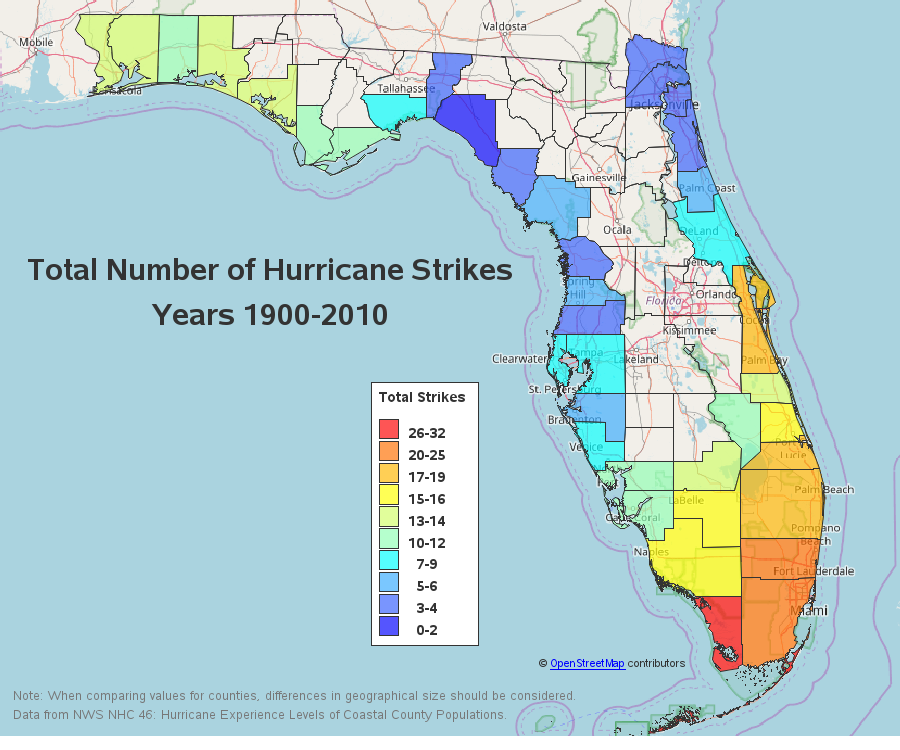
Florida’s coastline is incredibly diverse. On the Atlantic side, Miami Beach offers a vibrant cosmopolitan experience with art deco architecture, world-class dining, and pulsating nightlife. Further south, the Florida Keys provide a laid-back, tropical paradise stretching down to Key West, famous for its sunset celebrations and quirky charm. Along the Gulf Coast, destinations like St. Petersburg, Sarasota, and Naples offer tranquil, sugar-sand beaches and family-friendly atmospheres. Each coastal region has its unique character and attractions, from the historical sites in St. Augustine to the space exploration wonders near Cape Canaveral at the NASA Kennedy Space Center Visitor Complex. While these areas are more exposed to hurricane impacts, their rapid recovery capabilities and enduring appeal make them perennial favorites for travelers.
Nature and Wildlife: Everglades National Park and Beyond
Beyond the beaches and theme parks, Florida is a treasure trove of natural beauty and unique ecosystems. Everglades National Park, a UNESCO World Heritage Site, is an unparalleled wetland wilderness, home to alligators, panthers, and diverse bird species. Its vastness often means that even if one section is affected by weather, other areas may remain accessible. The state also boasts numerous state parks, springs, and wildlife refuges, offering opportunities for kayaking, hiking, birdwatching, and swimming in crystal-clear waters. Places like Biscayne National Park or the Big Cypress National Preserve highlight Florida’s commitment to preserving its natural heritage, providing tranquil retreats away from the bustling tourist centers. These natural attractions, while potentially subject to temporary closures for safety or cleanup, are often robust and recover efficiently.
In conclusion, the question “Did a hurricane hit Florida?” is a dynamic one, reflecting the reality of its climate. While hurricane season presents unique considerations, it should not deter travelers from experiencing the state’s incredible offerings. With diligent planning, comprehensive travel insurance, and a commitment to staying informed through official channels, a trip to Florida can be rewarding at any time of year. Florida’s resilience, its swift recovery efforts, and its unmatched diversity of attractions ensure that the Sunshine State continues to be a vibrant, welcoming, and endlessly fascinating travel destination. By understanding and respecting its natural environment, travelers can confidently explore all the magic Florida has to offer.
LifeOutOfTheBox is a participant in the Amazon Services LLC Associates Program, an affiliate advertising program designed to provide a means for sites to earn advertising fees by advertising and linking to Amazon.com. Amazon, the Amazon logo, AmazonSupply, and the AmazonSupply logo are trademarks of Amazon.com, Inc. or its affiliates. As an Amazon Associate we earn affiliate commissions from qualifying purchases.