
Embarking on a journey from the historic streets of Boston to the picturesque shores of Cape Cod is a classic New England experience, offering a delightful escape from urban bustle to coastal tranquility. Cape Cod, a hook-shaped peninsula in Massachusetts, is renowned for its stunning beaches, charming towns, fresh seafood, and vibrant maritime history. Whether you’re planning a romantic getaway, a family vacation, or a solo adventure, understanding the various transportation options available is key to a smooth and enjoyable trip. This comprehensive guide will navigate you through the best ways to reach this beloved destination, ensuring your travel is as pleasant as your stay. From the convenience of driving to the scenic charm of public transport, we cover all the essentials to help you choose the ideal route for your Cape Cod adventure.

Understanding Your Journey: Boston to Cape Cod
The distance from Boston to Cape Cod varies depending on your specific destination on the peninsula. To the nearest towns such as Sandwich or Falmouth on the Upper Cape, the drive is approximately 60-70 miles. If your final stop is the Outer Cape gem of Provincetown, at the very tip of the hook, the journey extends to roughly 110-120 miles. Travel times can fluctuate significantly based on traffic conditions, especially during peak summer weekends and holiday periods. A trip that might take 1.5-2 hours on a clear weekday could easily stretch to 3-4 hours or more during heavy congestion. Planning your travel around these peak times, or opting for alternative transportation, can vastly improve your experience.
Why Cape Cod is a Premier Destination
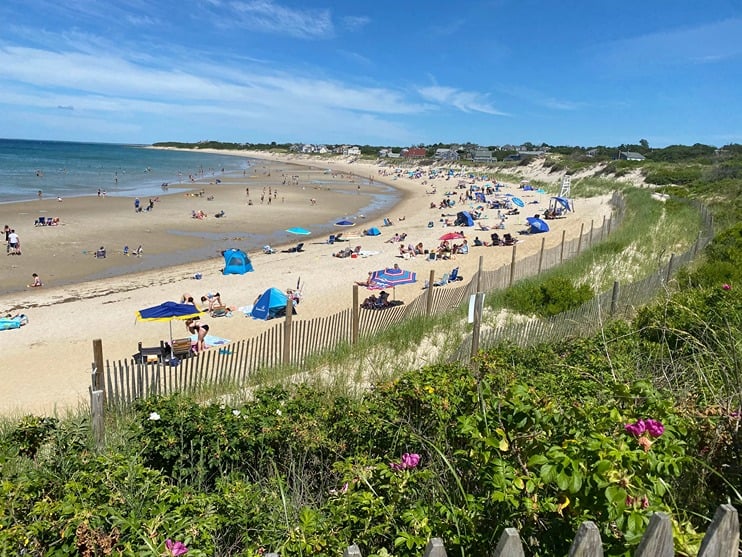
Cape Cod offers a diverse range of attractions that appeal to every traveler. From the serene beaches of the National Seashore to the bustling streets of Hyannis, the Cape delivers a quintessential coastal experience. Its charming villages, such as Chatham and Wellfleet, are steeped in history and offer quaint shops, art galleries, and delicious local eateries. Water activities abound, including whale watching tours, kayaking, paddleboarding, and deep-sea fishing. For history buffs, numerous lighthouses and maritime museums dot the coastline, telling tales of the region’s rich seafaring past. The Cape’s natural beauty, characterized by sandy dunes, cranberry bogs, and salt marshes, provides endless opportunities for outdoor exploration, whether hiking, biking along scenic trails like the Cape Cod Rail Trail, or simply relaxing on a sun-drenched beach.
Choosing Your Mode of Transport
The decision of how to get to Cape Cod from Boston largely depends on your travel priorities: budget, convenience, speed, and whether you require a vehicle once you arrive. Each method presents its own set of advantages and considerations, from the unparalleled flexibility of driving to the relaxing journey offered by ferries and trains. Understanding these options will empower you to make an informed choice that best suits your vacation style and itinerary.
Driving: The Most Flexible Option
Driving remains the most popular way to reach Cape Cod from Boston, offering unparalleled flexibility to explore the peninsula at your own pace. The journey typically involves taking Route 3 South from Boston, which leads directly to the Sagamore Bridge or the Bourne Bridge, the two main entry points onto the Cape. Once across the bridges, US-6 (Mid-Cape Highway) serves as the primary artery, stretching the length of the peninsula and connecting to various towns and attractions.
Car Rental and Personal Vehicles
If you don’t own a car or prefer not to use your personal vehicle, numerous car rental agencies are available throughout Boston, including at Logan International Airport (BOS) and various downtown locations. Renting a car provides the freedom to stop at scenic overlooks, visit multiple towns, and access more secluded beaches and attractions that might be challenging to reach via public transport. Ensure you book your rental in advance, especially during peak season, as demand can be high.
Navigating Traffic and Peak Times
The primary challenge with driving to Cape Cod is traffic, particularly during summer weekends (Friday afternoons/evenings and Saturday mornings) and holiday periods. Congestion can build up significantly on Route 3 South and around the Cape Cod bridges. To avoid the worst of it, consider traveling during off-peak hours, such as early mornings on weekdays or later in the evening. Leaving Boston before 7 AM or after 7 PM on a Friday, or heading out on a Sunday, can make a substantial difference in travel time. Utilizing real-time traffic apps like Google Maps or Waze is highly recommended to monitor conditions and potentially find alternative routes if available, although options are limited as you approach the bridges.
Parking on Cape Cod
Once you arrive on the Cape, parking can also be a consideration, especially in popular towns and at beach access points during the high season. Many beaches require parking permits, which can often be purchased daily or weekly at local town halls or designated booths. Some accommodations offer complimentary parking, which is a valuable amenity. Be prepared for metered parking or paid lots in bustling areas like Provincetown or Hyannis. Having a car, however, still offers the most convenience for exploring the far reaches of the peninsula, including the National Seashore and its myriad trails and vistas.
Public Transportation: Convenient Alternatives
For those who prefer not to drive or wish to avoid the hassle of traffic and parking, public transportation offers several convenient and often scenic alternatives. These options can provide a relaxing journey, allowing you to enjoy the scenery without the stress of navigating roads.
Bus Services
Bus travel is a cost-effective and reliable way to get from Boston to Cape Cod. Several companies operate daily routes with multiple departures from South Station in Boston to various towns across the Cape.
- Peter Pan Bus: Offers frequent service from Boston to destinations such as Hyannis, Falmouth, and Woods Hole. These routes are generally direct and comfortable.
- Plymouth & Brockton: Another prominent bus company serving the Boston to Cape Cod corridor, with stops in numerous towns, including Hyannis and points further east.
Bus journeys typically take between 1.5 to 3 hours, depending on traffic and your specific destination on the Cape. It’s advisable to book tickets in advance, especially for weekend travel during the summer. Once on the Cape, local bus services like the Cape Cod Regional Transit Authority (CCRTA) can help you navigate between towns, although their coverage may not be as extensive as having your own vehicle.
Train Service: The CapeFlyer
For a unique and relaxing journey, consider the CapeFlyer train service. Operated by the MBTA and the Massachusetts Department of Transportation, the CapeFlyer runs seasonally from late May through early September (Memorial Day weekend to Labor Day weekend). The train departs from South Station in Boston on Friday evenings, with return trips on Sunday afternoons/evenings, and also operates on select holiday Mondays.
The CapeFlyer offers a comfortable ride with amenities like free Wi-Fi, bicycle storage, and even a snack car. The primary destination is Hyannis, making it an excellent option for those staying in the Mid-Cape region or connecting to ferries for Martha’s Vineyard and Nantucket from Hyannis Harbor. Travel time to Hyannis is approximately 2.5 hours, providing a leisurely way to bypass weekend bridge traffic.
Ferry Service to Provincetown
For a truly scenic and enjoyable journey, especially if your destination is the vibrant town of Provincetown at the tip of the Cape, a high-speed ferry from Boston is an excellent choice. This option not only avoids all road traffic but also offers breathtaking views of the Boston skyline and the Massachusetts coastline.
- Bay State Cruise Company: Operates a fast ferry from Boston’s Seaport District directly to Provincetown. The journey takes approximately 90 minutes.
- Boston Harbor Cruises: Also offers high-speed ferry service from Long Wharf in Boston to Provincetown, with a similar travel time.
Both services operate seasonally, typically from May through October, with multiple daily departures during the peak summer months. Booking ferry tickets well in advance is highly recommended, as they can sell out quickly, especially for weekend trips. This option is ideal for those planning to spend their time primarily in Provincetown, as car rentals or other transportation might be needed to explore other parts of the Cape.
Specialty Transport & Tours
Beyond the standard driving and public transportation options, several specialty services cater to specific needs, offering enhanced convenience or a curated travel experience.
Private Shuttles and Ride-Sharing
For groups or travelers seeking a more personalized and direct transfer, private shuttle services and ride-sharing options are available. Companies offer door-to-door service from Boston (including Logan International Airport) directly to your accommodation on Cape Cod. While more expensive than buses or trains, they offer flexibility in scheduling and comfort, especially if you have a lot of luggage. Ride-sharing services like Uber or Lyft are also an option, though the cost for a trip all the way to Cape Cod can be substantial, making it often less economical than a dedicated shuttle service for longer distances.
Guided Tours
For visitors who prefer an all-inclusive experience, several tour operators offer day trips or multi-day excursions from Boston to Cape Cod. These tours typically include transportation, a guided itinerary hitting key attractions, and sometimes meals. While they offer less flexibility, they remove the stress of planning logistics and are an excellent way to see the highlights of the Cape with expert commentary. Check with local Boston tourism offices or online tour platforms for available options. These can often incorporate visits to Plymouth (home of Plymouth Rock) or even ferry connections to the islands, providing a broader New England experience.
Choosing Your Best Route: Tips for a Seamless Journey
Selecting the optimal way to travel from Boston to Cape Cod hinges on your individual preferences, budget, and travel style. Each mode of transport has its unique appeal, catering to different priorities. By considering a few key factors, you can ensure your journey sets the perfect tone for your Cape Cod escape.
Seasonal Considerations
The time of year significantly impacts travel to Cape Cod.
- Summer (June-August): This is peak season. Expect heavy traffic, crowded public transport, and higher prices. Book all transportation (especially ferries and the CapeFlyer) and accommodations well in advance. Driving early in the morning or late in the evening on Fridays and Saturdays can help mitigate traffic.
- Spring (April-May) and Fall (September-October): These shoulder seasons offer pleasant weather, fewer crowds, and often better prices. Traffic is much more manageable, and most attractions are still open. The CapeFlyer and fast ferries might have reduced schedules, so check in advance.
- Winter (November-March): The quietest time on the Cape. Many businesses may close for the season, and public transport options are limited. Driving is usually very easy, but be prepared for potential snow or ice. This is ideal for a peaceful, secluded getaway if you don’t mind the chill.
Budgeting for Your Trip
Costs vary widely across transportation options.
- Driving: Factor in gas prices, potential car rental fees, and bridge tolls (though currently, there are no tolls on the Cape Cod bridges themselves), as well as parking fees once on the Cape.
- Bus: Generally the most economical option for individual travelers.
- Train (CapeFlyer): Mid-range pricing, offering good value for comfort and avoiding traffic.
- Ferry: Can be more expensive than bus or train but offers a quick, scenic, and traffic-free journey to Provincetown.
- Private Shuttles/Ride-Sharing: The most expensive, but offers the greatest convenience and personalized service.
Always compare prices and book tickets in advance, especially during the high season, to secure the best rates.

Exploring Beyond Your Arrival Point
Consider your plans once you arrive on Cape Cod.
- If you plan to stay in one town (e.g., Provincetown, Hyannis) and rely on walking, biking, or local shuttles, then taking a bus, train, or ferry directly to that town is highly efficient.
- If your itinerary includes exploring multiple towns, visiting various beaches, or venturing to more remote areas, having your own vehicle (or a rental car) provides unparalleled freedom and convenience. The Cape Cod Regional Transit Authority (CCRTA) does offer intra-Cape bus services, but schedules can be limited, and routes may not cover every desired location.
Ultimately, the best way to travel from Boston to Cape Cod is the one that aligns with your travel style and preferences. Whether you opt for the independence of a car, the relaxation of a train, or the scenic beauty of a ferry, a memorable Cape Cod adventure awaits. Plan wisely, book ahead, and prepare to immerse yourself in the charm and beauty of this iconic New England destination.
LifeOutOfTheBox is a participant in the Amazon Services LLC Associates Program, an affiliate advertising program designed to provide a means for sites to earn advertising fees by advertising and linking to Amazon.com. Amazon, the Amazon logo, AmazonSupply, and the AmazonSupply logo are trademarks of Amazon.com, Inc. or its affiliates. As an Amazon Associate we earn affiliate commissions from qualifying purchases.