
The Odyssey of a Reality TV Icon: A Multitude of Expeditions
The world of reality television, particularly the long-running phenomenon of Survivor, often presents its contestants with the ultimate travel experience: an intense, strategic game played out in some of the most remote and breathtaking corners of the globe. For few has this journey been as defining and extensive as it has for Boston Rob Mariano. A figure synonymous with the show’s strategic depth and social dynamics, Rob’s multi-season quest for the coveted title of Sole Survivor wasn’t just a series of competitions; it was an evolving travelogue, each destination offering unique challenges and lessons in survival. His participation transformed him from a contestant into an enduring icon, his story woven deeply into the fabric of the show’s exotic locales and demanding physical landscapes.

Initial Forays: Marquesas and All-Stars
Rob’s first foray into the world of Survivor was in Survivor: Marquesas in 2002. This season transported contestants to the remote volcanic islands of the Marquesas, part of French Polynesia. Here, amidst rugged terrain, lush rainforests, and pristine beaches, Rob began to hone his strategic instincts. The unique Polynesian culture and the raw beauty of the islands provided a stunning, yet unforgiving, backdrop for his initial game. The isolation and reliance on nature were integral parts of this early travel experience, pushing contestants to adapt to a vastly different way of life.
His return in Survivor: All-Stars in 2004 took him to the Pearl Islands of Panama. This tropical paradise, with its rich history of pirates and hidden treasures, offered a different kind of travel challenge. Here, the emphasis shifted not only to surviving the elements but also to navigating a complex social game against seasoned veterans. The unique environment of the Pearl Islands, with its abundant marine life and often unpredictable weather, demanded a different set of survival skills, from fishing to constructing robust shelters against tropical storms. This season saw Rob come agonizingly close to victory, securing a place in the final two but ultimately falling short. His journey through Panama solidified his reputation as a master strategist, leveraging the social dynamics of the island community to his advantage.
Redemption and Strategy: Heroes vs. Villains
Rob’s third adventure brought him to Samoa for Survivor: Heroes vs. Villains in 2010. This season pitted legendary players against each other, dividing them into tribes based on their perceived heroic or villainous gameplay. The South Pacific setting of Samoa, known for its stunning waterfalls, vibrant coral reefs, and dense jungles, presented a picturesque but demanding environment. For Rob, this expedition was about re-establishing his dominance and testing his strategic prowess against the best of the best. While he didn’t win this season, his performance was a testament to his adaptability and resilience, demonstrating how deeply he understood the travel-based challenges and social landscape of the game. Each location on his Survivor journey was not merely a set but an active participant, influencing the daily struggles and strategic decisions of every contestant.
Triumph in Nicaragua: A Masterclass in Survivor Travel
The question that lingered for years in the minds of fans was finally answered during Survivor: Redemption Island in 2011. This season, set in the breathtaking, volcanic landscapes of Nicaragua, marked Rob’s fourth attempt at the title, and it was here that he orchestrated one of the most dominant and complete victories in the show’s history. His journey through Nicaragua was not just a game; it was an immersive travel experience, demanding a deep understanding of the local environment and its resources, coupled with unparalleled social manipulation.

The Ometepe Experience: Challenges and Culture
The Ometepe Island region of Nicaragua, characterized by its twin volcanoes, Concepción and Maderas, provided a stark yet beautiful backdrop for the season. The contestants had to contend with a unique ecological system, from the freshwater shores of Lake Nicaragua to the dense tropical forests that climbed the volcanic slopes. This particular travel destination forced players to engage with the natural world in profound ways, from sourcing fresh water in a humid environment to foraging for food among unfamiliar flora. The physical challenges were often designed around the rugged topography, testing endurance against climbs and swims. Rob’s mastery of camp life, shelter building, and foraging skills, honed over his previous travels, gave him a distinct advantage. He seamlessly integrated into the Ometepe environment, demonstrating a survivalist’s acumen that was crucial for long-term viability.
A Strategic Map to Victory
Rob’s win in Nicaragua wasn’t just about outplaying others; it was about out-traveling them in a strategic sense, understanding the “lay of the land” both physically and socially. He meticulously mapped out his journey from day one, forming an unbreakable alliance that he meticulously managed. His control over the social dynamics was absolute, reminiscent of an expert tour guide leading his group through complex terrain. He anticipated every turn, every potential pitfall, ensuring his allies remained loyal while systematically eliminating threats. This strategic brilliance, combined with his physical prowess in challenges—often dictated by the specific geography of Nicaragua—culminated in a unanimous victory at the Final Tribal Council. This triumph wasn’t just a personal achievement; it was a testament to how an astute understanding of one’s environment, coupled with strategic social navigation, can lead to ultimate success in a high-stakes, travel-intensive competition.
The Enduring Legacy: Beyond the Final Tribal Council
Boston Rob’s win in Survivor: Redemption Island cemented his place as one of the most influential and successful contestants in the show’s nearly two-decade history. His story is a compelling narrative of perseverance, adaptation, and eventual triumph against the backdrop of diverse and challenging global travel destinations. His journey exemplifies how the unique pressures of remote locations and primitive living conditions can shape character and strategy.
The Impact of Location on Gameplay
Each of Rob’s five appearances on Survivor was intrinsically linked to its geographical setting. From the untamed beauty of the Marquesas, which taught him initial survival skills, to the strategic chess game set amidst the Pearl Islands of Panama, and the raw physicality demanded by Samoa, every location added a layer to his expertise. His eventual victory in Nicaragua was a culmination of these experiences, where his deep understanding of how to thrive in a foreign, challenging environment, both physically and socially, allowed him to dominate. The specific flora, fauna, climate, and topography of each filming location directly influenced the types of challenges, the availability of resources, and even the strategic opportunities players could leverage. Rob’s ability to quickly assess and adapt to these varied travel scenarios was a cornerstone of his legendary gameplay.
He would later return for a fifth time in Survivor: Winners at War, set in Fiji, a destination that has become the show’s recurring home due to its diverse landscapes and logistical advantages. This final appearance, though not ending in another victory, further showcased his profound connection to the game’s travel essence, competing against other champions who had similarly mastered the art of survival in exotic locales.
A Traveler’s Perspective: More Than Just a Game
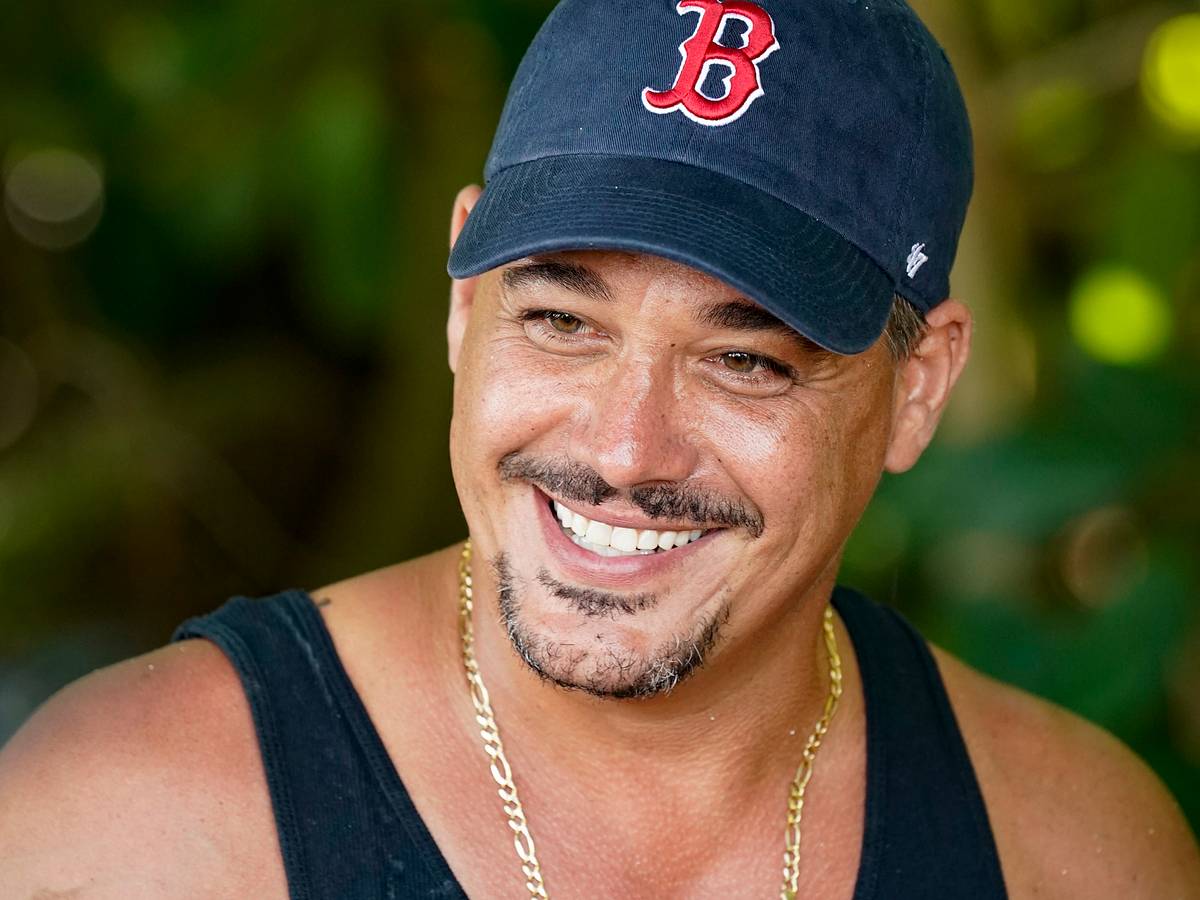
Beyond the strategy and competition, Boston Rob’s extensive history on Survivor can be viewed as an extraordinary series of travel experiences. He didn’t just visit these places; he lived within them, adapted to their rhythms, and faced their inherent challenges head-on. This isn’t the typical resort holiday or guided tour; it’s an immersive, raw encounter with nature and self, pushed to extreme limits. For those who follow his journey, it offers an insightful glimpse into the realities of remote travel, sustainable living (albeit under duress), and the profound impact that such intense, destination-based experiences can have on an individual. Rob Mariano’s story is a compelling answer to the question, “Did Boston Rob ever win Survivor?”—yes, he did, and in doing so, he solidified a legacy built on strategic genius and an unparalleled mastery of survival across some of the world’s most captivating travel destinations.
LifeOutOfTheBox is a participant in the Amazon Services LLC Associates Program, an affiliate advertising program designed to provide a means for sites to earn advertising fees by advertising and linking to Amazon.com. Amazon, the Amazon logo, AmazonSupply, and the AmazonSupply logo are trademarks of Amazon.com, Inc. or its affiliates. As an Amazon Associate we earn affiliate commissions from qualifying purchases.