
Chicago’s Inaugural Street Race: A New Era for NASCAR and the City
The roar of engines echoing through the urban canyons of Chicago marked a monumental occasion for both NASCAR and the city itself. The inaugural Chicago Street Race was not just a competition for checkered flags; it was a vibrant fusion of motorsport and urban tourism, transforming iconic streets into a high-octane spectacle. This event promised to deliver an unforgettable experience, drawing spectators from across the nation and beyond, eager to witness history unfold against the backdrop of Chicago’s renowned skyline. The race weekend was meticulously orchestrated to showcase the best of what Chicago has to offer, blending the thrill of professional racing with the unique charm and attractions of this dynamic metropolis. Beyond the on-track action, the event served as a powerful catalyst for tourism, highlighting the city’s potential to host world-class sporting events and drawing attention to its rich cultural tapestry, its diverse culinary scene, and its numerous landmark attractions.
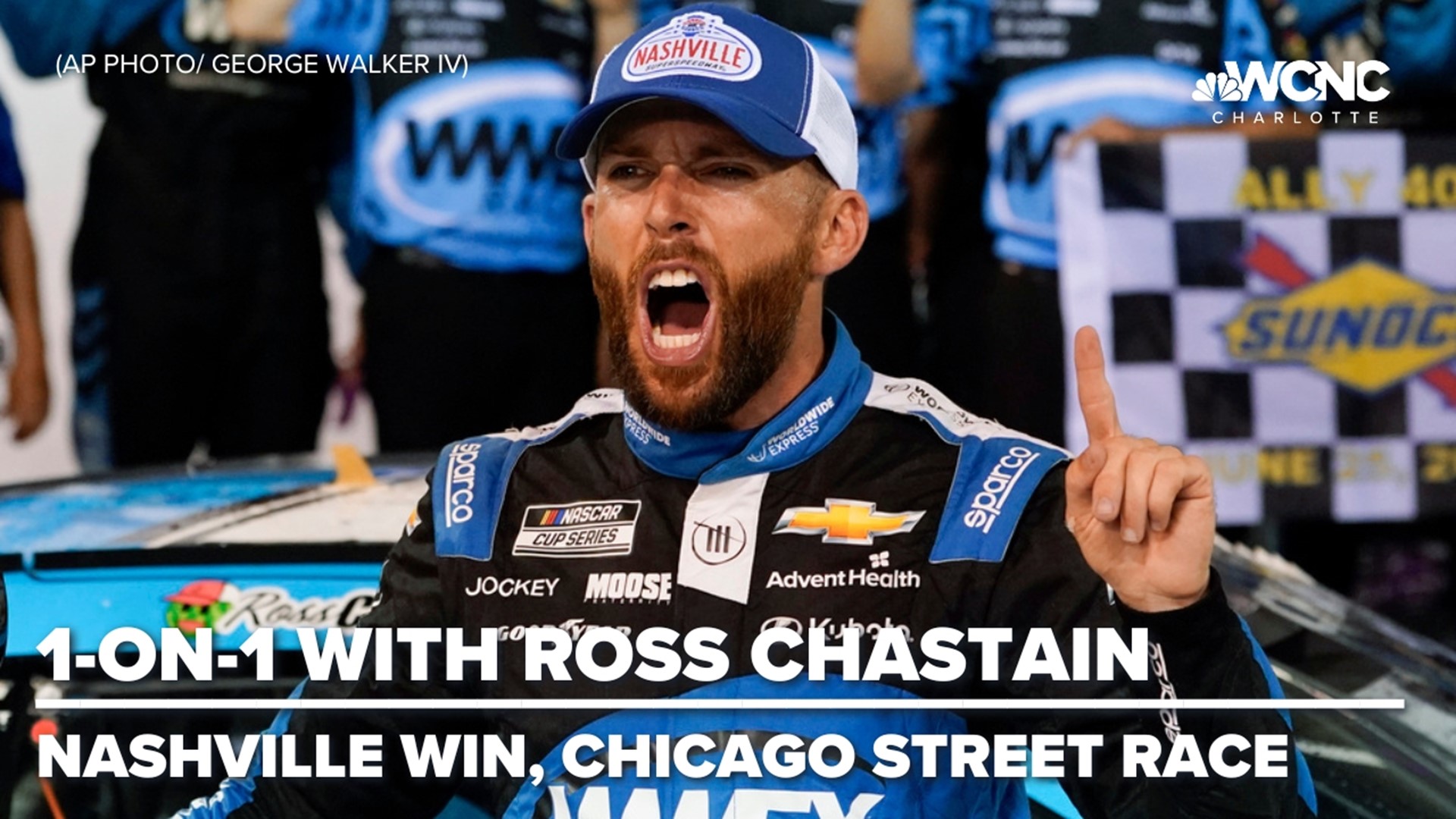
The Spectacle Beyond the Track
The appeal of the Chicago Street Race extended far beyond the confines of the racecourse. Event organizers envisioned a comprehensive festival atmosphere, integrating the race into the broader narrative of Chicago as a premier tourist destination. This meant ensuring that attendees had access to a wide array of activities and experiences, catering to diverse interests.
Culinary Delights and Local Flavors
Chicago is globally celebrated for its culinary prowess, and the street race weekend was no exception. Food vendors lined the perimeter of the track, offering a curated selection of local favorites. From deep-dish pizza that has become synonymous with the city to classic Chicago-style hot dogs, visitors had ample opportunities to indulge in the city’s gastronomic heritage. Beyond the immediate vicinity of the race, the event served as an enticing invitation for attendees to explore Chicago’s renowned restaurant scene. Neighborhoods like Lincoln Park and the West Loop buzzed with activity, offering everything from Michelin-starred dining experiences to cozy, authentic ethnic eateries. The race provided a compelling reason for many to visit and, in doing so, discover the diverse and exquisite flavors that define Chicago’s culinary identity.
Cultural Immersion and Entertainment
The race weekend was designed to be a cultural melting pot, offering a platform for local artists, musicians, and performers. Live music stages dotted the cityscape, featuring a mix of genres that reflected Chicago’s rich musical legacy, from blues and jazz to contemporary pop. Beyond the official event programming, the race encouraged visitors to explore the city’s world-class museums, such as the Art Institute of Chicago and the Field Museum. Iconic landmarks like Millennium Park, home to the famous “The Bean” sculpture, provided perfect photo opportunities, blending the excitement of the race with the enduring beauty of Chicago’s architectural marvels. The integration of cultural experiences aimed to create a holistic visit, ensuring that fans of NASCAR and first-time visitors alike could appreciate the multifaceted appeal of Chicago.
Navigating the City: Tips for Race Attendees
For those planning to attend future NASCAR events in Chicago or simply visiting to experience the city, strategic planning is key. The city offers a robust public transportation system, with the CTA ‘L’ train being an efficient way to navigate between different parts of the city and to the race venue. Taxis and ride-sharing services are also readily available, though traffic can be significant, especially on race days.
Accommodation options are plentiful, ranging from luxurious hotels in the downtown Loop area to more budget-friendly choices in surrounding neighborhoods. Booking accommodations well in advance is highly recommended, as demand surges during major events. Exploring different areas of the city beyond the immediate race circuit can provide a more authentic Chicago experience, revealing hidden gems and local favorites.
The Thrill of the Track: Defining Moments of the Race
While the event was a celebration of Chicago as a destination, the primary focus remained on the NASCAR Cup Series race itself. The creation of a temporary street circuit through the heart of the city presented unique challenges and opportunities for drivers and teams, transforming familiar urban landscapes into a demanding racetrack.
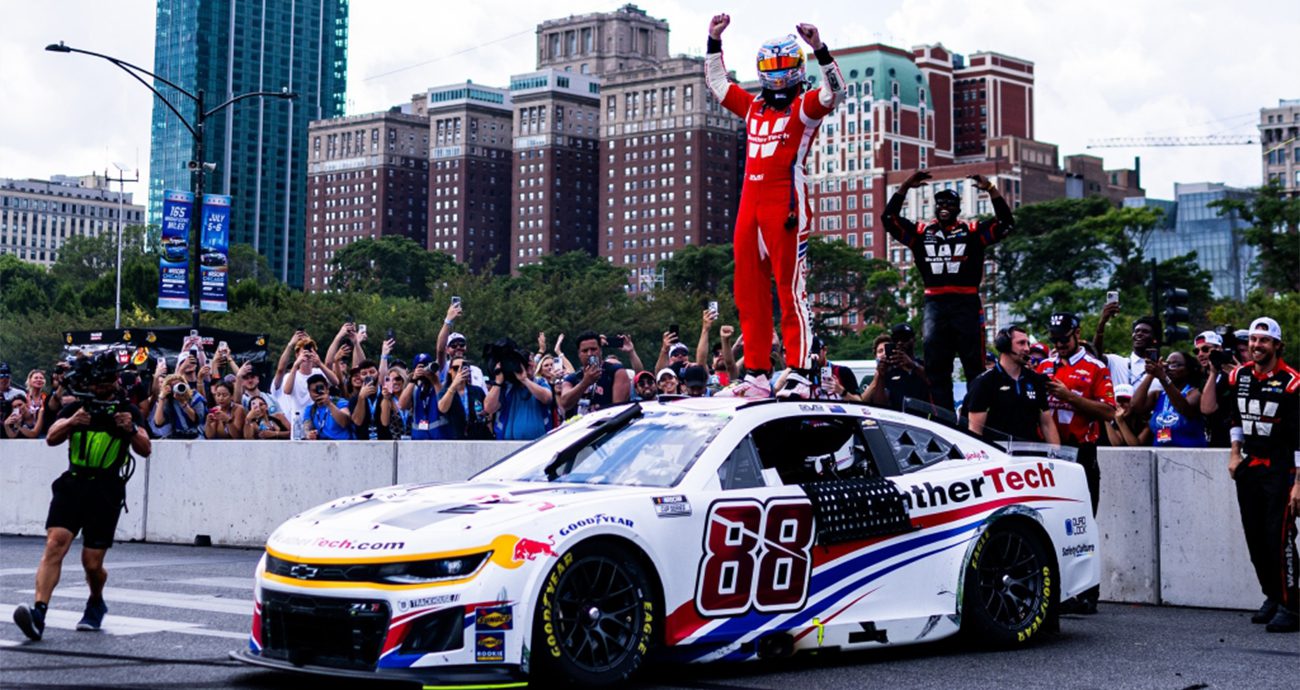
Crafting an Urban Racing Circuit
The 2.2-mile course was laid out through picturesque areas, incorporating renowned boulevards and circuits around significant landmarks. Drivers navigated iconic streets, testing their skill and nerve against the unforgiving concrete barriers. The tight corners, varied surfaces, and the sheer novelty of racing through a major metropolitan area created an unpredictable and exhilarating spectacle for fans. This departure from traditional oval tracks added a strategic layer to the competition, requiring drivers to adapt their techniques and car setups to the demands of street circuit racing. The unique challenges of this course promised to separate the truly exceptional drivers from the rest.
Driver Perspectives and Strategies
The drivers’ feedback on the Chicago Street Race circuit was a focal point for many discussions leading up to and during the event. The combination of high speeds on longer straights and the technical demands of tight chicanes meant that precision driving was paramount. Teams had to fine-tune their cars for optimal braking, acceleration, and agility. The unpredictability of street racing, with potential for cautions and close calls, meant that race strategy played an even more crucial role. Pit stop timing, tire management, and the ability to capitalize on yellow flags became critical factors in determining the outcome. The event tested the adaptability and resilience of drivers and their teams in a way that few other venues could.
The Climax: Crown Jewel of the Inaugural Race
The culmination of the weekend’s festivities was the main event, the NASCAR Cup Series race. The tension was palpable as the green flag dropped, signaling the start of a battle that would etch itself into NASCAR history. The race was characterized by intense competition, daring overtakes, and the strategic maneuvering that defines professional stock car racing.
Identifying the Victor: A New Champion Crowned
The question on everyone’s lips was: who would emerge victorious from this historic urban battle? The race unfolded with thrilling twists and turns, showcasing the skill and determination of the sport’s elite competitors. Among the field of talented drivers, one ultimately demonstrated superior pace, strategy, and execution to cross the finish line first, claiming the inaugural victory at the Chicago Street Race. The identity of this champion became an instant talking point, adding another layer of excitement to the event and cementing their place in motorsport lore. The winner’s performance served as a testament to their mastery of this demanding new circuit and their ability to perform under immense pressure. Their victory was not just personal glory but also a triumph for the sport, proving that NASCAR can thrive in unconventional, urban settings.
Legacy and Future Implications for Chicago Tourism
The success of the inaugural Chicago Street Race transcends the single weekend of competition. It has set a precedent for urban motorsports and has significant implications for Chicago as a global tourism hub.
The Economic Impact of a High-Profile Event
Hosting a major event like the NASCAR Cup Series race brings substantial economic benefits to the host city. The influx of spectators, media, and team personnel generates considerable revenue through hospitality, accommodation, dining, and retail. This economic ripple effect supports local businesses and creates temporary employment opportunities. Furthermore, the global media coverage of the event showcases Chicago to a vast international audience, potentially driving future tourism beyond the race weekend. The long-term impact of such an event can extend for years, as the city’s profile is elevated on the global stage.
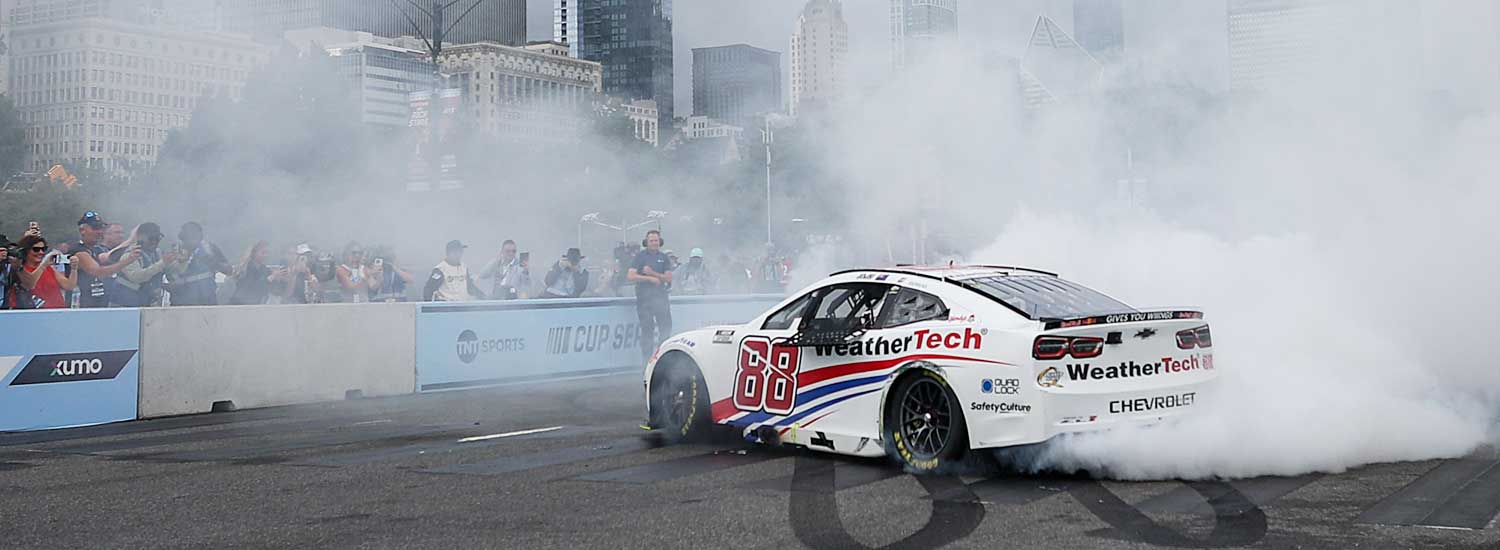
Setting a New Standard for Urban Motorsport Tourism
The Chicago Street Race demonstrated the viability and excitement of bringing top-tier motorsports directly into the heart of a major city. This innovative approach offers a unique selling proposition for both sports fans and general tourists. The ability to combine the thrill of a race with the rich cultural offerings and iconic landmarks of a city like Chicago creates an unparalleled tourism experience. This model could inspire other cities to explore similar partnerships, further diversifying the landscape of motorsports events and broadening their appeal to a wider demographic. The event has proven that the synergy between urban life and high-speed racing can be a powerful engine for tourism and economic development.
LifeOutOfTheBox is a participant in the Amazon Services LLC Associates Program, an affiliate advertising program designed to provide a means for sites to earn advertising fees by advertising and linking to Amazon.com. Amazon, the Amazon logo, AmazonSupply, and the AmazonSupply logo are trademarks of Amazon.com, Inc. or its affiliates. As an Amazon Associate we earn affiliate commissions from qualifying purchases.