
The question of whether California defunded its fire departments is one that evokes immediate concern, conjuring images of reduced emergency response capabilities and increased risks to communities. In reality, the situation is far more nuanced than a simple “yes” or “no.” While no state or major city in California has undertaken a wholesale “defunding” in the vein of what has been discussed in other public service sectors, the conversation around fire department budgets, resource allocation, and operational strategies is a constant and evolving one. Understanding the fiscal realities and strategic priorities of public safety in the Golden State requires a closer examination of budget trends, legislative actions, and the complex interplay of local and state responsibilities.

Budgetary Realities and Shifting Priorities
The concept of “defunding” implies a deliberate and significant reduction in financial support, leading to a contraction of services. In California, fire departments, like all public services, operate within budgets set by local governments and, to a lesser extent, influenced by state funding initiatives. These budgets are subject to the vagaries of the economic climate, tax revenue fluctuations, and competing demands from other essential services such as education, healthcare, and infrastructure.
Examining Expenditure Trends
While overall fire department expenditures in California have generally seen an upward trend over the past few decades, driven by factors like increased personnel costs, the acquisition of new equipment, and the need to address evolving threats such as wildfires, the allocation of these funds can be a point of contention. Budgets are not static; they are annually reviewed, debated, and approved. During periods of fiscal constraint, it is not uncommon for public agencies, including fire departments, to face pressure to optimize spending, potentially leading to deferred upgrades, hiring freezes, or a strategic reallocation of resources rather than outright cuts.
The Impact of State vs. Local Control
A significant aspect of fire services in California is the predominantly local control. Most fire departments are operated and funded by individual cities and counties. This means that budget decisions are made at the municipal level, reflecting the specific needs and financial capacity of each community. State-level actions that might affect fire department funding often come in the form of grants, reimbursements for specific services (like wildfire suppression), or mandates that can come with or without corresponding funding. Therefore, a “defunding” narrative at the state level is misleading, as the primary budgetary authority rests with local jurisdictions.
Wildfire Preparedness and Resource Management
Perhaps the most prominent factor influencing discussions around fire department budgets in California is the escalating threat of wildfires. The scale and intensity of recent fire seasons have placed immense strain on existing resources, prompting calls for increased investment in prevention, mitigation, and response. This has led to a paradoxical situation where, in some instances, departments may face budget scrutiny due to economic pressures, while simultaneously needing more funding to combat increasingly severe environmental challenges.
State Initiatives for Wildfire Response
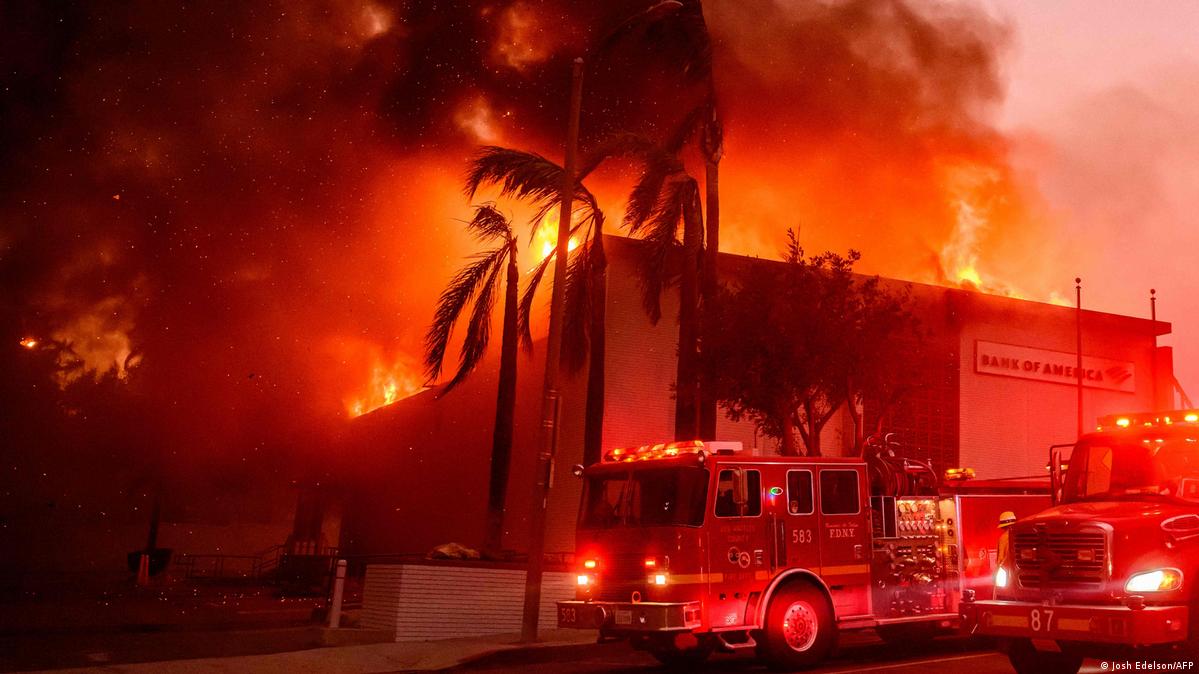
In response to the growing wildfire crisis, the state of California has indeed implemented significant initiatives aimed at bolstering wildfire preparedness and response. These include substantial investments in technology, such as advanced early detection systems and aerial firefighting capabilities, as well as funding for forest management and defensible space programs. These initiatives represent an increase in state-level focus and financial commitment to wildfire-related issues, rather than a defunding. However, these are often directed towards specific programs and may not directly translate into across-the-board budget increases for all local fire departments.
Local Budget Challenges Amidst Rising Costs
Despite state efforts, many local fire departments grapple with the rising costs associated with staffing, training, and maintaining modern equipment. The specialized nature of firefighting, particularly in areas prone to extreme weather events, requires significant financial outlay. When local tax revenues dip, or when other urgent needs arise (such as affordable housing or public transit), fire department budgets can become a point of negotiation. This can lead to difficult decisions about staffing levels, apparatus replacement schedules, or the expansion of community outreach programs, which might be perceived by some as a reduction in service, even if not officially labeled as “defunding.”
Public Perception vs. Fiscal Policy
The perception that fire departments are being defunded often arises from specific local budget discussions, service level adjustments, or the comparison of current funding to the perceived needs of a community. It’s crucial to differentiate between a deliberate policy of defunding and the complex fiscal management that public agencies undertake annually.
Case Studies and Local Anecdotes
Numerous local news reports emerge annually detailing budget debates in cities across California. For instance, a city might propose reducing overtime budgets for its fire department to meet other critical needs. While this might result in fewer firefighters on shift during certain periods or a slower response to non-emergency calls, it does not equate to the wholesale dismantling of the department. Similarly, consolidation of services between neighboring fire districts, while potentially leading to efficiencies, can sometimes be misconstrued as a reduction in local capacity. These localized instances, when amplified, can contribute to a broader narrative that may not accurately reflect the statewide picture.
The Role of Firefighter Unions and Advocacy
Firefighter unions and advocacy groups play a crucial role in monitoring budgets and advocating for their members and the communities they serve. They are often at the forefront of public discourse when budget proposals are seen as detrimental to fire department operations. Their input, while vital for ensuring robust public safety, can sometimes frame budgetary discussions in terms of potential negative impacts, contributing to the perception of “defunding” when the reality is a more complex fiscal balancing act. Their advocacy is essential in highlighting the needs for adequate resourcing in the face of evolving challenges.

Conclusion: A Complex Fiscal Landscape
In conclusion, the assertion that California has defunded its fire departments is an oversimplification of a multifaceted fiscal and operational reality. While no widespread, systemic defunding has occurred, fire departments, like all public services, navigate challenging budgetary environments. They face constant pressure to balance essential operational needs with fiscal responsibility, particularly in light of increasing demands driven by factors such as population growth and the escalating threat of wildfires. State initiatives have focused on bolstering wildfire response and preparedness, indicating a commitment to strengthening these vital services. However, the day-to-day financial health and operational capacity of most fire departments remain primarily within the purview of local governments, where budget decisions are subject to local economic conditions and competing public priorities. Therefore, while specific budget adjustments or resource reallocations might occur at the local level, leading to community concerns, a definitive “defunding” of California’s fire departments is not an accurate representation of the current landscape. The ongoing dialogue centers on ensuring adequate and sustainable funding to meet the critical and evolving needs of public safety across the state.
LifeOutOfTheBox is a participant in the Amazon Services LLC Associates Program, an affiliate advertising program designed to provide a means for sites to earn advertising fees by advertising and linking to Amazon.com. Amazon, the Amazon logo, AmazonSupply, and the AmazonSupply logo are trademarks of Amazon.com, Inc. or its affiliates. As an Amazon Associate we earn affiliate commissions from qualifying purchases.