
Navigating Celebrity Narratives and Public Figures
The question of whether a public figure has passed away often surfaces in the digital age, fueled by the rapid dissemination of information, speculation, and sometimes misinformation. When the name “Dakota Culkin” is queried, it invariably leads to discussions surrounding the prominent Culkin family, known for its association with Hollywood and the acting world. Understanding the context around such inquiries requires a nuanced approach, distinguishing between verified news and unfounded rumors. This exploration delves into the public record and available information to address the query directly.
The Public Life of Dakota Culkin
Dakota Culkin, born in New York City, was a member of a notable acting dynasty. While perhaps less in the spotlight than some of his siblings, his presence within the family’s sphere of influence meant he was subject to public interest. Information about his life, like that of many individuals connected to the entertainment industry, can be pieced together through various public sources, including interviews, family accounts, and occasional media mentions. The intricacies of celebrity family dynamics often lead to public curiosity about every member, regardless of their individual career trajectory.

Addressing the Speculation
The nature of online searches for individuals, especially those linked to famous families, can often be driven by a desire for up-to-date information or by the spread of unsubstantiated claims. Inquiries about a person’s passing are particularly sensitive and require a careful examination of credible sources. It is crucial to rely on established news outlets, official statements, or verified biographical information when seeking to confirm or deny such serious assertions. The digital landscape, while efficient in sharing information, can also be a breeding ground for inaccuracies that spread quickly if not critically assessed.
The Importance of Verified Information
When addressing inquiries about the well-being or status of public figures, adherence to factual reporting is paramount. Misinformation, particularly concerning death, can cause undue distress to the individual in question, their family, and the wider public. Therefore, any discussion or reporting must be grounded in verifiable evidence. This involves cross-referencing information from multiple reputable sources and avoiding reliance on unconfirmed social media posts or speculative forums. The integrity of information dissemination is vital, especially when dealing with sensitive personal matters.
The Culkin Family’s Public Footprint
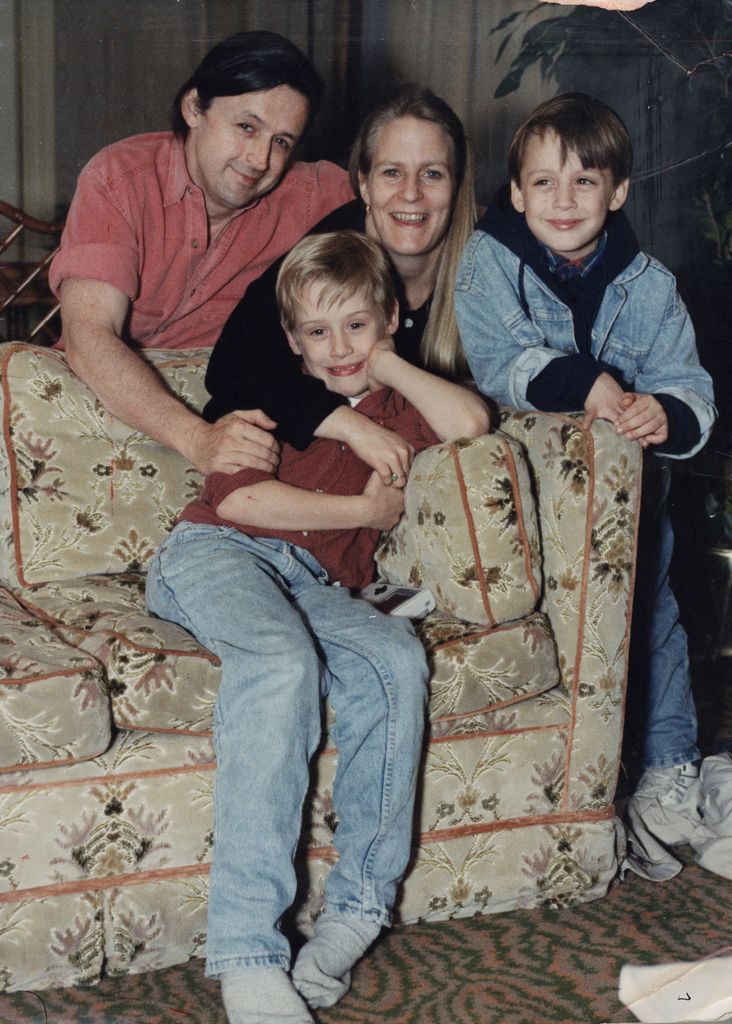
The Culkin family gained significant public recognition through the success of actors like Macaulay Culkin and Kieran Culkin. This familial connection naturally draws attention to other members of the family. Public interest in the lives of celebrities and their relatives is a well-documented phenomenon, often leading to a demand for more personal details. However, it is essential to respect the privacy of individuals, especially when that information is not publicly shared by them or their immediate representatives.
Media’s Role in Public Perception
The media plays a significant role in shaping public perception and disseminating information about public figures. Responsible journalism dictates that any reports concerning a person’s life or death must be rigorously fact-checked and sourced. Speculation, while sometimes a part of public discourse, should be clearly distinguished from confirmed news. In cases where a public figure is the subject of a serious inquiry, such as their passing, the absence of official confirmation from reputable sources should be treated with caution, and the narrative should avoid definitive statements based on hearsay.
Understanding Online Search Trends
The types of questions people ask online, such as “Did [Name] Pass Away?”, often reflect a societal interest in the lives of notable individuals and a desire to stay informed. These search trends can also be influenced by existing rumors or news cycles. For individuals who are not actively in the public eye, information may be scarce, making it harder to verify details. This scarcity can, in turn, lead to increased speculation and a greater volume of these types of queries. The internet provides a platform where information, both accurate and inaccurate, can coexist, making critical evaluation of search results indispensable.
The Ethics of Reporting on Public Figures
Reporting on public figures, especially concerning sensitive topics like their health or passing, carries ethical responsibilities. While the public has an interest in knowing about notable individuals, this interest must be balanced with respect for privacy and the accuracy of information. When a question arises about a person’s well-being, the responsible approach involves seeking official statements or credible news reports. Without such verification, it is best to refrain from contributing to speculative narratives. The digital age presents new challenges in this regard, where rumors can spread globally in moments.
Public Records and Information Accessibility
Access to public records and official announcements are the most reliable ways to ascertain facts about individuals, including those in the public eye. For individuals like Dakota Culkin, who may not have maintained a high-profile public career, this information might be less readily available. However, in cases of passing, there are typically official announcements from family members, obituaries published in recognized media outlets, or official death certificates that would become public information over time. The absence of such official confirmations in reputable sources is a strong indicator that rumors may be unfounded.
The Digital Footprint and Verification Challenges
In the current digital landscape, a person’s “footprint” can be vast, encompassing social media, news archives, and various online databases. However, not all information found online is accurate or up-to-date. For a public figure like Dakota Culkin, the challenge lies in sifting through this digital information to find verified facts. Queries about the status of such individuals often stem from fragmented pieces of information or the resurfacing of older news. This underscores the importance of a discerning approach to online research, prioritizing authoritative sources.

Conclusion: Navigating Uncertainty with Fact-Based Information
When faced with questions about the status of public figures, especially those with a connection to famous families, it is imperative to rely on credible and verified information. The digital realm can often be a source of speculation, and without definitive confirmation from trusted sources, it is best to approach such inquiries with caution. The inquiry “Did Dakota Culkin Pass Away?” should be addressed by consulting reputable news archives and official family statements, if any exist. In the absence of such, it is prudent to acknowledge the limitations of public information and avoid perpetuating unsubstantiated claims. The responsible dissemination of information remains a cornerstone of public discourse, particularly concerning sensitive personal matters.
LifeOutOfTheBox is a participant in the Amazon Services LLC Associates Program, an affiliate advertising program designed to provide a means for sites to earn advertising fees by advertising and linking to Amazon.com. Amazon, the Amazon logo, AmazonSupply, and the AmazonSupply logo are trademarks of Amazon.com, Inc. or its affiliates. As an Amazon Associate we earn affiliate commissions from qualifying purchases.