
Navigating the vibrant Northeastern Corridor of the United States offers a unique blend of historical significance and modern dynamism. Two of its most pivotal cities, Boston, Massachusetts, and Washington, D.C., serve as major cultural, political, and economic hubs. For travelers planning a journey between these two iconic destinations, understanding the distance and various travel options is the first crucial step. The journey between Boston’s colonial charm and Washington, D.C.’s monumental grandeur is a well-trodden path, offering diverse experiences depending on your chosen mode of transport and desired pace.
The Northeastern Corridor: A Geographical Overview
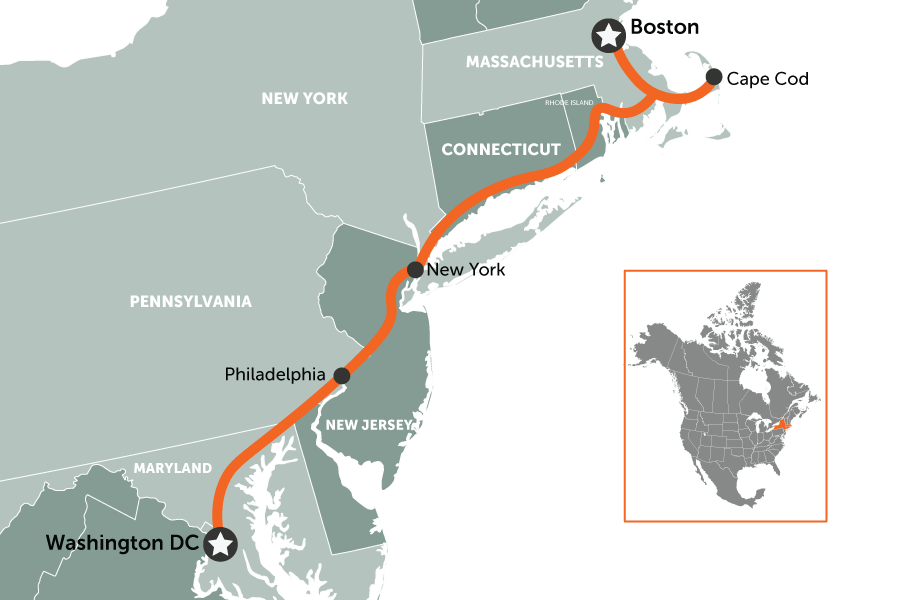
The distance between Boston and Washington, D.C. is a fundamental piece of information for any travel itinerary. These two cities anchor opposite ends of a bustling regional artery, often referred to as the Northeast Megalopolis, which includes major cities like New York City, Philadelphia, and Baltimore. This corridor is characterized by its high population density, extensive transportation networks, and constant flow of commerce and tourism.
Straight-Line vs. Driving Distances
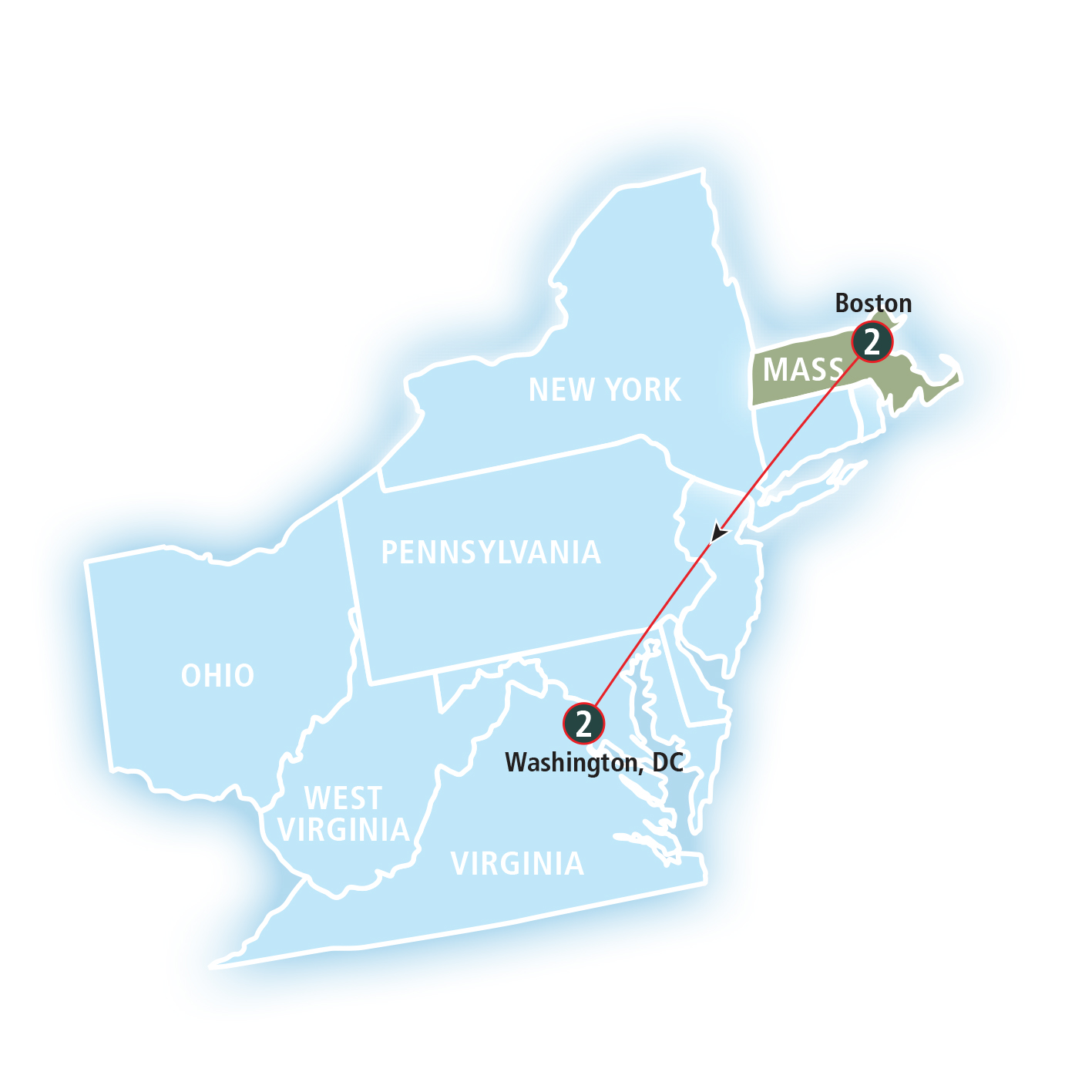
When discussing distance, it’s important to distinguish between “as the crow flies” (air distance) and actual road distance. The straight-line distance between Boston and Washington, D.C. is approximately 390 miles (about 628 kilometers). This figure is primarily relevant for air travel. For those traveling by road, rail, or bus, the distance is significantly longer due to the winding nature of highways and rail lines that navigate geographical features and urban centers. The typical driving distance spans roughly 440 to 450 miles (about 708 to 724 kilometers), varying slightly based on the specific route taken and any detours. This difference underscores why travel times can vary widely depending on the chosen method of transportation.
Key Cities Along the Route
The journey between Boston and Washington, D.C. often involves passing through or near several other prominent East Coast cities. South of Boston, travelers typically traverse Connecticut, often passing through New Haven or Hartford. Further south, New York City is a major waypoint, followed by significant urban centers in New Jersey, and then Philadelphia in Pennsylvania. Finally, before reaching Washington, D.C., the route usually takes you through Baltimore, Maryland. These cities offer potential stops for breaks, meals, or even extended detours for those with more time to explore the rich history and culture of the Mid-Atlantic region.
Navigating the Distance: Travel Options and Estimated Times
Choosing the right mode of transportation between Boston and Washington, D.C. largely depends on your budget, time constraints, and preference for comfort or adventure. Each option offers a distinct experience of the Northeastern Corridor.
Driving: The Classic Road Trip
For many, driving offers the ultimate flexibility and the opportunity to explore at their own pace. The typical driving distance is around 440-450 miles, primarily along Interstate 95 (I-95).
- Estimated Time: Without significant stops, the drive typically takes between 7 to 9 hours. However, this is a highly variable estimate.
- Considerations: Traffic is a major factor, especially around major metropolitan areas like New York City, Philadelphia, and the immediate Washington, D.C. area. Travel during off-peak hours (mid-day weekdays or late evenings) can significantly reduce travel time. Tolls are also prevalent along I-95, particularly in Massachusetts, New York, New Jersey, Delaware, and Maryland, so budgeting for these costs (or using a transponder like E-ZPass) is essential. Fuel costs and potential overnight stays for a more leisurely trip should also be factored in.
Air Travel: The Fastest Connection
Flying is unequivocally the fastest way to cover the distance between these two cities.
- Estimated Time: The direct flight time is approximately 1.5 hours. However, the total travel time, including getting to and from airports, security, check-in, and potential delays, typically ranges from 4 to 6 hours gate-to-gate.
- Airports: In Boston, flights depart from Boston Logan International Airport (BOS). For Washington, D.C., travelers can choose between Ronald Reagan Washington National Airport (DCA), which is closest to downtown D.C. and highly convenient, or Dulles International Airport (IAD) and Baltimore/Washington International Thurgood Marshall Airport (BWI), both of which are further out but may offer more flight options and potentially lower fares.
- Considerations: While fast, air travel can be the most expensive option, especially if booked last minute. Baggage fees, seat selection costs, and ground transportation to/from airports can add up. It’s often best for those with tight schedules or a preference for minimal transit time.
Rail Travel: A Scenic Alternative with Amtrak
Amtrak provides a comfortable and convenient rail service along the Northeastern Corridor, connecting downtown Boston to Washington, D.C.’s core.
- Estimated Time: The high-speed Acela Express typically completes the journey in about 6.5 to 7.5 hours. The more economical Northeast Regional service takes slightly longer, around 8 to 9 hours, due to more stops.
- Stations: Trains depart from Boston South Station and arrive at Washington Union Station. Both stations are centrally located and offer excellent connections to local public transport.
- Considerations: Amtrak offers a relaxed travel experience with spacious seating, Wi-Fi, and dining cars. It’s a great option for business travelers who can work on the go or for leisure travelers who prefer to avoid the stress of driving or airport procedures. Booking in advance can yield better fares, particularly for Acela Express.
Bus Travel: The Budget-Friendly Choice

Bus services offer the most economical way to travel between Boston and Washington, D.C..
- Estimated Time: Bus journeys are typically the longest, ranging from 8 to 10+ hours, depending on the number of stops, traffic conditions, and the specific route.
- Providers: Major bus companies like Greyhound, FlixBus, and Peter Pan Bus Lines operate frequent services.
- Considerations: While budget-friendly, bus travel might not be as comfortable as rail or air, especially for longer durations. Amenities like Wi-Fi and power outlets are usually available, but space can be limited. This option is ideal for students, budget travelers, or those who prioritize cost savings above all else.
Planning Your Journey: Essential Travel Tips
Regardless of your chosen mode of transport, thoughtful planning can significantly enhance your trip from Boston to Washington, D.C..
Best Time to Travel
The Northeastern Corridor experiences distinct seasons, which can impact travel. Spring (April-May) and Fall (September-October) generally offer the most pleasant weather, with fewer crowds and moderate temperatures, making them ideal for sightseeing. Summer (June-August) brings warm weather and peak tourist season, meaning higher prices and more congestion. Winter (November-March) can present challenges with snow and ice, potentially leading to travel delays, especially for driving or even flights. Avoiding major holidays and school breaks will typically result in lower fares and less crowded transit.
Booking in Advance
For flights and Amtrak tickets, booking well in advance (typically 2-4 weeks for flights, and even further for popular Amtrak routes) can result in substantial savings. Prices tend to increase closer to the departure date. For bus travel, while generally cheaper, early booking can still secure the best rates and preferred seating. If driving, confirming accommodations and any special events in your destinations can also prevent last-minute price surges.
Packing Smart
Consider the duration of your trip and your mode of travel when packing. For air travel, adhere to airline baggage restrictions to avoid extra fees. On Amtrak and buses, you generally have more leeway with luggage, but compact packing is always wise. If driving, ensure you have an emergency kit, particularly if traveling during winter months, and pack snacks and drinks to minimize stops. Comfortable walking shoes are a must for exploring both Boston’s historic streets and Washington, D.C.’s expansive National Mall.
Stops and Detours
For those embarking on a road trip, the journey itself can be an adventure. Consider incorporating stops at charming towns or historical sites along the way. Mystic, CT, known for its maritime history and aquarium, makes for a delightful break. Further south, New Haven, CT is home to Yale University and a vibrant food scene. In Pennsylvania, a detour to Gettysburg, PA offers a profound historical experience. These stops can break up the drive and add unique dimensions to your travel experience.
Destination Highlights: What Awaits in Boston and Washington, D.C.
Upon arrival, both Boston and Washington, D.C. offer an abundance of attractions and experiences, reflecting their distinct roles in American history and culture.
Exploring Boston: Historical Riches and Modern Charms
Boston, the capital of Massachusetts, is a city where every cobblestone seems to whisper tales of the American Revolution. A must-do is walking the Freedom Trail, a 2.5-mile-long path that winds through downtown Boston, connecting 16 historically significant sites. Key stops include the Paul Revere House, Faneuil Hall Marketplace, and the site of the Boston Massacre. Beyond history, Boston offers beautiful green spaces like Boston Common and the Public Garden. Art enthusiasts will appreciate the Museum of Fine Arts and the Isabella Stewart Gardner Museum. The city’s culinary scene is vibrant, from fresh seafood at Quincy Market to authentic Italian cuisine in the historic North End.
Discovering Washington, D.C.: Monuments, Museums, and Government
Washington, D.C., the nation’s capital, is a city built on grand scale, reflecting its importance as a center of democracy and power. The iconic National Mall is a sprawling open-air park stretching from the United States Capitol to the Lincoln Memorial, flanked by the Washington Monument and numerous Smithsonian Museums. Visitors can spend days exploring the free Smithsonian institutions, such as the National Museum of Natural History and the National Air and Space Museum. Other essential sights include the White House, the Library of Congress, and the memorials dedicated to World War II, Vietnam Veterans, and Dr. Martin Luther King, Jr.. The diverse culinary landscape ranges from high-end dining to casual international eateries, mirroring the city’s global influence.
LifeOutOfTheBox is a participant in the Amazon Services LLC Associates Program, an affiliate advertising program designed to provide a means for sites to earn advertising fees by advertising and linking to Amazon.com. Amazon, the Amazon logo, AmazonSupply, and the AmazonSupply logo are trademarks of Amazon.com, Inc. or its affiliates. As an Amazon Associate we earn affiliate commissions from qualifying purchases.