
Understanding the financial landscape of a city as dynamic as New York City is crucial for anyone considering a move, a long-term stay, or even an extended visit that might trigger tax obligations. While the allure of Times Square, the cultural richness of museums like the Metropolitan Museum of Art, and the sheer energy of Manhattan are undeniable, the practicalities of taxation deserve careful consideration. This guide delves into the intricacies of income tax in New York City, offering clarity for residents and potential newcomers alike.
The Layers of Taxation in New York City
Navigating income tax in New York City involves understanding that it’s not a single, monolithic entity. Instead, your tax liability is determined by a combination of federal, state, and city-specific levies. This multi-layered approach is common in highly populated and economically significant urban centers, ensuring that local governments have the resources to provide essential services and maintain the vibrant infrastructure that draws millions to the city each year.
Federal Income Tax
The foundational layer of income tax for all U.S. residents is federal income tax. This is managed by the Internal Revenue Service (IRS) and applies to income earned from all sources, including wages, salaries, investments, and self-employment. Federal tax rates are progressive, meaning higher earners pay a larger percentage of their income in taxes. The specific rates and brackets are adjusted annually by the IRS to account for inflation. For the most current federal tax brackets and deductions, it is always advisable to consult the official IRS website or a qualified tax professional.
State Income Tax: New York State
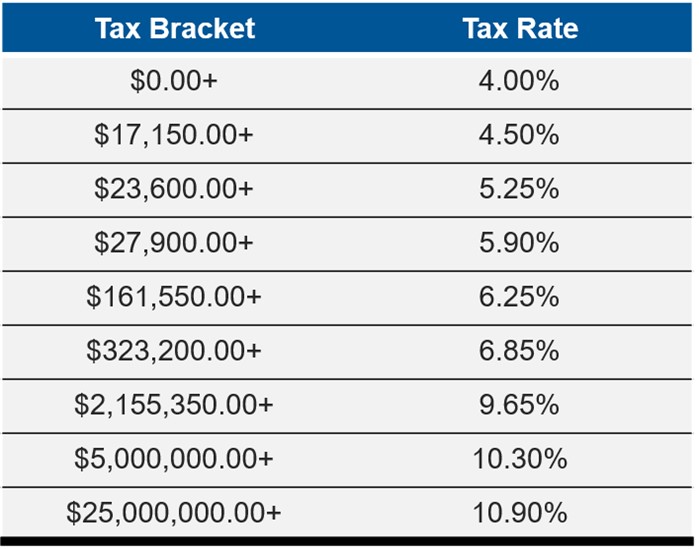
Beyond federal obligations, residents of New York are subject to state income tax. The New York State Department of Taxation and Finance administers these taxes. Similar to federal taxes, New York employs a progressive tax system. The state tax rates vary based on your income level and filing status (e.g., single, married filing jointly). These rates can also be subject to change, so staying informed through official state publications is essential. For instance, individuals with higher incomes will generally face a higher state tax burden compared to those with lower incomes.
The Unique Layer: New York City Income Tax
What sets New York City apart for tax purposes is its own municipal income tax. This is a significant factor for anyone living or earning income within the city limits. The New York City Department of Finance oversees this tax. The city income tax rates are also progressive and are applied on top of federal and state taxes. This means that your overall tax burden in New York City can be considerably higher than in areas without a local income tax.
The city tax rates are generally structured in brackets, with higher income levels corresponding to higher tax percentages. For example, individuals earning a certain amount of income might be taxed at one rate, while those earning substantially more will fall into a higher tax bracket with a corresponding higher rate. It’s important to note that the definition of “income” for city tax purposes generally aligns with what is reported for federal and state taxes, but there can be specific nuances.
Calculating Your New York City Income Tax Liability
Determining your exact tax liability involves several steps, starting with your gross income and then applying various deductions and credits.
Gross Income
Your gross income is the starting point. This includes all income you receive from various sources, such as:
- Wages and Salaries: Income from employment, whether full-time, part-time, or temporary.
- Self-Employment Income: Earnings from freelance work, independent contracting, or running your own business.
- Investment Income: Dividends, interest, and capital gains from stocks, bonds, and other investments.
- Rental Income: Profits derived from properties you own and rent out.
- Retirement Income: Pensions, annuities, and distributions from retirement accounts.
Adjustments to Income (Above-the-Line Deductions)
Before calculating your taxable income, certain expenses can be deducted directly from your gross income. These are often referred to as “above-the-line” deductions. Common examples include:
- Deductions for Student Loan Interest: Interest paid on qualified student loans.
- Deductions for Self-Employment Tax: A portion of the Social Security and Medicare taxes paid by self-employed individuals.
- Deductions for Alimony Paid: Payments made to a former spouse under a divorce or separation agreement (for agreements executed before 2019).
- Contributions to Retirement Accounts: Such as IRA or SEP contributions for self-employed individuals.
The result of subtracting these adjustments from your gross income is your Adjusted Gross Income (AGI).
Itemized Deductions vs. Standard Deduction
After determining your AGI, you have a choice between taking the standard deduction or itemizing your deductions.
- Standard Deduction: This is a fixed dollar amount that varies based on your filing status, age, and whether you are blind. It’s a simpler option if your eligible itemized deductions are less than the standard deduction amount.
- Itemized Deductions: If your eligible expenses exceed the standard deduction, itemizing can lower your taxable income more significantly. Common itemized deductions include:
- Medical and Dental Expenses: Exceeding a certain percentage of your AGI.
- State and Local Taxes (SALT): This deduction is capped at $10,000 per household for federal purposes, but the rules for state and city taxes can be complex and may be subject to further limitations.
- Home Mortgage Interest: Interest paid on qualifying home loans.
- Charitable Contributions: Donations made to qualified charitable organizations.
The choice between the standard and itemized deductions should be made based on which option results in a lower taxable income.
Taxable Income
Your taxable income is your AGI minus either your standard deduction or your total itemized deductions. This is the figure upon which your income tax rates are applied.
Applying Tax Rates and Calculating Tax Liability
Once your taxable income is determined, you apply the progressive tax rates for federal, state, and city taxes. Each tax jurisdiction has its own set of tax brackets, where different portions of your taxable income are taxed at different rates.
- Federal Tax: You’ll use the current IRS tax brackets for your filing status.
- State Tax: You’ll use the New York State tax brackets for your filing status.
- City Tax: You’ll use the New York City tax brackets for your filing status.
The sum of the tax calculated at each level (federal, state, and city) gives you your total gross tax liability.
Tax Credits
Tax credits are even more valuable than deductions because they reduce your tax liability dollar-for-dollar. New York City and New York State, as well as the federal government, offer various tax credits designed to provide relief to specific groups or incentivize certain behaviors. Examples might include:
- Child Tax Credit: For taxpayers with qualifying children.
- Earned Income Tax Credit (EITC): For low-to-moderate income working individuals and families.
- Education Credits: Such as the American Opportunity Tax Credit or Lifetime Learning Credit.
- Property Tax Relief Credits: Available in some states and cities.
You subtract eligible tax credits from your gross tax liability to arrive at your net tax liability.
Key Considerations for New York City Residents
Beyond the general calculation, several specific factors are crucial for understanding income tax in New York City.
Residency vs. Non-Residency
Your tax obligations are primarily determined by your residency status.
- Resident: If you live in New York City for more than 183 days in a tax year, or if it is your statutory residence, you are considered a resident for tax purposes. Residents are taxed on their worldwide income, meaning all income earned, regardless of where it is generated, is subject to New York City, New York State, and federal income tax.
- Non-Resident: If you are not a resident of New York City but earn income from sources within the city (e.g., working a job located in Manhattan), you will likely be subject to New York City income tax on that income. New York State also taxes non-residents on income sourced within the state. Understanding the precise rules for determining residency is critical to avoid underpayment or overpayment of taxes.
Part-Year Residents
If you move into or out of New York City during the tax year, you will be considered a part-year resident. Your tax liability will be calculated based on the portion of the year you were a resident and the income earned during that period, as well as any income earned from New York City sources while you were a non-resident.
Filing Requirements
- Federal: You file Form 1040 with the IRS.
- State: You file Form IT-201 (resident) or IT-203 (non-resident/part-year resident) with the New York State Department of Taxation and Finance.
- City: You file Form NYC-245 (resident) or NYC-117.1 (non-resident/part-year resident) with the New York City Department of Finance.
It’s important to note that the New York City income tax return is often filed concurrently with your New York State return.
Estimated Taxes
If you are self-employed, have significant investment income, or anticipate owing more than $1,000 in tax for the year, you may be required to make estimated tax payments throughout the year. This applies to federal, state, and city taxes. Failure to pay estimated taxes on time can result in penalties.

Staying Up-to-Date
Tax laws and rates are subject to change. It is highly recommended to:
- Consult Official Sources: Regularly check the websites of the IRS, the New York State Department of Taxation and Finance, and the New York City Department of Finance for the latest forms, publications, and tax rate schedules.
- Seek Professional Advice: For complex tax situations, or if you are unsure about your obligations, engaging a qualified tax professional (CPA or Enrolled Agent) experienced in New York City taxation is invaluable. They can help you optimize your tax strategy, ensure compliance, and potentially identify tax-saving opportunities.
While the excitement of living and working in New York City is undeniable, a thorough understanding of its income tax structure is a practical necessity. By familiarizing yourself with the federal, state, and city tax layers, and by accurately calculating your tax liability, you can navigate this aspect of urban life with confidence, allowing you to focus more on enjoying the unparalleled experiences this global metropolis has to offer.
LifeOutOfTheBox is a participant in the Amazon Services LLC Associates Program, an affiliate advertising program designed to provide a means for sites to earn advertising fees by advertising and linking to Amazon.com. Amazon, the Amazon logo, AmazonSupply, and the AmazonSupply logo are trademarks of Amazon.com, Inc. or its affiliates. As an Amazon Associate we earn affiliate commissions from qualifying purchases.