
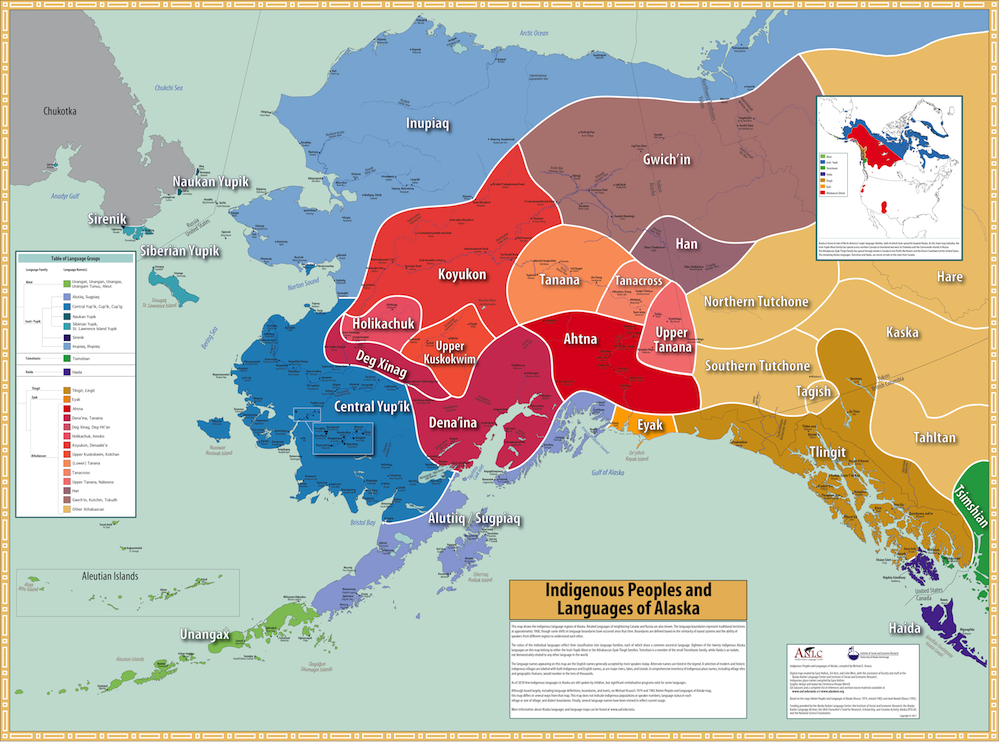
Alaska, the United States’ largest state, is not merely a land of breathtaking glaciers, towering mountains, and abundant wildlife; it is also a vibrant mosaic of ancient cultures and resilient peoples. For those drawn to explore the authentic heart of this magnificent frontier, understanding its indigenous heritage is paramount. The term “Alaska Native” encompasses a remarkable diversity of distinct groups, each with its unique language, traditions, and way of life, profoundly shaped by the specific environments they have inhabited for millennia. Far from being a monolithic entity, the indigenous population of Alaska is broadly categorized into 11 major cultural and linguistic groups, which can be further subdivided into dozens of distinct communities. Exploring these groups offers tourists an unparalleled opportunity to connect with the soul of Alaska through the eyes of its first inhabitants.

A Tapestry of Cultures: Understanding Alaska Native Diversity
The rich cultural landscape of Alaska is a direct reflection of its immense geographical variety, spanning from the frigid Arctic coastline to the lush temperate rainforests of the southeast. Each major group of Alaska Natives has developed distinct adaptations, spiritual beliefs, art forms, and social structures in harmony with their ancestral lands and waters. While the Alaska Native Language Center at the University of Alaska Fairbanks recognizes 11 distinct cultures and 20 indigenous languages (some with multiple dialects), for the purpose of cultural tourism, these can be grouped geographically to provide a clearer picture of their distribution and unique characteristics. Engaging with these cultures offers a profound understanding of subsistence living, oral traditions, and the enduring connection between people and place that defines much of Alaska.
The Athabascan Peoples: Guardians of Interior Lands
The Athabascan peoples, a diverse collection of some 11 distinct language groups, traditionally inhabit the vast interior of Alaska, primarily within the drainage basins of the Yukon River and Kuskokwim River. Their historical lifestyle revolved around a semi-nomadic existence, following the seasonal migrations of caribou and moose, and fishing for salmon in the region’s abundant rivers. Groups such as the Gwich’in, Koyukon, Dena’ina, Tanana, and Deg Hit’an each possess unique dialects, storytelling traditions, and material cultures, including intricate beadwork, hide tanning, and birch bark crafts. For tourists, encountering Athabascan culture often involves visits to cultural centers in towns like Fairbanks or Anchorage, where visitors can witness traditional dances, listen to oral histories, and purchase authentic handmade crafts directly from artists, ensuring ethical engagement and supporting local economies. The Eklutna Historical Park near Anchorage provides an excellent opportunity to learn about Dena’ina Athabascan history and cultural practices, including their unique spirit houses.
The Iñupiaq and St. Lawrence Island Yupik: Arctic Adaptations
The Iñupiaq people inhabit the vast expanse of Arctic Alaska, stretching from the Bering Strait to the Canadian border. Their culture is deeply intertwined with the marine environment, particularly the bowhead whale, seals, and walrus, which have sustained them for thousands of years. Their profound knowledge of sea ice, navigation, and marine mammal hunting techniques is legendary. Communities like Utqiaġvik (formerly Barrow), Nome, and Kotzebue offer glimpses into this resilient way of life. Similarly, the St. Lawrence Island Yupik people, though culturally distinct from the mainland Yup’ik, share a deep connection to marine mammals, inhabiting St. Lawrence Island in the Bering Sea. Both groups are renowned for their ivory carving, traditional dance, and storytelling. Tourists visiting these regions can attend cultural festivals, visit museums showcasing traditional tools and art, and observe traditional hunting and fishing practices (from a respectful distance, where permissible), gaining insight into survival in extreme environments.
The Yup’ik and Cup’ik: Southwestern Coastal Resilience
Southwestern Alaska is home to the Yup’ik and Cup’ik peoples, who predominantly reside along the Bering Sea coast and the deltas of the Kuskokwim and Yukon Rivers. Their culture is richly expressive, known globally for its intricate mask-making, vibrant dance traditions, and powerful oral histories. Subsistence activities focus heavily on salmon, seals, and migratory birds, with highly developed techniques for fishing, hunting, and preserving food. The Central Yup’ik are the most numerous of Alaska’s Native groups, maintaining strong cultural ties within their communities. Tourism here often involves visiting regional cultural centers, such as the Yupiit Piciryarait Cultural Center in Bethel, where visitors can learn about traditional lifeways, observe mask-carving demonstrations, and experience dynamic drumming and dance performances that tell stories of their ancestors and their relationship with the natural world.
The Alutiiq (Sugpiaq): Kodiak and Prince William Sound

The Alutiiq, or Sugpiaq, people are skilled maritime hunters and gatherers who have traditionally inhabited the Kodiak Archipelago and parts of Prince William Sound. Their culture is characterized by exceptional craftsmanship, particularly in the construction of bidarkas (skin kayaks, or qayaqs) and the creation of elaborate stone and bone tools. Having endured significant historical upheaval due to Russian colonization, the Alutiiq culture is experiencing a strong revitalization movement. The Alutiiq Museum in Kodiak is a pivotal institution for preserving and sharing their history, language, and art, offering engaging exhibits and educational programs. Visitors to Kodiak Island can immerse themselves in Alutiiq heritage through museum tours, cultural workshops, and exploring archaeological sites that tell the story of thousands of years of human habitation.
The Unangax (Aleut): Archipelago Mariners
The Unangax people, commonly known as the Aleut, are the indigenous inhabitants of the Aleutian Islands and the Pribilof Islands. Renowned for their unparalleled maritime prowess, the Unangax developed sophisticated hunting technologies, including multi-hatched skin kayaks (iqyax) and intricate bird-bone harpoons. Their artistic traditions include exquisitely woven grass baskets, some of the finest in the world, and distinctive bentwood visors worn during hunting. Like the Alutiiq, the Unangax faced immense challenges during the Russian and American colonial periods, but their culture endures. While the Aleutian Islands are more remote for casual tourism, dedicated travelers can explore historical sites and cultural exhibits in communities like Unalaska or St. Paul Island, which offer unique insights into their seafaring heritage and the devastating impact of World War II in the Aleutians.
The Eyak, Tlingit, Haida, and Tsimshian: Masters of the Southeast Coast
The lush rainforests and intricate waterways of Southeast Alaska are the ancestral homelands of the Eyak, Tlingit, Haida, and Tsimshian peoples. These groups are celebrated for their rich artistic traditions, particularly their monumental totem poles, intricate Chilkat and Ravenstail weaving, and distinctive formline art. Their societies were complex, organized by clans and lineages, with elaborate ceremonies like the potlatch playing a central role in social and economic life.
- The Tlingit are the most numerous and widespread of the Southeast Alaska Native groups, known for their powerful oral traditions and deep spiritual connection to the land and sea.
- The Haida are renowned master carvers, with some of the world’s most impressive totem poles and argillite carvings originating from their traditions.
- The Tsimshian reside primarily in Metlakatla, the only Indian reserve in Alaska, and are also celebrated for their art and storytelling.
- The Eyak, once inhabiting the Copper River Delta, are the smallest group, and their language is critically endangered, though revitalization efforts are ongoing.
For tourists, Southeast Alaska offers unparalleled opportunities to engage with these vibrant cultures. Cities like Juneau, Sitka, and Ketchikan are home to numerous totem parks, Native art galleries, and cultural centers. The Sealaska Heritage Institute in Juneau and the Totem Heritage Center in Ketchikan provide profound educational experiences, showcasing the artistry and history of these coastal peoples through exhibitions, dance performances, and traditional art demonstrations.
Experiencing Indigenous Alaska: Responsible Tourism Practices
Engaging with Alaska Native cultures enriches any trip to the state, offering a deeper, more meaningful understanding of its heritage. To ensure these experiences are respectful and beneficial, responsible tourism practices are essential. Always prioritize supporting local Alaska Native businesses, artists, and cultural organizations. Visit museums and cultural centers, such as the acclaimed Alaska Native Heritage Center in Anchorage, which serves as an excellent starting point for learning about all major groups. Seek out guided tours led by Alaska Native individuals, as their perspectives provide authentic insights that no textbook can replicate. Attend public festivals and events, but always be mindful of local customs and cultural protocols. Asking permission before taking photographs, respecting sacred sites, and approaching interactions with humility and an open mind are simple yet powerful ways to honor these enduring cultures.
The Enduring Legacy: Language, Art, and Oral Traditions
Despite centuries of external pressures, Alaska Native cultures continue to thrive, adapting while preserving their core identities. The revitalization of indigenous languages is a particularly strong movement, with communities and educational institutions working tirelessly to ensure these ancient tongues are passed on to future generations. Art, from detailed carvings and woven baskets to contemporary expressions, remains a vital living legacy, connecting artists to their ancestors and conveying profound cultural narratives. Oral traditions, including epic poems, historical accounts, and moral teachings, are meticulously maintained and shared, often through captivating storytelling sessions that offer a direct link to millennia of wisdom. For tourists, encountering these vibrant expressions is more than just sightseeing; it’s an opportunity to witness the resilience of the human spirit and to understand the profound spiritual and practical connection that these peoples have with their lands.
Planning Your Cultural Journey
Integrating Alaska Native cultural experiences into your Alaska itinerary promises a trip of unparalleled depth and insight. Whether your journey takes you to the sophisticated art galleries of Southeast Alaska, the welcoming cultural centers of the interior, or the marine-focused communities of the Arctic and Southwest, each region offers unique opportunities to learn and engage. Start your planning by identifying which cultural groups’ ancestral lands you’ll be visiting, and research local cultural centers, museums, and events. Consider visiting major hubs like Anchorage for comprehensive overviews, or delve into specific regions for more immersive experiences. By consciously seeking out and respecting these diverse cultures, visitors not only enrich their own travels but also contribute to the ongoing vitality and recognition of the Alaska Native peoples and their invaluable contributions to the Alaskan identity.
LifeOutOfTheBox is a participant in the Amazon Services LLC Associates Program, an affiliate advertising program designed to provide a means for sites to earn advertising fees by advertising and linking to Amazon.com. Amazon, the Amazon logo, AmazonSupply, and the AmazonSupply logo are trademarks of Amazon.com, Inc. or its affiliates. As an Amazon Associate we earn affiliate commissions from qualifying purchases.