
The question, “What is Time Now at California USA?” is deceptively simple. While the United States adheres to a standardized time system, the vast expanse of California means that “now” is a dynamic concept, influenced by geographical location, daylight saving practices, and even the subtle shifts in how we perceive and utilize time in this sun-drenched state. This exploration delves into the temporal landscape of California, moving beyond mere clock-watching to understand the rhythms that define life and travel across its diverse regions.
Understanding California’s Time Zones
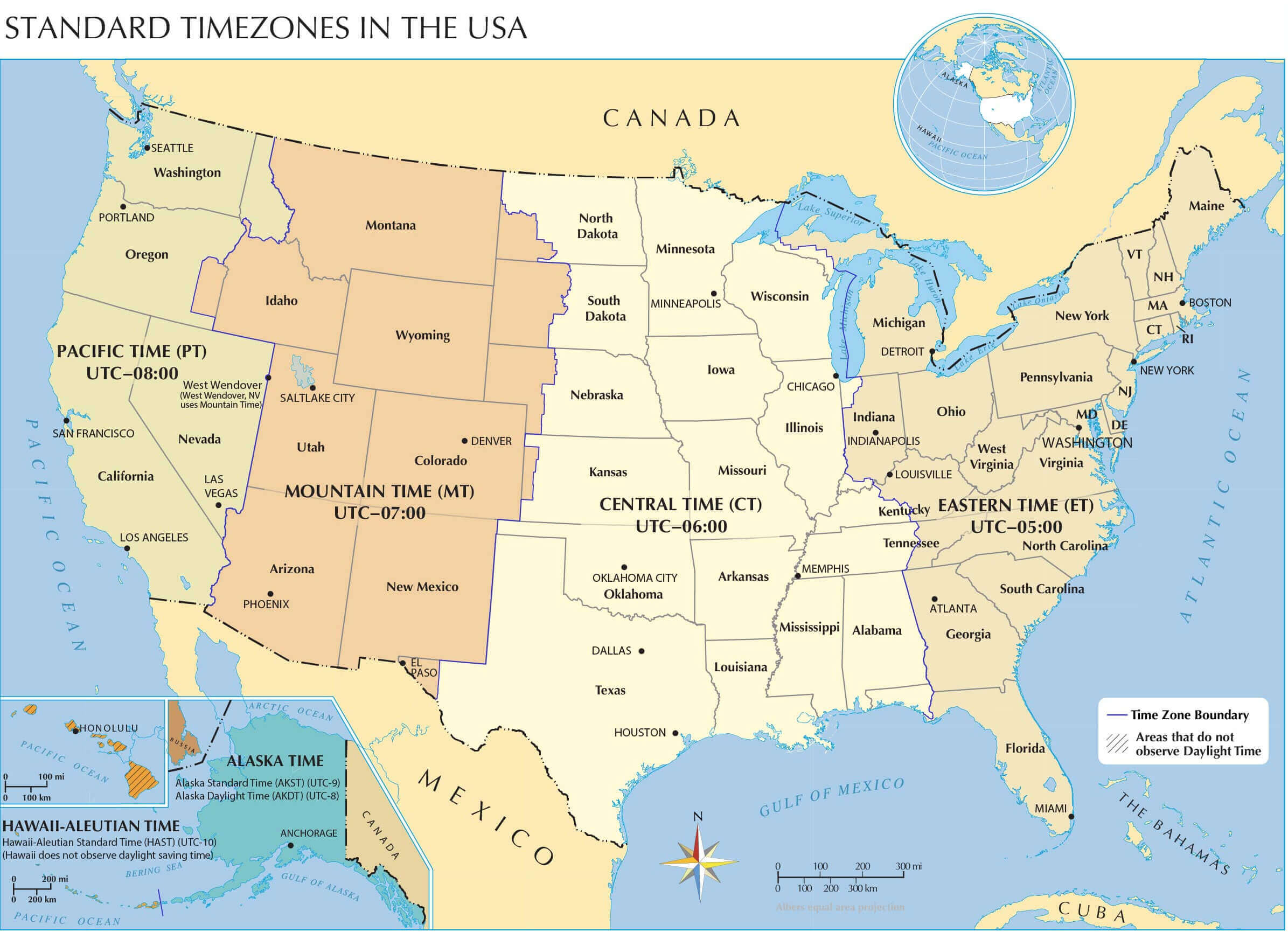
California primarily operates within a single time zone: the Pacific Time Zone. However, the nuances of this zone, particularly its relationship with daylight saving, are crucial for any visitor or resident planning their activities.
The Pacific Time Zone (PT)
The Pacific Time Zone is characterized by its proximity to the Pacific Ocean and its designation as UTC-8 during standard time. This means it is three hours behind Coordinated Universal Time (UTC). When California observes standard time, it is referred to as Pacific Standard Time (PST). This is the time observed during the fall and winter months.
Daylight Saving Time (DST)
Like most of the United States, California observes Daylight Saving Time. During the spring and summer months, the clocks are advanced by one hour. This period is known as Pacific Daylight Time (PDT), and it shifts the zone to UTC-7. The transition typically occurs on the second Sunday in March, when clocks spring forward, and ends on the first Sunday in November, when they fall back. This adjustment is designed to maximize daylight during waking hours, impacting everything from sunrise and sunset times to daily schedules and even the perceived pace of life.
The Myth of Multiple California Time Zones
While the majority of California resides firmly within the Pacific Time Zone, it’s worth noting that the United States has multiple time zones due to its continental breadth. States like Texas or New York observe different time zones (Central and Eastern, respectively). However, for the purposes of navigating California itself, understanding the single Pacific Time Zone and its DST variations is sufficient. The key takeaway is that within California, the time is synchronized, regardless of whether you are in the bustling streets of Los Angeles, the tech hubs of San Francisco, or the majestic peaks of the Sierra Nevada.
Navigating Time for Travelers
For travelers, understanding the current time in California is not just about setting watches; it’s about optimizing itineraries, accounting for flight arrivals and departures, and aligning with the natural ebb and flow of daily life in this vibrant state.
Planning Arrivals and Departures
The most immediate application of knowing the time in California is for travel logistics. Flight schedules are invariably listed in the local time of the destination. When booking flights from, say, New York to Los Angeles, understanding the three-hour difference afforded by the Pacific Time Zone is essential. A 9:00 AM departure from New York will arrive in Los Angeles at 12:00 PM PST (or PDT, depending on the season), assuming a direct flight with no layovers. This calculation also applies to ground transportation, hotel check-ins, and any pre-booked tours or activities.
Maximizing Daylight Adventures
California is renowned for its stunning natural beauty and outdoor recreational opportunities. From hiking in Yosemite National Park to surfing along the coast near San Diego, maximizing daylight hours is often paramount. During Pacific Daylight Time (PDT), the extended daylight in the evenings can allow for later explorations. A sunset hike in Joshua Tree National Park becomes more feasible, or enjoying a leisurely evening stroll along the Santa Monica Pier with ample light. Conversely, during Pacific Standard Time (PST), days are shorter, necessitating earlier starts for outdoor activities and a potential shift in evening entertainment.
Cultural Rhythms and Local Life
Beyond practicalities, understanding the time in California offers insight into its diverse cultural rhythms. The state is a melting pot of influences, and the pace of life can vary significantly from north to south, and from urban centers to more remote areas.
Urban Dynamics
In major metropolitan areas like Los Angeles and San Francisco, the day often begins early, with professionals heading to work and businesses opening their doors. The extended daylight of PDT can blur the lines between work and leisure, with many embracing post-work activities like yoga in the park or dining al fresco. Evening entertainment often kicks off later, particularly in the vibrant nightlife scenes.
Coastal Breezes
Along the coast, particularly in Southern California, the rhythm is often dictated by the ocean. Surfers might wake early to catch the morning waves, while beachgoers might extend their time by the sea well into the evening, especially during PDT. The relaxed pace of beach towns contrasts with the more structured schedules of business districts.
Inland and Mountainous Regions
Inland and mountainous areas, such as the Sierra Nevada or the deserts, the natural environment plays a more dominant role in dictating the temporal flow. In winter, shorter daylight hours under PST might mean earlier shutdowns for hiking or skiing operations. In summer, the intense heat of the desert can necessitate early morning or late evening excursions to avoid the midday sun.
The Psychological and Experiential Impact of Time in California
The perception and experience of time are profoundly shaped by the environment and the activities undertaken within it. California, with its emphasis on outdoor living, innovation, and a generally optimistic outlook, often fosters a unique relationship with time.
The “California Time” Phenomenon
While not an official time zone, “California time” can sometimes refer to a perception of a more relaxed, less rigid approach to scheduling compared to other parts of the United States. This is particularly true in laid-back coastal communities and among those involved in creative industries or startups. The influence of sunshine and the pervasive outdoor lifestyle can contribute to a feeling of having “more time” for leisure and personal pursuits. This perception is, of course, often an aspirational one, as the demands of modern life are present in California just as they are elsewhere.
Embracing the Golden Hour
California is famous for its spectacular sunsets, often referred to as the “golden hour.” This period, when the sun dips below the horizon, casting a warm, ethereal glow, is a cherished time for photographers, romantics, and anyone seeking a moment of natural beauty. The timing of this golden hour is, of course, dictated by the current time zone and DST. During PDT, the golden hour extends later into the evening, offering more opportunities to witness its magic after a typical workday. This phenomenon can influence social gatherings, outdoor dining, and the general ambiance of an evening.
The Future of Time in California
As technology advances and our understanding of productivity evolves, discussions about time management and its impact on well-being continue. California, often at the forefront of innovation, might see evolving attitudes towards work hours, flexible schedules, and the integration of personal time into the professional sphere. The state’s progressive spirit may lead to new ways of structuring our days that better align with human needs and environmental considerations.
In conclusion, the question “What is Time Now at California USA?” is an invitation to explore the multifaceted nature of time in this iconic state. It encompasses the precise science of time zones and daylight saving, the practicalities for travelers, and the more subjective experiences of its residents. Whether you’re charting a course to visit the Golden Gate Bridge or simply looking to understand the local rhythm, grasping the temporal landscape of California enhances the experience of engaging with its diverse offerings.
LifeOutOfTheBox is a participant in the Amazon Services LLC Associates Program, an affiliate advertising program designed to provide a means for sites to earn advertising fees by advertising and linking to Amazon.com. Amazon, the Amazon logo, AmazonSupply, and the AmazonSupply logo are trademarks of Amazon.com, Inc. or its affiliates. As an Amazon Associate we earn affiliate commissions from qualifying purchases.