
The question might seem counterintuitive, conjuring images of sun-drenched beaches, vibrant hibiscus flowers, and the warm embrace of the Pacific Ocean. When most people envision a trip to Hawaii, they picture perfect weather for surfing, hiking through lush rainforests, and relaxing by a turquoise sea. However, the answer to “Did Hawaii have snow?” is a surprising and resounding yes. While it’s certainly not a common occurrence found on the average tourist itinerary, Hawaii‘s dramatic elevation changes and unique geography allow for an experience that defies the typical tropical stereotype. The islands boast some of the tallest mountains in the world when measured from their base on the ocean floor, and this sheer verticality creates diverse microclimates, including those where snow can fall.

The notion of snow in Hawaii primarily centers around the summits of the three tallest volcanoes: Mauna Kea, Mauna Loa, and Haleakalā. These volcanic giants rise thousands of feet above sea level, pushing their peaks into altitudes where temperatures can drop significantly, especially during the winter months. This phenomenon transforms these iconic Hawaiian landscapes into something entirely unexpected, offering a stark contrast to the balmy shores below. It’s a testament to the island chain’s extraordinary natural diversity, a characteristic that makes Hawaii such a multifaceted and captivating destination.
The Trifecta of Volcanic Peaks: Where Snowfall Becomes a Reality
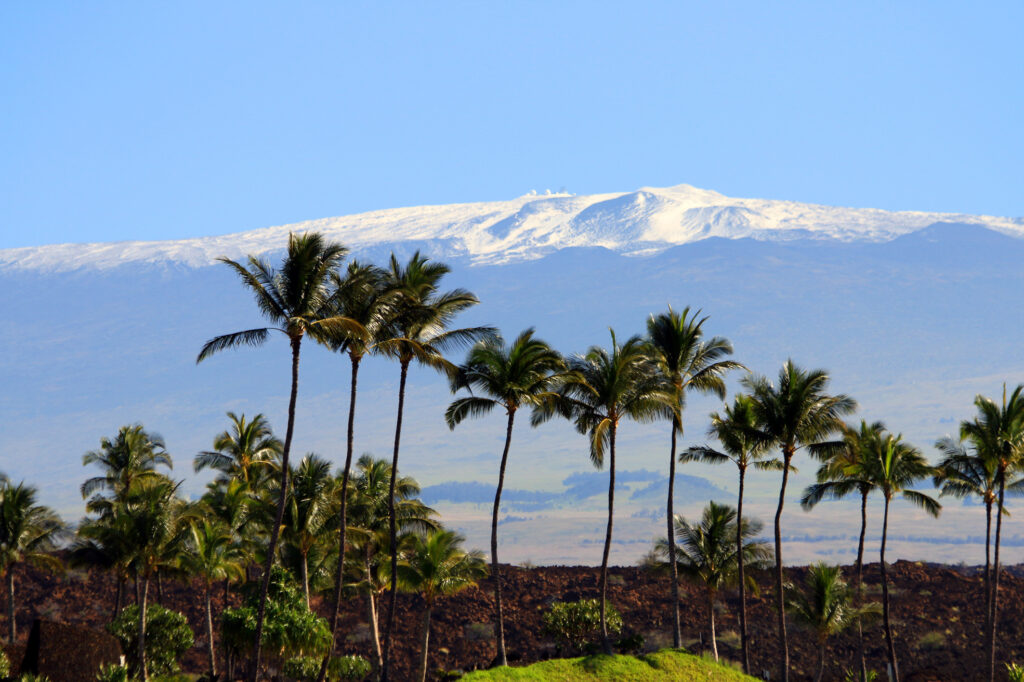
The presence of snow in Hawaii is almost exclusively confined to the highest elevations of its most prominent volcanoes. These majestic peaks, often shrouded in clouds, become winter wonderlands during certain periods, drawing a unique kind of adventurer and scientist alike.
Mauna Kea: A Celestial Observatory and Winter Wonderland
Mauna Kea, meaning “White Mountain” in Hawaiian, is the most well-known location for snow in Hawaii, and its name itself is a significant clue. This dormant volcano on the island of Hawaii (the Big Island) is not only home to an array of world-class astronomical observatories but also frequently experiences snowfall. Reaching an elevation of 13,803 feet above sea level, its summit is often cold enough for snow to accumulate, particularly between November and March.
The Mauna Kea Visitor Information Station, located at 9,200 feet, offers a glimpse into the changing conditions as one ascends. While snow is more reliably found at higher elevations, even the visitor center can experience freezing temperatures. For those venturing to the summit, the experience can be truly breathtaking. Imagine standing at the top of a volcano, surrounded by snow-capped terrain, with views stretching out over the Pacific Ocean. It’s a surreal and unforgettable juxtaposition.
The snow on Mauna Kea isn’t just for show; it plays a crucial role in the scientific endeavors conducted there. The extremely dry and stable atmosphere at high altitudes, combined with the lack of light pollution, makes it an ideal location for astronomical observation. The snow cover, however, can sometimes pose challenges for accessing the observatories. Specialized vehicles and careful planning are often required during snowy periods.
The cultural significance of Mauna Kea also cannot be overlooked. For Native Hawaiians, the mountain is a sacred site, a place where the sky and earth meet. Ancient temples and historical sites dot its slopes, and the snow itself has been a source of water and a part of the island’s natural cycle for centuries. Access to the summit can sometimes be restricted due to cultural practices or weather conditions, so it’s always advisable to check local advisories.
Mauna Loa: The Gentle Giant’s Snowy Crown
Just south of Mauna Kea stands Mauna Loa, another massive shield volcano and the largest volcano on Earth in terms of volume and extent. While perhaps not as frequently snow-covered as its northern neighbor, Mauna Loa also experiences snowfall at its summit, which reaches 13,679 feet. Its caldera, a vast, bowl-shaped depression at the summit, can be blanketed in white during winter storms.
Unlike Mauna Kea, Mauna Loa is an active volcano, though its eruptions are typically effusive rather than explosive, characterized by lava flows. The summit area is largely barren rock and scree, making the contrast with a fresh layer of snow even more dramatic. Access to the summit of Mauna Loa is more challenging than to Mauna Kea‘s observatories. It typically requires a sturdy, high-clearance four-wheel-drive vehicle and a good understanding of the rough terrain. The park roads can be closed due to snow, ice, or volcanic activity, so preparedness and checking conditions are paramount.
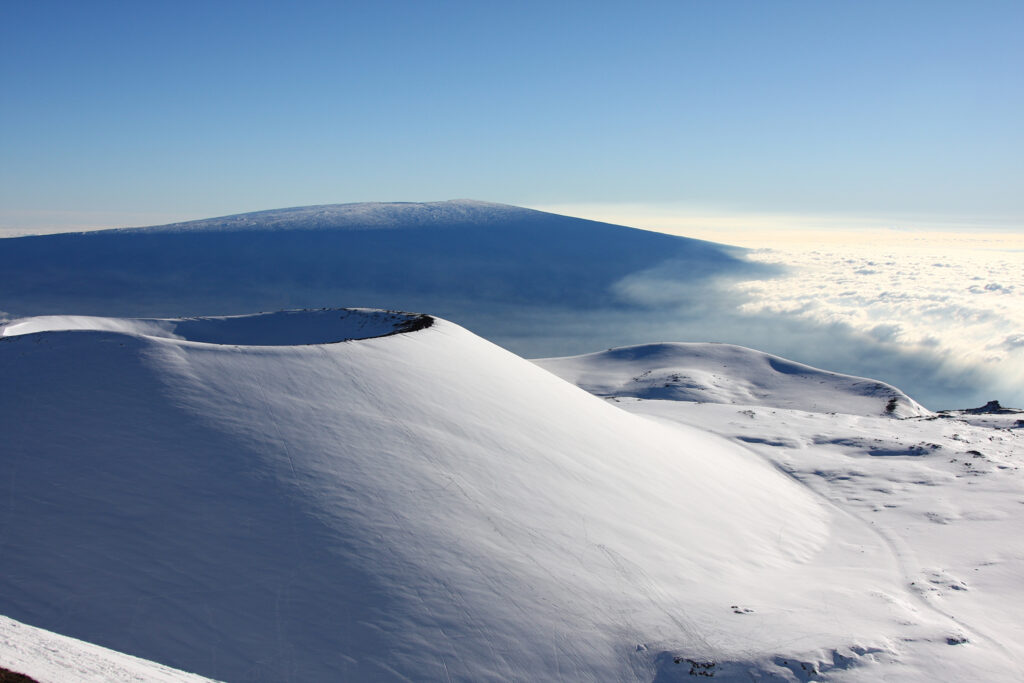
The experience of seeing snow on Mauna Loa is often for the more adventurous traveler, those seeking a truly off-the-beaten-path exploration. The raw, powerful landscape, combined with the fleeting beauty of snow, offers a profound connection to the untamed forces of nature that shaped Hawaii.
Haleakalā: The “House of the Sun” with a Snowy Surprise
On the island of Maui, the majestic Haleakalā volcano offers another chance to witness snow in Hawaii. Haleakalā, meaning “House of the Sun,” rises to 10,023 feet above sea level. While its summit doesn’t reach the extreme altitudes of the Big Island’s volcanoes, it’s still high enough to receive winter snowfall.
The Haleakalā National Park is a popular tourist destination, drawing visitors for its stunning sunrises and sunsets, dramatic crater landscapes, and unique flora and fauna. During winter months, the possibility of snow adds another layer of wonder to this already awe-inspiring location. The red and orange hues of the volcanic soil and rock provide a striking backdrop against the pristine white of the snow.
The drive to the summit of Haleakalā is accessible to most vehicles, and the park offers various viewpoints and hiking trails. Standing at the summit and gazing across the vast crater, possibly dusted with snow, is an experience that few imagine when booking a trip to the tropics. The thin air and the chill in the wind are palpable reminders of the elevation. The park service provides updates on road conditions and potential closures due to snow and ice, ensuring visitor safety.
Experiencing Snow in Hawaii: Tips for the Unconventional Traveler
For travelers who dream of a Hawaii vacation that includes a touch of winter magic, planning is key. The snow season on the Hawaiian volcanoes is primarily during the cooler months, typically from late November through March. However, snowfall is not guaranteed and can be highly variable year to year.
Planning Your Snowy Adventure
- Timing: The best chance to see snow is during the winter months. Be prepared for cold temperatures and potentially icy conditions at the summit.
- Location: Focus your efforts on Mauna Kea, Mauna Loa, or Haleakalā. Research the accessibility of each and the current road conditions.
- Vehicle: For Mauna Kea and Mauna Loa, a 4WD vehicle with good ground clearance is often recommended or even required for higher elevations. Many rental car companies prohibit driving these volcanic roads. Check with your rental agency and consider specialized tours if you don’t have appropriate transportation.
- Altitude Sickness: Ascending to these high altitudes can cause altitude sickness. It’s advisable to acclimatize by spending some time at lower elevations, staying hydrated, and avoiding strenuous activity upon arrival at higher altitudes.
- Gear: Pack warm clothing, including layers, a waterproof jacket, hat, gloves, and sturdy footwear. The temperature at the summit can be well below freezing.
- Check Conditions: Always check the weather forecasts and road conditions before you go. Websites for Mauna Kea Visitor Information Station, Hawaii Volcanoes National Park (for Mauna Loa), and Haleakalā National Park are essential resources.
Beyond the Summit: A Multifaceted Hawaiian Experience
While the idea of snow in Hawaii is captivating, it’s important to remember that this is a niche experience. The vast majority of visitors come for the classic Hawaii attractions: the pristine beaches of Waikiki, the historical significance of Pearl Harbor, the lush valleys of Kauai, and the vibrant marine life perfect for snorkeling and diving.
The beauty of Hawaii lies in its incredible diversity. One can spend the morning marveling at snow-capped volcanic peaks and the afternoon relaxing on a black sand beach, or exploring verdant rainforests. This duality is what makes Hawaii such a compelling destination. Whether you’re drawn to the thrill of a snowy summit or the tranquility of a sun-drenched shore, Hawaii offers an unforgettable journey through a land of stunning contrasts and natural wonders.
For those considering a trip to Hawaii, understanding these unique possibilities can enhance the travel experience. It allows for a more comprehensive appreciation of the islands’ geography and climate, proving that Hawaii is far more than just a tropical paradise – it’s a land of breathtaking surprises. From the observatories on Mauna Kea to the rugged terrain of Haleakalā, the snow-kissed peaks offer a compelling reason to explore Hawaii beyond the typical beach resorts, revealing a side of this island chain that few tourists ever get to witness.
LifeOutOfTheBox is a participant in the Amazon Services LLC Associates Program, an affiliate advertising program designed to provide a means for sites to earn advertising fees by advertising and linking to Amazon.com. Amazon, the Amazon logo, AmazonSupply, and the AmazonSupply logo are trademarks of Amazon.com, Inc. or its affiliates. As an Amazon Associate we earn affiliate commissions from qualifying purchases.