
The journey from the bustling metropolis of Chicago to the sunny, entertainment-filled city of Orlando is a popular route for both business and leisure travelers. While the distance is significant, modern aviation has made this cross-country trip relatively swift and comfortable. Understanding the typical flight duration and the various factors that can influence it is key to planning a smooth and stress-free travel experience. This comprehensive guide delves into the specifics of this flight path, offering insights to help you prepare for your aerial voyage.
Understanding the Core Journey: Chicago to Orlando Flight Duration
At its heart, the question of how long a flight from Chicago to Orlando takes can be answered with a fairly precise window for direct flights. However, the exact timing is never truly fixed, owing to a dynamic interplay of aviation and environmental factors.
The Direct Flight Estimate
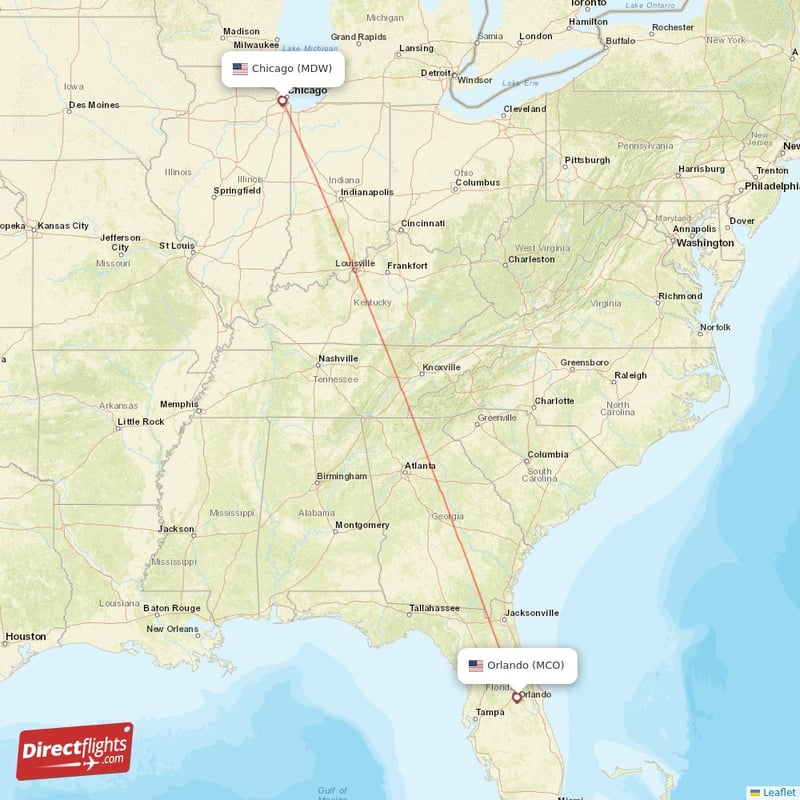
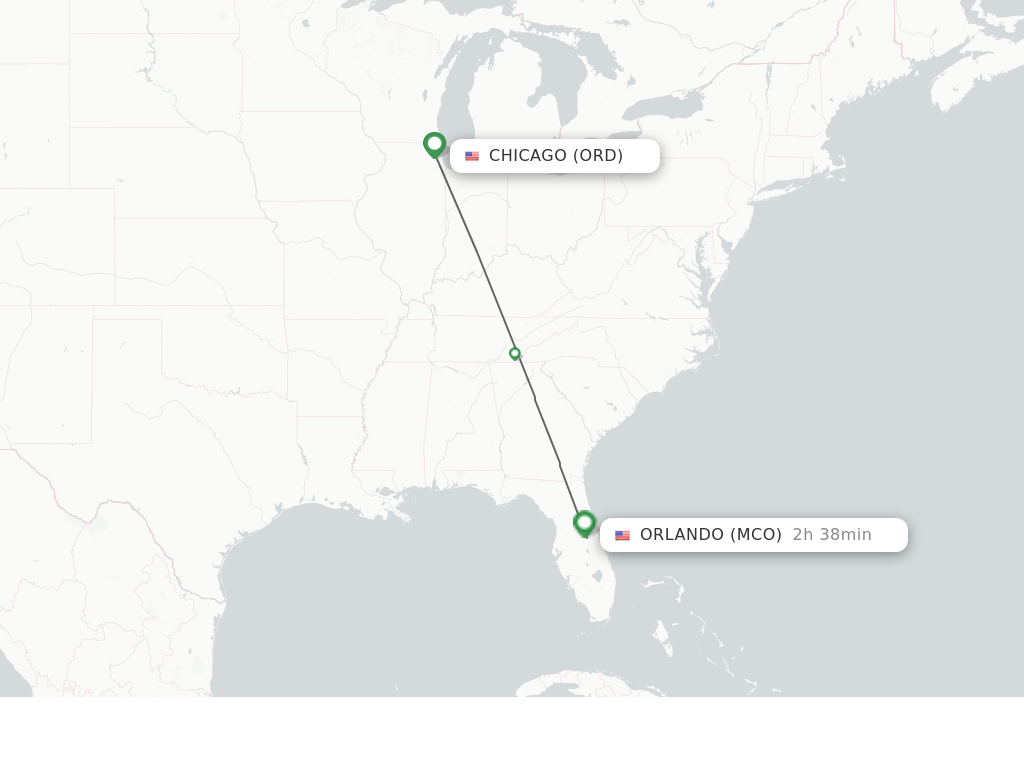
For a non-stop flight, the average duration from Chicago to Orlando typically falls within 2 hours and 20 minutes to 2 hours and 50 minutes. This estimate covers the actual time spent in the air, from takeoff to landing. This direct route covers a considerable distance, approximately 1,000 to 1,050 air miles (around 1,600 to 1,690 kilometers), spanning across several states within the United States. The efficiency of modern aircraft, coupled with streamlined air traffic control, ensures that this journey is as quick as current technology allows.
When researching flights, you might see advertised times that include taxiing to and from the gate, which can add an extra 10-30 minutes to the total elapsed time. Therefore, while the flight itself might be under three hours, your gate-to-gate experience will generally be a bit longer.
Factors Influencing Base Flight Time
Even for direct flights, the “base” flight time isn’t a static figure. Airlines publish schedules based on averages, but real-world conditions introduce variability. The primary elements contributing to this include the specific aircraft model being used, the exact flight path dictated by air traffic control, and crucial meteorological conditions. For instance, flying south-east from the Midwest often means contending with prevailing westerly winds, which can either slightly shorten or lengthen the journey depending on their strength and direction. Airlines build small buffers into their schedules to account for minor delays, but significant deviations are uncommon for non-stop routes under normal circumstances.
Key Determinants of Flight Time Variability
While the average provides a good baseline, several factors can cause your specific flight to arrive earlier or later than scheduled. Being aware of these elements can help set realistic expectations and manage your travel itinerary more effectively.
Aircraft Type and Cruising Speed
The type of aircraft plays a significant role in flight duration. Larger, more modern jets, such as the Boeing 737 or Airbus A320 families, which are commonly used on this route by carriers like American Airlines, United Airlines, Southwest Airlines, Spirit Airlines, and Frontier Airlines, are designed for optimal cruising speeds. These aircraft typically cruise at speeds ranging from 500 to 575 miles per hour (800 to 925 km/h). Minor variations in these speeds, depending on the specific model, engine efficiency, and payload, can subtly impact the total flight time. Newer generation aircraft often boast better fuel efficiency and slightly higher average speeds, contributing to marginally shorter travel times.
Air Traffic Control and Congestion
Air traffic control (ATC) is a critical component of aviation safety and efficiency. In busy airspaces, particularly around major hubs like Chicago and Orlando, ATC directives can influence flight times. Delays can occur due to:
- Holding Patterns: Aircraft may be asked to circle before landing if the airport is experiencing high traffic volume or if runways are temporarily unavailable.
- Ground Delays: Congestion on the taxiways, especially at large airports like O’Hare International Airport, can mean longer waits for takeoff clearances.
- Rerouting: In rare instances, air traffic may be rerouted to avoid congested corridors or adverse weather, adding miles and minutes to the journey.
These ATC-induced delays are typically more common during peak travel seasons, holidays, or adverse weather events affecting multiple airports.
Weather Conditions and Wind Patterns
Weather is perhaps the most unpredictable variable affecting flight times.
- Headwinds vs. Tailwinds: Flying with a strong tailwind (wind blowing from behind the aircraft) can significantly reduce flight time, sometimes by 10-20 minutes or more. Conversely, flying into a strong headwind (wind blowing against the aircraft) will increase flight time, as the aircraft has to work harder to maintain ground speed. The prevailing winds across the United States generally blow from west to east, meaning a flight from Chicago to Orlando might occasionally benefit from tailwinds, but often contends with crosswinds or varying wind directions.
- Storms and Turbulence: Severe weather systems, such as thunderstorms, can necessitate deviations from planned flight paths. Pilots will often fly around storm cells for passenger safety and comfort, which adds distance and, consequently, time to the journey. While modern radar helps pilots navigate these conditions, significant weather disturbances can lead to more substantial delays.
Route Optimization and Flight Paths
Airlines and air traffic controllers constantly work to optimize flight paths for efficiency and safety. While there’s a direct great-circle route between Chicago and Orlando, actual flight paths are rarely perfectly straight. They are influenced by:
- Airspace Restrictions: Certain military or restricted airspaces must be avoided.
- Optimized Corridors: ATC assigns specific flight corridors to manage traffic flow efficiently, which might not always be the shortest geometric path but is the most efficient for the overall air system.
- Fuel Efficiency: Pilots and dispatchers may choose slightly longer routes with more favorable winds to conserve fuel, especially on longer hauls. These optimizations are subtle but contribute to the overall flight duration.
Choosing Your Route: Direct vs. Connecting Flights
While non-stop flights offer the fastest travel time, many travelers consider connecting flights for various reasons, including cost savings or specific scheduling needs. Understanding the time impact of each is crucial.
The Efficiency of Non-Stop Travel
As discussed, non-stop flights from Chicago to Orlando are the most time-efficient option, typically taking 2 hours 20 minutes to 2 hours 50 minutes in the air. This bypasses the need for deplaning, navigating another airport, and waiting for a subsequent flight. For travelers prioritizing speed and convenience, a direct flight is unequivocally the best choice. It minimizes the variables that can lead to delays and reduces overall travel fatigue.
Navigating Layovers: Considerations and Time Impact
Connecting flights, by definition, will significantly increase your total travel time. A typical connecting flight journey could range anywhere from 5 to 10 hours or more, depending on the layover duration and the efficiency of the connecting airport.
- Layover Duration: The time spent at the connecting airport is the primary determinant of total travel time. Short layovers (30-60 minutes) are risky, as minor delays on the first leg can cause you to miss your connection. Longer layovers (2-4 hours) offer a safer buffer but add considerably to your day.
- Connecting Airports: Common connecting airports for this route might include hubs like Atlanta, Charlotte, or Dallas. Each airport has its own operational efficiencies and potential for delays.
- Luggage Transfers: While airlines generally handle luggage transfers for connecting flights, there’s always a slight risk of misplacement or delay, especially with tight connections.
For most people, the minor savings on a connecting flight from Chicago to Orlando may not outweigh the added time, stress, and potential for missed connections. However, if flexibility in schedule or cost is a major factor, connecting flights remain a viable option.
Navigating the Airports: Chicago’s Hubs and Orlando International
Your airport choice in Chicago and the procedures upon arrival in Orlando also influence the overall ease and efficiency of your travel day.
Departing from O’Hare vs. Midway
Chicago offers two primary airports for flights to Orlando:
- O’Hare International Airport (ORD): As one of the busiest airports in the world, O’Hare offers the most flight options and airlines. However, its size and traffic volume also mean a higher potential for delays, longer taxiing times, and more extensive walking within terminals. Travelers need to factor in ample time for security, especially during peak hours.
- Midway International Airport (MDW): Midway is a smaller, often more manageable airport, primarily served by Southwest Airlines for routes to Orlando. While it might have fewer flight options, its compact nature can lead to quicker check-ins, security lines, and taxi times, potentially saving you time on the ground before takeoff.
The choice between O’Hare and Midway often comes down to airline preference, flight availability, and your starting point within the Chicago metropolitan area.
Arriving at Orlando International
Upon arrival, all flights from Chicago will land at Orlando International Airport (MCO). MCO is a large, modern airport designed to handle the massive influx of tourists heading to Florida‘s attractions.
- Terminal Navigation: MCO utilizes automated people movers (APMs) to transport passengers between the airside gates and the main landside terminal where baggage claim and ground transportation are located. This process is efficient but adds a few minutes to your disembarkation.
- Baggage Claim and Ground Transport: Depending on the time of day and the number of simultaneous arrivals, baggage claim can vary in speed. Once you have your luggage, MCO offers a wide array of ground transportation options, including rental cars, shuttle services, ride-sharing apps, and taxis, to take you to your final destination in Orlando and beyond.
Tips for a Seamless Travel Experience
Beyond understanding flight durations, proactive planning can significantly enhance your travel experience from Chicago to Orlando.
Booking Smart and Early
- Flexibility with Dates: If your schedule allows, consider flying on weekdays or during off-peak seasons. Flights tend to be less crowded and potentially more affordable, and airports often experience less congestion.
- Check Different Airports: Compare flights from both O’Hare International Airport and Midway International Airport to Orlando International Airport. Sometimes, a slightly longer drive to a different airport can yield significant savings or a more convenient flight time.
- Airline Choice: While major carriers offer more frequent flights, budget airlines like Spirit Airlines and Frontier Airlines can be cost-effective, but be mindful of their fees for baggage and seat selection.
Preparing for Departure and Arrival
- Arrive Early: Especially when departing from O’Hare, aim to arrive at the airport at least 2-3 hours before a domestic flight. This buffer accounts for potential traffic, parking issues, check-in lines, and security screening.
- Online Check-in: Utilize online or mobile check-in services to save time at the airport. If you’re not checking a bag, you can often head straight to security.
- Security Fast Pass Programs: Consider TSA PreCheck or Clear to expedite your journey through security, particularly beneficial at busy airports like O’Hare and Orlando International Airport.
- Ground Transportation in Orlando: Pre-book your ground transportation from Orlando International Airport to your hotel or destination, especially if you’re arriving late or traveling with a large group.

Staying Informed During Your Journey
- Flight Tracking Apps: Download your airline’s app or use third-party flight tracking apps (e.g., FlightAware, FlightStats). These provide real-time updates on your flight status, gate changes, and potential delays.
- Airport Notifications: Sign up for text or email alerts from your airline for the most immediate updates.
- Weather Forecasts: Keep an eye on the weather forecasts for both Chicago and Orlando, as well as any major cities along your flight path, as severe weather can impact air traffic across regions.
In conclusion, a direct flight from Chicago to Orlando typically ranges from 2 hours and 20 minutes to 2 hours and 50 minutes. By understanding the factors that can influence this duration and preparing effectively, you can ensure your travel experience is as efficient and enjoyable as possible, leaving you more time to savor your destination in sunny Florida.
LifeOutOfTheBox is a participant in the Amazon Services LLC Associates Program, an affiliate advertising program designed to provide a means for sites to earn advertising fees by advertising and linking to Amazon.com. Amazon, the Amazon logo, AmazonSupply, and the AmazonSupply logo are trademarks of Amazon.com, Inc. or its affiliates. As an Amazon Associate we earn affiliate commissions from qualifying purchases.