
California, often celebrated for its sun-drenched beaches and arid deserts, holds a stunning secret: it is also home to some of the most spectacular winter landscapes and snowfall experiences in the United States. For travelers curious about the possibility of a snowy encounter in the Golden State, the answer is frequently a resounding “yes,” especially if you know where and when to look. While urban centers like Los Angeles or San Francisco rarely see flurries, vast swathes of California’s majestic mountain ranges transform into pristine winter wonderlands annually, offering unparalleled opportunities for recreation, scenic beauty, and unique travel experiences. This guide delves into the realities of California’s snowfall, outlining premier destinations and essential travel insights for those seeking to embrace its snowy side.

Unpacking California’s Winter Wonderland Potential
The perception of California as perpetually sunny often overshadows its incredible geographical diversity, which includes towering mountain peaks that regularly receive abundant snowfall. Understanding this climatic tapestry is key to planning a successful snow-centric trip.
The Golden State’s Diverse Climates
California’s climate is famously varied, encompassing everything from Mediterranean coasts to arid deserts and alpine tundras. This diversity means that while a surfer might be catching waves in Malibu, a skier could be carving fresh powder just a few hours’ drive away. The primary snow-bearing regions are typically found at elevations above 4,000 to 5,000 feet, where cold air masses interact with Pacific moisture to produce significant snowfall throughout the winter months. These areas are concentrated in the northern part of the state and along its eastern spine.
Factors Influencing Snowfall
Several factors dictate “if” and “how much” it snows in California. The most significant is elevation; higher altitudes almost guarantee colder temperatures conducive to snow. Geographic location also plays a crucial role. The Sierra Nevada mountain range, running north-south through California, acts as a natural barrier, intercepting moisture-laden storms rolling in from the Pacific Ocean. This “orographic lift” forces air upwards, cooling it and causing precipitation to fall as snow at higher elevations. Additionally, atmospheric rivers, which are long, narrow regions in the atmosphere that transport most of the water vapor outside of the tropics, can bring intense moisture to the state, resulting in massive snowfall events, particularly during strong El Niño years.
Real-Time Snow Tracking for Travelers
For travelers keen on experiencing snow, staying informed about current conditions is paramount. Numerous online resources provide real-time snowfall data, including live webcams from ski resorts, weather forecasts specifically for mountain regions, and detailed snow depth reports. Websites like those run by the California Department of Transportation (Caltrans) are indispensable for road conditions, chain requirements, and closures, ensuring travelers can plan their routes safely and effectively. Checking these resources before embarking on a trip can make the difference between a magical winter escape and a frustrating, ill-prepared journey.
Premier Destinations for California Snow Travel
When the call of winter beckons, California offers an impressive array of destinations renowned for their snowfall and winter activities. From world-class ski resorts to serene national parks, there’s a snowy retreat for every type of traveler.
The Majestic Sierra Nevada Mountains
The Sierra Nevada is the undisputed heart of California’s winter sports and snow experiences. This colossal mountain range boasts some of the highest peaks in the contiguous United States and is famous for its “Sierra Cement” – dense, wet snow ideal for skiing and snowboarding.
Lake Tahoe: A Jewel of Winter Sports
Straddling the border of California and Nevada, Lake Tahoe is arguably California’s most famous winter destination. Known for its stunningly blue lake surrounded by snow-capped peaks, Lake Tahoe is home to numerous premier ski resorts. On the California side, resorts like Palisades Tahoe (formerly Squaw Valley Alpine Meadows), Northstar California Resort, Sugar Bowl Resort, and Homewood Mountain Resort offer expansive terrain for all skill levels. The south shore features Heavenly Mountain Resort and Kirkwood Mountain Resort, providing breathtaking views and challenging runs. Beyond skiing and snowboarding, Lake Tahoe offers snowshoeing, cross-country skiing, ice skating, and charming mountain towns like Truckee and South Lake Tahoe with vibrant après-ski scenes.
Mammoth Lakes and the Eastern Sierra
Further south along the Sierra Nevada lies Mammoth Lakes, dominated by Mammoth Mountain Ski Area. Renowned for its incredibly long ski season, often extending into July, Mammoth Mountain Ski Area is a mecca for winter sports enthusiasts. The surrounding Eastern Sierra region offers an abundance of backcountry skiing, snowshoeing, and ice climbing opportunities. The dramatic scenery, including views of Mount Whitney, the highest peak in the contiguous United States, makes this a truly unforgettable destination. Towns like June Lake and Bishop provide charming bases for exploration.
Yosemite National Park’s Winter Serenity
While Yosemite National Park is world-famous for its summer grandeur, its winter transformation is equally captivating, offering a more tranquil and ethereal experience. The iconic granite monoliths like El Capitan and Half Dome are dusted with snow, and the waterfalls often cascade down ice-covered cliffs. While some roads, like Tioga Pass Road and Glacier Point Road, close in winter, the Yosemite Valley remains accessible. Activities include ice skating, cross-country skiing, and snowshoeing, offering a unique perspective of this natural wonder far from the summer crowds.
Southern California’s Snowy Escapes
Even Southern California, known for its warm climate, offers accessible snowy retreats within a reasonable drive of its major metropolitan areas.
Big Bear Lake and Lake Arrowhead: Accessible Mountain Resorts
Nestled in the San Bernardino Mountains, Big Bear Lake and Lake Arrowhead are popular choices for Southern Californians seeking a quick snow getaway. Big Bear Lake features two main ski resorts, Snow Valley Mountain Resort and Bear Mountain Resort, along with extensive tubing parks and snow play areas. Lake Arrowhead, known for its more exclusive village and luxurious cabins, offers a quieter, picturesque winter experience. Both areas provide opportunities for snowshoeing, sledding, and enjoying cozy fireside moments.

Other Southern California Peaks
Beyond Big Bear and Arrowhead, smaller ski resorts and snow play areas can be found in the San Gabriel Mountains and Mount Baldy, offering convenient options for a day trip from Los Angeles. While their snowfall might be less consistent than the Sierra Nevada, when conditions are right, these local mountains provide fantastic opportunities for snow fun without a lengthy journey.
Planning Your California Snow Experience
A successful winter trip to California requires careful planning, especially regarding timing, gear, and travel logistics.
Best Time to Visit for Snow
The prime window for snowfall in California’s mountains typically extends from December through April. January and February are generally the snowiest months, offering the deepest base and most consistent conditions for winter sports. However, early season (November-December) can surprise with significant dumps, and late season (March-April) often brings sunny “spring skiing” days with softer snow and longer daylight hours. For guaranteed snow, focusing on mid-winter in high-elevation areas is advisable.
Essential Packing and Preparation
Packing for a California snow trip is crucial. Layers are key, including a waterproof and windproof outer shell, insulated mid-layers, and moisture-wicking base layers. Essential items include waterproof gloves or mittens, a warm hat, sunglasses or goggles, and waterproof snow boots with good traction. Sunscreen is also vital, as snow reflects UV rays, increasing the risk of sunburn, even on cloudy days. Don’t forget any necessary ski or snowboard equipment, though rentals are widely available at resorts. For non-skiers, snowshoes or sturdy hiking boots with microspikes can enhance exploration.
Navigating Snowy Roads: Chains and Conditions
Driving to California’s snowy destinations often involves mountain passes and potentially hazardous road conditions. Caltrans regularly updates road conditions, which can change rapidly. Snow chains are frequently required on mountain roads, especially for two-wheel-drive vehicles. Even four-wheel-drive or all-wheel-drive vehicles with snow tires may be subject to chain requirements in severe conditions. Travelers should carry chains, know how to install them, and check road conditions before and during their journey. Fuel tanks should be kept full, and an emergency kit including blankets, water, food, and a shovel is highly recommended.
Beyond the Slopes: Unique Winter Travel Experiences
While skiing and snowboarding are central to many California snow trips, the winter landscape offers a wealth of other captivating experiences for all ages and interests.
Scenic Drives Through Snow-Dusted Landscapes
The beauty of California’s snow-covered mountains is often best appreciated from the comfort of a vehicle on a scenic drive. Routes such as Highway 89 around Lake Tahoe, portions of Highway 395 in the Eastern Sierra, and the roads through Yosemite Valley (when open) offer breathtaking vistas of snow-laden forests, frozen lakes, and majestic peaks. These drives provide opportunities for photography, wildlife viewing, and accessing picturesque viewpoints that are less crowded in winter.
Cozy Cabin Retreats and Après-Ski Culture
After a day of snow play, there’s nothing quite like retreating to a cozy cabin with a roaring fireplace. Many mountain towns, particularly around Lake Tahoe and Mammoth Lakes, offer a wide range of rental cabins, from rustic hideaways to luxurious chalets. The après-ski culture in these areas is vibrant, with numerous restaurants, breweries, and bars offering warm drinks, hearty meals, and live music, perfect for unwinding and sharing stories of the day’s adventures.
Wildlife Spotting in Winter Environments
Winter transforms the natural habitats of California’s wildlife. Animals adapt to the colder temperatures and snow, often becoming more visible as they forage for food or move to lower elevations. Travelers might spot deer, coyotes, or a variety of winter birds. In more remote areas, fortunate visitors could even catch a glimpse of elusive creatures like bobcats or mountain lions. Remember to observe wildlife from a respectful distance and avoid disturbing their natural behaviors.
Staying Informed: Resources for Snow-Related Travel
For any snow-seeking adventurer, having reliable, up-to-date information is crucial for safety and enjoyment.
Official Weather and Road Condition Updates
Before and during your travel, always consult official sources for the latest weather forecasts and road conditions. The National Weather Service provides detailed forecasts, while Caltrans offers an invaluable interactive map and hotline (1-800-427-ROAD) for real-time road closures, chain requirements, and traffic information. Staying informed about potential storms and road advisories can prevent unexpected delays or dangerous situations.
Ski Resort Reports and Live Cams
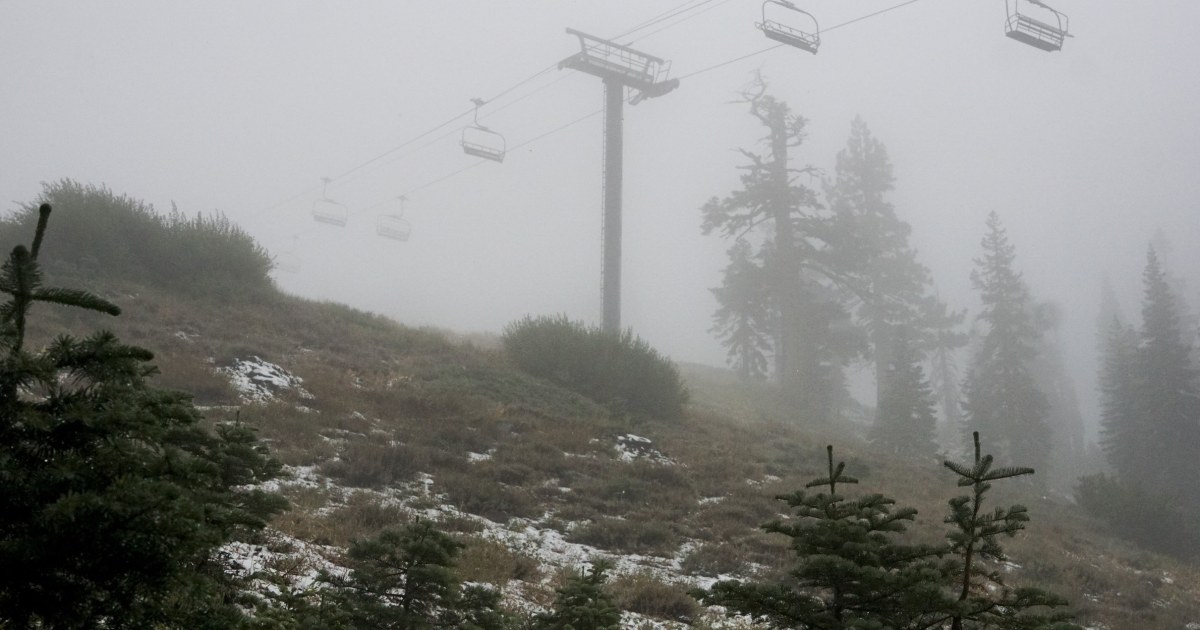
If your trip revolves around skiing or snowboarding, the websites of individual ski resorts are an essential resource. They typically provide daily snow reports, current weather conditions at various elevations, lift status updates, and live webcams. These webcams offer a visual confirmation of the snowfall and crowd levels, helping you decide when and where to hit the slopes for the best experience. Many resorts also have mobile apps that provide instant updates and alerts.
In conclusion, “Did it snow in California today?” is a question often met with a resounding “yes” across its stunning mountain ranges. For those willing to venture beyond the coastline, California reveals itself as an exceptional winter travel destination, offering everything from thrilling alpine adventures to serene snowy escapes. With careful planning and an understanding of its diverse climates, travelers can unlock the magic of the Golden State’s magnificent winter wonderland.
LifeOutOfTheBox is a participant in the Amazon Services LLC Associates Program, an affiliate advertising program designed to provide a means for sites to earn advertising fees by advertising and linking to Amazon.com. Amazon, the Amazon logo, AmazonSupply, and the AmazonSupply logo are trademarks of Amazon.com, Inc. or its affiliates. As an Amazon Associate we earn affiliate commissions from qualifying purchases.