
Las Vegas is a city synonymous with bright lights, desert heat, and an endless array of entertainment. Located in the heart of the Mojave Desert in Nevada, its arid climate typically brings scorching summers and mild winters. The very idea of snow falling on the iconic Strip seems almost fantastical, a scene plucked from a surreal dream rather than a travel brochure. Yet, the question, “Did it snow in Las Vegas?” is not as absurd as it might initially appear. While rare, snow has indeed graced this desert metropolis, transforming its familiar landscape into a temporary winter wonderland and creating a unique spectacle for those fortunate enough to witness it. For travelers planning a visit, understanding the nuances of Las Vegas’s climate, including these infrequent weather anomalies, can add an unexpected dimension to their journey. This article delves into the fascinating reality of snow in Las Vegas, exploring its historical occurrences, impact on the travel experience, and what visitors can expect from the region’s diverse seasonal offerings.
The Desert Oasis and Unexpected Weather Anomalies
Las Vegas’s global reputation is built on its vibrant nightlife, world-class resorts, and a climate that promises abundant sunshine. Situated in one of the driest regions in the United States, the city’s environment is starkly defined by vast desert landscapes. This makes any precipitation, let alone snow, a noteworthy event that captures local and international attention. For travelers accustomed to perpetually warm weather in Las Vegas, the prospect of snowfall can be both surprising and intriguing, offering a glimpse into the unexpected versatility of this famous destination.
Las Vegas’s Climate Profile
The typical climate of Las Vegas is classified as a subtropical hot desert climate. Summers are intensely hot and dry, with daily temperatures often soaring above 100°F (38°C) from June to September. Winters, by contrast, are generally mild and pleasant, with average daytime temperatures ranging from the mid-50s to low 60s Fahrenheit (13-18°C). Nighttime temperatures in winter can drop significantly, sometimes reaching freezing point, but sustained cold enough for snow accumulation is uncommon. Rainfall is sparse throughout the year, primarily occurring during short, intense monsoon seasons in late summer and occasional winter storms. This arid environment makes the rare appearance of snow a true anomaly, driven by specific atmospheric conditions that align only on infrequent occasions.
Historical Occurrences: When Has Snow Fallen?
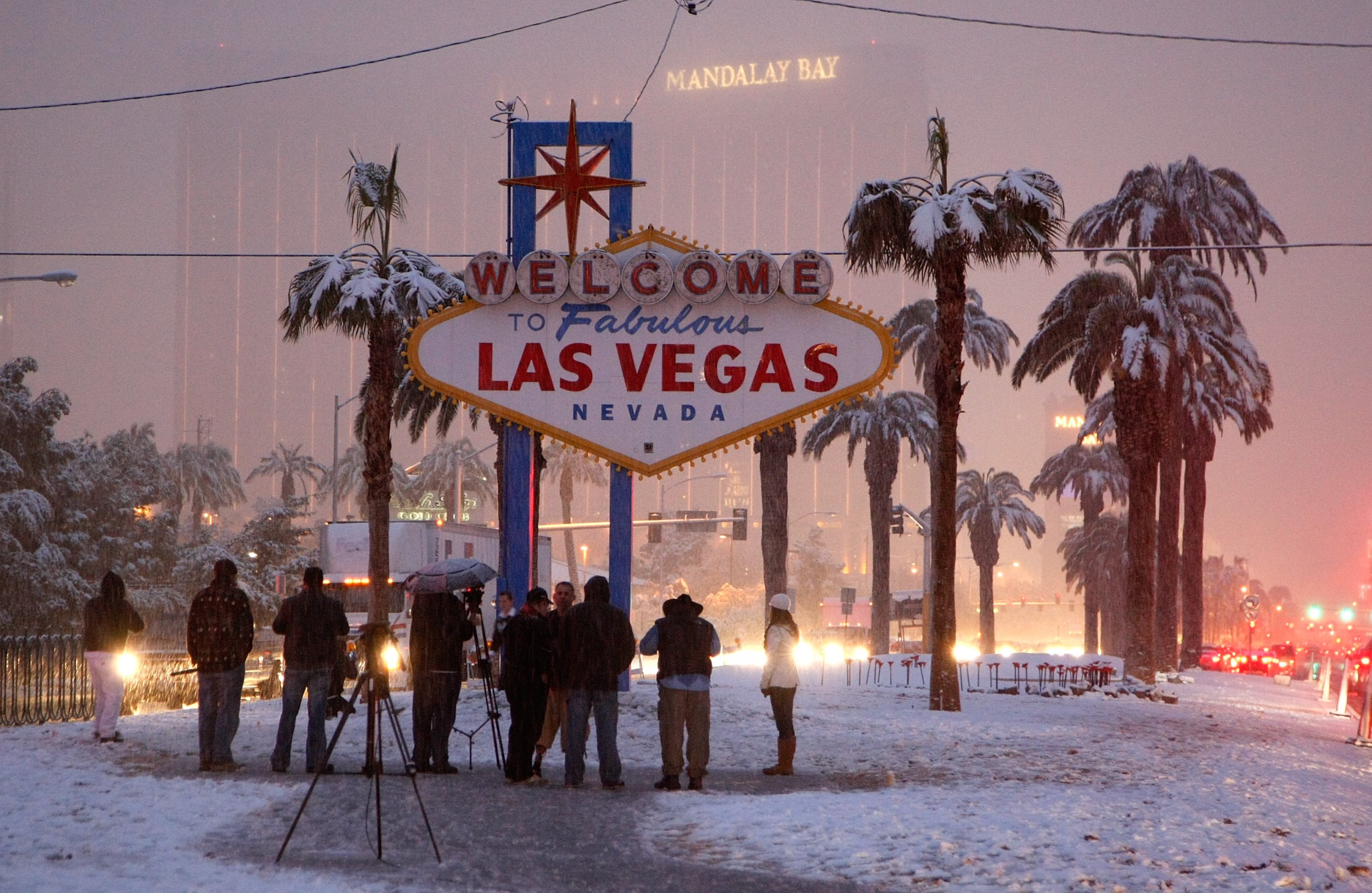
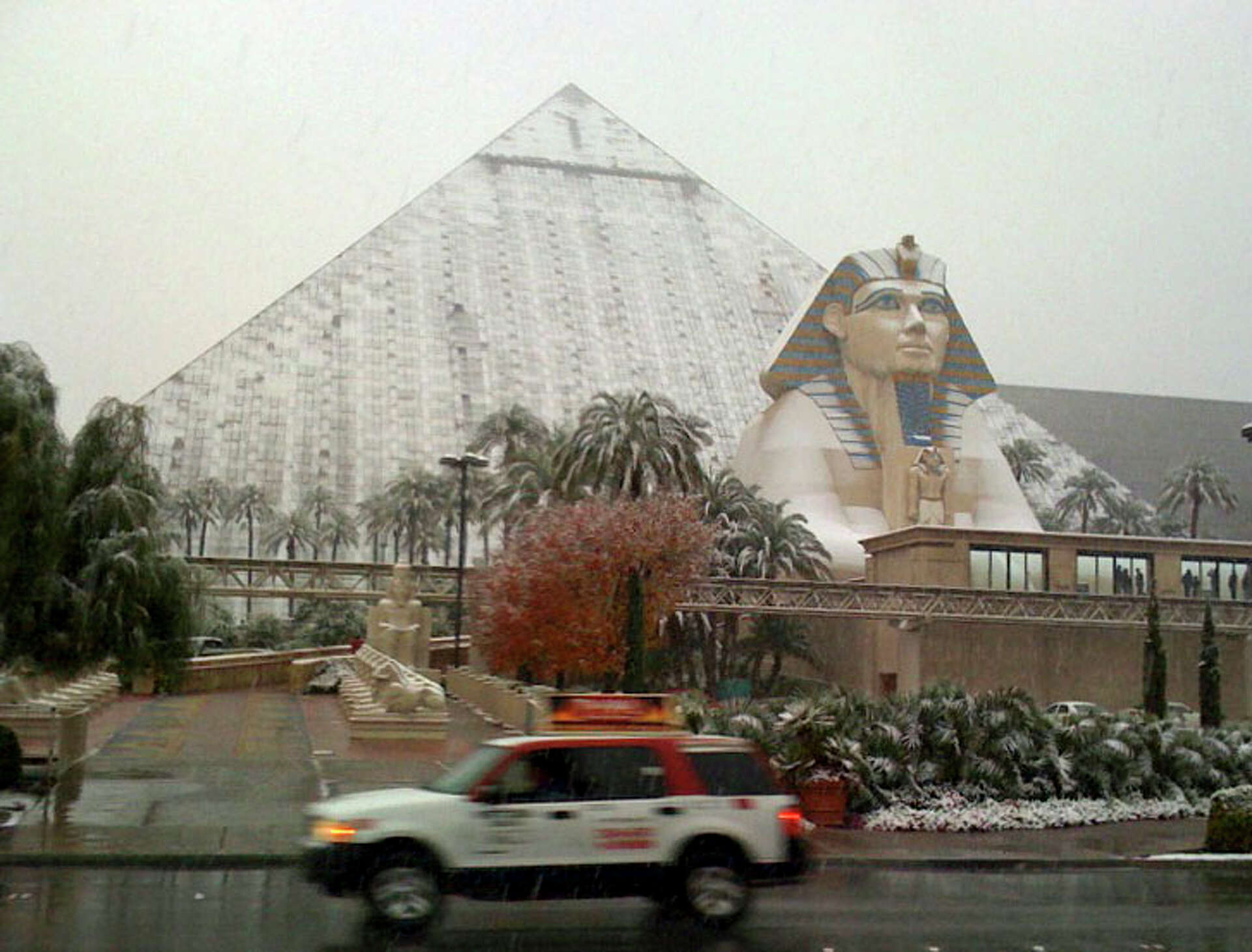
Despite its desert setting, snow has indeed fallen on Las Vegas several times throughout its history. While light flurries are more common and often melt upon contact with the ground, there have been instances of measurable accumulation. One of the most significant snowfalls in recent memory occurred in December 2008, when a rare cold storm dumped several inches of snow across the Las Vegas Valley, including the Strip. This event brought the city to a standstill and created iconic images of palm trees dusted in white, a truly surreal sight for locals and tourists alike. Another notable snowfall blanketed the area in February 2019, providing another fleeting glimpse of a snowy desert oasis. Prior to these events, records show snowfalls in 1937, 1949, and 1979, among others, demonstrating that while rare, it is not an entirely unprecedented phenomenon. These episodes typically result from a combination of unusually cold air masses descending into the valley and a sufficient moisture content in the atmosphere, a perfect storm of conditions that defies the city’s usual weather patterns.
Impact on Travel and Tourist Experience
For travelers in Las Vegas during a snowfall, the experience is profoundly unique. It transforms the familiar, vibrant landscape into something otherworldly, offering a rare perspective on a destination usually associated with heat and perpetual sunshine. While short-lived, the impact on the travel experience can range from minor logistical adjustments to unforgettable photographic opportunities. It’s a moment that brings a temporary halt to the city’s relentless pace, allowing visitors to revel in the sheer unexpectedness of it all.
Navigating Unexpected Conditions
While snow in Las Vegas is beautiful, it can briefly disrupt typical travel plans. The city is not equipped for widespread snow and ice removal in the same way northern cities are. Roads, especially those not regularly maintained for winter conditions, can become slick and hazardous. Public transportation might face delays, and air travel from Harry Reid International Airport could be impacted by runway closures or de-icing procedures. For tourists, this might mean temporary closures of outdoor attractions, difficulty hailing taxis, or changes to planned day trips. It’s advisable for travelers caught in such an event to exercise caution, stay updated on local weather advisories, and be prepared for minor inconveniences. However, these disruptions are usually short-lived, as the desert sun quickly reclaims its dominance, melting away the snow within hours or a day.
Unique Photo Opportunities

Perhaps the most delightful aspect of snow in Las Vegas for a traveler is the unparalleled photo opportunity it presents. Imagine the iconic fountains of the Bellagio framed by snow-dusted palm trees, or the Roman architecture of Caesars Palace wearing a temporary white mantle. The contrast of the vibrant neon lights against a soft white backdrop is incredibly striking. Tourists flock to capture these ephemeral scenes, creating unique memories and photographs that stand apart from the typical Las Vegas postcard. The panoramic views from high-rise resorts like the Aria Resort & Casino or the Stratosphere offer breathtaking vistas of the entire valley transformed into a rare winter tableau. These moments are a testament to the city’s ability to surprise and delight, offering a truly once-in-a-lifetime experience for those who happen to be visiting.
Beyond the Strip: Snow in the Surrounding Areas
While snow on the Strip is a rarity, winter weather, including significant snowfall, is a regular occurrence in the higher elevations surrounding Las Vegas. This distinction is crucial for travelers, as these nearby mountainous regions offer a stark contrast to the desert floor and provide entirely different travel experiences, often just a short drive away. Understanding these regional climatic differences can unlock a wider range of activities for visitors.
Mount Charleston and Winter Sports
Just an hour’s drive northwest of the Las Vegas city center lies Mount Charleston, part of the Spring Mountains National Recreation Area. Here, winter is a distinct season, often bringing substantial snowfall from November through April. Mount Charleston is home to Lee Canyon Ski Resort, a popular destination for skiing, snowboarding, and other winter sports. For travelers seeking a winter experience while visiting Las Vegas, a day trip to Mount Charleston offers a convenient escape to a snowy landscape. Visitors can enjoy sledding, snowball fights, or simply take in the crisp mountain air and pine-scented forests blanketed in white, a stark contrast to the desert environment just below. This proximity to genuine winter recreation means that even if the Strip remains snow-free, a snowy adventure is always within reach.
Scenic Drives and Day Trips
The snow also impacts the accessibility and scenic beauty of other popular day trip destinations around Las Vegas. Areas like Red Rock Canyon National Conservation Area, known for its striking red rock formations, can occasionally receive a dusting of snow in its higher elevations, creating a spectacular and unusual visual effect. Further afield, iconic destinations such as the Grand Canyon, located a few hours’ drive away in Arizona, often experience heavy snowfall during winter months. This can affect travel routes and require visitors to be prepared for cold weather conditions, but it also offers incredibly majestic views of the canyon rimmed with snow. Similarly, routes towards Death Valley National Park in California or national parks in Utah can be impacted by mountain passes receiving snow. Travelers planning winter excursions from Las Vegas should always check road conditions and weather forecasts for their specific destinations, as the climate can vary dramatically even within short distances. Other popular attractions like the Hoover Dam are generally unaffected by Las Vegas snow, though nearby mountain passes on the way may be.
Planning Your Las Vegas Trip: What to Expect Seasonally
Understanding the seasonality of Las Vegas is key to a well-planned trip, particularly for those curious about its rare snowy encounters. While the city promises year-round entertainment, the ideal time to visit often depends on personal preferences regarding weather and outdoor activities. The potential for snow, however slim, adds another layer of consideration for winter travelers, encouraging them to pack wisely and remain flexible.
Winter in Las Vegas: Mild Temperatures and Festive Atmosphere
Winter (December through February) is a popular time to visit Las Vegas for many travelers seeking an escape from harsher climates. The temperatures are pleasantly mild during the day, making it perfect for exploring the Strip on foot, enjoying outdoor dining, or even playing a round of golf. Nights can be chilly, sometimes dropping to near freezing, necessitating a jacket or warm layers. This season also brings a festive atmosphere, with holiday decorations adorning hotels and special events taking place throughout the city. While the chance of seeing snow on the Strip is minimal, the mild weather allows for comfortable outdoor activities, and the possibility of a day trip to the snow-covered mountains of Mount Charleston remains a tempting option.
Preparing for All Possibilities
Given the infrequent but possible nature of snow in Las Vegas, and the certainty of it in nearby mountains, travelers planning a winter visit should be prepared for a range of temperatures. Packing layers is always a wise strategy. While you’ll likely enjoy pleasant daytime temperatures on the Strip, a warm coat, hat, and gloves will be essential if you venture to higher elevations like Mount Charleston or if an unexpected cold snap brings freezing temperatures to the city itself. Comfortable walking shoes are a must, regardless of the weather. Additionally, keeping an eye on local weather forecasts a few days before and during your trip can help you adjust plans and ensure you’re dressed appropriately for any rare weather event that might unfold, from a desert downpour to a dusting of snow.
In conclusion, while Las Vegas is undeniably a desert city, the question “Did it snow in Las Vegas?” can indeed be answered with a surprising “yes.” These rare occurrences offer a novel perspective on a world-famous destination, creating memorable moments and stunning photographic opportunities for those lucky enough to witness them. For the savvy traveler, understanding the region’s climate means recognizing that while the Strip might offer a fleeting glimpse of white, true winter wonderlands are just a short drive away in the surrounding mountains, providing diverse travel experiences that extend far beyond the city’s neon glow. Whether you’re seeking sunshine or a hint of snow, Las Vegas and its environs promise a dynamic and often surprising journey.
LifeOutOfTheBox is a participant in the Amazon Services LLC Associates Program, an affiliate advertising program designed to provide a means for sites to earn advertising fees by advertising and linking to Amazon.com. Amazon, the Amazon logo, AmazonSupply, and the AmazonSupply logo are trademarks of Amazon.com, Inc. or its affiliates. As an Amazon Associate we earn affiliate commissions from qualifying purchases.