
The question “Did the California fires stop?” is one frequently asked by concerned travelers and residents alike, especially given the state’s immense popularity as a global destination. The short answer is both complex and nuanced: wildfires are an intrinsic, albeit increasingly challenging, part of California’s natural ecosystem and are rarely a phenomenon that simply “stops” completely and permanently. Instead, the narrative around California fires is one of ongoing management, seasonal patterns, community resilience, and continuous adaptation.
California, a state renowned for its diverse landscapes, from sun-drenched beaches along the Pacific Ocean to towering ancient redwood forests and snow-capped mountains, attracts millions of visitors each year. Its vibrant cities, world-class theme parks, acclaimed wine regions, and stunning natural landmarks offer an unparalleled array of travel experiences. However, alongside this allure comes the reality of a Mediterranean climate prone to dry seasons, which, combined with dense wildland-urban interfaces and a changing global climate, creates conditions ripe for wildfires. For anyone planning a trip or considering long-term accommodation, understanding this landscape is crucial for a safe, enjoyable, and responsible journey. This article delves into the realities of California wildfires, their impact on travel and tourism, and how visitors can navigate this beautiful state responsibly.
Understanding California’s Wildfire Landscape
To truly grasp the implications of California fires, it’s essential to understand their underlying causes and typical patterns. Wildfires are not a singular, constant threat but rather a seasonal challenge influenced by a confluence of environmental and human factors.
The Seasonal Nature of Wildfires
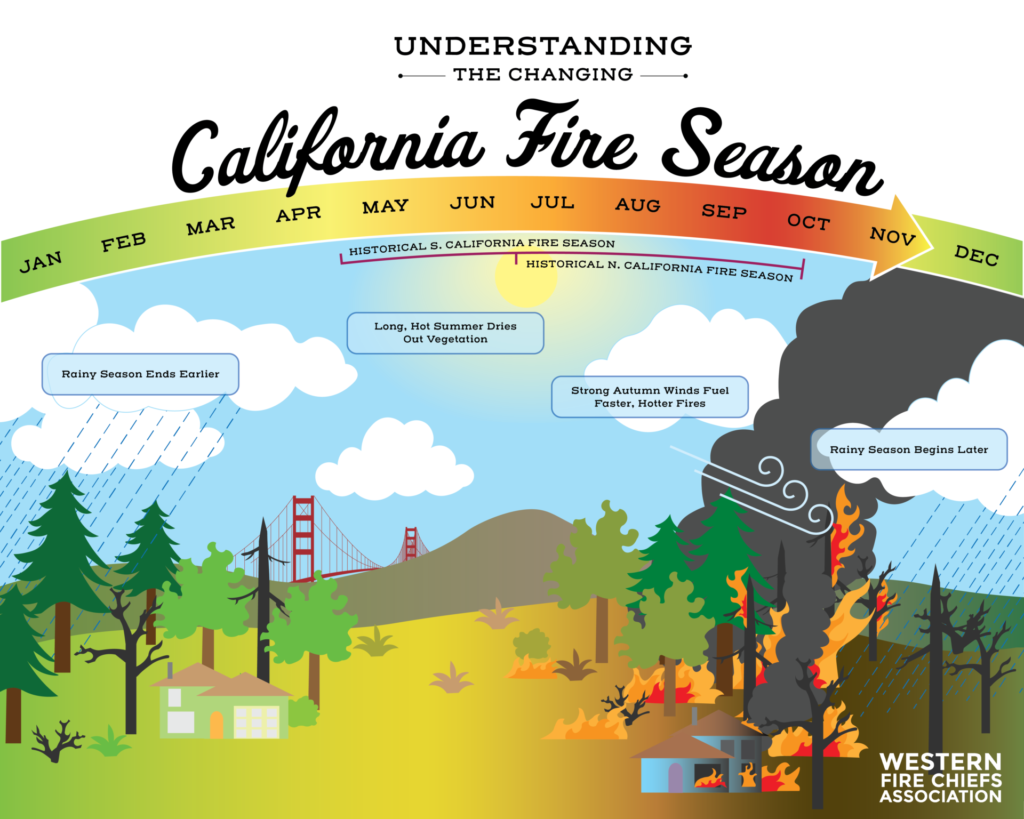
California’s fire season typically runs from late spring through late autumn, peaking in the hottest and driest months. However, in recent years, due to prolonged droughts, warmer temperatures, and an abundance of dry vegetation, fire season has often stretched into winter, making it a year-round concern in some areas. Several factors contribute to the intensity and spread of these fires:
- Drought: Multi-year droughts leave vegetation extremely dry, turning forests and grasslands into tinderboxes.
- Weather Patterns: Hot, dry winds, such as the infamous Santa Ana winds in Southern California and the Diablo winds in Northern California, fan flames and spread embers rapidly over vast distances, often pushing fires into populated areas.
- Accumulated Fuel: Decades of fire suppression have led to an accumulation of dead trees and dense undergrowth, providing ample fuel for fires to burn hotter and larger.
- Climate Change: Scientists widely agree that climate change exacerbates these conditions, leading to longer dry seasons, higher temperatures, and more extreme weather events.
- Human Activity: While some fires are naturally ignited by lightning, a significant percentage are caused by human activity, including faulty equipment, power lines, campfires, and arson.
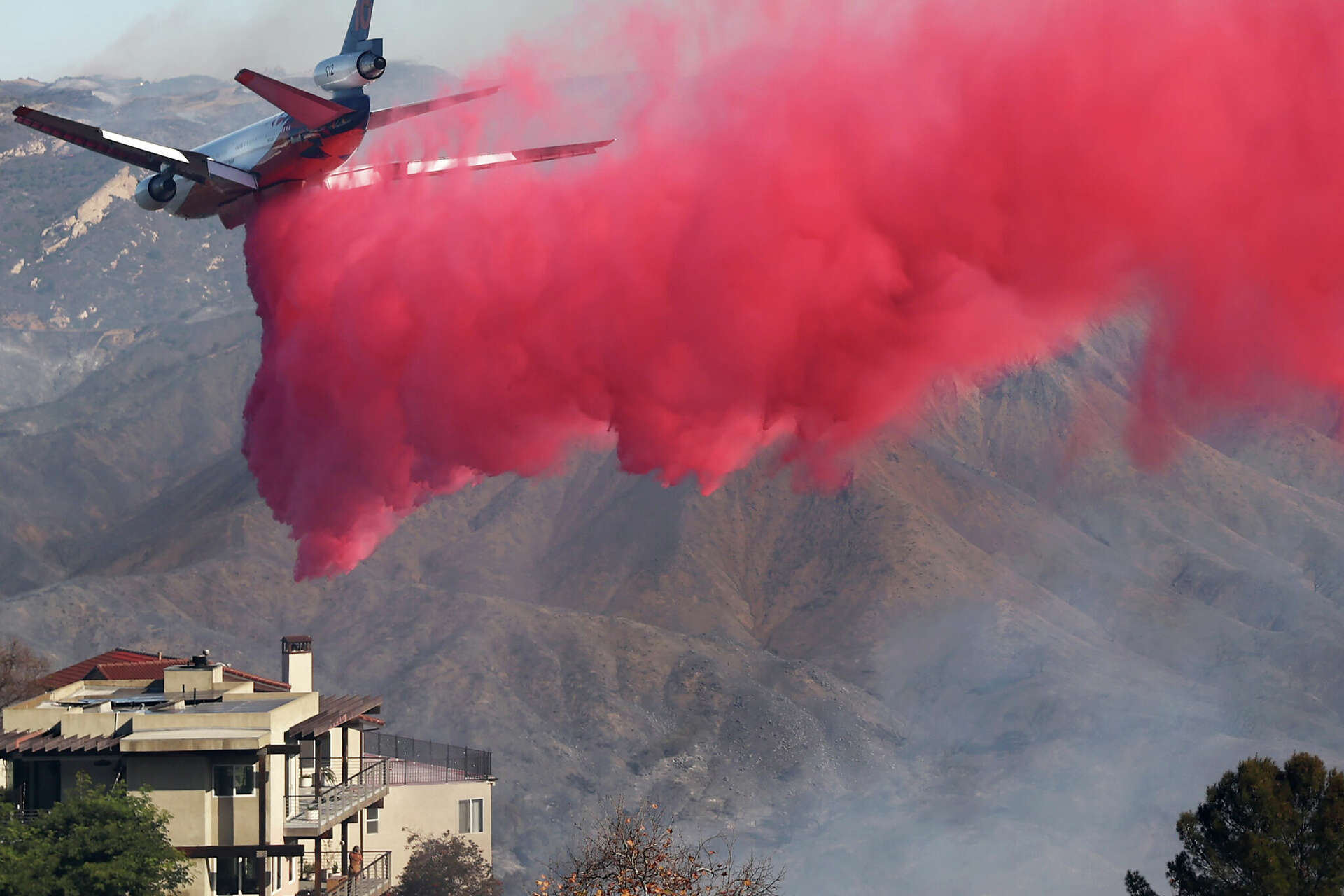
The Department of Forestry and Fire Protection (CAL FIRE) is the state’s primary agency battling these blazes, deploying thousands of firefighters, aircraft, and advanced technologies to contain and suppress them. Their efforts are monumental, but the sheer scale and intensity of modern wildfires often present unprecedented challenges. Therefore, the “stopping” of a fire is usually measured in terms of containment, which means establishing a perimeter that prevents further spread, rather than immediate extinguishment of all flames.
Beyond the Headlines: Differentiating Local Incidents from Statewide Impact
News headlines often paint a broad picture, but it’s crucial for travelers to understand that a fire in one part of California does not mean the entire state is ablaze. California is an immense state, roughly the size of Germany, with vast distances between its major cities and natural attractions. A fire burning in, for instance, the southern Sierra Nevada mountains will likely have no direct impact on travel plans to San Francisco or the beaches of San Diego.
The challenge, however, lies in the indirect impacts. Smoke from large fires can travel hundreds of miles, affecting air quality even in distant areas. This is a significant consideration for travelers, especially those with respiratory sensitivities or families planning outdoor activities. While the immediate threat might be localized, the lifestyle impact of poor air quality can extend much further, influencing choices about destinations, hotel amenities (like air filtration), and the overall travel experience. Travelers seeking luxury experiences might prioritize resorts with advanced air purification systems, while budget travelers might look for destinations naturally less affected by smoke plumes.
Navigating Travel in a Fire-Prone State
For travelers, the prospect of wildfires raises legitimate concerns about safety, accessibility, and the quality of their planned experience. Understanding these impacts is key to planning a resilient and enjoyable trip to California.
Impact on Iconic Destinations and Attractions
California’s most beloved landmarks and natural wonders are sometimes directly in the path of wildfires. National parks like Yosemite National Park, Sequoia National Park, and King’s Canyon National Park have faced closures and partial restrictions due to fire activity or smoke. These closures, while necessary for safety and conservation, can disrupt carefully planned trips focused on nature and outdoor adventure.
The world-renowned wine regions of Napa Valley and Sonoma County have also experienced devastating fires. While the resilience of these communities and their vineyards is remarkable, fires can cause temporary closures of wineries, restaurants, and hotels, and smoke can impact grape harvests, leading to long-term effects on the industry. Travelers planning culinary or wine tourism experiences need to monitor local conditions closely.
Coastal destinations, such as the dramatic cliffs of Big Sur along Highway 1, can also be affected by fires, leading to road closures and evacuation orders. Urban centers like Los Angeles and Santa Barbara, while less frequently engulfed directly, often experience significant air quality issues and occasional suburban evacuations, impacting everything from outdoor activities to business operations. Even popular destinations like Lake Tahoe, known for its pristine waters and winter sports, have seen severe fire seasons, impacting air quality and accessibility for both summer and winter tourism.
Accommodation and Logistics
Wildfires can have immediate and far-reaching effects on accommodation and travel logistics. Hotel and resort bookings can be canceled due to proximity to fires, evacuation orders, or simply poor air quality making a stay undesirable. Many resorts and boutique hotels in fire-prone areas have robust emergency plans and communication systems, but travelers should always verify policies regarding cancellations and refunds.
Beyond direct closures, the impact on air quality can be a major deterrent. Even if a hotel isn’t directly threatened, widespread smoke can render outdoor activities unbearable and even unhealthy. This impacts the appeal of resort amenities like pools, outdoor dining, and golf courses. Travel insurance that covers fire-related disruptions can be a wise investment, particularly for those booking non-refundable rates or seeking specific experiences. For long-term stays, particularly in rural or semi-rural areas, understanding evacuation routes and local alert systems is paramount. Businesses traveling for conventions or meetings in cities like San Francisco or Los Angeles might face disruptions if key personnel or transport links are affected.
The Economic Ripple Effect on Tourism
The tourism industry is a cornerstone of California’s economy. Wildfires, even localized ones, can have a significant economic ripple effect. Beyond direct damage to properties and infrastructure, fear of fires can lead to widespread cancellations, impacting local businesses from tour operators and restaurants to souvenir shops and transport services. This economic strain can be particularly devastating for smaller, tourism-dependent communities.
However, the resilience of California communities is remarkable. After major fires like the Mendocino Complex Fire or the Camp Fire which devastated the town of Paradise, there’s often a strong drive to rebuild and welcome visitors back. Supporting these areas once they are safe and reopened is a vital form of responsible tourism. Choosing to stay in local hotels, dine at local restaurants, and visit attractions can significantly aid in their recovery, ensuring that the unique cultural fabric and vibrant experiences of California endure.
Prioritizing Safety and Preparedness for Travelers
Traveling to California during fire season doesn’t have to be daunting, but it does require an elevated level of awareness and preparedness. Smart planning can ensure a safe and enjoyable trip, regardless of potential fire activity.
Essential Resources and Real-Time Information
The most crucial tool for any traveler is access to accurate, real-time information. Here are key resources:
- CAL FIRE Website: The official source for statewide fire incidents, containment updates, and maps. This is the definitive resource for understanding active fires.
- Local Emergency Services: Websites and social media accounts of county sheriffs, fire departments, and emergency management agencies provide hyper-local alerts and evacuation orders.
- Air Quality Monitors: Websites like AirNow.gov (for the United States) provide real-time air quality index (AQI) data, essential for planning outdoor activities. Many smartphone apps also offer this.
- Road Condition Websites: Caltrans (the California Department of Transportation) provides live updates on road closures due to fires or other incidents.
- Hotel and Tour Operators: Always maintain direct communication with your accommodation providers and tour operators. They are often the first to know about localized impacts and can offer advice or alternative arrangements.
By consistently checking these resources, travelers can make informed decisions about their routes, destinations, and daily activities, ensuring they avoid hazardous areas and minimize exposure to smoke.
Responsible Travel Practices
Beyond staying informed, travelers can adopt practices that enhance their safety and contribute positively to California’s fire prevention efforts:
- Be Fire Aware: Exercise extreme caution with anything that could spark a fire. This includes campfires (check local restrictions, often “no burn” orders are in effect), cigarettes (never discard in dry vegetation), and parking vehicles in tall, dry grass.
- “Leave No Trace” Principles: Adhere strictly to these principles, particularly when exploring natural areas. This includes packing out all trash and respecting wildlife.
- Follow Local Regulations: If a particular area has fire restrictions, road closures, or evacuation warnings, respect them without exception. These measures are in place for your safety and the safety of residents and first responders.
- Support Local Businesses: Once an area is deemed safe, consider supporting local businesses that may have suffered economic setbacks due to fires. This includes staying in hotels, dining at restaurants, and purchasing from local shops. This helps communities recover and ensures that the vibrant tourism economy thrives.
- Consider Travel Insurance: For significant trips, travel insurance that covers natural disaster-related cancellations or interruptions can offer peace of mind and financial protection.
For families traveling with children, preparing them for potential detours or changes in plans can make the experience smoother. For luxury travelers, inquiring about air purification systems in hotels or private villas can be a key consideration. Budget travelers might find that flexible booking options or alternative destinations become more appealing during peak fire season.
California’s Resilience: A Journey of Recovery and Adaptation
Despite the challenges posed by wildfires, California remains one of the most captivating and resilient travel destinations in the United States. Its people and communities consistently demonstrate incredible strength in the face of adversity, dedicated to rebuilding, restoring, and adapting for the future.
Rebuilding and Reopening
The spirit of recovery is deeply embedded in California’s identity. After major fire events, communities rally to rebuild homes, businesses, and infrastructure. Areas like Napa Valley and Sonoma County, which have faced multiple significant fires, have repeatedly demonstrated their ability to bounce back, restore vineyards, reopen tasting rooms, and welcome visitors with renewed vigor. Even the heavily impacted Yosemite National Park and Sequoia National Park work tirelessly to mitigate fire risks and reopen sections once safe, highlighting their commitment to conservation and public access.
Many smaller towns that rely heavily on tourism, like those dotting Highway 1 or nestled in mountain ranges, invest heavily in fire-resistant landscaping, improved warning systems, and community preparedness programs. This continuous effort ensures that travelers can return to experience the unique charm and natural beauty of these regions. Visitors to attractions such as Muir Woods National Monument or driving past the iconic Golden Gate Bridge will find that the state’s popular tourist hubs largely remain unaffected by localized fire events, continuing to offer their world-class experiences. Even further south, destinations like Palm Springs, San Diego, and Catalina Island continue to thrive, often providing a warm and inviting escape from winter chills, largely untouched by the direct impact of major wildfires.

Sustainable Tourism and Future Outlook
California’s approach to tourism is increasingly intertwined with sustainability and resilience. There’s a growing emphasis on educating visitors about environmental responsibility, fire prevention, and supporting local economies. The state is investing in forest management, prescribed burns, and new technologies for early fire detection and suppression.
For travelers, this translates into an evolving landscape where awareness is valued. Choosing to engage with sustainable tourism operators, visiting off-peak to lessen environmental impact, and respecting natural environments are all ways to contribute to California’s long-term health and beauty. The future of California travel is one where visitors are not just observers but active participants in preserving its wonders. Whether you’re seeking luxury resorts with eco-conscious practices, planning a family trip to a national park, or exploring hidden gems off the beaten path, California offers an adventure that promises both beauty and a call to responsible engagement.
In conclusion, the question of whether the California fires have “stopped” is a continuous dialogue rather than a definitive yes or no. Wildfires remain a persistent challenge, but California’s robust response, community resilience, and commitment to adaptation ensure that this extraordinary state continues to be a world-class destination. By staying informed, practicing responsible travel, and appreciating the immense efforts of those who protect its landscapes, travelers can continue to explore and enjoy the unparalleled experiences California has to offer, safely and thoughtfully.
LifeOutOfTheBox is a participant in the Amazon Services LLC Associates Program, an affiliate advertising program designed to provide a means for sites to earn advertising fees by advertising and linking to Amazon.com. Amazon, the Amazon logo, AmazonSupply, and the AmazonSupply logo are trademarks of Amazon.com, Inc. or its affiliates. As an Amazon Associate we earn affiliate commissions from qualifying purchases.