
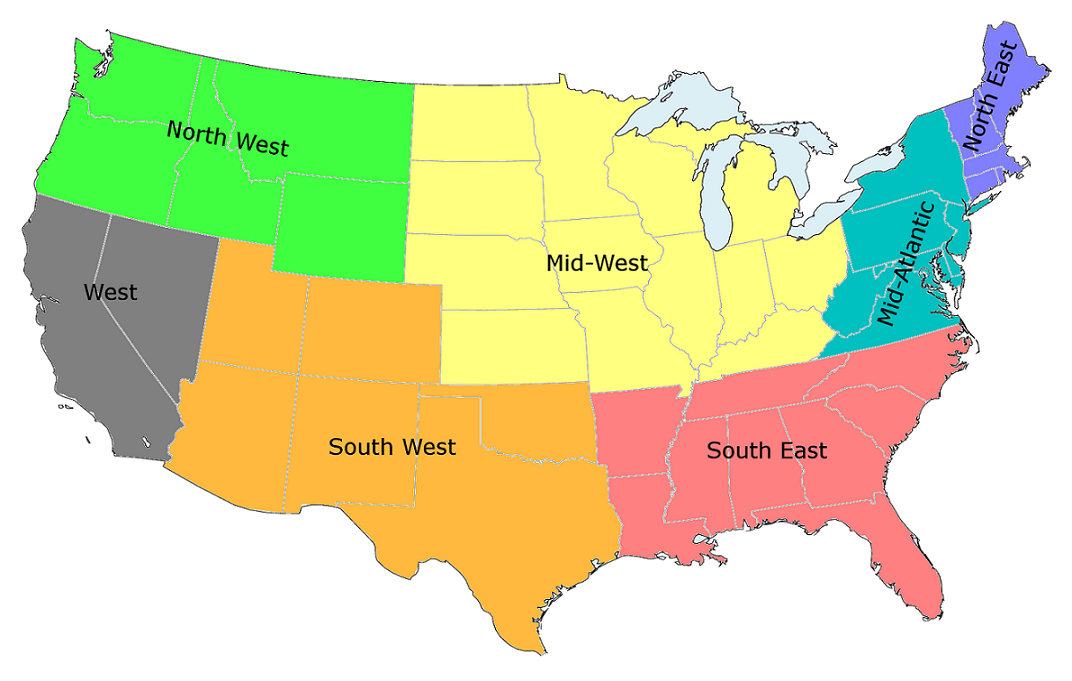
California, often referred to as the Golden State, holds a distinctive and multifaceted position within the United States. Geographically and culturally, it is primarily located in the Western United States, specifically recognized as part of the Pacific Coast Region. However, its vast size and diverse landscapes sometimes lead to its partial inclusion or association with the Southwestern United States due to shared desert environments and historical influences. Understanding California’s regional identity is key to appreciating its unique appeal as a global hub for travel, innovation, and a vibrant lifestyle.
This article delves into the various regional classifications of California, exploring the geographical features, cultural nuances, and economic drivers that define its place in the nation. We will also highlight why this rich regional tapestry makes California an unparalleled destination for tourism, offering an array of experiences from bustling cities to serene natural landmarks, and diverse accommodation options to suit every traveler’s needs.
Defining California’s Regional Identity
The concept of regional classification within the United States can be fluid, with different governmental agencies and cultural studies employing varying boundaries. However, California’s place in the Western US is almost universally accepted. Its immense area encompasses a remarkable variety of climates and topographies, influencing how its regional identity is perceived.
The Western United States Perspective
California is unequivocally a cornerstone of the Western United States. This broad region stretches from the Rocky Mountains to the Pacific Ocean and from the Canadian border to the Mexican border. States like Oregon, Washington, Nevada, Arizona, Utah, Idaho, Montana, Wyoming, Colorado, New Mexico, Alaska, and Hawaii are typically grouped with California in this expansive region. The West is characterized by its vast open spaces, dramatic mountain ranges like the Sierra Nevada, arid deserts, and a distinct cultural identity shaped by pioneering spirit, resourcefulness, and a strong connection to nature.
California’s economic prowess, particularly in technology (Silicon Valley), entertainment (Hollywood), and agriculture (Central Valley), significantly contributes to the overall strength and image of the Western region. Its population size and cultural influence mean that California often acts as a trendsetter for the rest of the West and, indeed, the entire nation. Travelers exploring the Western United States will find that California offers a microcosm of the entire region’s appeal, from rugged wilderness to sophisticated urban centers.
The Pacific Coast Region
More specifically, California is the largest and most populous state within the Pacific Coast Region. This region primarily includes the coastal areas of California, Oregon, and Washington, and sometimes British Columbia in Canada and Alaska. The defining characteristic of this region is its direct border with the Pacific Ocean, which profoundly influences its climate, ecosystems, and cultural development. The cool ocean currents bring mild temperatures, creating a Mediterranean climate in many coastal areas, especially Southern California.
Major coastal cities like Los Angeles, San Francisco, and San Diego are synonymous with the Pacific Coast lifestyle, offering stunning beaches, vibrant culinary scenes, and a relaxed yet innovative atmosphere. The scenic Pacific Coast Highway is one of the world’s most iconic road trips, connecting countless coastal attractions and picturesque towns. For visitors, the allure of the Pacific Coast Region lies in its blend of natural beauty, outdoor activities, and dynamic urban experiences. Whether it’s surfing, whale watching, or simply enjoying a sunset over the ocean, the Pacific Coast offers endless experiences.
The Southwestern United States Connection
While predominantly Western and Pacific Coast, parts of California, particularly its southeastern deserts, share characteristics with the Southwestern United States. The Southwest typically encompasses Arizona, New Mexico, parts of Texas, Utah, and Nevada. This region is known for its arid and semi-arid climates, unique desert landscapes, Native American cultures, and strong Hispanic influences stemming from its history under Spanish and Mexican rule.
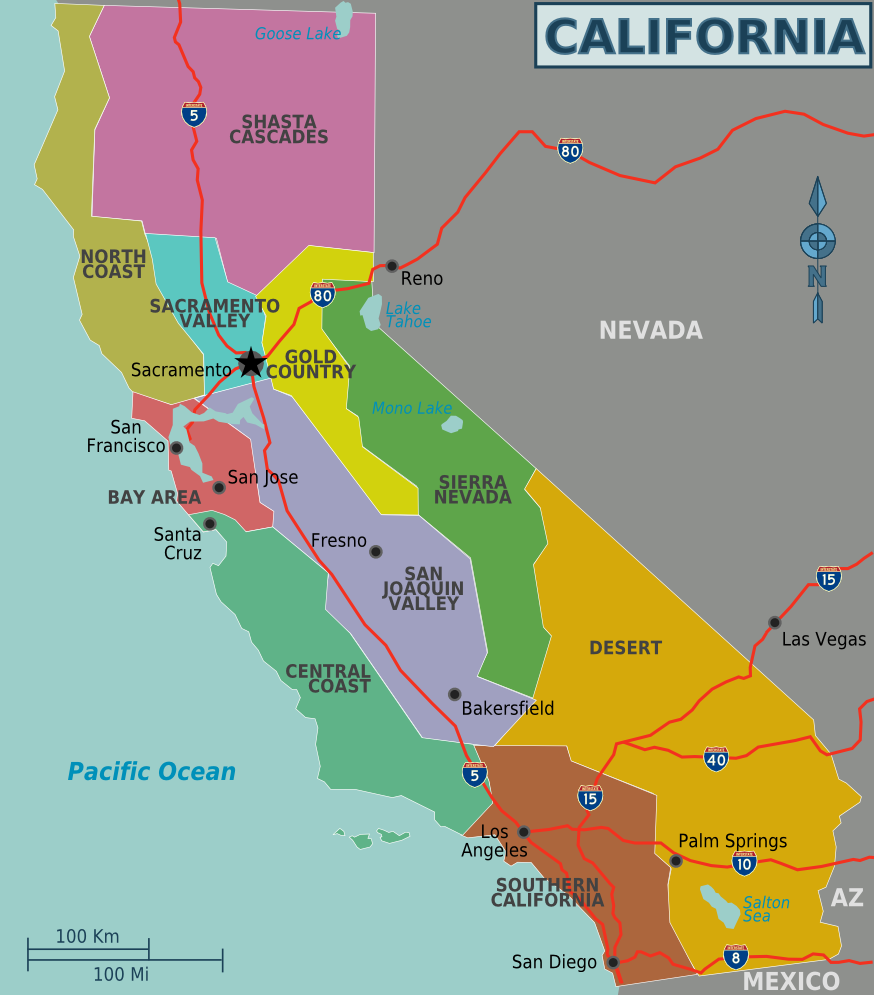
California’s Mojave Desert and Colorado Desert regions, including areas like Death Valley National Park and parts of Joshua Tree National Park, exhibit the quintessential features of the Southwest. Here, travelers can find vast expanses of wilderness, unique flora and fauna, and temperatures that climb dramatically in the summer. The architecture, cuisine, and cultural traditions in some of California’s desert communities also reflect strong Southwestern ties. This dual identity adds another layer of complexity and appeal to California, allowing it to offer both coastal serenity and rugged desert adventure within its borders.
Exploring California’s Diverse Landscapes and Attractions
California’s immense size and diverse regional identity translate into an incredible array of landscapes and attractions that cater to every type of traveler. From snow-capped mountains to sun-drenched beaches, fertile valleys to desolate deserts, the Golden State is a mosaic of natural wonders and human ingenuity.
Coastal Wonders and Urban Hubs
The crown jewels of California’s coastal region are its world-renowned cities and breathtaking shorelines. Los Angeles, the entertainment capital, beckons with the glitz and glamour of Hollywood, the iconic Santa Monica Pier, and a vibrant arts scene. Visitors can explore world-class museums like The Getty Center, indulge in high-end shopping on Rodeo Drive, or simply relax on famous beaches like Malibu and Venice Beach.
Further north, San Francisco enchants with its hilly streets, Victorian architecture, and legendary Golden Gate Bridge. Fisherman’s Wharf, Alcatraz Island, and the historic Cable Cars offer quintessential San Francisco experiences. San Diego, known for its pristine beaches, sunny weather, and relaxed atmosphere, offers family-friendly attractions like the San Diego Zoo and the historic Gaslamp Quarter. Beyond the major cities, scenic drives along Big Sur reveal dramatic cliffs and redwood forests, providing countless opportunities for photography and coastal exploration.
Majestic Mountains and National Parks
Venturing inland, the Sierra Nevada Mountains dominate California’s eastern spine, offering an alpine playground for outdoor enthusiasts. This majestic range is home to some of the nation’s most iconic national parks. Yosemite National Park is a UNESCO World Heritage site renowned for its towering granite cliffs like El Capitan and Half Dome, giant sequoia groves, and cascading waterfalls. Sequoia National Park and Kings Canyon National Park protect groves of the largest trees on Earth, including the famous General Sherman Tree.
Further north, the pristine waters of Lake Tahoe, straddling the California-Nevada border, provide year-round recreation, from skiing and snowboarding in winter to boating and hiking in summer. These mountainous regions are perfect for those seeking adventure, solitude, and unparalleled natural beauty, offering a stark contrast to the bustling coastal cities.

Deserts, Valleys, and Agricultural Riches
California’s diverse geography extends to its arid eastern frontier and fertile central plains. Death Valley National Park, located in the Mojave Desert, holds the record for the lowest point in North America and boasts surreal landscapes of salt flats, sand dunes, and colorful canyons. Despite its extreme conditions, it’s a place of stark beauty and unique ecosystems. Joshua Tree National Park, where the Mojave and Colorado Deserts meet, is famous for its namesake trees and otherworldly rock formations, making it a popular spot for hiking, rock climbing, and stargazing.
In contrast to the deserts, the Central Valley is one of the world’s most productive agricultural regions, often called the “breadbasket of the world.” While not typically a tourist attraction in itself, it’s a fascinating area to drive through, showcasing the immense scale of California’s agricultural output. North of the Central Valley, the rolling hills of Napa Valley and Sonoma Valley are globally recognized for their exquisite wineries and gourmet dining. These wine country destinations offer a refined escape, combining scenic beauty with world-class culinary experiences and luxury accommodations.
Lifestyle and Accommodation in the Golden State
California’s dynamic regional identity is mirrored in its diverse lifestyle and the extensive range of accommodation options available to visitors. Whether seeking a luxurious escape, a budget-friendly adventure, a family-focused trip, or a professional business stay, California offers solutions tailored to every need.
A Spectrum of Travel Experiences
California is a playground for every type of traveler. For those seeking luxury travel, destinations like Beverly Hills, Laguna Beach, and Napa Valley offer five-star resorts, gourmet dining, and exclusive experiences. Opulent hotels and villas with top-tier amenities cater to discerning guests. Examples include the iconic Beverly Wilshire, A Four Seasons Hotel or The Ritz-Carlton, Laguna Niguel.
Budget travel is equally feasible, especially when exploring the state’s numerous national parks through camping or staying in more affordable motels and vacation apartments outside major city centers. Hostel networks and budget-friendly boutique hotels are also prevalent, particularly in urban areas like San Francisco and Los Angeles.
Family trips thrive in California, with world-famous attractions like Disneyland Resort in Anaheim and Universal Studios Hollywood in Los Angeles. Beyond theme parks, the state offers countless kid-friendly beaches, museums, and outdoor activities. Many hotels and resorts are designed with families in mind, providing suites and amenities such as pools and kids’ clubs.
For business stays, California’s major metropolitan areas – San Francisco, Silicon Valley, Los Angeles, and San Diego – are well-equipped with convention centers, corporate hotels, and efficient transportation networks. Many hotels offer specialized services for business travelers, including meeting rooms, business centers, and high-speed internet.
Culinary Delights and Local Culture
California’s food scene is as diverse as its geography, deeply influenced by its agricultural richness and multicultural population. The “farm-to-table” movement has strong roots here, with fresh, local ingredients dominating menus across the state. From Michelin-starred restaurants in San Francisco and Los Angeles to casual taco trucks and farmers’ markets, the culinary experiences are endless. Coastal cities excel in seafood, while regions like Napa Valley are synonymous with fine dining paired with world-class wines.
The local culture of California is a vibrant blend of innovation, creativity, and a relaxed, outdoor-oriented ethos. It’s a place where diverse communities thrive, contributing to a rich tapestry of arts, music, and festivals. Visitors can explore Spanish colonial history in San Juan Capistrano, delve into Hollywood’s cinematic legacy, or immerse themselves in the counter-culture history of Haight-Ashbury in San Francisco. Each region within California offers a distinct cultural flavor, providing travelers with a truly immersive and enriching journey.
Planning Your California Adventure
With such an extensive array of attractions and experiences, planning a trip to California requires careful consideration. Leveraging travel guides and practical tips can help optimize your visit, ensuring a memorable and seamless adventure.
Best Time to Visit and Getting Around
The best time to visit California largely depends on your desired activities.
- Spring (March to May) and Fall (September to November) generally offer pleasant weather across much of the state, ideal for sightseeing, hiking, and wine tasting, with fewer crowds than summer.
- Summer (June to August) is peak season, especially for coastal destinations and national parks, offering warm, sunny days perfect for beach activities and outdoor adventures. However, inland areas like the deserts and Central Valley can be extremely hot.
- Winter (December to February) is excellent for skiing and snowboarding in the Sierra Nevada Mountains and exploring the deserts, which offer mild temperatures. Coastal cities remain temperate, though rainier.
Getting around California typically requires a car, especially if you plan to explore diverse regions like the coast, mountains, and deserts. Rental cars are readily available at major airports in Los Angeles, San Francisco, and San Diego. Public transportation is robust within major cities, with BART in the Bay Area and METRO in Los Angeles providing good options for urban exploration. For longer distances, domestic flights connect major cities, and Amtrak offers scenic train routes.
Choosing Your Stay
Selecting the right accommodation is crucial for a comfortable and enjoyable trip. California offers everything from luxury hotels and resorts to charming bed & breakfasts, vacation apartments, and rustic cabins in national parks.
When making a booking:
- Consider Location: Decide whether you want to be in the heart of a bustling city, steps from a beach, or nestled in a quiet mountain retreat.
- Read Reviews: Always check recent guest reviews on reputable platforms to get an accurate sense of the property’s quality, service, and suitability for your needs.
- Comparison Shop: Use booking websites and direct hotel sites to compare prices and availability. Look for deals, package offers, or discounts for longer stays.
- Amenities: Prioritize amenities that are important to you, whether it’s a pool, pet-friendly policy, free breakfast, or business services.
- Long-Term Stay Options: For extended visits, consider vacation rentals through platforms that offer apartments or villas with kitchens and laundry facilities, which can be more cost-effective and provide a more authentic local experience.
From lavish suites overlooking the Pacific Ocean to cozy cabins in Yosemite, California’s lodging options are as diverse as its landscapes, ensuring that every traveler finds their perfect home away from home.
In conclusion, California’s primary regional identity is firmly established within the Western United States, particularly as a prominent state of the Pacific Coast Region. Its vast and varied geography also grants it connections to the Southwestern United States, offering a blend of coastal charm, rugged mountains, and expansive deserts. This unique position contributes to its unparalleled status as a top global travel destination, rich in culture, natural beauty, and endless adventure. For those seeking to explore the breadth of what America has to offer, California is truly a destination that encompasses it all.
LifeOutOfTheBox is a participant in the Amazon Services LLC Associates Program, an affiliate advertising program designed to provide a means for sites to earn advertising fees by advertising and linking to Amazon.com. Amazon, the Amazon logo, AmazonSupply, and the AmazonSupply logo are trademarks of Amazon.com, Inc. or its affiliates. As an Amazon Associate we earn affiliate commissions from qualifying purchases.