
Florida, often dubbed the “Sunshine State,” is renowned for its pristine beaches, vibrant cities, world-class theme parks, and unique natural landscapes. Yet, beneath the surface of this tropical paradise lies another, more ancient resident that captures the imagination and sometimes, the apprehension, of visitors and locals alike: the American Alligator. These fascinating reptiles are an iconic symbol of the state’s wild heart, deeply embedded in its ecosystems and cultural identity. For travelers planning a visit to Florida, understanding the presence and behavior of these apex predators is not just a matter of curiosity, but also one of responsible tourism and safety. So, just how many gators truly call the Sunshine State home? The answer might surprise you.
The Abundance of Alligators in Florida’s Ecosystem
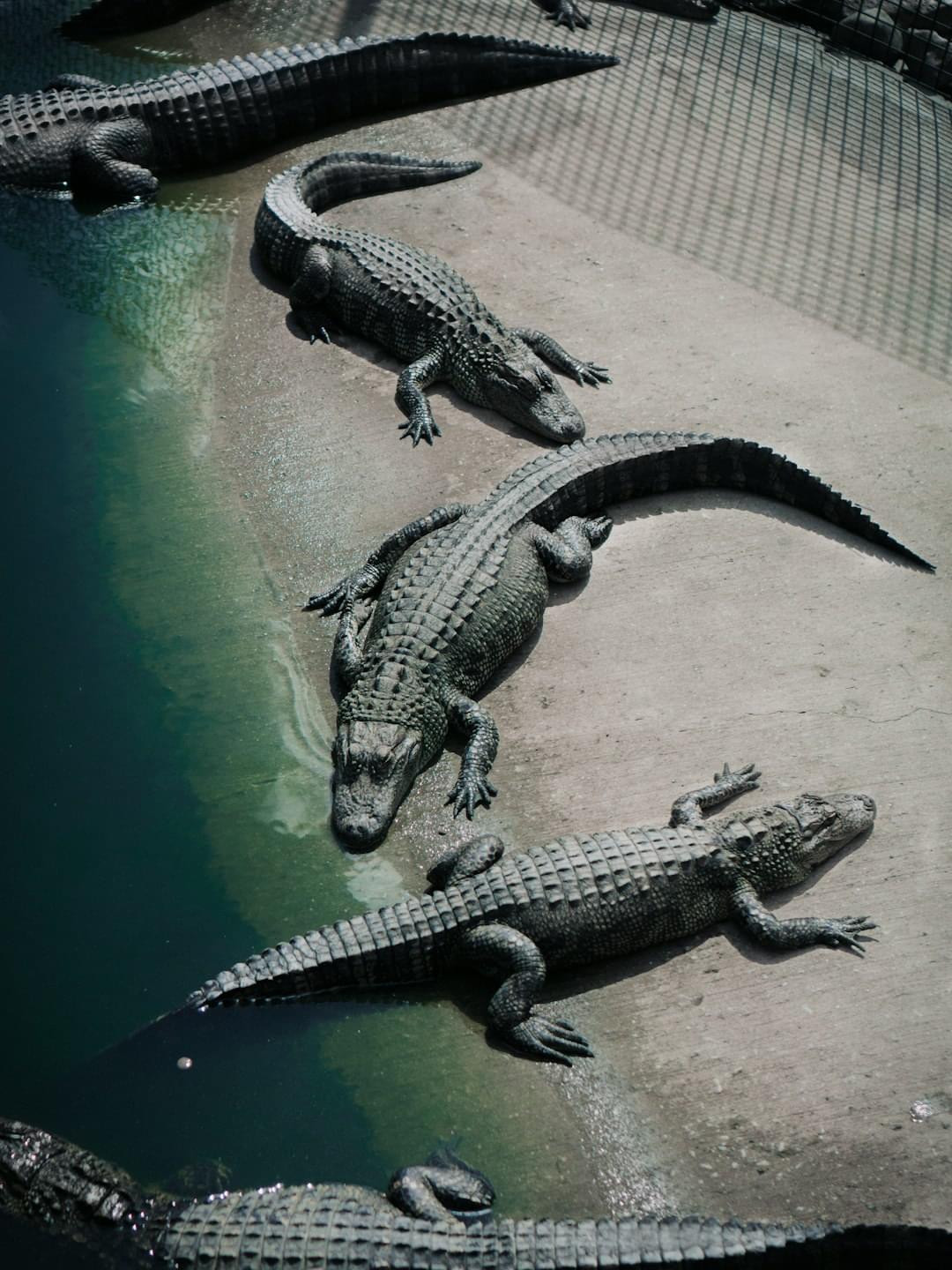
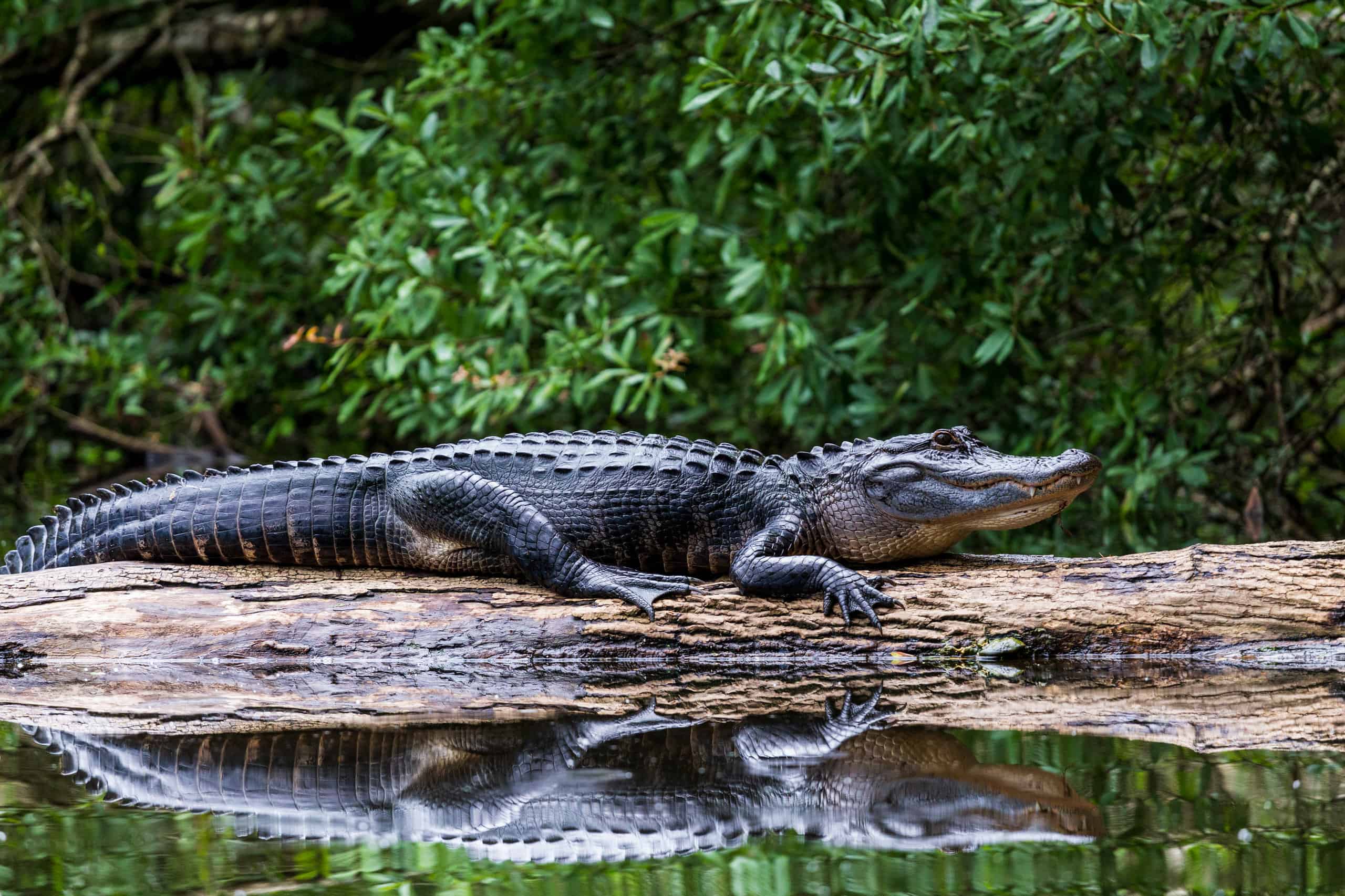
Florida is a land blessed with an intricate network of freshwater lakes, rivers, swamps, and wetlands – a perfect habitat for the American Alligator (Alligator mississippiensis). These incredible creatures have thrived here for millions of years, adapting perfectly to the warm, humid climate and the abundant food sources. Their very presence signifies a healthy and balanced ecosystem, as they play a crucial role in maintaining the diversity of other species within their environment. For visitors intrigued by wildlife, the sight of an alligator basking on a sunny bank or silently gliding through murky waters is an unforgettable experience, an authentic glimpse into Florida’s wild side that goes beyond the man-made attractions.
Unveiling the Population Figures
When asking “How many gators in Florida?”, the commonly cited figure is truly staggering. Experts estimate that there are approximately 1.3 million alligators living throughout the state. This means that, on average, for every fifteen residents of Florida, there is at least one alligator! This population makes Florida one of the most densely populated alligator habitats in the United States. This impressive number is a testament to successful conservation efforts following the species’ near extinction in the mid-20th century due to unregulated hunting. Thanks to protective legislation and careful management by entities like the Florida Fish and Wildlife Conservation Commission (FWC), the American Alligator has made a remarkable comeback, solidifying its status as a conservation success story. For those interested in sustainable tourism and wildlife preservation, Florida’s alligator story offers a compelling narrative.
Where to Find Florida’s Alligators
Given their vast numbers, alligators can be found in all 67 counties of Florida. Their preferred habitats are freshwater environments, including lakes, ponds, rivers, canals, marshes, and swamps. However, they can occasionally venture into brackish water. While they are ubiquitous, certain destinations offer a higher likelihood of spotting them, making them prime locations for eco-tourism and wildlife photography.
One of the most iconic places to observe alligators in their natural habitat is Everglades National Park. This vast subtropical wilderness, a UNESCO World Heritage Site, is a sprawling wetland ecosystem teeming with diverse wildlife, including a significant alligator population. Airboat tours through the Everglades are a popular way to experience this unique environment and get up-close (but safe) views of alligators. Other notable natural areas include [Myakka River State Park](https://lifeoutofthebox.com/myakka-river-state-park near Sarasota, known for its Canopy Walkway and boat tours that often feature alligator sightings, and the shores of immense Lake Okeechobee. Even suburban canals and golf course water hazards in cities like Orlando and Kissimmee can be home to these reptiles, reminding visitors that nature is never far away in Florida.
Coexisting with Florida’s Apex Predator
While the sheer number of alligators in Florida might sound intimidating, coexisting with them is a daily reality for millions of residents and a fascinating aspect of the state for tourists. Understanding their behavior and respecting their space is paramount to ensuring both human and alligator safety. The allure of seeing these magnificent creatures in the wild is a major draw for tourism, shaping unique experiences that range from thrilling airboat rides to serene wildlife photography expeditions.
Safety Guidelines and Responsible Tourism
Encountering an alligator in Florida is not uncommon, especially in wetland areas, near bodies of water, or even in suburban retention ponds. However, most alligators are naturally wary of humans and prefer to keep their distance. Problems typically arise when people feed alligators, making them lose their natural fear and associate humans with food. This habituation can lead to dangerous situations and often results in the alligator being euthanized, a tragic outcome for both the animal and the community.
The FWC provides crucial guidelines for safe coexistence, which every visitor and resident should adhere to:
- Never feed an alligator: It is illegal and highly dangerous.
- Maintain a safe distance: Always observe alligators from afar. If you see one, give it plenty of space.
- Swim only in designated areas during daylight hours: Alligators are most active between dusk and dawn.
- Keep pets on a leash and away from the water’s edge: Pets can resemble natural prey to alligators.
- Do not approach nests or small alligators: Mother alligators are very protective.
- Dispose of fish scraps in designated waste receptacles: Do not throw them into the water where alligators can easily find them.
- Report nuisance alligators: If an alligator is approaching people or pets, contact the FWC’s Nuisance Alligator Hotline.
Following these simple rules ensures that your encounter with Florida’s gators remains a memorable highlight of your trip rather than a cause for concern. Responsible tourism practices, which emphasize minimal impact on wildlife and natural habitats, are key to preserving these unique experiences for future generations.
Alligators as a Keystone Species

Beyond their captivating presence, alligators play a vital role as a “keystone species” in Florida’s wetlands. This means their activities significantly impact the structure and function of the entire ecosystem. During dry seasons, for example, alligators dig “gator holes” in the mud, creating vital refuges of water that provide a lifeline for fish, invertebrates, birds, and other animals. These holes become crucial watering spots, concentrating prey and thereby supporting a broader array of wildlife.
As top predators, alligators also help regulate the populations of various species, preventing any single species from overpopulating and throwing the ecosystem out of balance. Their predatory role contributes to the health and vigor of fish populations by targeting weaker or diseased individuals. For travelers interested in ecology and environmental sustainability, observing alligators offers a powerful lesson in the interconnectedness of nature. This ecological significance further underscores why their conservation is so important, not just for the species itself, but for the entire biological richness of the Sunshine State.
Alligators and Florida’s Tourism Landscape
The presence of over a million alligators has undeniably shaped Florida’s tourism industry. From thrilling encounters at wildlife parks to serene observations in national preserves, alligators offer a unique draw for visitors seeking authentic Florida experiences. This intertwining of wildlife and tourism creates a distinct travel niche, providing a variety of options for every type of adventurer.
Must-Visit Attractions for Wildlife Enthusiasts
For those who want to guarantee an alligator sighting in a safe and educational environment, several dedicated attractions cater to wildlife enthusiasts. These places often combine conservation efforts with engaging exhibits and shows, offering a deeper understanding of these magnificent reptiles.
- Gatorland (Orlando, Florida): Self-proclaimed as the “Alligator Capital of the World,” Gatorland is a 110-acre theme park and wildlife preserve located in Orlando. It features thousands of alligators and crocodiles, including rare white alligators. Visitors can enjoy live shows like the Alligator Jumparoo, explore the breeding marsh, and even participate in unique experiences like ziplining over gators. It’s an ideal spot for families and anyone looking for a comprehensive alligator experience.
- St. Augustine Alligator Farm Zoological Park (St. Augustine, Florida): Established in 1893, this is one of Florida’s oldest continuously operating attractions. It is the only place in the world where you can see every living species of crocodilian. Beyond its impressive collection of alligators and crocodiles, the park is also an accredited zoo with various other reptiles, birds, and mammals, making it a robust destination for animal lovers in St. Augustine.
- Everglades National Park: As mentioned earlier, this is the prime location for seeing alligators in their natural, wild habitat. Ranger-led programs, hiking trails, and the famous airboat tours provide ample opportunities for sightings while immersed in the natural beauty of South Florida. For those seeking an authentic wilderness experience, this park is unparalleled.
- Wild Florida (Kenansville, Florida): Located a short drive from Orlando and Kissimmee, Wild Florida offers airboat tours through pristine swamps and a wildlife park where guests can see alligators, sloths, and other native and exotic animals. It’s another excellent option for families looking to combine an airboat adventure with animal encounters.
These attractions not only provide entertainment but also contribute significantly to wildlife education and conservation, aligning with responsible travel principles.
Planning Your Florida Adventure: Accommodation and Experiences
Integrating alligator encounters into a broader Florida vacation requires careful planning of travel, accommodation, and activities. Whether you’re seeking luxury travel, budget-friendly options, or a family trip, Florida offers a diverse range of choices.
For those focusing on Orlando and its famous theme parks like Disney World or Universal Studios, destinations like Gatorland or Wild Florida can be easily incorporated as day trips. Orlando boasts a plethora of hotels, from expansive resorts with all amenities to boutique hotels and vacation apartments, suitable for various budgets and lifestyles. Similarly, nearby Kissimmee offers a wide array of hotels and villas, often favored by families due to their spaciousness and proximity to attractions.
If your travel itinerary leans towards the natural beauty of South Florida, staying in Miami, Fort Lauderdale, or even smaller towns near the Everglades can provide convenient access to the national park. Miami offers a vibrant mix of luxury hotels, beachfront resorts, and trendy lifestyle accommodations, perfect for combining urban exploration with wilderness adventures. For a more tranquil experience, consider booking an eco-lodge or a charming bed and breakfast on the outskirts of national parks, allowing for deeper immersion into the natural environment.
Regardless of your chosen destination, it’s always wise to research and book your accommodation in advance, especially during peak travel seasons. Websites specializing in hotels, resorts, and vacation rentals can help you compare options, read reviews, and find the perfect base for your Florida adventure. Look for hotels with excellent amenities, family-friendly suites, or even pet-friendly options if you’re traveling with companions. Considering local culture and cuisine, you can also find accommodations that offer authentic experiences, perhaps with guided nature tours or local culinary tips.
Conservation Efforts and the Future of Florida’s Alligators
The story of “how many gators in Florida” is ultimately a testament to successful conservation and a reminder of ongoing responsibilities. The American Alligator’s resurgence from the brink of extinction is one of North America‘s great wildlife success stories. This recovery was largely due to legislative protection, primarily the Endangered Species Act, which listed them as endangered in 1967. Their population rebounded so significantly that they were removed from the endangered species list in 1987.
Today, management programs by the FWC focus on sustainable harvesting, nuisance alligator management, and habitat protection. These efforts ensure that the alligator population remains healthy and balanced, while also addressing conflicts with human development. The state’s commitment to preserving its natural heritage, including its iconic alligators, goes hand-in-hand with its thriving tourism industry. Many eco-tourism operators and wildlife parks actively participate in or support conservation initiatives, providing visitors with opportunities to learn about and contribute to these efforts.
For travelers, choosing tour operators and attractions that prioritize ethical wildlife interactions and conservation supports the long-term health of Florida’s ecosystems. Visiting landmarks like Everglades National Park or dedicated conservation parks allows revenue to directly support the protection of these vital habitats. The future of Florida’s alligators, therefore, is intrinsically linked to responsible human actions – from adhering to safety guidelines to supporting conservation-minded tourism. As you plan your next trip to the Sunshine State, remember that seeing a gator isn’t just about spotting wildlife; it’s about connecting with a thriving natural world that continues to be a remarkable part of the Florida experience.
LifeOutOfTheBox is a participant in the Amazon Services LLC Associates Program, an affiliate advertising program designed to provide a means for sites to earn advertising fees by advertising and linking to Amazon.com. Amazon, the Amazon logo, AmazonSupply, and the AmazonSupply logo are trademarks of Amazon.com, Inc. or its affiliates. As an Amazon Associate we earn affiliate commissions from qualifying purchases.