
The question of whether a hurricane directly impacted Orlando is one that many travelers, residents, and businesses alike ponder, especially during the intense Atlantic hurricane season. While Orlando is not situated on the coast, its inland location does not render it entirely immune to the effects of major storm systems. Understanding the typical paths of hurricanes and the specific vulnerabilities of Central Florida is key to navigating these concerns for any visitor or planner.
Hurricane Paths and Orlando’s Vulnerability
Hurricanes, which form over warm ocean waters, tend to follow predictable, albeit sometimes erratic, paths. These paths are influenced by a complex interplay of atmospheric conditions, including prevailing winds and pressure systems. Typically, storms that impact Florida make landfall on either the Atlantic coast or the Gulf Coast.

Coastal Landfalls and Inland Consequences
When a hurricane makes landfall on Florida’s eastern coast, the storm’s energy begins to dissipate as it moves inland. However, even weakened storms can unleash significant wind, rain, and flooding across central parts of the state, including Orlando. The sheer volume of rainfall associated with a hurricane can lead to widespread inland flooding, particularly in low-lying areas and near rivers and lakes. Furthermore, the remnants of a powerful hurricane can still carry damaging wind gusts.
Gulf Coast Storms and Indirect Impacts
Should a hurricane make landfall on Florida’s Gulf Coast, Orlando might experience less direct wind damage but can still be subject to heavy rainfall and tropical storm-force winds as the system tracks across the peninsula. The weather patterns associated with these storms often extend far inland, bringing significant precipitation that can cause flash flooding and disrupt transportation networks.
The “Big Bend” Effect
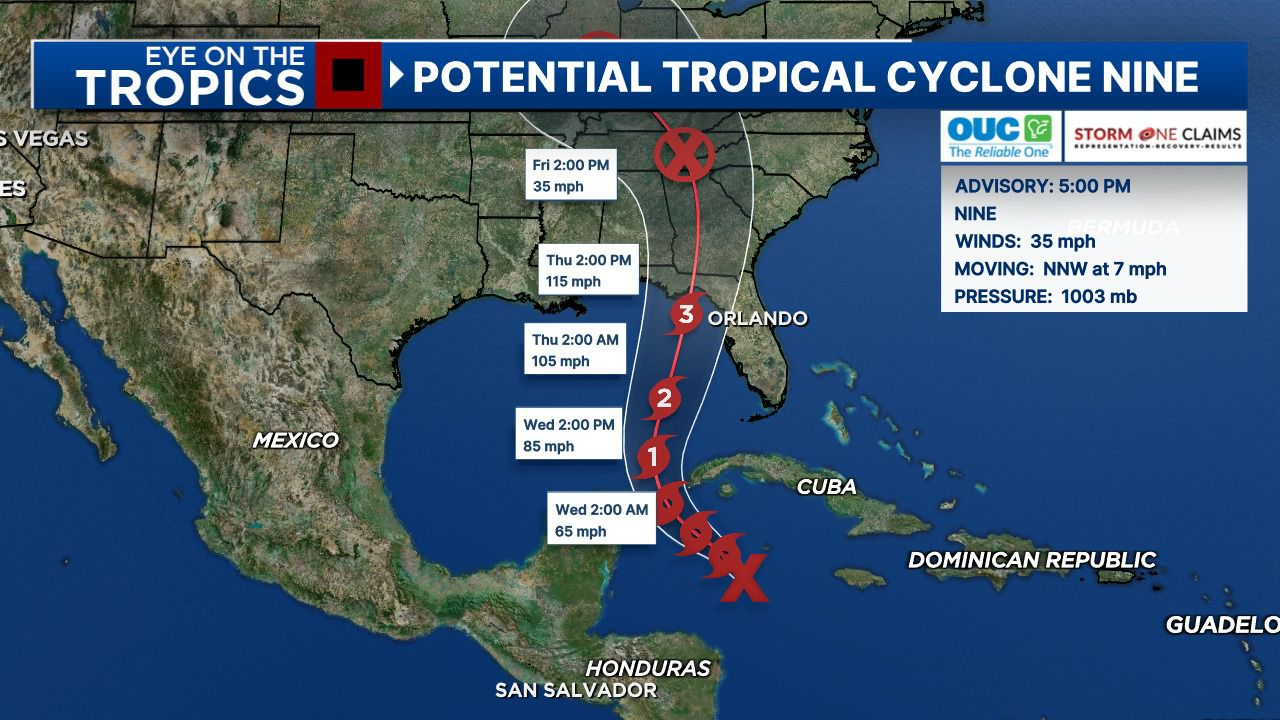
A less common but significant threat to Orlando comes from storms that track up the center of Florida or curve inland from the Gulf Coast. Historically, storms have approached the “Big Bend” area of Florida’s coast, then moved northeast, directly impacting Central Florida with strong winds and torrential rain. These systems, even if not classified as Category 3 or higher at landfall, can still bring devastating conditions to inland cities.
Assessing Hurricane Threats to Orlando
While Orlando may not experience the storm surge associated with coastal areas, its inland position presents a unique set of challenges during hurricane events. The city’s extensive network of lakes, rivers, and drainage systems can become overwhelmed by sustained heavy rainfall, leading to significant flooding.
Wind Damage and Debris
Even if a hurricane’s eye passes hundreds of miles away, Orlando can still be subjected to damaging wind gusts. These winds can uproot trees, bring down power lines, and cause structural damage to buildings. The accumulation of flying debris poses a considerable hazard. Many of Orlando’s iconic theme parks and outdoor attractions are particularly susceptible to wind damage, leading to temporary closures.
Inland Flooding: A Primary Concern
The most significant threat hurricanes pose to an inland city like Orlando is typically inland flooding. The flat terrain and numerous bodies of water mean that once drainage systems are saturated, water has nowhere to go. This can impact residential areas, businesses, and critical infrastructure, including roads and airports. Heavy rainfall can persist for days, exacerbating the flooding situation.
Power Outages and Infrastructure Disruptions
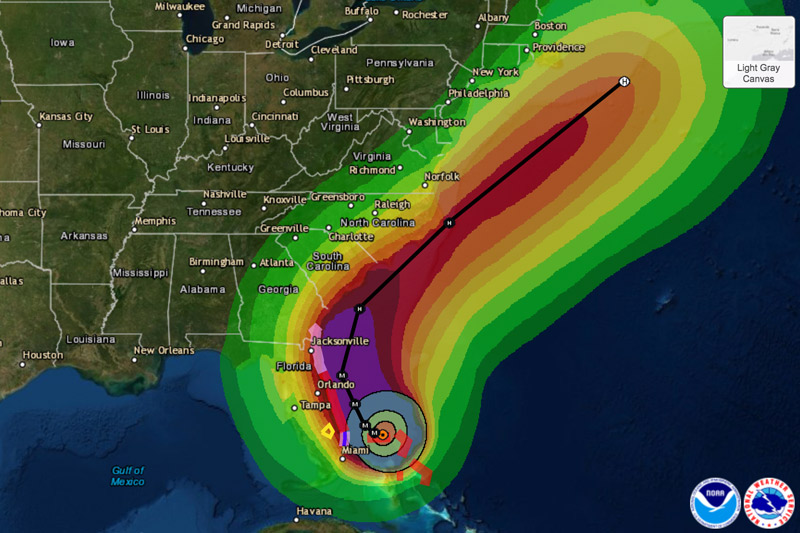
Widespread power outages are a common consequence of hurricanes, regardless of direct landfall. High winds, falling trees, and lightning strikes can damage power lines and substations. For a city that relies heavily on electricity for its theme parks, hotels, and daily life, prolonged outages can have a substantial economic and social impact. Transportation, including roads and the Orlando International Airport, can also be severely disrupted.
Preparing for and Experiencing Hurricane Season in Orlando
For travelers planning a trip to Orlando during hurricane season (June 1 to November 30), proactive preparation is paramount. Understanding the risks and knowing how to respond can ensure a safer and more enjoyable experience, even amidst potential weather disturbances.
Monitoring Weather Forecasts
The National Hurricane Center provides crucial advisories and forecasts for tropical cyclones. Travelers should regularly check updates from reputable sources, especially if planning a visit during peak season. Many hotels and attractions in Orlando also provide real-time weather updates and emergency information to their guests.
Accommodation and Event Planning
When booking accommodations in Orlando, it’s wise to consider properties with robust hurricane preparedness plans. This might include backup power generators, secure building structures, and clear evacuation procedures. For those visiting theme parks such as Walt Disney World Resort or Universal Orlando Resort, checking their official websites for operational status and hurricane policies is essential. Many resorts and parks have “hurricane guarantees” that allow for flexible booking and cancellation policies during severe weather events.
Essential Preparedness Kit
For longer stays or if you are a resident, having a hurricane preparedness kit is vital. This should include essentials like water, non-perishable food, batteries, a flashlight, a first-aid kit, medications, and important documents. Familiarizing yourself with local evacuation routes and emergency shelters is also a crucial step.
Understanding Closures and Cancellations
During significant weather events, theme parks, attractions, and even some hotels may temporarily close for the safety of guests and staff. Airlines may cancel flights, leading to travel disruptions. It is important to have travel insurance that covers weather-related cancellations and to understand the refund and rebooking policies of your chosen airlines and accommodations. Many Orlando hotels, such as the Grand Bohemian Hotel Orlando, have specific protocols in place for guests during hurricanes.
The Resilience of Orlando
Despite the potential threats, Orlando is a city that has weathered numerous storm systems throughout its history. The local government, emergency management agencies, and the tourism industry are well-versed in hurricane preparedness and response. Infrastructure is regularly assessed and improved to withstand the impacts of severe weather.
Economic Impact and Recovery
The economic impact of a hurricane on a city like Orlando, which heavily relies on tourism, can be substantial. Temporary closures of attractions, hotels, and businesses can lead to significant revenue loss. However, the resilience of the tourism sector, combined with effective disaster recovery efforts, typically allows Orlando to bounce back relatively quickly. Post-storm assessments ensure that damaged infrastructure is repaired, and safety measures are enhanced.
Community Preparedness and Cooperation
The spirit of preparedness extends to the local community. Residents and businesses alike are encouraged to have individual and collective plans in place. This community-wide approach, coupled with the coordinated efforts of emergency services, contributes to the overall safety and swift recovery of Orlando after a storm. Even if a hurricane does not make a direct, catastrophic hit, the preparation and response are indicative of a well-organized and resilient city.
In conclusion, while Orlando is not a coastal city and therefore does not face the direct threat of storm surge, it is certainly not immune to hurricane impacts. Heavy rainfall, inland flooding, and strong winds are significant concerns that require careful monitoring and preparation. By staying informed and planning ahead, visitors and residents can navigate hurricane season in Orlando with a greater sense of security and preparedness.
LifeOutOfTheBox is a participant in the Amazon Services LLC Associates Program, an affiliate advertising program designed to provide a means for sites to earn advertising fees by advertising and linking to Amazon.com. Amazon, the Amazon logo, AmazonSupply, and the AmazonSupply logo are trademarks of Amazon.com, Inc. or its affiliates. As an Amazon Associate we earn affiliate commissions from qualifying purchases.