
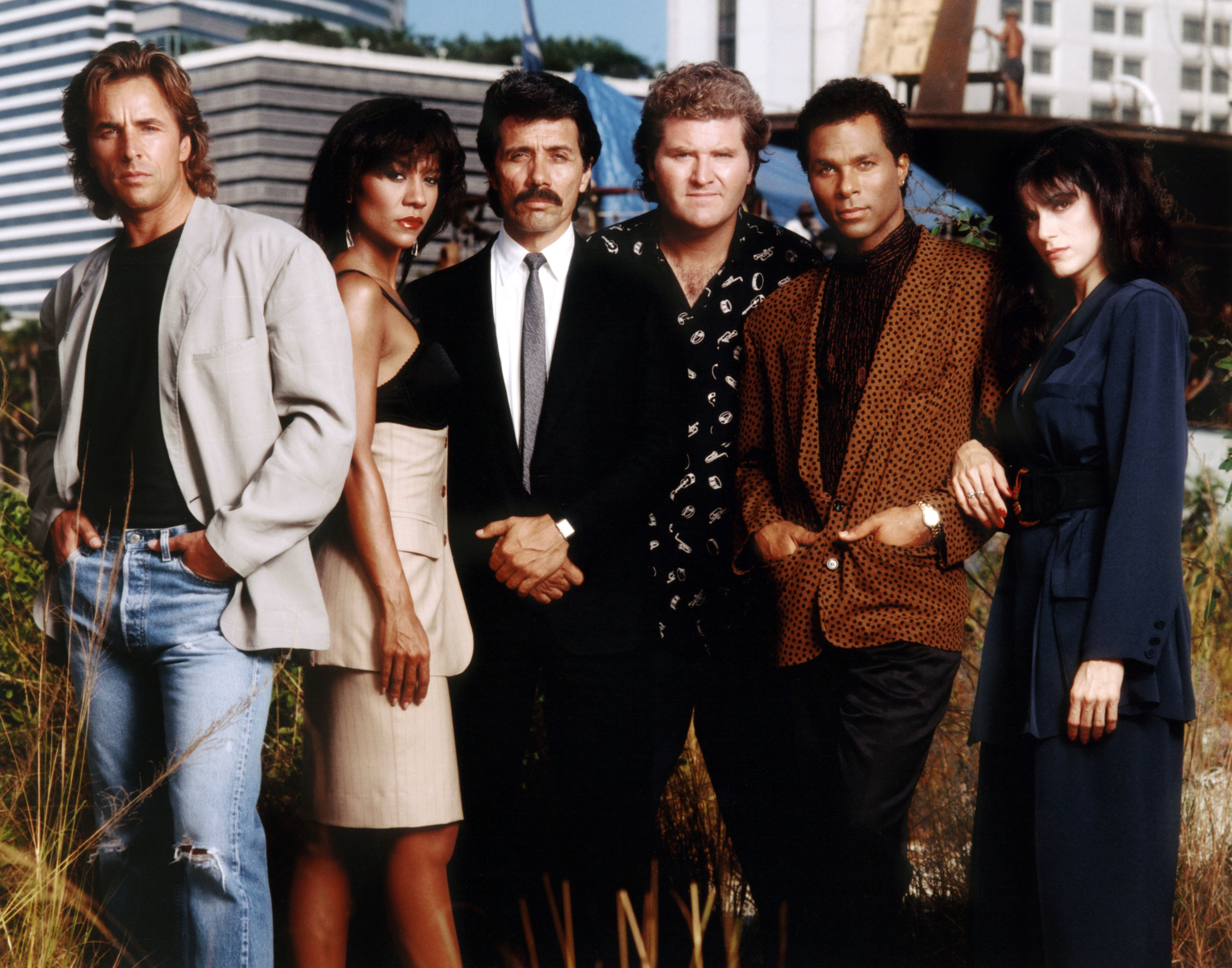
The 1980s were a transformative decade for Miami, and at the very heart of this metamorphosis was a television show that transcended entertainment to become a cultural phenomenon: Miami Vice. For five seasons, from 1984 to 1989, audiences worldwide were captivated by the vibrant, neon-soaked world of detectives Sonny Crockett and Ricardo Tubbs, portrayed by Don Johnson and Philip Michael Thomas. But beyond the pastel suits, fast cars, and pulsating soundtrack, the series indelibly stamped an image of Miami onto the global consciousness, an image that continues to influence the city’s tourism appeal decades later. This article delves into how the show and its iconic cast shaped Miami’s identity as a tourist destination, exploring its lasting impact on local culture, activities, and the very perception of the Magic City.
The Genesis of a Global Phenomenon: How Miami Vice Put Miami on the Map
Before the pastel suits and speedboats became synonymous with its identity, Miami was a city grappling with a less glamorous reputation. The early 1980s saw it struggling with economic decline, drug-related crime, and a somewhat staid image as a retirement haven. The arrival of Miami Vice not only coincided with a pivotal moment in the city’s history but actively contributed to its rebranding.
Miami Before Crockett and Tubbs
In the years preceding Miami Vice, Florida’s southernmost major city was often viewed through a narrow lens. While its beaches were undeniable attractions, the urban core and certain neighborhoods were often highlighted in national news for less desirable reasons. There was a sense of a city teetering on the edge, full of untapped potential but lacking a cohesive, aspirational narrative. Tourists were drawn primarily to the traditional beach resorts, but a broader cultural identity that could attract a diverse, younger demographic was yet to be fully formed. The city needed a catalyst, something to inject life and redefine its image on a grand scale.
The Show’s Cinematic Vision and Its Setting
Enter Miami Vice, conceived by Anthony Yerkovich and executive-produced by Michael Mann. The show was revolutionary, often described as “MTV Cops” due to its groundbreaking use of popular music, stylized visuals, and fashion-forward aesthetics. It wasn’t just a police procedural; it was an immersive experience that transformed its setting into a character itself. Every frame was meticulously crafted, turning Miami’s distinct architecture, tropical climate, and vibrant street life into a mesmerizing backdrop. The series consciously moved away from typical studio sets, opting instead to film extensively on location across Miami, including the then-dilapidated but architecturally rich South Beach, the bustling downtown, and the picturesque waterways. This decision to integrate the city so deeply into the narrative meant that viewers weren’t just watching a story unfold; they were experiencing Miami itself, albeit a highly stylized version.
Art Deco Revival and South Beach Renaissance
Perhaps one of the most significant and immediate impacts of Miami Vice on Miami tourism was its role in the revitalization of the Art Deco Historic District in South Beach. Before the show, many of these pastel-hued architectural gems were crumbling, slated for demolition or renovation that would strip them of their unique character. Miami Vice showcased these buildings in all their vibrant glory, particularly along Ocean Drive, making them instantly recognizable symbols of the city. The show’s aesthetic brought a newfound appreciation for this architectural style, attracting preservationists, investors, and, crucially, tourists who wanted to experience the “Vice” vibe firsthand. The once-overlooked area became a hub of boutique hotels, trendy restaurants, and bustling nightlife, directly benefiting from the global spotlight Miami Vice shone upon it. This transformation laid the groundwork for South Beach to become the iconic tourist destination it is today.
Beyond the Badges: The Cast’s Real-Life Immersion in Miami’s Culture
While the characters of Crockett and Tubbs were fictional, the actors who brought them to life, Don Johnson and Philip Michael Thomas, became real-life ambassadors for Miami. Their presence in the city for extended periods during filming, and their embrace of the local lifestyle, further cemented the show’s authenticity and appeal.
Don Johnson and Philip Michael Thomas: Ambassadors of a New Miami
Don Johnson and Philip Michael Thomas were more than just actors; they were figures who embodied the stylish, cool, and somewhat mysterious allure that Miami Vice projected. Their faces became synonymous with Miami itself. As the show’s popularity soared, so did their celebrity, and by extension, the city’s. They were seen living, working, and enjoying Miami’s offerings, lending a tangible, human face to the glamorous world depicted on screen. This created a powerful psychological connection for viewers; if Johnson and Thomas were enjoying Miami, then surely others would too. Their celebrity amplified the city’s burgeoning image as a place of excitement, fashion, and sophisticated cool.
Off-Screen Life and Local Hotspots
The cast and crew of Miami Vice immersed themselves deeply in the local scene. Many lived in Miami during production, frequenting local restaurants, bars, and cultural establishments. This off-screen presence contributed to a sense of local pride and generated buzz, with residents often spotting the stars around town. Places like Joe’s Stone Crab, a classic South Beach institution, or emerging spots in Coconut Grove, saw increased patronage and media attention simply by association. The actors’ visible enjoyment of Miami’s nightlife, cuisine, and unique atmosphere provided authentic endorsements that no marketing campaign could replicate. This organic integration of the cast into the city’s fabric further blurred the lines between the fictionalized glamour of the show and the real-life appeal of Miami, making it an even more enticing destination for tourists.
The Unintended Role as Cultural Influencers

Beyond their acting roles, Don Johnson and Philip Michael Thomas became unwitting cultural influencers for Miami. Their fashion choices on screen (pastel suits, no socks, Ray-Bans) set trends, but their off-screen personas also projected a certain sophisticated yet relaxed attitude. They embodied a new kind of urban cool, one intrinsically linked to the tropical backdrop of Miami. This influence extended beyond fashion to general lifestyle aspirations. People wanted to visit Miami not just to see the locations, but to feel the vibe that the cast so effortlessly exuded. They were, in essence, the human embodiment of Miami’s newfound allure, making the city desirable for those seeking a blend of urban excitement and tropical escapism.
The Miami Vice Effect: Shaping Miami’s Tourist Identity
The influence of Miami Vice was far-reaching, transforming how the world perceived Miami and shaping its emerging tourist identity into one synonymous with excitement, style, and cultural vibrancy.
From Gritty Backdrop to Glamorous Destination
Prior to Miami Vice, Miami was often portrayed with a grittier edge, especially in media depictions of its drug trade and crime. While the show certainly tackled these themes, it did so through a lens of high-octane action and striking visuals that imbued even the darkest corners of the city with a sense of cinematic allure. The show managed to balance the reality of its narrative with an aspirational aesthetic. It showcased the city’s beautiful beaches, sparkling waters, distinct architecture, and diverse cultural melting pot, turning what might have been perceived as a dangerous setting into an exhilarating and glamorous destination. Tourists weren’t deterred by the “vice” in the title; instead, they were drawn to the excitement and the promise of an exotic, sophisticated experience.
Fashion, Music, and the Tourist Experience
The “Miami Vice Look” became a global phenomenon, influencing fashion, music, and interior design. The show’s iconic pastel suits, linen shirts, T-shirts worn under expensive blazers, and luxury accessories defined a generation’s style. This aesthetic became an intrinsic part of the tourist experience in Miami. Visitors would come eager to embrace the fashion, frequent establishments that echoed the show’s sleek design, and seek out music that captured its electronic, New Wave spirit. The soundtrack, featuring artists like Jan Hammer, Glenn Frey, and Phil Collins, created an auditory landscape that was as recognizable as Miami’s skyline, further embedding the city’s identity with a cool, contemporary vibe. This fusion of sights and sounds contributed to an immersive “Miami Vice” experience that tourists actively sought out.
The Rise of Miami as a Pop Culture Icon
Miami Vice solidified Miami’s status as a bona fide pop culture icon. It was more than just a setting; it became a brand. The show’s popularity on NBC, produced by Universal Television, created a powerful synergy where the city and the series were inextricably linked. Its influence extended to film, music videos, and other television shows, all attempting to capture a fraction of the “Miami Vice” magic. This constant reinforcement in popular media meant that even those who hadn’t watched the show directly had a vivid mental image of Miami as a vibrant, stylish, and exciting place. The city transcended its geographical boundaries to become a global symbol of cool, attracting not just conventional tourists but also those drawn by its cultural cachet and association with a definitive era of television.
Legacy and Lure: Miami Vice’s Enduring Appeal to Modern Tourists
Decades after its final episode aired, the legacy of Miami Vice continues to ripple through Miami’s tourism industry. For many, the show remains the definitive visual representation of the city, fueling a nostalgic interest that drives visitors to explore its iconic landmarks and experiences.
Vice-Inspired Tours and Experiences
The enduring fascination with Miami Vice has given rise to a niche but popular segment of Miami tourism: Vice-inspired tours. Whether it’s boat tours cruising the Biscayne Bay waterways where Crockett’s Wellcraft Scarab 38 KV once roared, or guided walks through the Art Deco District pointing out filming locations, these experiences cater directly to fans and those curious about the show’s impact. Tourists can visit spots like the Versace Mansion on Ocean Drive (which saw occasional filming), or enjoy cocktails at historical hotels like the Fontainebleau Miami Beach, imagining the scenes that might have unfolded there. These tours offer a tangible connection to the fictional world, allowing visitors to step back in time and experience a piece of television history.
The Continual Draw of Art Deco and Ocean Drive
The Art Deco architecture of South Beach and the bustling energy of Ocean Drive remain primary draws for millions of tourists annually. While these areas have evolved considerably since the 80s, their fundamental appeal was cemented by Miami Vice. The show made these locations famous, transforming them from local gems into global landmarks. Today, the vibrant facades, neon lights, and al fresco dining along Ocean Drive are instantly recognizable to anyone, regardless of whether they’ve seen an episode of the show. This iconic imagery, largely popularized by Miami Vice, continues to define a quintessential Miami experience, drawing in new generations of visitors seeking that unique blend of history, culture, and undeniable cool.

How the Show’s Aesthetic Still Defines Miami Vibes
The “Miami Vice” aesthetic, characterized by its vibrant colors, sleek design, and fusion of tropical and urban elements, has become an intrinsic part of Miami’s brand identity. From the design of modern hotels and restaurants to the local fashion scene and cultural events, echoes of the show’s stylish vision are still evident. The city embraces its image as a place of glamorous nightlife, diverse cultures (from Little Havana to Wynwood), and perpetual sunshine. Miami Vice provided the blueprint for this perception, creating a “vibe” that is aspirational, exciting, and distinctly Miami. The cast, through their iconic portrayals and their real-life immersion in the city, played an undeniable role in defining this enduring appeal, ensuring that for many, Miami will forever be the glittering, fast-paced, and utterly irresistible city of Vice.
LifeOutOfTheBox is a participant in the Amazon Services LLC Associates Program, an affiliate advertising program designed to provide a means for sites to earn advertising fees by advertising and linking to Amazon.com. Amazon, the Amazon logo, AmazonSupply, and the AmazonSupply logo are trademarks of Amazon.com, Inc. or its affiliates. As an Amazon Associate we earn affiliate commissions from qualifying purchases.