
Becoming a real estate agent in California offers an exciting and dynamic career path, deeply intertwined with the fundamental human need for accommodation. Far more than just facilitating transactions, real estate professionals in the Golden State play a pivotal role in helping individuals and families find their ideal homes, investment properties, or long-term living solutions. This guide delves into the process of becoming a licensed agent in California, highlighting the specific requirements, educational pathways, and the unique opportunities available within its diverse and ever-evolving accommodation market. From bustling urban centers like Los Angeles and San Francisco to serene coastal towns and expansive agricultural regions, the demand for knowledgeable and ethical real estate expertise remains consistently high, offering a rewarding journey for those prepared to embark on it.
Understanding the Role of a Real Estate Agent in Accommodation
The primary function of a real estate agent is to act as an intermediary between buyers and sellers, or landlords and tenants, for various types of accommodation. This encompasses everything from single-family homes and condominiums to multi-unit apartment buildings and vacation rentals. Agents provide expert guidance, market insights, and negotiation skills to ensure smooth and legally compliant transactions. In California, a state renowned for its diverse housing landscape and significant population growth, understanding this role is paramount.
Diverse Accommodation Types
Real estate agents in California work with a wide spectrum of accommodation types, each presenting unique challenges and opportunities. Residential properties are perhaps the most common, involving the buying and selling of homes where people live. This can include detached houses, townhouses, duplexes, and apartment units. Agents assist clients in navigating the complexities of financing, property inspections, and legal disclosures specific to residential living arrangements. Beyond typical homes, agents might also deal with luxury estates, catering to high-net-worth individuals seeking premium living spaces in exclusive communities.
Another significant area is rental accommodation. Many agents specialize in helping clients find long-term rental properties, managing leases, and connecting landlords with suitable tenants. This segment is crucial in a state like California where high housing costs often push people towards renting. Furthermore, some agents may venture into vacation rental properties, assisting owners in managing and marketing short-term stays, particularly in popular tourist destinations such as San Diego or areas around Lake Tahoe. This diversity means an agent can carve out a niche that aligns with their interests and market demands.
Market Dynamics and Client Needs
California’s accommodation market is influenced by a myriad of factors, including population shifts, economic health, interest rates, and regulatory changes. A successful real estate agent must possess a keen understanding of these dynamics. For instance, in a seller’s market, agents must skillfully manage multiple offers and competitive bidding situations to secure the best outcome for their clients. Conversely, in a buyer’s market, agents focus on helping clients identify undervalued properties and negotiate favorable terms.
Client needs vary dramatically. A first-time homebuyer might require extensive education on the home-buying process, while an experienced investor will prioritize cap rates and return on investment. An agent’s ability to listen, empathize, and tailor their services to meet these diverse needs is crucial. This often involves detailed market analysis, property valuation, effective marketing strategies, and robust negotiation tactics. Ultimately, the role extends beyond transactions; it’s about building relationships and guiding clients through one of the most significant decisions of their lives: securing their ideal accommodation.
The Essential Steps to Licensure in California
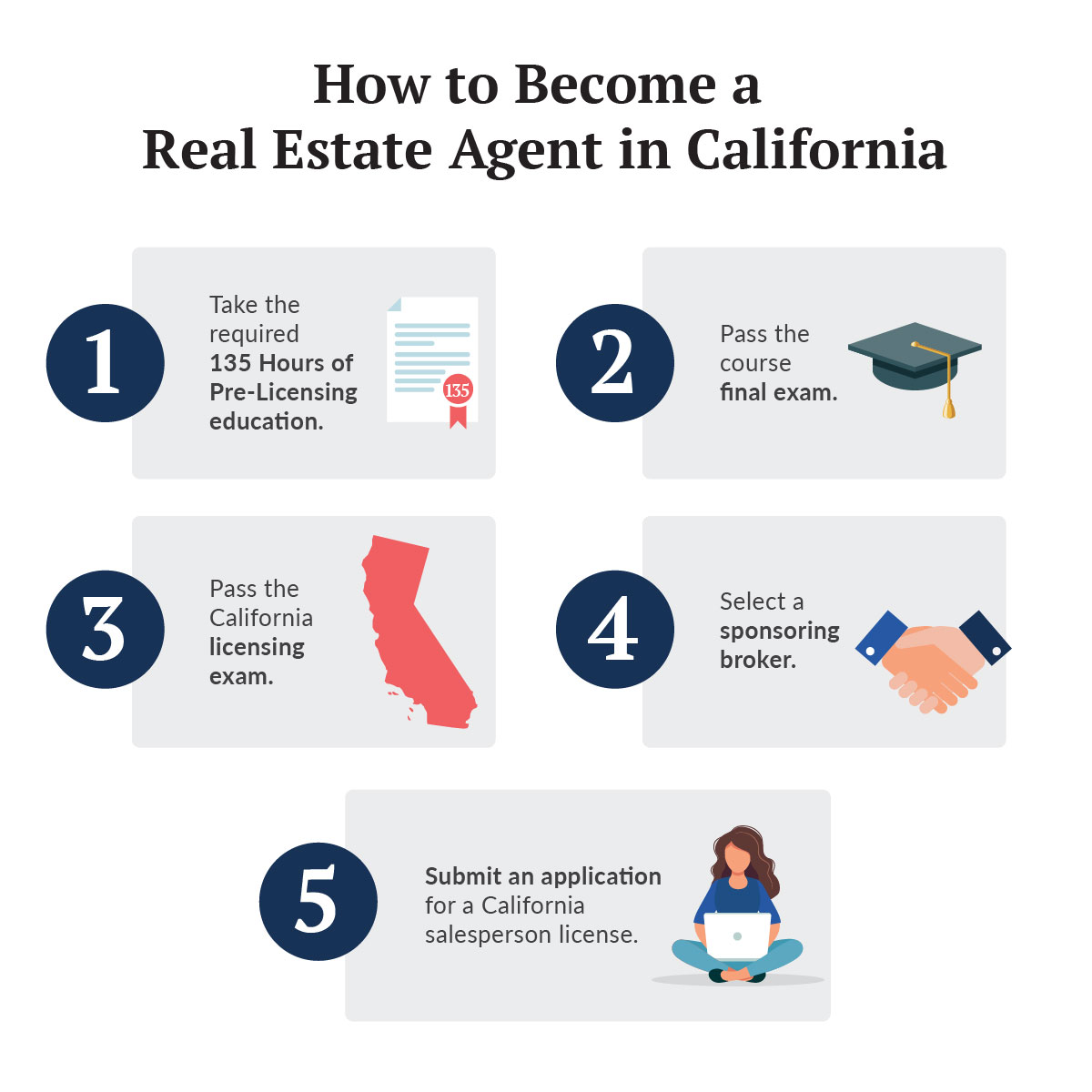
Embarking on a career as a real estate agent in California requires adherence to specific legal and educational requirements set forth by the state. The California Department of Real Estate (DRE) oversees all licensing processes, ensuring that professionals meet stringent standards to protect consumers in accommodation transactions. Navigating these steps methodically is key to obtaining your license.
Meeting Eligibility Requirements
Before delving into coursework, aspiring agents must meet fundamental eligibility criteria. First, applicants must be at least 18 years old. While not explicitly requiring a college degree, a high school diploma or its equivalent is generally expected, and higher education can certainly provide a competitive edge. Crucially, applicants must demonstrate honesty and integrity. The DRE conducts background checks, and any past criminal convictions could potentially jeopardize an application. It’s advisable for individuals with a criminal record to seek guidance from the DRE regarding their eligibility before investing time and money into the process. This emphasis on character ensures that those entrusted with facilitating significant accommodation decisions are trustworthy and uphold professional ethics.
Education and Examination Process
The core of becoming a licensed real estate agent in California lies in completing the mandated pre-licensing education and passing the state examination. Applicants are required to complete three 45-hour college-level courses: Real Estate Principles, Real Estate Practice, and one additional elective course from a specified list (e.g., Real Estate Appraisal, Real Estate Finance, Property Management). These courses can be taken through approved community colleges or private real estate schools, many of which offer online learning options, providing flexibility for different schedules. The curriculum is designed to equip prospective agents with a comprehensive understanding of real estate law, ethics, contracts, finance, and property management – all critical for advising clients on accommodation matters.
Upon successful completion of the required courses, candidates must apply to the DRE to take the state real estate salesperson examination. This rigorous 150-question multiple-choice exam covers a broad range of topics taught in the pre-licensing courses. A passing score of 70% or higher is required. The exam is administered at various testing centers across California, including locations in major cities like Sacramento and Fresno. Thorough preparation, often including practice tests and study groups, is highly recommended to ensure success on this challenging assessment.

Application and Fingerprinting
Once the state examination is passed, the final step involves submitting a complete license application to the DRE. This application includes proof of course completion, passing exam results, and fingerprints for a background check. All applicants must undergo a Live Scan fingerprinting process, which the DRE uses to obtain criminal history information from the California Department of Justice and the Federal Bureau of Investigation. This comprehensive background check is a critical safeguard to maintain the integrity of the real estate profession and protect consumers seeking accommodation. Upon successful completion of all requirements and approval, the DRE will issue a real estate salesperson license, officially allowing you to practice in California.
Building a Successful Career in California’s Accommodation Market
Obtaining your license is merely the first step; true success in California’s competitive accommodation market hinges on continuous learning, strategic networking, and ethical practice. The journey from a newly licensed agent to a respected professional requires dedication and a proactive approach to career development.
Gaining Practical Experience
Upon licensure, new agents must affiliate with a licensed real estate broker. This is a mandatory requirement in California, as salespersons cannot operate independently. Choosing the right brokerage is crucial; look for one that offers robust training programs, mentorship opportunities, and a supportive environment. Many successful agents begin by shadowing experienced professionals, learning the nuances of client consultations, property showings, contract preparation, and negotiation firsthand. This initial period of apprenticeship is invaluable for translating theoretical knowledge into practical skills, particularly in understanding the local accommodation market, which can vary significantly even within neighboring cities. Actively participating in open houses, attending team meetings, and taking on administrative tasks can provide a strong foundation.
Networking and Specialization
In the real estate world, your network is your net worth. Building relationships with other agents, lenders, inspectors, appraisers, and contractors is vital for referrals and accessing industry insights. Joining local real estate associations, such as the California Association of Realtors (CAR) and your local board, provides access to educational resources, networking events, and important legislative updates. As you gain experience, consider specializing in a particular niche within the accommodation market. This could be luxury homes, first-time homebuyers, investment properties, condominiums, or even specific geographic areas like Orange County or Silicon Valley. Specialization allows you to become an expert in a specific segment, attracting a targeted client base and enhancing your reputation.
Navigating the Legal and Ethical Landscape
The real estate profession operates under a strict code of ethics and extensive legal regulations, especially concerning accommodation transactions. Agents have a fiduciary duty to their clients, meaning they must act in their clients’ best interests with utmost loyalty and confidentiality. Understanding and adhering to state and federal laws related to fair housing, disclosures, contracts, and advertising is non-negotiable. Continuous education, mandatory for license renewal every four years, helps agents stay updated on legal changes and evolving best practices. Maintaining a high ethical standard not only protects clients but also builds a strong reputation, which is paramount for long-term success and trust in the accommodation industry.
Long-Term Growth and Specializations in Accommodation
The real estate landscape in California is dynamic, offering numerous avenues for long-term growth and specialization. As an agent gains experience, they can explore various niches that align with their interests and the evolving market needs for accommodation.
Residential vs. Commercial Properties
Many agents begin their careers in residential real estate, helping individuals buy and sell homes. However, there’s a significant opportunity to specialize in commercial properties, which include office buildings, retail spaces, industrial warehouses, and multi-family apartment complexes. While both involve facilitating property transactions, commercial real estate often deals with larger financial stakes, more complex contracts, and sophisticated investors. Agents specializing in commercial accommodation must understand different valuation methods, zoning laws, and economic indicators that impact businesses rather than individual homeowners. This shift can offer a different set of challenges and potentially higher earning potential, requiring additional education and a distinct network.
Property Management and Investment
Another compelling specialization within the accommodation sector is property management. Property managers handle the day-to-day operations of rental properties, from tenant screening and lease agreements to maintenance and rent collection. For investors who own multiple residential or commercial accommodation units, a skilled property manager is invaluable. Agents can leverage their real estate license to provide these services, creating a steady stream of income and building long-term relationships with property owners. Furthermore, some agents choose to become real estate investors themselves, acquiring properties for rental income or capital appreciation. Understanding market cycles, financing options, and renovation potential are key skills in this area, allowing agents to directly participate in the very market they advise clients on.

The Impact of Technology and Market Trends
The real estate industry is continually shaped by technological advancements and shifting market trends. Agents who embrace technology, such as virtual tours, drone photography, sophisticated CRM systems, and AI-powered market analysis tools, gain a significant advantage. The rise of data analytics provides deeper insights into property values and buyer behavior, helping agents provide more precise advice on accommodation choices. Furthermore, staying abreast of demographic shifts, sustainability trends, and the demand for different types of accommodation (e.g., eco-friendly homes, smart homes, co-living spaces) is crucial. Agents who proactively adapt to these changes and integrate new technologies into their practice will remain competitive and relevant in California’s vibrant and ever-evolving accommodation market. This continuous evolution ensures that a career in real estate remains stimulating and full of opportunities for growth.
LifeOutOfTheBox is a participant in the Amazon Services LLC Associates Program, an affiliate advertising program designed to provide a means for sites to earn advertising fees by advertising and linking to Amazon.com. Amazon, the Amazon logo, AmazonSupply, and the AmazonSupply logo are trademarks of Amazon.com, Inc. or its affiliates. As an Amazon Associate we earn affiliate commissions from qualifying purchases.