
The question “Do apples grow in Florida?” is more common than one might expect, often sparking curiosity among visitors and new residents alike. Known globally as the Sunshine State, Florida conjures images of pristine beaches, vibrant theme parks, and lush tropical landscapes. However, when it comes to agriculture, particularly fruit cultivation, Florida’s identity is firmly rooted in its citrus groves and a cornucopia of exotic produce. This query delves into a fascinating aspect of local culture and food production, highlighting the intricate relationship between climate, agriculture, and the unique culinary experiences available to tourists exploring this diverse state. Understanding what thrives naturally in Florida offers deeper insight into its local food scene, guiding visitors beyond the obvious attractions to savor its authentic flavors.
Florida’s Unique Climate: A Tropical Paradise, Not an Apple Orchard
Florida’s defining characteristic is its subtropical to tropical climate, which is magnificent for tourism, but presents significant challenges for crops accustomed to temperate zones. This climate dictates much of what the state can and cannot agriculturally produce on a commercial scale, directly influencing the local food experiences available to curious travelers.
Understanding Apple Cultivation Requirements
Apples, primarily temperate zone fruits, require a specific set of climatic conditions to flourish and produce fruit effectively. The most critical factor is “chilling hours”—the cumulative number of hours below 45°F (7°C) during the dormant winter period. This cold exposure is essential for the trees to break dormancy, set buds, and initiate flowering in the spring. Different apple varieties have varying chilling hour requirements, ranging from a few hundred to well over a thousand hours.
Beyond chilling hours, apples also prefer well-drained loamy soils and moderate humidity. Prolonged periods of high humidity and heat, coupled with mild winters, create an environment ripe for fungal diseases and pest proliferation that apple trees are not well-equipped to handle naturally. Furthermore, the intense, year-round sunshine of Florida can sometimes be too much for certain apple varieties, leading to sunburned fruit or stressed trees. The lack of distinct seasonal changes, particularly the absence of a harsh winter freeze in most parts of the state, fundamentally contradicts the apple tree’s natural growth cycle. This climatic reality is why traditional apple orchards, sprawling across landscapes in states like Washington, New York, or Michigan, are conspicuously absent from the Florida panorama.
The Sunshine State’s Agricultural Specialization
Instead of apples, Florida’s climate is a boon for a dazzling array of warm-weather crops, shaping its agricultural identity and local cuisine. The state is world-renowned for its citrus industry, producing vast quantities of oranges, grapefruits, tangerines, and limes. These fruits thrive in the sunny, frost-free (or minimally frosty) environment, becoming synonymous with the Florida experience, from fresh-squeezed juice at breakfast to innovative culinary uses in local restaurants.
Beyond citrus, Florida boasts a diverse portfolio of tropical and subtropical fruits. Mangoes, avocados, lychees, longans, star fruit, and dragon fruit are increasingly popular, cultivated in the warmer southern regions of the state, particularly around Miami and the Florida Keys. These exotic fruits offer tourists a taste of the tropics without leaving the continental United States. Furthermore, the state is a significant producer of fresh vegetables, including tomatoes, bell peppers, cucumbers, and sweet corn, especially during the winter months when other parts of the country are covered in snow. This specialization ensures a vibrant local food scene, replete with fresh produce that defines Florida’s culinary identity, offering unique gastronomic adventures for visitors.
The Quest for Apples in the Sunshine State: Are There Exceptions?
While Florida isn’t an apple-growing state in the traditional sense, the human desire to cultivate what seems impossible has led to interesting developments. For those with a keen interest in local agriculture, understanding these nuances adds another layer to Florida’s tourism appeal.
Low-Chill Apple Varieties: A Glimmer of Hope?
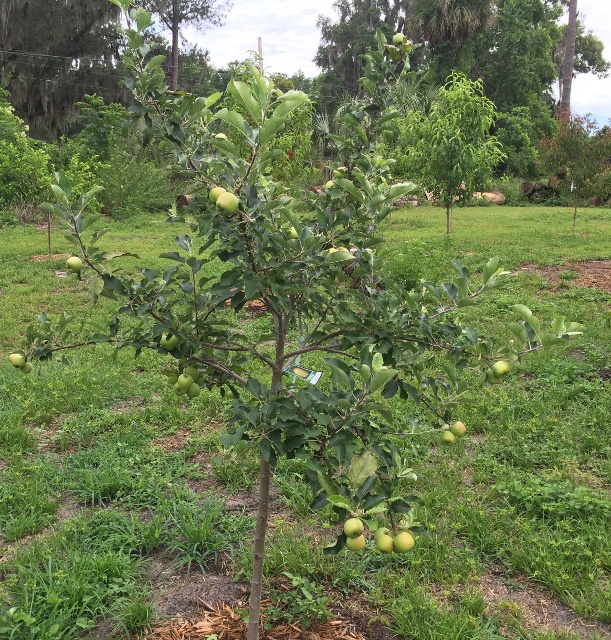
In the ongoing pursuit of agricultural diversity, plant breeders have developed “low-chill” apple varieties specifically adapted to regions with milder winters. These varieties require significantly fewer chilling hours, making them theoretically viable in the northern and central parts of Florida where winter temperatures can occasionally drop low enough.
The most notable low-chill apple varieties sometimes found in Florida are ‘Anna’ and ‘Dorsett Golden’. ‘Anna’, an Israeli hybrid, is particularly popular among backyard growers due to its low chilling requirement (around 200-300 hours) and ability to produce palatable fruit. ‘Dorsett Golden’, originating from the Bahamas, is another contender, often used as a pollinator for ‘Anna’. While these varieties can indeed bear fruit in Florida, their yield, size, and flavor profile may differ from their temperate-zone counterparts. The fruit might be smaller, slightly softer, and have a less intense flavor due to the high heat and humidity. These apples are more of a novelty or a personal gardening achievement rather than a commercially viable crop.
Backyard Growers vs. Commercial Production
The distinction between hobbyist gardening and large-scale commercial agriculture is crucial when discussing apples in Florida. For a commercial apple operation to be profitable, it requires consistent high yields of marketable quality fruit, efficient harvesting, and minimal disease pressure. Florida’s climate, even with low-chill varieties, presents too many obstacles for this to be feasible. The high humidity promotes fungal diseases like scab and powdery mildew, while warm temperatures allow pests to thrive year-round, necessitating intensive management that would make commercial production cost-prohibitive.
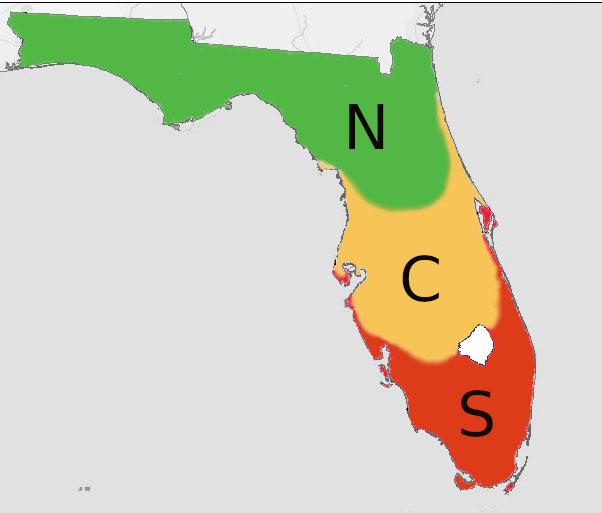
Consequently, any apples grown in Florida are almost exclusively found in home gardens or small, experimental plots. Tourists visiting agricultural regions or farmers’ markets are highly unlikely to encounter commercially grown Florida apples. This reality reinforces the idea that while Florida is incredibly fertile, its agricultural strengths lie firmly in crops that naturally align with its unique climate, offering a distinct and authentic “taste of Florida” that is far removed from the apple orchards of colder climes.
Beyond Apples: Florida’s Rich Agricultural Tapestry for Tourists
Understanding that apples are a rarity in Florida redirects the discerning tourist towards the state’s true agricultural treasures. This shift in perspective unveils a vibrant world of local culture, food, and activities centered around what does thrive in the Sunshine State. Embracing this unique agricultural identity enriches the travel experience, moving beyond conventional attractions to discover the authentic pulse of Florida.
Experiencing Florida’s Fruit Stands and Farms
For tourists eager to connect with Florida’s local food scene, a visit to a fruit stand or farm is an essential experience. Throughout central and south Florida, particularly along scenic routes, roadside stands burst with seasonal produce. During citrus season (roughly October to June), these stands are awash with an incredible variety of fresh oranges, grapefruits, tangerines, and specialties like honeybells. Many offer fresh-squeezed juice, a quintessential Florida treat that is unparalleled in its vibrancy and sweetness.
Beyond citrus, dedicated tropical fruit farms, especially in regions like Homestead near Miami or around Key West, offer U-pick experiences for fruits like mangoes, lychees, and various types of sapote when in season. These farms often provide educational tours, allowing visitors to learn about cultivation practices and sample rare or unusual tropical fruits. Farmers’ markets, prevalent in cities like Orlando, St. Petersburg, and Sarasota, serve as vibrant hubs where local growers sell everything from hydroponic lettuce to artisanal jellies made from local fruits. These markets are not just places to buy food; they are cultural gathering spots, offering a glimpse into community life and the passion of Florida’s agricultural entrepreneurs.
Culinary Adventures: Embracing Local Produce
Florida’s culinary landscape is profoundly shaped by its native and adapted produce. Tourists are encouraged to seek out restaurants and eateries that champion farm-to-table practices, incorporating fresh Florida ingredients into their menus. This means enjoying dishes featuring locally caught seafood paired with tangy mango salsa, vibrant salads with Florida tomatoes and avocados, or desserts infused with key lime (a Florida staple, especially in the Florida Keys).
Food festivals, a popular attraction in Florida, often celebrate these local harvests. Events like the Florida Seafood Festival, the Naples Stone Crab Festival, or various citrus festivals throughout the state, provide an immersive way to experience Florida’s culinary heritage. These events not only offer delicious food but also often feature live music, local crafts, and educational exhibits, making them perfect for families and food enthusiasts alike. Embracing the local produce is not just about eating; it’s about participating in the local culture, supporting local farmers, and discovering the unique flavors that define the Sunshine State’s gastronomic identity.
Florida Tourism: From Beaches to Bountiful Harvests
The allure of Florida often begins with its world-class beaches, theme parks like Walt Disney World and Universal Studios, and iconic natural wonders such as Everglades National Park. However, a truly enriching tourist experience in the Sunshine State extends beyond these well-trodden paths, inviting visitors to explore its lesser-known, yet equally captivating, agricultural and culinary landscapes.
Florida Beyond the Theme Parks
For many, a trip to Florida is synonymous with thrilling rides and character meet-and-greets in Orlando. While these experiences are undoubtedly magical, limiting one’s exploration to such popular attractions means missing out on the authentic character of the state. Florida offers a rich tapestry of cultural and natural experiences, and its agricultural heritage is a significant thread in this fabric.
Diverging from the theme park queues to wander through a sprawling citrus grove or a vibrant farmers’ market provides a refreshing change of pace and a deeper connection to the land and its people. This form of tourism—often termed agritourism—allows visitors to pick their own produce, taste freshly made preserves, or simply enjoy the tranquility of a farm setting. It’s an opportunity to see the working side of Florida, understanding how the state feeds itself and contributes to the national food supply. Such activities not only educate but also offer a unique, hands-on experience that creates lasting memories, providing a different, yet equally compelling, narrative of the Sunshine State.
Planning Your Gastronomic Florida Journey
For those keen to incorporate a gastronomic journey into their Florida itinerary, planning is key. Researching seasonal availability of fruits and vegetables is crucial. Citrus is abundant in winter, while mangoes and lychees peak in summer. Consult local tourism boards or agricultural extension offices for guides to U-pick farms, farmers’ markets, and food festivals specific to your travel dates and region.
Consider visiting specific regions known for their agricultural output. The “Heartland of Florida” boasts extensive citrus groves, while the fertile plains south of Lake Okeechobee are a hub for vegetable production. For tropical fruits, the Miami-Dade County area, particularly Homestead and Redland, is unparalleled. Many tour operators now offer specialized culinary tours that explore these agricultural facets, providing curated experiences from farm visits to cooking classes featuring local ingredients. By actively seeking out these opportunities, tourists can move beyond the “do apples grow here?” question to fully appreciate the diverse and delicious answer that Florida’s unique climate so generously provides.
In conclusion, while apples may not typically flourish in the Sunshine State in a commercial sense, the question itself opens a gateway to exploring Florida’s rich and distinctive agricultural identity. Far from being a barren land for fruit, Florida offers a tropical bounty that is a delight for the senses and a cornerstone of its local culture and tourism. By embracing its unique climate and the produce it yields, visitors can discover a vibrant culinary landscape that is as captivating as its world-famous beaches and attractions.
LifeOutOfTheBox is a participant in the Amazon Services LLC Associates Program, an affiliate advertising program designed to provide a means for sites to earn advertising fees by advertising and linking to Amazon.com. Amazon, the Amazon logo, AmazonSupply, and the AmazonSupply logo are trademarks of Amazon.com, Inc. or its affiliates. As an Amazon Associate we earn affiliate commissions from qualifying purchases.