
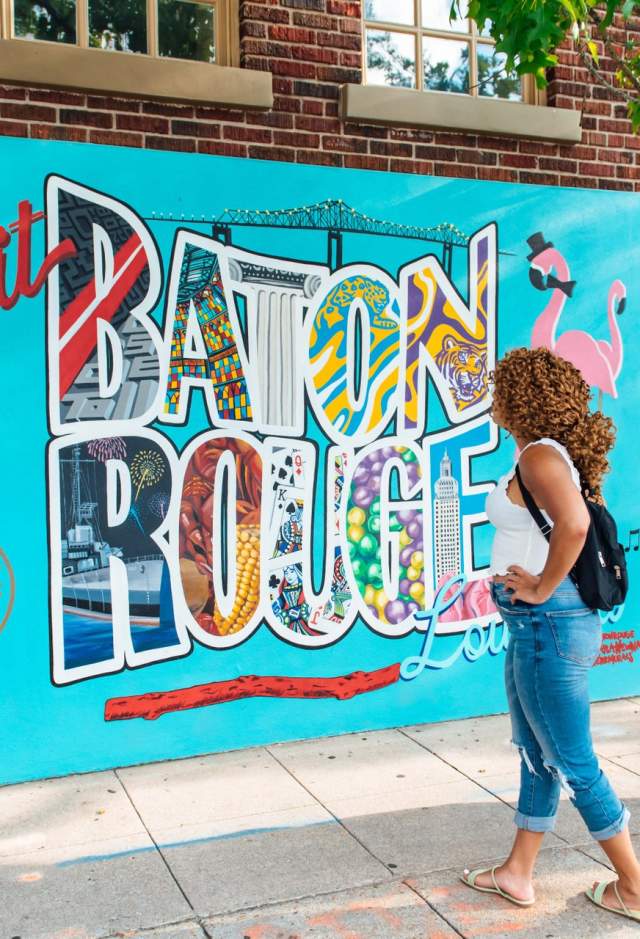
Baton Rouge, the vibrant capital of Louisiana, is a city where the echoes of history harmonize with the rhythms of modern Southern life. Perched on the banks of the Mississippi River, this “Red Stick” city (a translation of the French name “Bâton Rouge”) offers a unique blend of French, Spanish, and African influences. While many travelers head straight to New Orleans, those who stop in the capital are rewarded with a rich tapestry of political history, soul-stirring cuisine, and a deep-seated collegiate spirit that permeates every corner of the city. Whether you are a history buff, a foodie, or a nature lover, Baton Rouge provides a diverse array of activities that reflect the true heart of the Deep South.
Exploring the Political Heart and Historical Landmarks
As the seat of government for Louisiana, the city is home to some of the most impressive architectural feats in the United States. The political history here is not just about policy; it is about the colorful personalities and dramatic events that shaped the region.
The Architectural Marvel of the Old State Capitol
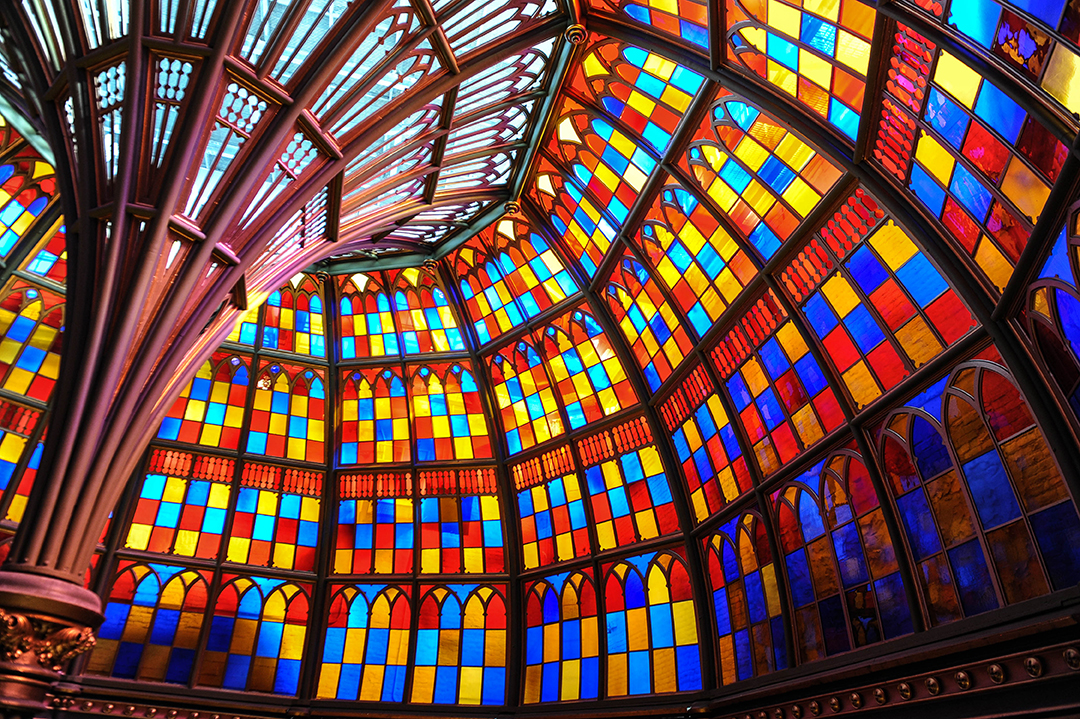
One of the first places any visitor should explore is the Old State Capitol. Often referred to as the “Castle on the River,” this Gothic Revival masterpiece stands as a testament to the city’s 19th-century grandeur. Unlike most state houses that follow a traditional dome structure, this building features crenelated towers and a stunning stained-glass dome that bathes the interior in a kaleidoscope of colors. Now serving as a Museum of Political History, it offers interactive exhibits that detail the rise and fall of political figures like Huey P. Long.
Ascending the Louisiana State Capitol
In stark contrast to the old building is the current Louisiana State Capitol. Completed in 1932, it remains the tallest capitol building in the country. This Art Deco skyscraper is a marvel of limestone and marble, adorned with intricate carvings that depict the history and industry of the state. Visitors can take an elevator to the observation deck on the 27th floor, which offers a breathtaking panoramic view of the city, the winding Mississippi River, and the sprawling industrial landscape that powers the local economy.
Maritime History at the USS Kidd Veterans Museum
For those interested in military history, the USS Kidd Veterans Museum is an essential stop. This Fletcher-class destroyer, named after Rear Admiral Isaac C. Kidd, who perished during the attack on Pearl Harbor, is docked permanently in the river. It serves as a living memorial to the men and women who served in World War II. Exploring the narrow corridors and decks of the ship provides a visceral understanding of naval life, and the accompanying museum houses a vast collection of artifacts from various military conflicts.
Diving into Local Culture and the Arts
Baton Rouge is more than just a political hub; it is a sanctuary for the arts and a guardian of the state’s multi-faceted heritage. The cultural landscape here is shaped by centuries of storytelling and creative expression.
The Comprehensive Capitol Park Museum
To truly understand the “Louisiana experience,” a visit to the Capitol Park Museum is a must. This facility provides a deep dive into the state’s diverse cultures, from the origins of Cajun music and Zydeco to the complex history of the slave trade and the Civil Rights Movement. The exhibits are immersive, featuring items such as a 48-foot wooden shrimp trawler and an authentic Mardi Gras float. It is an insightful journey through the soul of the state.
Science and Art at the Louisiana Art and Science Museum
Located in a beautifully restored railway station, the Louisiana Art and Science Museum (LASM) offers something for every age group. The museum features a mix of fine art galleries and interactive science exhibits, including a popular ancient Egypt gallery housing two authentic mummies. The planetarium is another highlight, offering state-of-the-art celestial shows that fascinate both children and adults.
The Shaw Center for the Arts
A cornerstone of the downtown revitalization, the Shaw Center for the Arts is a stunning glass-clad structure that houses the LSU Museum of Art and various performing arts spaces. Even if you don’t have time for an exhibition, the rooftop terrace provides one of the best spots in the city for a cocktail while watching the sunset over the river. It serves as the creative heartbeat of the city, hosting theater productions, jazz concerts, and contemporary art showcases throughout the year.
Savoring the Culinary Excellence of the Capital City
Food is a religion in Louisiana, and Baton Rouge is no exception. The city’s culinary scene is a robust mix of high-end dining, rustic bayou staples, and modern fusion, all rooted in the traditions of Creole and Cajun cooking.
Traditional Cajun and Creole Staples
No trip to the city is complete without indulging in the “Holy Trinity” of Southern cooking (onions, bell peppers, and celery). Local eateries serve up steaming bowls of Gumbo, rich Crawfish Etouffee, and spicy Jambalaya that will leave a lasting impression on your palate. Be sure to seek out local favorites that offer boudin balls—a savory mixture of pork and rice—and fresh seafood caught directly from the Gulf of Mexico.
The Red Stick Farmers Market
For a taste of the region’s agricultural bounty, the Red Stick Farmers Market is a weekend staple. Local farmers and artisans gather to sell everything from seasonal produce and honey to handmade cheeses and artisan breads. It is an excellent place to interact with locals and experience the community spirit that defines the city. The market is often accompanied by live music, making it a festive morning outing for families and food enthusiasts alike.
Contemporary Dining and Nightlife
In recent years, the downtown area and the Mid City district have seen an explosion of trendy bistros and craft breweries. From upscale steakhouses to quirky cafes serving fusion tacos, the variety is impressive. After dinner, the nightlife comes alive with live blues and jazz performances. Exploring the bars along Third Street offers a glimpse into the city’s modern social scene, where craft cocktails and local brews like those from Tin Roof Brewing Company are the stars of the show.
Nature, Wildlife, and Outdoor Recreation
Despite its status as a bustling urban center, Baton Rouge offers numerous opportunities to connect with the natural world and experience the unique ecology of the South.
The Serenity of Bluebonnet Swamp Nature Center
To see the swamp without leaving the city limits, head to the Bluebonnet Swamp Nature Center. This 103-acre facility features miles of gravel paths and boardwalks that wind through cypress-tupelo swamps and hardwood forests. It is a haven for birdwatchers and nature photographers, offering sightings of turtles, snakes, and even the occasional alligator. The onsite nature center provides educational exhibits about the local ecosystem, making it a perfect spot for families.
Leisure at the LSU Lakes
The LSU Lakes provide a picturesque setting for outdoor activities. Whether you enjoy jogging, paddleboarding, or simply strolling at dusk, these interconnected lakes are a favorite among locals. The area is particularly beautiful in the spring when the azaleas are in bloom. It also serves as a prime location for observing local waterfowl and enjoying the collegiate atmosphere of the nearby campus.
Family Fun at the Baton Rouge Zoo
Located just north of the city, the Baton Rouge Zoo is home to animals from around the world. With a strong focus on conservation and education, the zoo features exhibits like the Realm of the Tiger and the Safari Playground. It is a fantastic destination for a family day trip, offering a chance to see exotic wildlife while learning about global biodiversity.
Embracing the Spirit of Louisiana State University
You cannot talk about Baton Rouge without mentioning Louisiana State University (LSU). The university is the cultural and emotional anchor of the city, and its influence is felt everywhere.
The Intensity of Tiger Stadium
On a Saturday in the fall, the energy in the city shifts entirely toward Tiger Stadium. Known as “Death Valley,” this iconic venue is one of the loudest and most intimidating stadiums in college football. Even if you aren’t a sports fan, the tailgating culture surrounding the games is a sight to behold. Thousands of fans gather to share food, music, and “Geaux Tigers” cheers, creating a festive atmosphere that is uniquely Louisianan.
Visiting Mike the Tiger
A visit to the LSU campus is not complete without stopping by Mike the Tiger’s habitat. The university’s live mascot lives in a multi-million dollar, state-of-the-art enclosure that includes a waterfall and a lush grassy area. It is one of the few universities in the nation to host a live tiger on campus, and seeing Mike is a rite of passage for any visitor to the city.
Stately Oaks and Historic Architecture
The LSU campus itself is a work of art, characterized by its Italian Renaissance architecture and thousands of ancient live oak trees draped in Spanish moss. Walking through the campus provides a peaceful escape and a look at the historic Magnolia Mound Plantation nearby offers further insight into the colonial and antebellum history of the region.
Essential Tips for Visiting Baton Rouge
To make the most of your trip, it helps to keep a few practical considerations in mind. The city is welcoming, but its unique geography and climate require a bit of planning.
- Timing Your Visit: The best time to visit is during the spring (March to May) or fall (September to November) when the weather is mild. Summers can be extremely hot and humid, while the winter months are generally cool but rarely freezing.
- Getting Around: While the downtown area is walkable, having a car is recommended for exploring the wider city, including the zoo and various nature centers. Ride-sharing services are also widely available.
- Festival Season: If possible, align your visit with a local festival. Beyond Mardi Gras, the city hosts events like the Louisiana Book Festival and various music festivals that showcase local talent.
- Safety and Etiquette: Like any mid-sized city, it is important to stay aware of your surroundings, especially at night. Locals are famously friendly—don’t be surprised if a stranger strikes up a conversation with you at a cafe or bar.
Baton Rouge is a city that invites you to slow down and savor the moment. From the solemn history of its capitol buildings to the boisterous cheers in Tiger Stadium, it offers a travel experience that is both educational and exhilarating. Whether you are wandering through the Bluebonnet Swamp Nature Center or enjoying a plate of fresh crawfish, you are participating in a culture that is fiercely proud and deeply welcoming. It is a destination that captures the essence of the South while looking firmly toward the future.
LifeOutOfTheBox is a participant in the Amazon Services LLC Associates Program, an affiliate advertising program designed to provide a means for sites to earn advertising fees by advertising and linking to Amazon.com. Amazon, the Amazon logo, AmazonSupply, and the AmazonSupply logo are trademarks of Amazon.com, Inc. or its affiliates. As an Amazon Associate we earn affiliate commissions from qualifying purchases.