
For many, the image of a cherry tree conjures idyllic scenes of temperate orchards, abundant with vibrant red fruits ready for picking in late spring or early summer. These iconic images often lead visitors to destinations like Florida to wonder if they can find the same delightful experience amidst the Sunshine State’s unique agricultural landscape. The simple answer, for the traditional sweet (Prunus avium) and tart (Prunus cerasus) cherries, is largely no. However, Florida offers a fascinating array of tropical and subtropical fruits, many of which are colloquially referred to as “cherries” or bear a striking resemblance, providing a distinct and equally rewarding experience for the curious culinary traveler. Understanding what thrives in Florida’s climate is key to unlocking a world of unique flavors and local agricultural insights, enriching any tourist’s exploration of the state’s vibrant food scene.
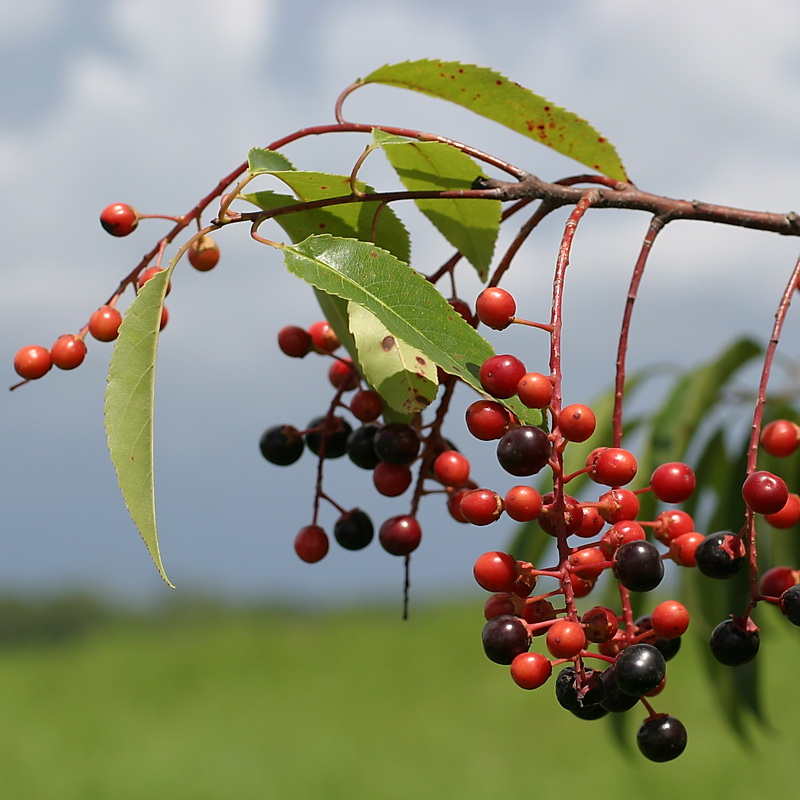
The Climate Challenge: Why Traditional Cherries Struggle in Florida
The absence of traditional cherry orchards in Florida is primarily a matter of climate suitability. These beloved fruits require specific environmental conditions that are simply not met in the state’s warm, often humid environment. For tourists seeking to understand Florida’s agricultural nuances, grasping these climatic demands is fundamental.
Understanding Chill Hours
Temperate fruit trees, including conventional cherry varieties, have a critical physiological requirement known as “chill hours.” Chill hours refer to the cumulative number of hours during the dormant season (typically winter) when temperatures are between approximately 32°F and 45°F (0°C to 7°C). This period of cold is essential for the trees to properly break dormancy, develop flower buds, and subsequently produce fruit. Without sufficient chill hours, these trees may fail to flower, produce very few flowers, or yield poor-quality fruit. Most sweet and tart cherry varieties require a significant number of chill hours, often ranging from 700 to 1,000 or even more, to thrive.
The Florida Climate: A Tropical Paradise, Not a Temperate Orchard
Florida is renowned for its subtropical to tropical climate, making it a haven for warmth-loving plants and a magnet for tourists escaping colder climes. While this climate supports an incredible diversity of flora, it directly conflicts with the needs of traditional cherries. The state’s winters are typically mild, especially in Central Florida and South Florida, where freezing temperatures are infrequent and short-lived. Even in North Florida, where winters can be cooler, the consistent, prolonged cold necessary for temperate cherries to accumulate adequate chill hours is generally absent. This climatic reality explains why visitors won’t encounter widespread commercial cherry orchards similar to those found in Michigan, Washington, or other northern states within the United States.
Geographic Limitations for Popular Cherry Varieties
The geographical distribution of traditional cherry cultivation highlights Florida’s unsuitability. Regions known for cherry production are typically characterized by distinct four-season climates with cold winters and warm summers. Trying to force temperate cherry varieties to grow in Florida would result in weak trees, low yields, and susceptibility to pests and diseases due to environmental stress. Instead, Florida’s agricultural focus naturally shifts to crops that flourish in its unique conditions, offering tourists an entirely different, yet equally rich, array of local produce to explore.
Unveiling Florida’s “Cherry” Alternatives: A Taste of the Tropics
While traditional cherries may not grace Florida’s landscape, the state’s vibrant tropical and subtropical environment is home to several delightful fruits that are often referred to as “cherries” or share characteristics with them. These unique alternatives offer a fascinating glimpse into Florida’s local culture and food scene, providing distinct flavors and experiences for the adventurous tourist.
The Barbados Cherry (Acerola): A Nutritional Gem
Perhaps the closest fruit in common parlance to a “cherry” that thrives in Florida is the Barbados Cherry, also known as Acerola (Malpighia emarginata). These small, bright red fruits grow on a bush or small tree and superficially resemble traditional cherries, though they have a more lobed appearance and a distinct flavor profile. Barbados Cherries are most famous for their extraordinarily high Vitamin C content, often exceeding that of oranges by many multiples. Their taste is tart, sometimes with a subtle sweetness, making them excellent for juices, jams, jellies, and desserts. For tourists interested in healthy eating or unique culinary ingredients, finding fresh Acerola in Florida is a must-try experience. They typically fruit multiple times a year, especially during the warmer months.
The Surinam Cherry (Eugenia uniflora): A Distinctive Flavor Profile
Another popular “cherry” of Florida is the Surinam Cherry (Eugenia uniflora), which is more commonly seen as an ornamental shrub or hedge. Its small, ribbed fruits transition from green to yellow, then orange, and finally a deep red or purplish-black when fully ripe. While beautiful, the Surinam Cherry has a unique, often polarizing flavor. It can range from sweet and tangy to quite resinous or pungent, particularly if picked before optimal ripeness. Those who enjoy its distinctive character often use it in jellies, pies, or as an accent in tropical fruit salads. For the adventurous palate, tasting a ripe Surinam Cherry offers an authentic and somewhat challenging Florida fruit experience, reflective of the state’s diverse botanical offerings.
Other Exotic Fruit Experiences in Florida
Beyond the explicit “cherries,” Florida boasts a wide array of other small, round, and often red or dark-colored fruits that can satisfy a tourist’s craving for unique local produce, offering a fascinating parallel to the traditional cherry experience.
Grumichama
The Grumichama (Eugenia brasiliensis) is a beautiful Brazilian native that thrives in South Florida. Its fruits resemble small, shiny dark purple to black cherries, often with a slight crown at the top. The flesh is white, juicy, and possesses a sweet-tart flavor reminiscent of a cross between a cherry and a jaboticaba. They are typically eaten fresh but also make excellent jams and jellies. Finding fresh Grumichama is a treat for any tourist exploring local fruit markets.
Jaboticaba
Also native to Brazil and highly adaptable to Florida’s climate, the Jaboticaba (Myrciaria cauliflora) offers one of the most unique fruit-picking experiences. Unlike most fruits, Jaboticaba fruits directly on the trunk and main branches of the tree, creating a visually stunning spectacle. The small, round, purplish-black fruits have a thick skin and a sweet, translucent pulp with a flavor often described as a blend of grape, lychee, and a hint of cherry. They are typically enjoyed fresh but are also popular for making wines, liqueurs, and jellies.
Natal Plum
The Natal Plum (Carissa macrocarpa) is another attractive option. While often grown as an ornamental hedge due to its glossy leaves and thorny branches, its small, bright red, oval-shaped fruits are edible and quite delicious when fully ripe. The Natal Plum has a unique, cranberry-like flavor with a hint of strawberry, making it excellent for jams, pies, and sauces. Its availability provides tourists with yet another opportunity to taste Florida’s diverse local bounty.
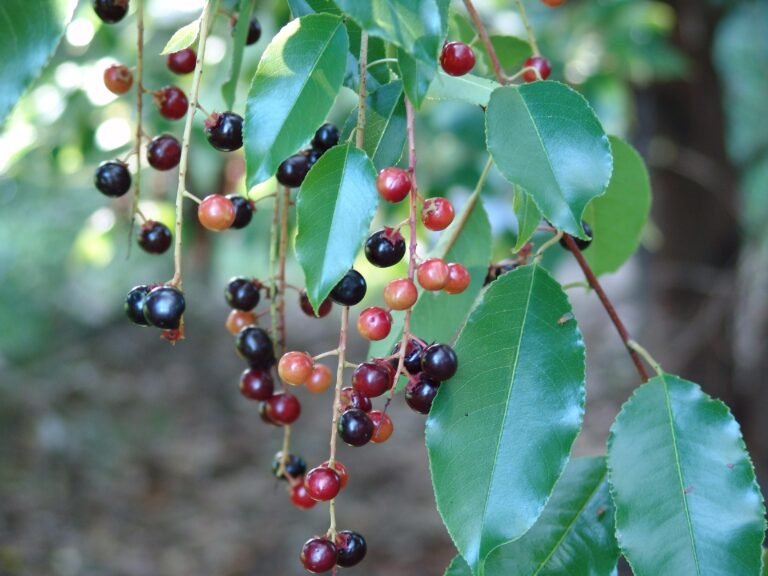
Where to Find Florida’s Unique Fruit Bounty: A Tourist’s Guide
For tourists eager to sample Florida’s exotic “cherries” and other tropical fruits, knowing where to look is crucial. The state offers various avenues for discovering these unique local treasures, enriching the culinary aspect of any trip.
Farmers’ Markets and Roadside Stands
The most accessible and often most rewarding places to find fresh, seasonal tropical fruits are Florida’s numerous farmers’ markets and roadside stands. Cities like Miami, Orlando, and Tampa, as well as smaller towns throughout South Florida and Central Florida, host vibrant markets where local growers sell their produce directly. Here, visitors can inquire about Barbados Cherries, Surinam Cherries, Grumichama, and other specialty fruits. These markets not only offer fresh produce but also provide an opportunity to interact with local farmers, learn about their cultivation practices, and gain insights into Florida’s unique agricultural heritage.
U-Pick Farms and Agricultural Tours
For an immersive experience, some tropical fruit farms in Florida offer u-pick opportunities or guided agricultural tours. While traditional cherries won’t be on offer, visitors might find farms specializing in Barbados Cherries or other exotic berries. These experiences provide a hands-on way to connect with the land, understand the effort behind tropical fruit cultivation, and enjoy the freshest possible produce directly from the source. It’s advisable to check seasonal availability and call ahead to confirm operating hours and fruit offerings before visiting.
Specialty Grocers and Ethnic Markets
Beyond the traditional markets, specialty grocery stores, particularly those catering to diverse ethnic communities in larger urban areas like Miami, often stock a wider variety of tropical fruits. These establishments might carry more obscure “cherry” alternatives or processed products like Acerola juice or Surinam Cherry jams. Exploring these markets is a fantastic way for tourists to dive deeper into Florida’s multicultural food scene and discover ingredients they might not find elsewhere.
Embracing Florida’s Culinary Diversity: Beyond the Conventional Cherry
The quest for cherries in Florida ultimately leads to a richer understanding of the state’s incredible culinary diversity. Instead of disappointment over the absence of a familiar fruit, tourists have the chance to discover new flavors and integrate tropical alternatives into their culinary adventures.
Incorporating Tropical Fruits into Local Cuisine
Florida’s chefs and home cooks ingeniously incorporate the state’s unique bounty into local cuisine. Barbados Cherries add a tart, vitamin-rich kick to fruit salads, smoothies, and glazes for poultry or fish. Surinam Cherries, with their distinctive taste, can be transformed into robust jellies or used to create interesting savory sauces. Jaboticaba finds its way into artisan wines and decadent desserts. For tourists, seeking out restaurants or bakeries that highlight these local ingredients offers a true taste of Florida’s gastronomic identity, often reflecting the influences of Latin American and Caribbean cultures that thrive alongside the state’s native traditions.
Florida’s Beverage Scene: Juices, Smoothies, and Cocktails
The abundance of tropical fruits naturally extends to Florida’s vibrant beverage scene. Freshly squeezed juices featuring Acerola, Natal Plum, or Grumichama offer refreshing and healthy alternatives to more common fruit juices. Smoothie bars often feature these local ingredients, blending them into vibrant, nutrient-packed concoctions. Furthermore, mixologists in Florida’s bars and resorts are increasingly experimenting with tropical fruit purees and infusions, crafting unique cocktails that capture the essence of the Sunshine State. Sampling a Barbados Cherry daiquiri or a Jaboticaba spritzer provides a delightful and authentically Floridian beverage experience.
A Taste of the Unexpected: Why Local is Better
For the discerning tourist, embracing Florida’s indigenous and naturalized tropical fruits offers an opportunity to go beyond the familiar. It’s a chance to connect with the local ecosystem, support sustainable agricultural practices, and savor flavors that are unique to this specific climate. The adventure of trying a Surinam Cherry, discovering the health benefits of Acerola, or marveling at the growth habit of a Jaboticaba plant adds depth and authenticity to any Florida trip. It’s a reminder that true culinary exploration lies in celebrating local specialties, rather than seeking replicas of what’s found elsewhere.
Planning Your Fruit-Focused Florida Trip
Integrating the exploration of Florida’s unique fruit offerings into your travel itinerary can significantly enhance your trip, providing memorable culinary and cultural experiences.
Seasonal Availability of Tropical Fruits
Like all produce, tropical fruits have seasons. While some, like Barbados Cherry, can fruit multiple times a year, others may have more specific windows. For instance, Jaboticaba often has several flushes of fruit, particularly after heavy rains. Before your trip, a quick online search or inquiry with local agricultural extensions can provide insights into what fruits will be in season during your visit, allowing you to tailor your market visits or farm tours accordingly. This foresight ensures you maximize your chances of sampling the freshest and most diverse array of Florida’s bounty.
Tips for Exploring Local Produce
When visiting farmers’ markets or roadside stands, don’t hesitate to ask questions. Local vendors are often passionate about their produce and eager to share information about how to eat, prepare, and store their fruits. Be open to trying samples and experimenting with new flavors. Carry a reusable bag for your purchases, and if possible, plan visits to markets in the morning for the best selection. Consider exploring areas known for their agricultural richness, such as the Redland area in South Florida, which is a hub for tropical fruit cultivation.

Experience the Authentic Florida
Ultimately, the journey of discovering whether cherries grow in Florida transforms into an opportunity to experience the authentic Florida. It’s a chance to delve into its unique ecosystems, appreciate the ingenuity of local farmers, and savor the distinct flavors that define its tropical and subtropical identity. Embrace the unexpected, and let Florida’s “cherries” and their tropical counterparts lead you on a delicious and insightful culinary adventure.
LifeOutOfTheBox is a participant in the Amazon Services LLC Associates Program, an affiliate advertising program designed to provide a means for sites to earn advertising fees by advertising and linking to Amazon.com. Amazon, the Amazon logo, AmazonSupply, and the AmazonSupply logo are trademarks of Amazon.com, Inc. or its affiliates. As an Amazon Associate we earn affiliate commissions from qualifying purchases.